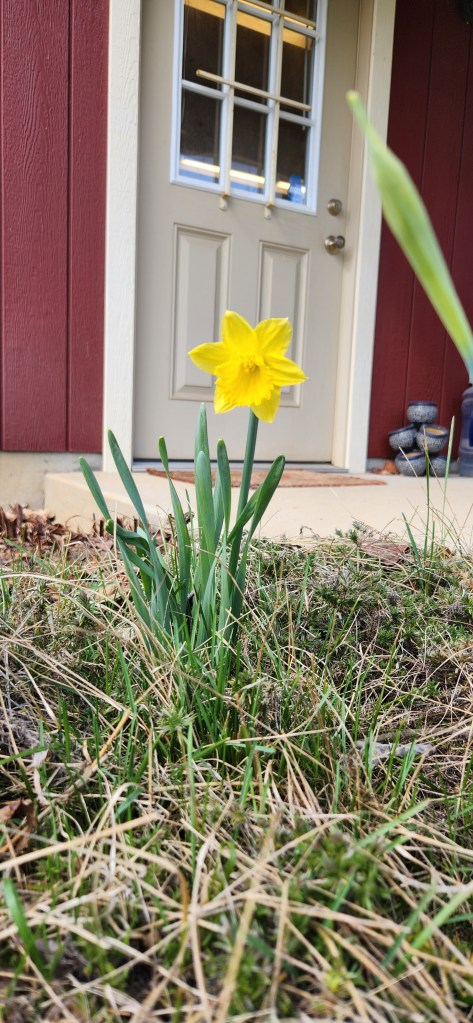
Our Resident Expert captured the first bloom.
Our Resident Expert captured the first bloom.
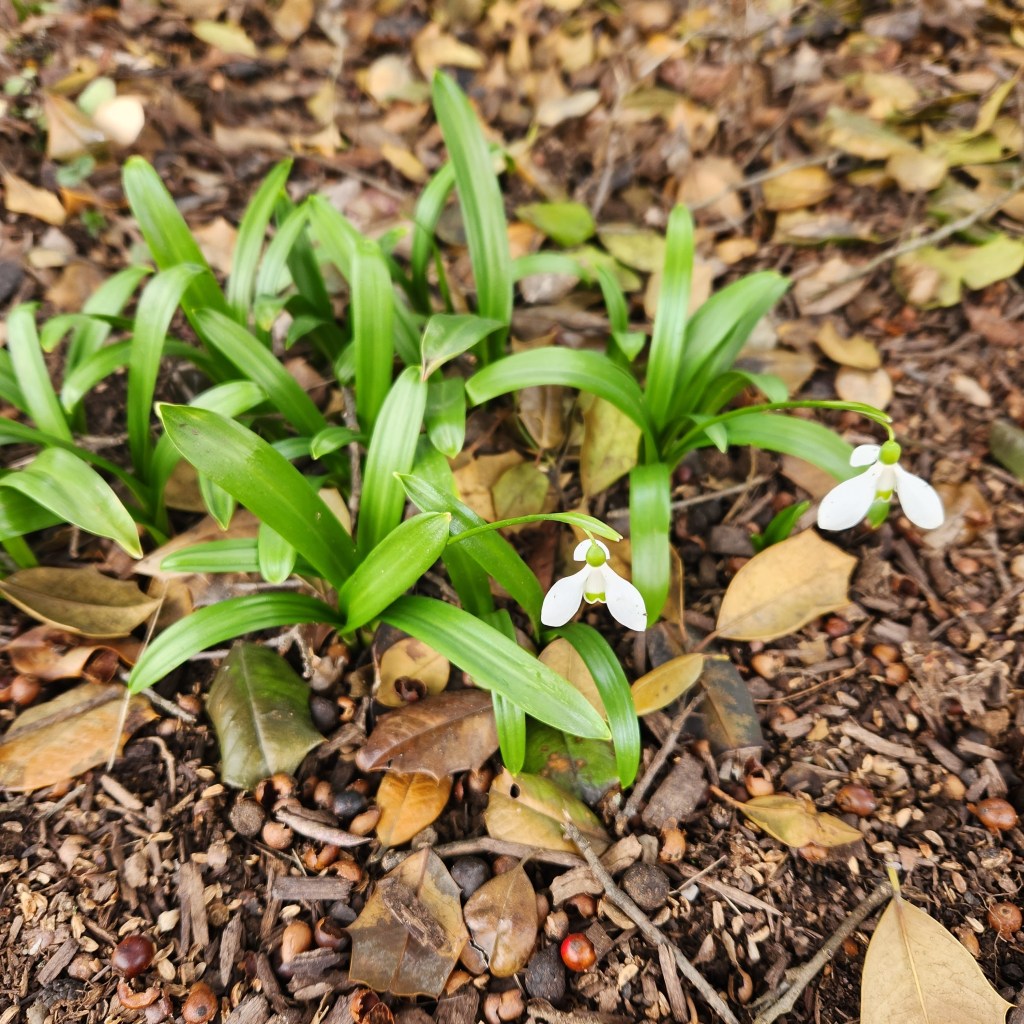
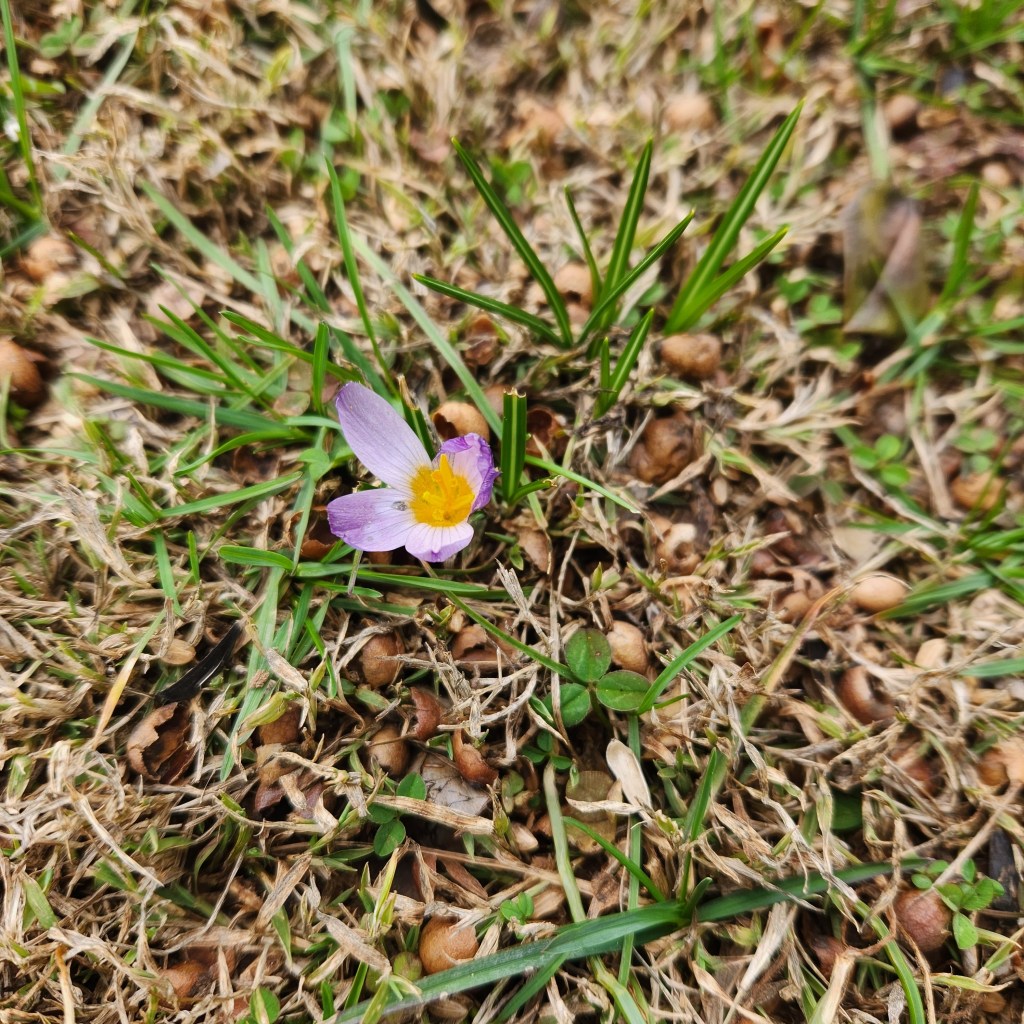
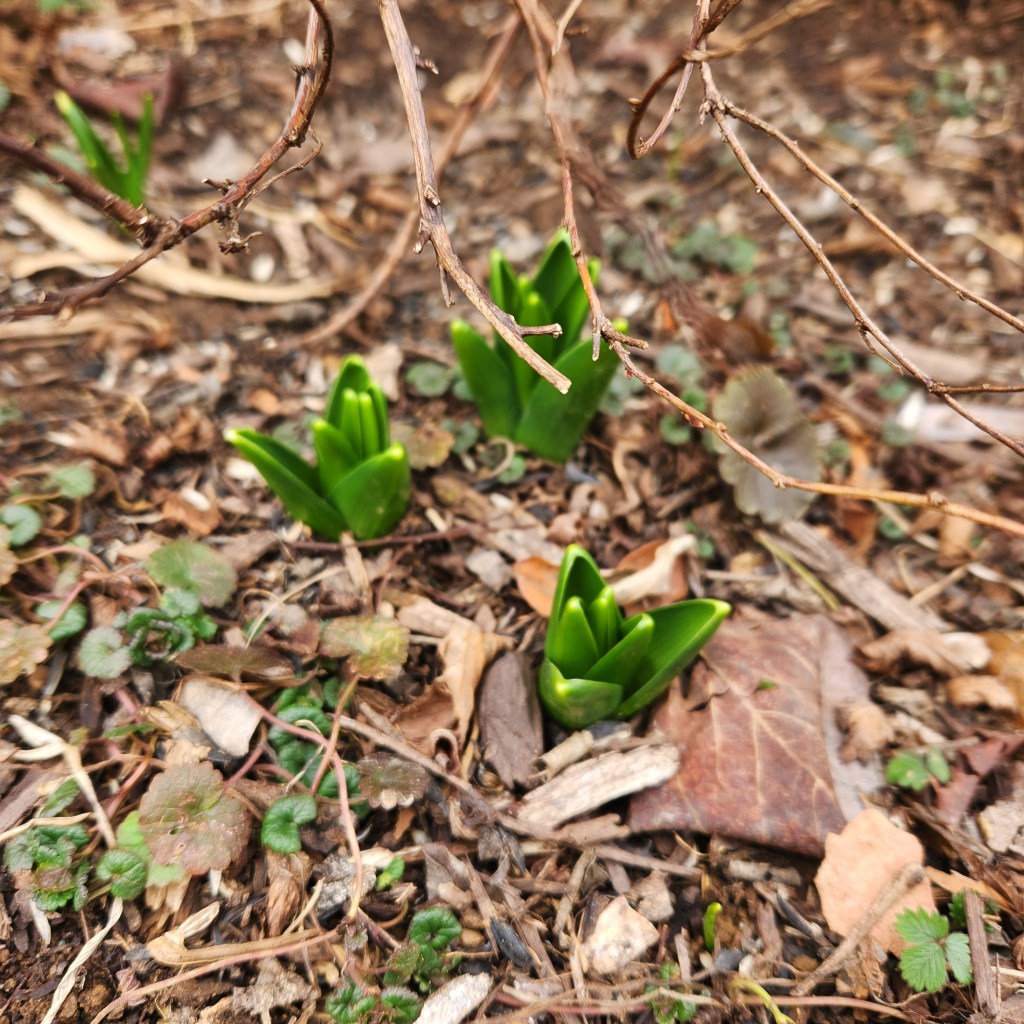
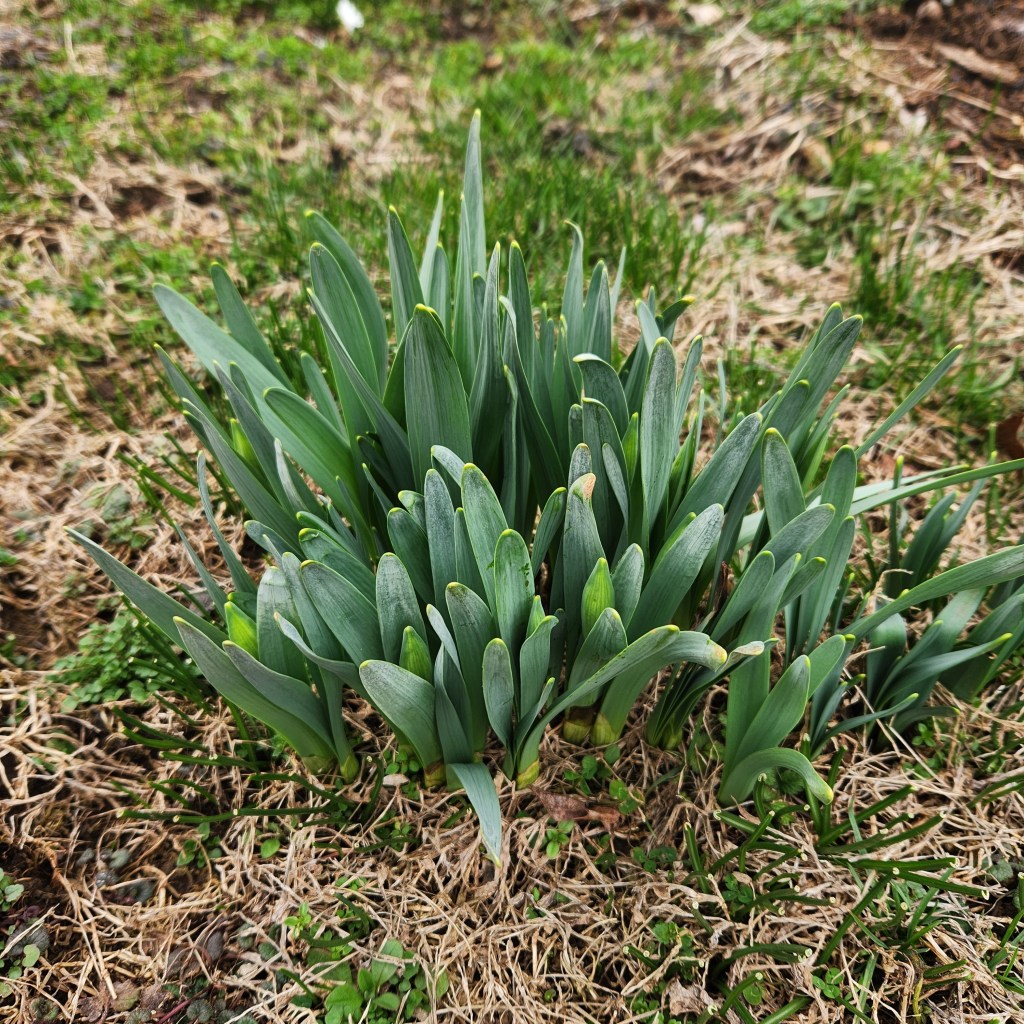
My first snowdrops ever. Crocus, emerging hyacinths and daffodils.
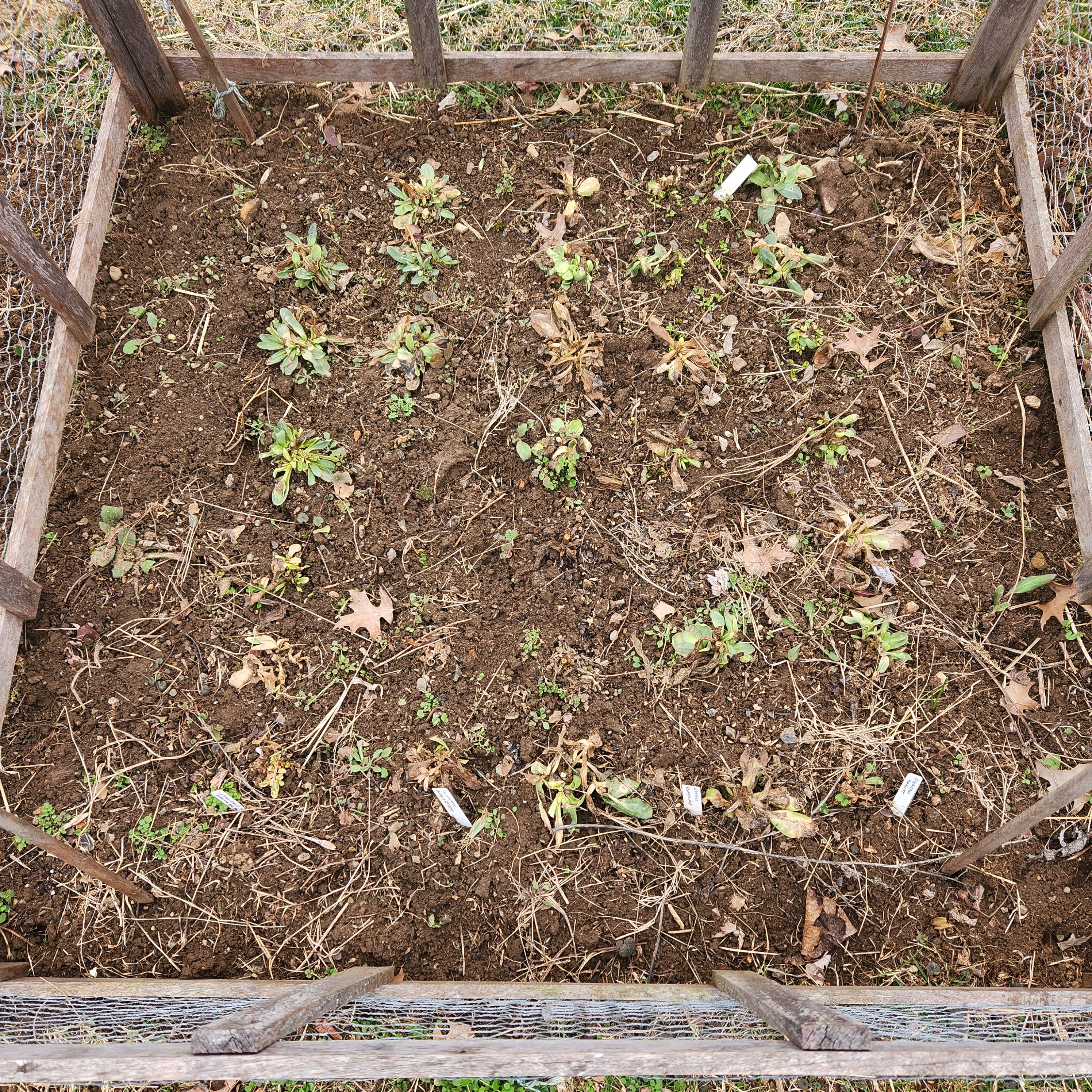
We had a fiercely cold winter, so I as surprised to find that so many Lisianthus had overwintered.
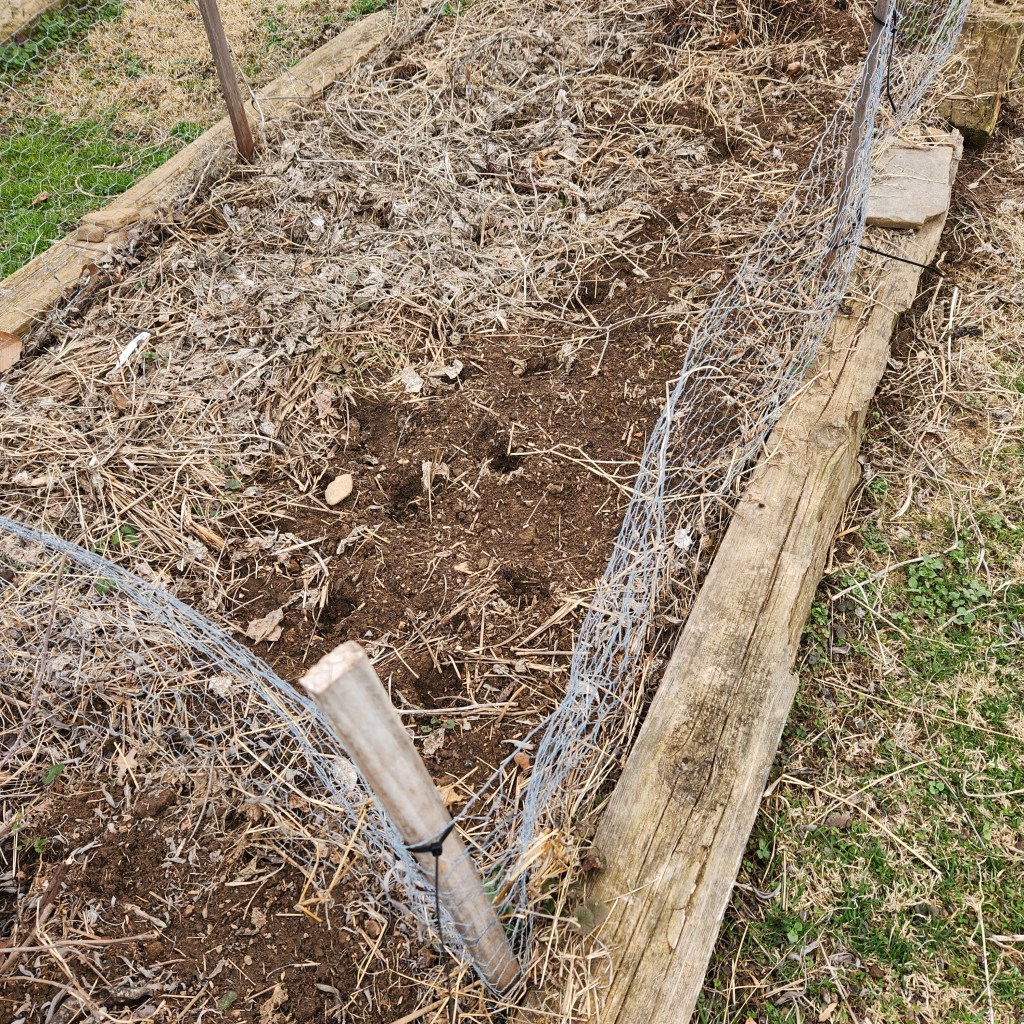
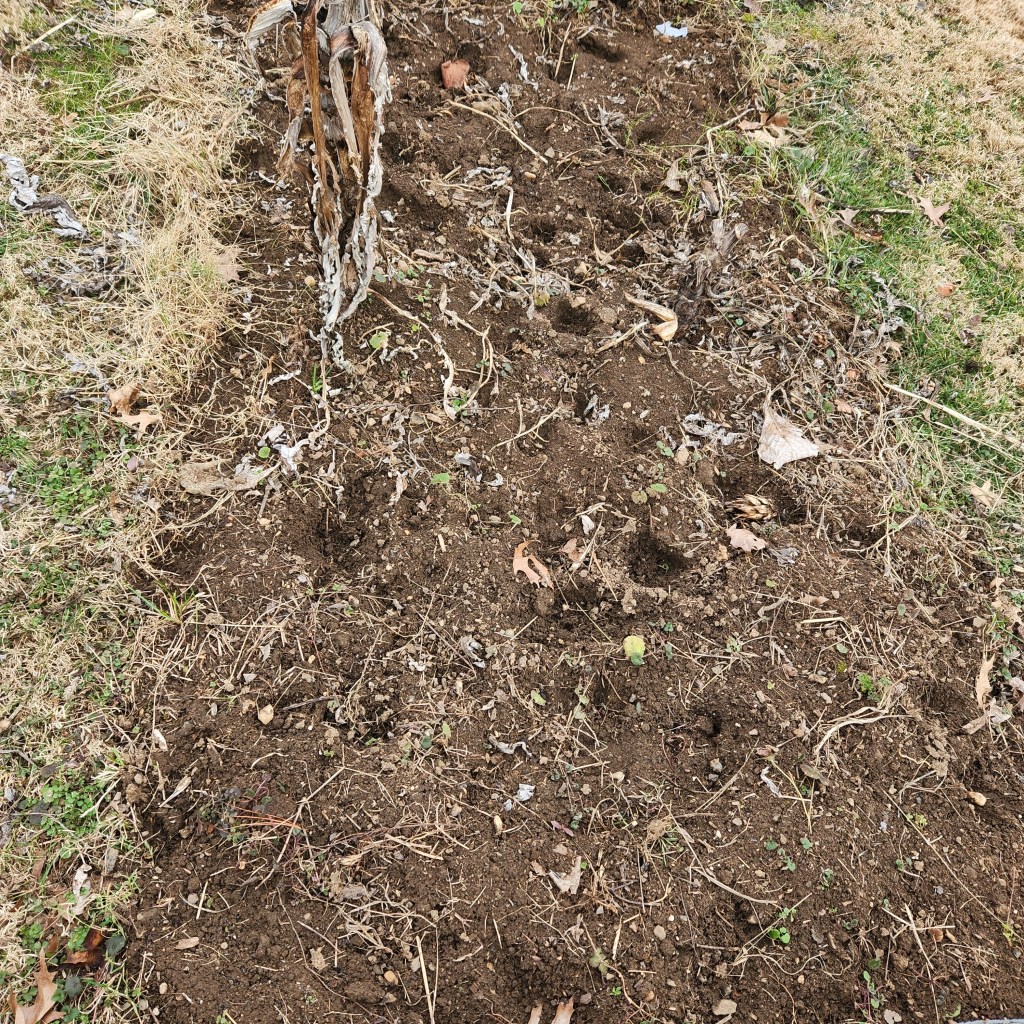
And the dear have been everywhere.
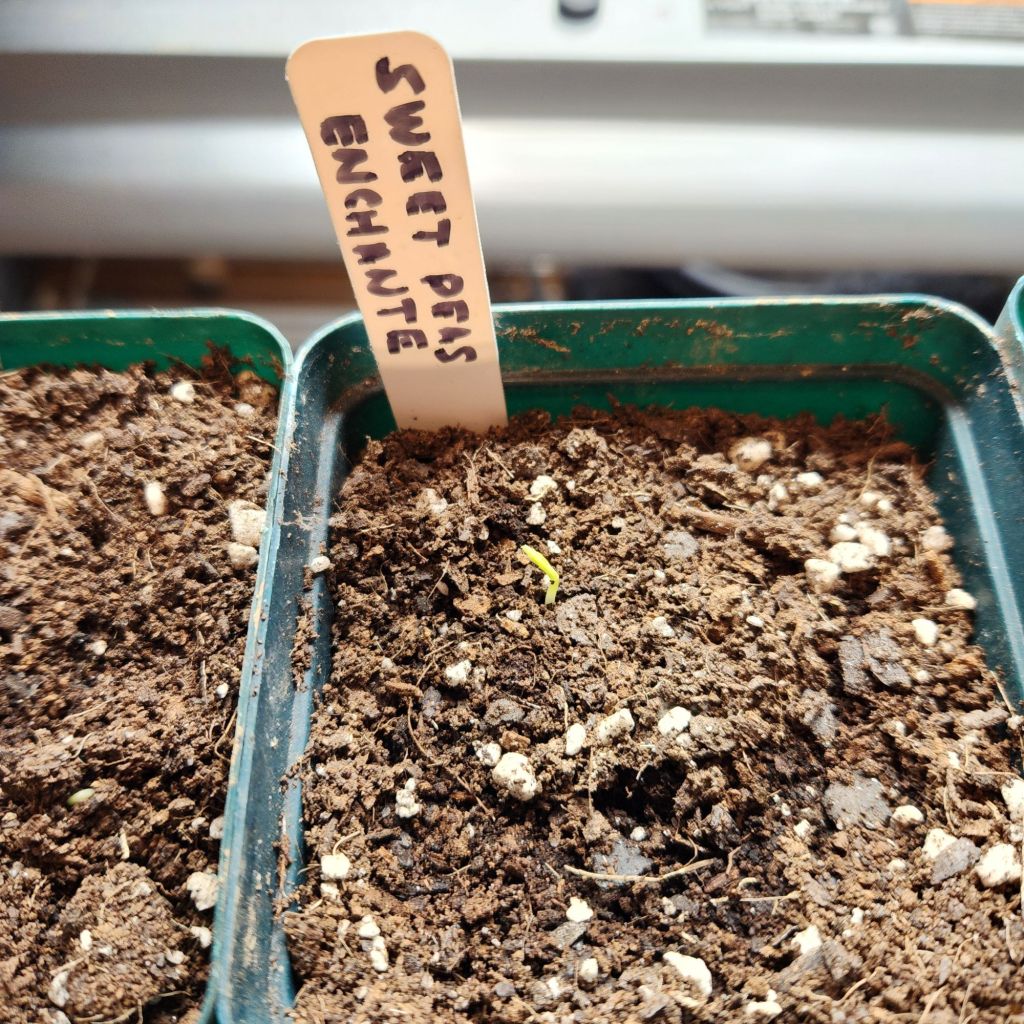
The first seedling for 2026!
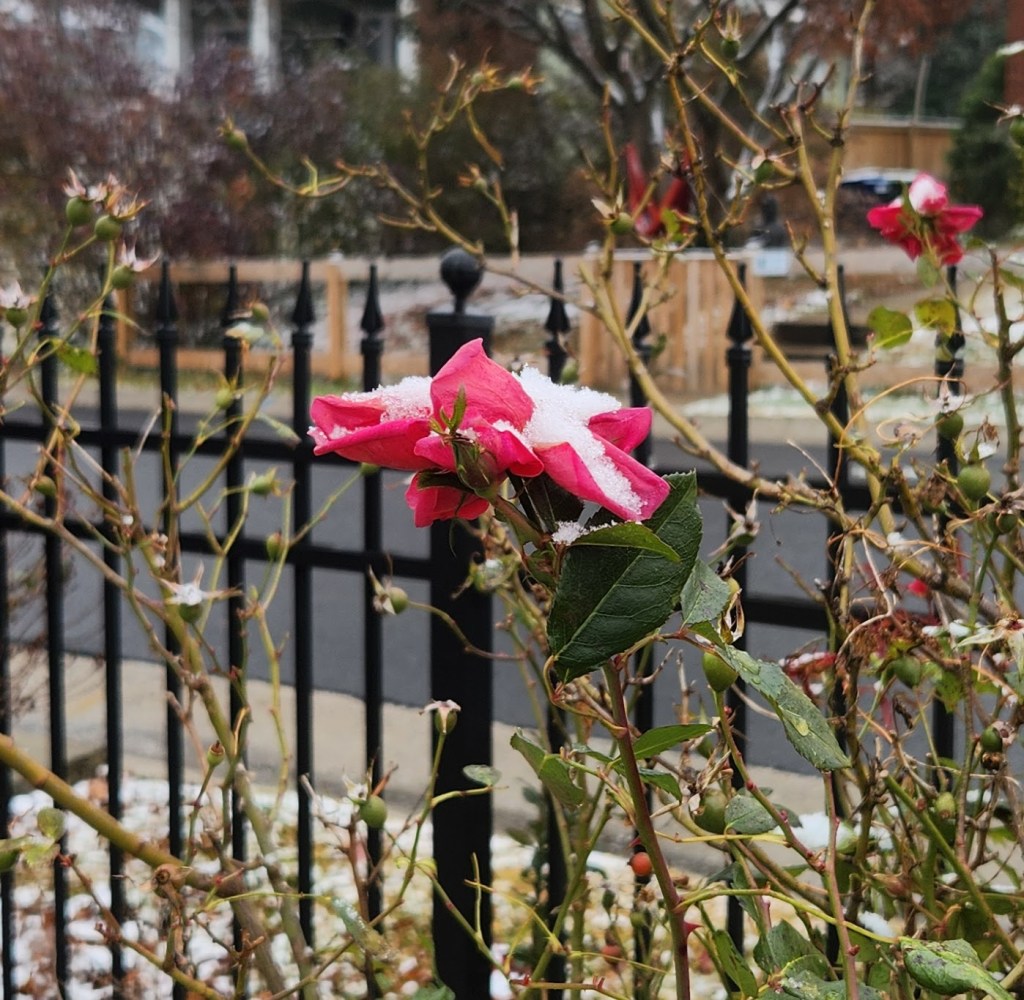
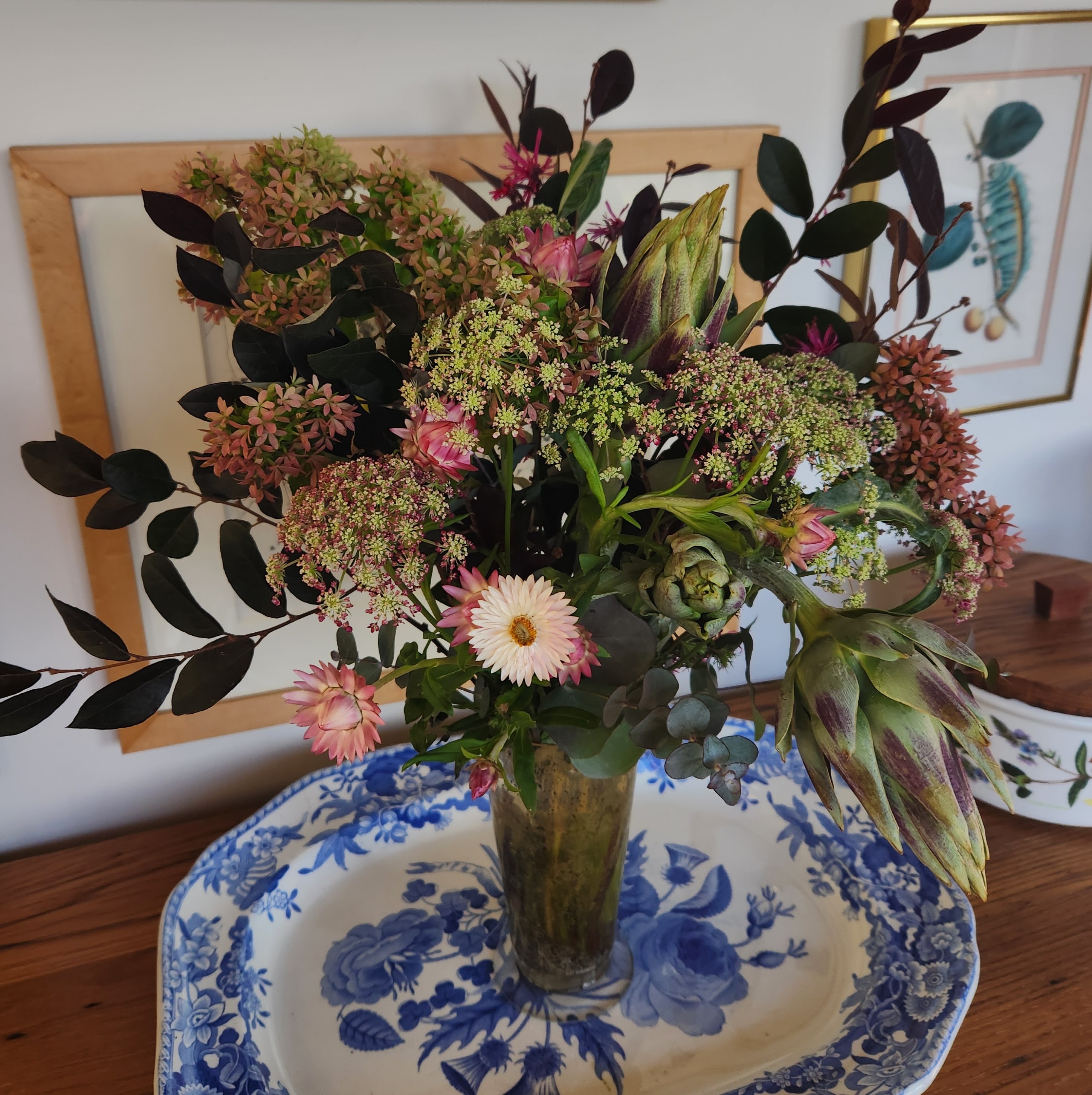
Ammi, Helichrysum, Artichoke, Abelia, Loropetalum, and Eucalyptus
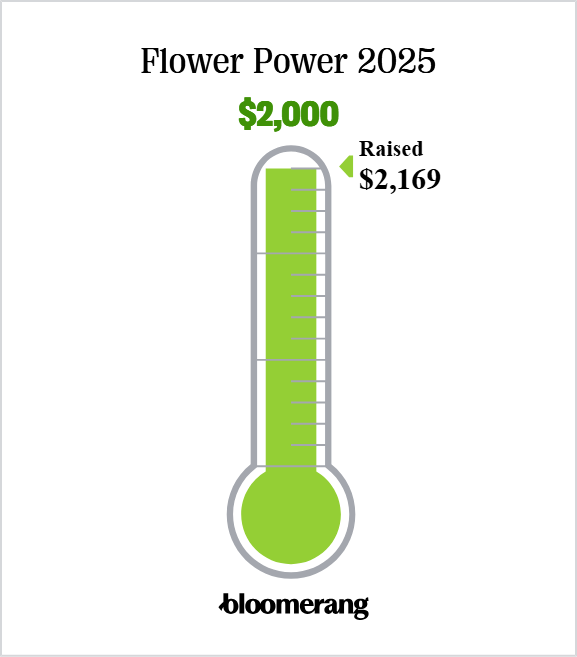
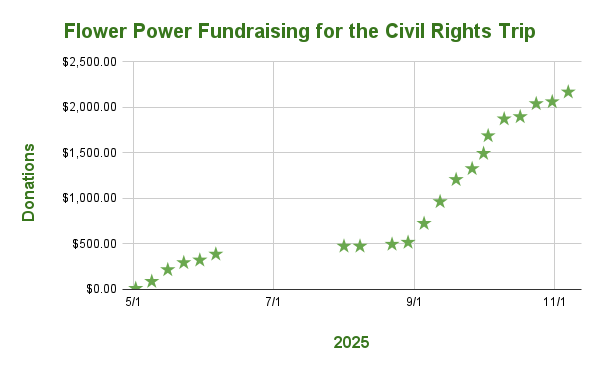
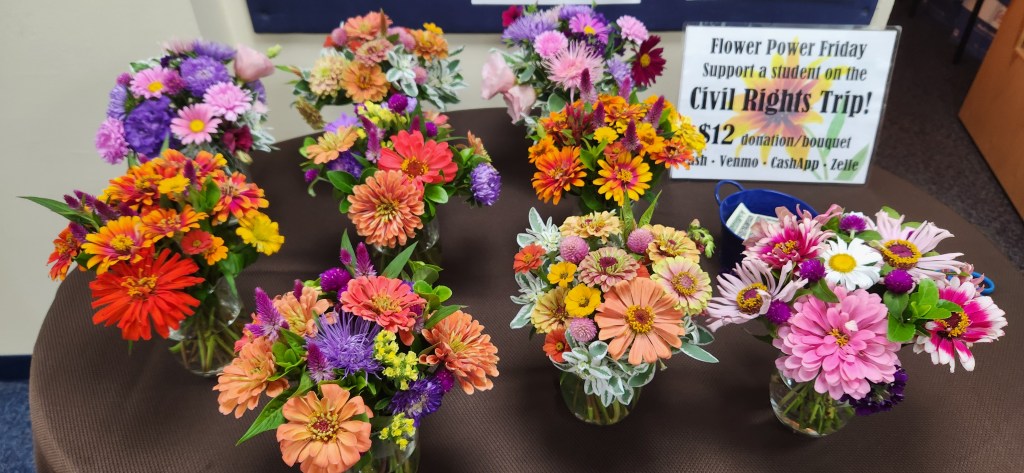
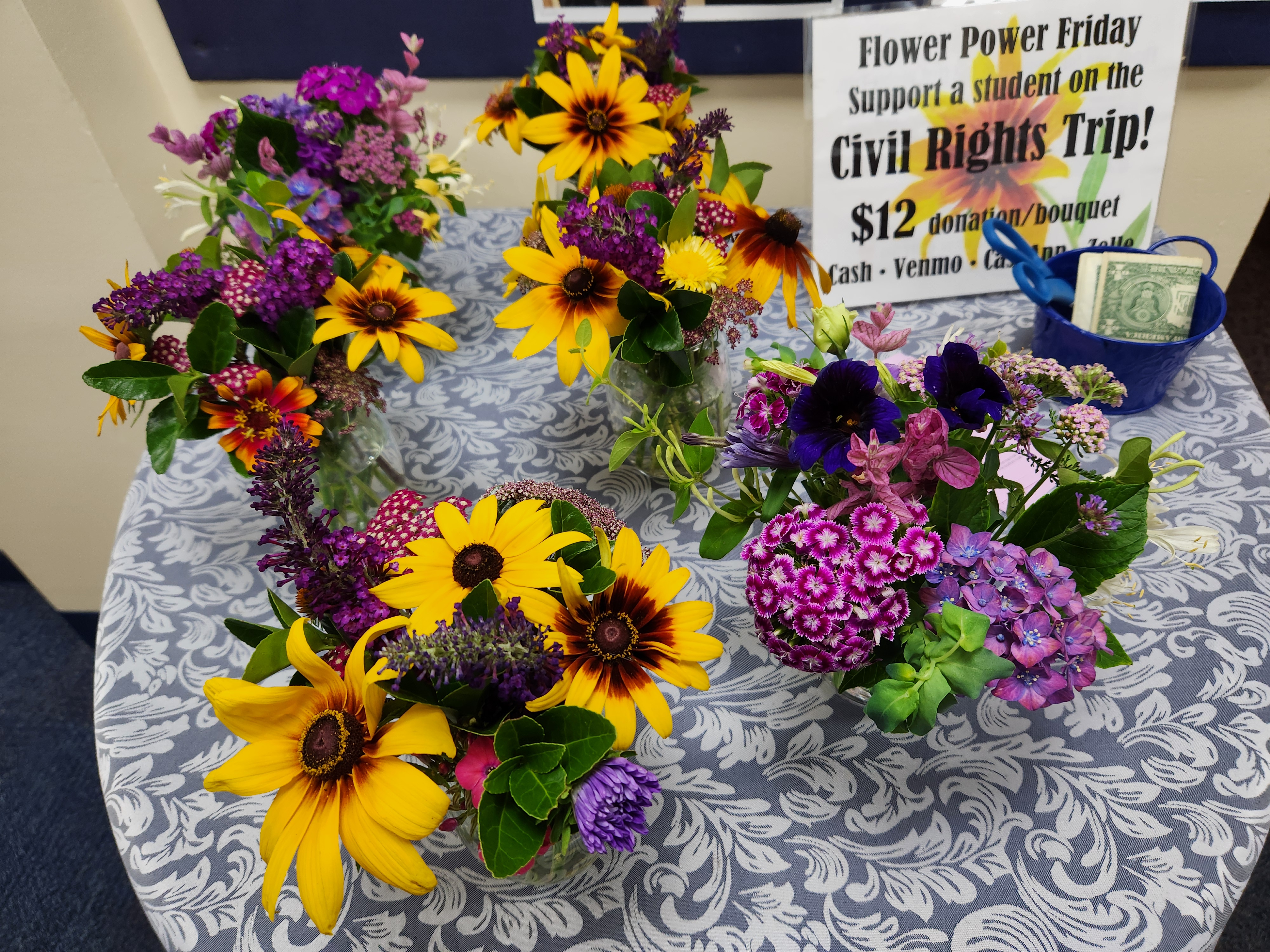
Bouquets are $12, where 10.50 goes directly to the Civil Rights Trip, and 1.50 goes to the grower. When there is produce available, all of the pay-as-you-are-able funds are donated, and the same goes for tips, keeping-the-change, or, well, donations. Financial documentation is available upon request.
For the 2025 growing season:
This nearly ties our second-highest grossing year yet!
Past years:
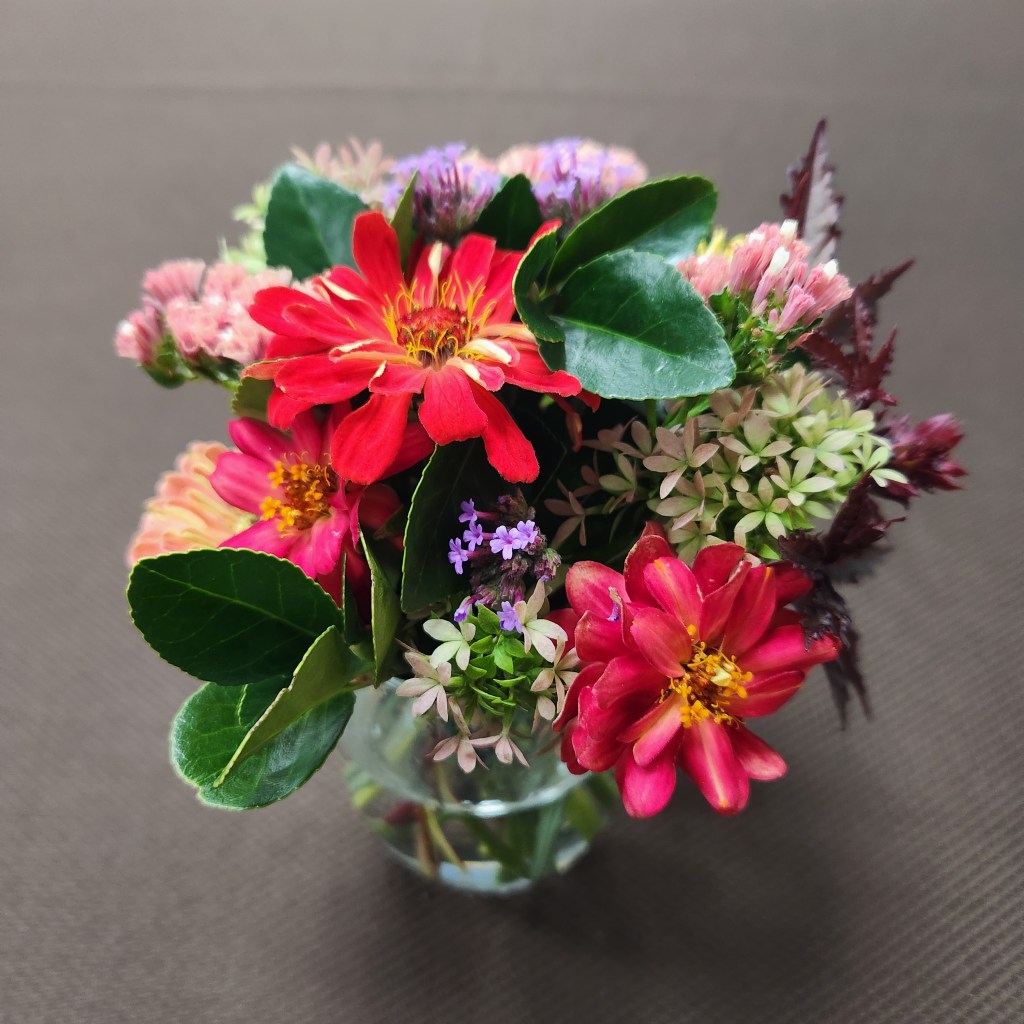
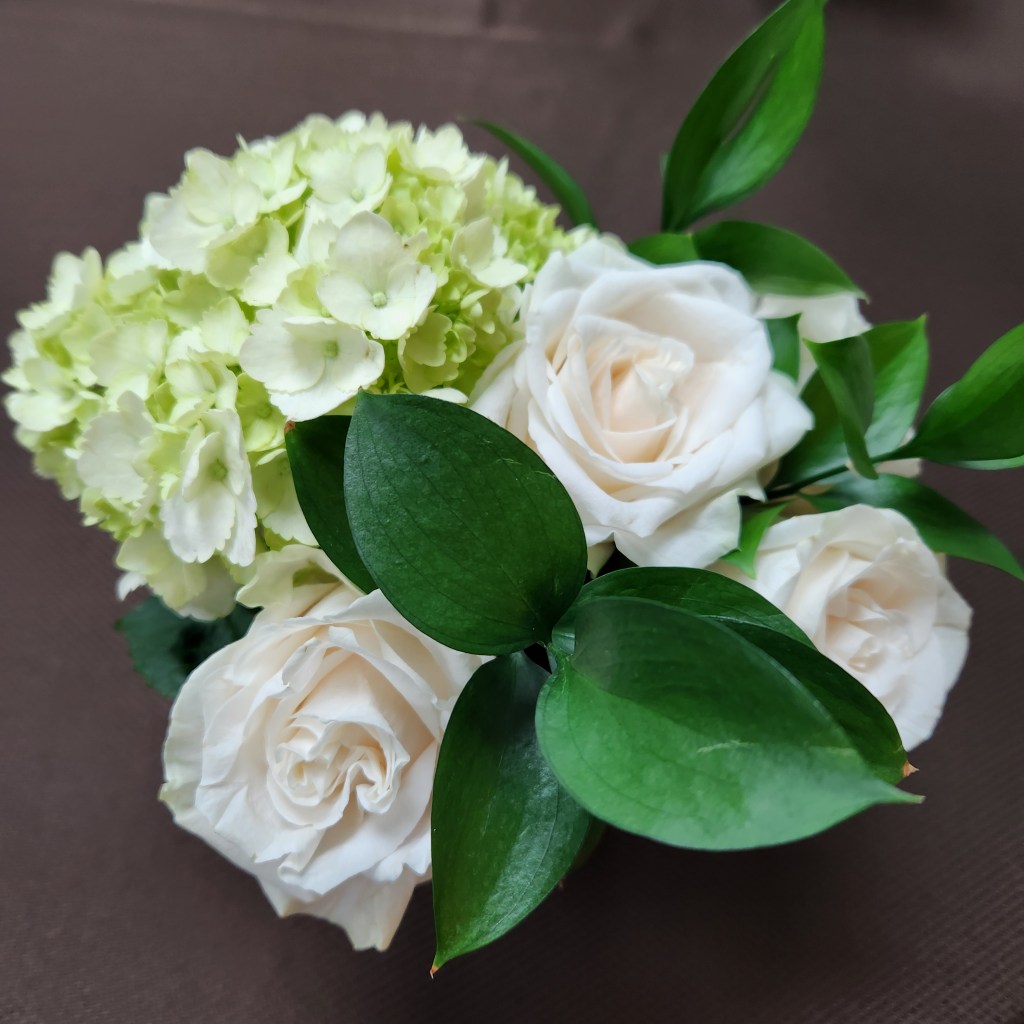
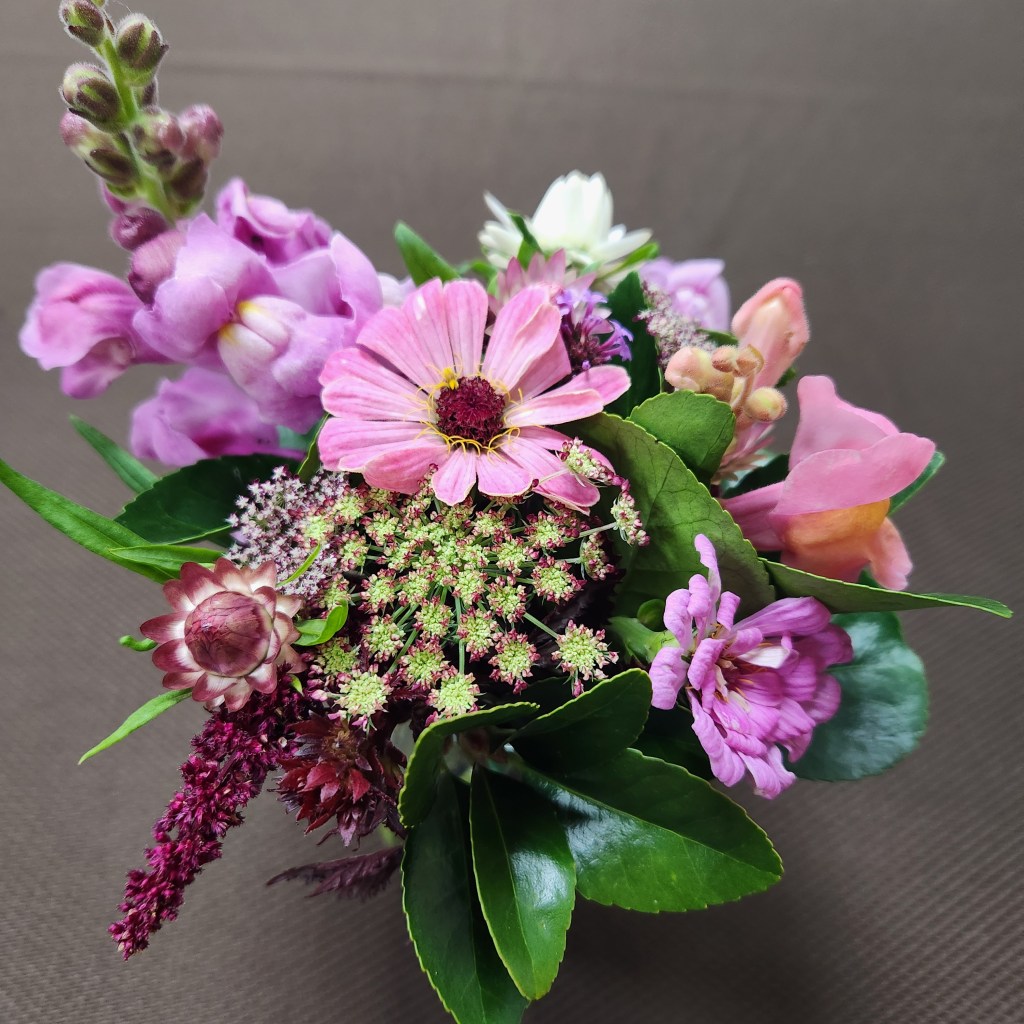
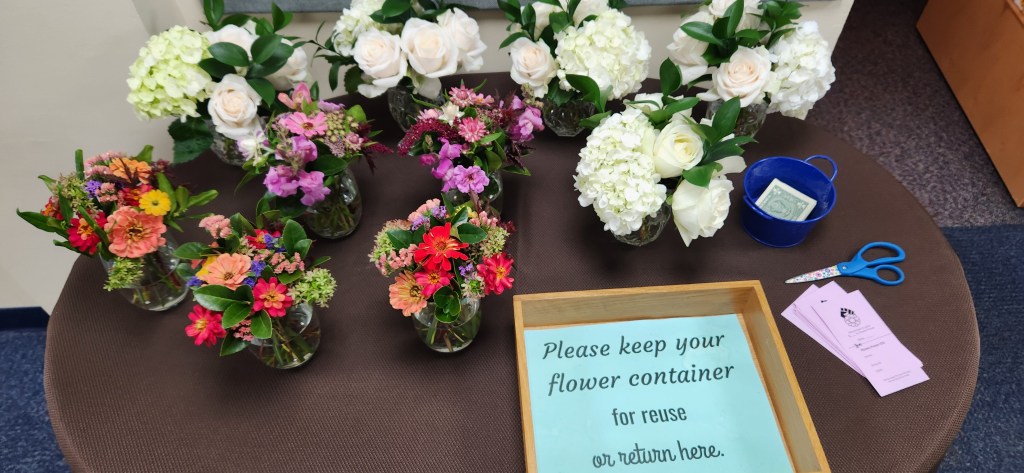
Just a few bouquets from the garden, and the Parents’ Association donated some gorgeous Hydrangea and roses.
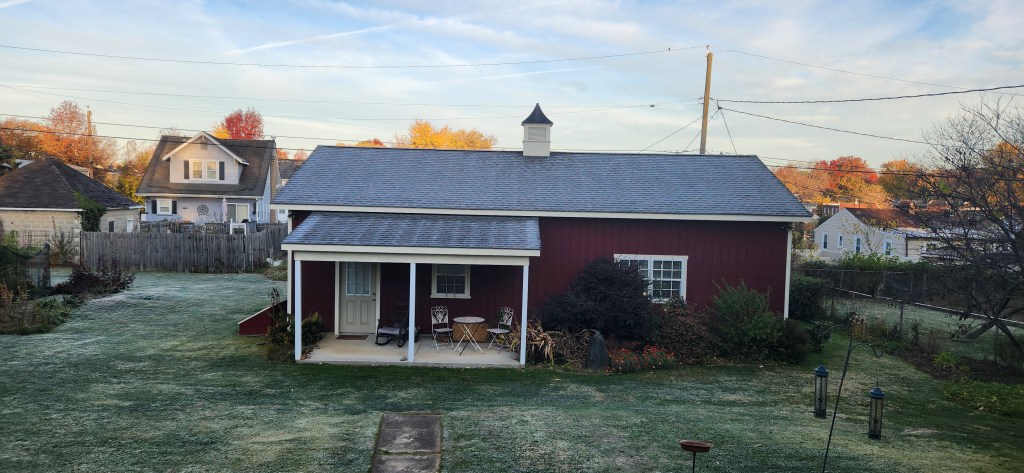
Bye-bye flowers! (A lot of ya’ll, anyway.)
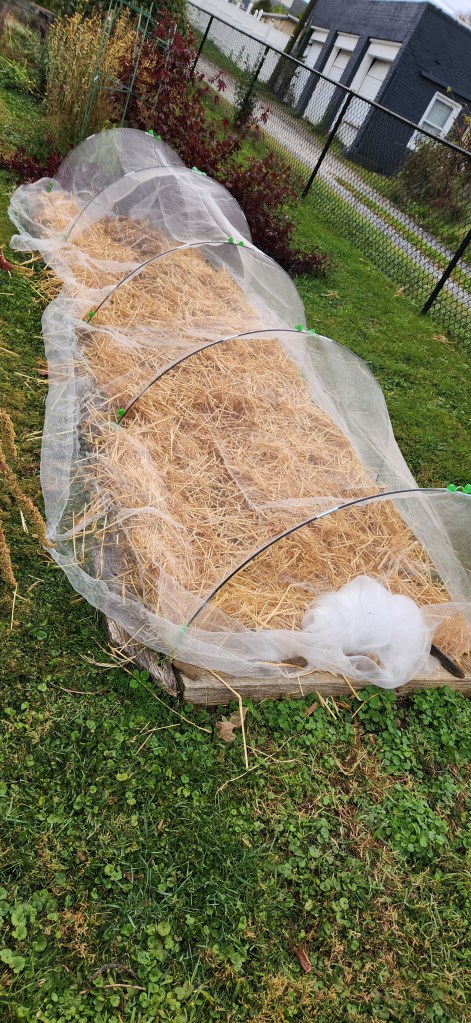
I signed up for a another seed trial (seedlinked.com), despite the disappointing results from the tomato trial. (Gonna stick with my favorites next year!) As soon as I seeded the bed, a fox dug a big hole. Glad for row covers!

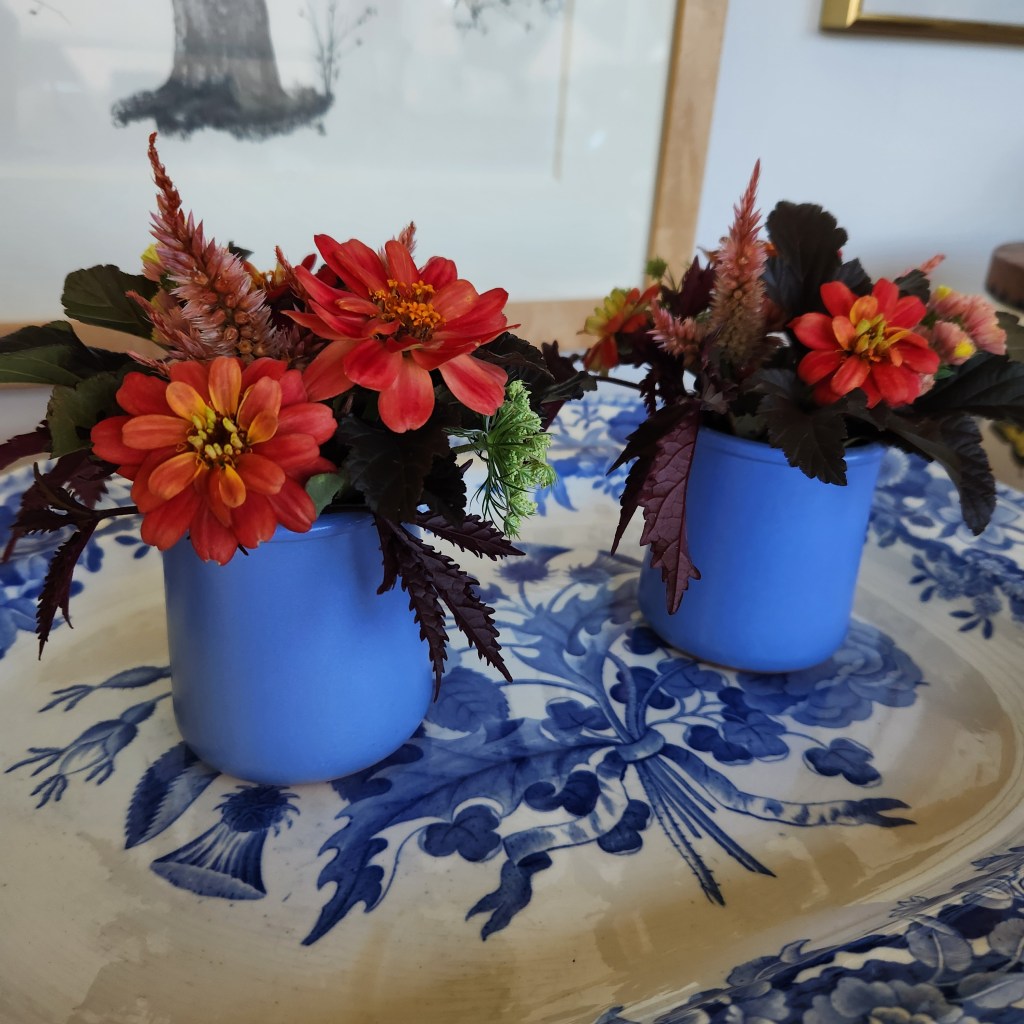
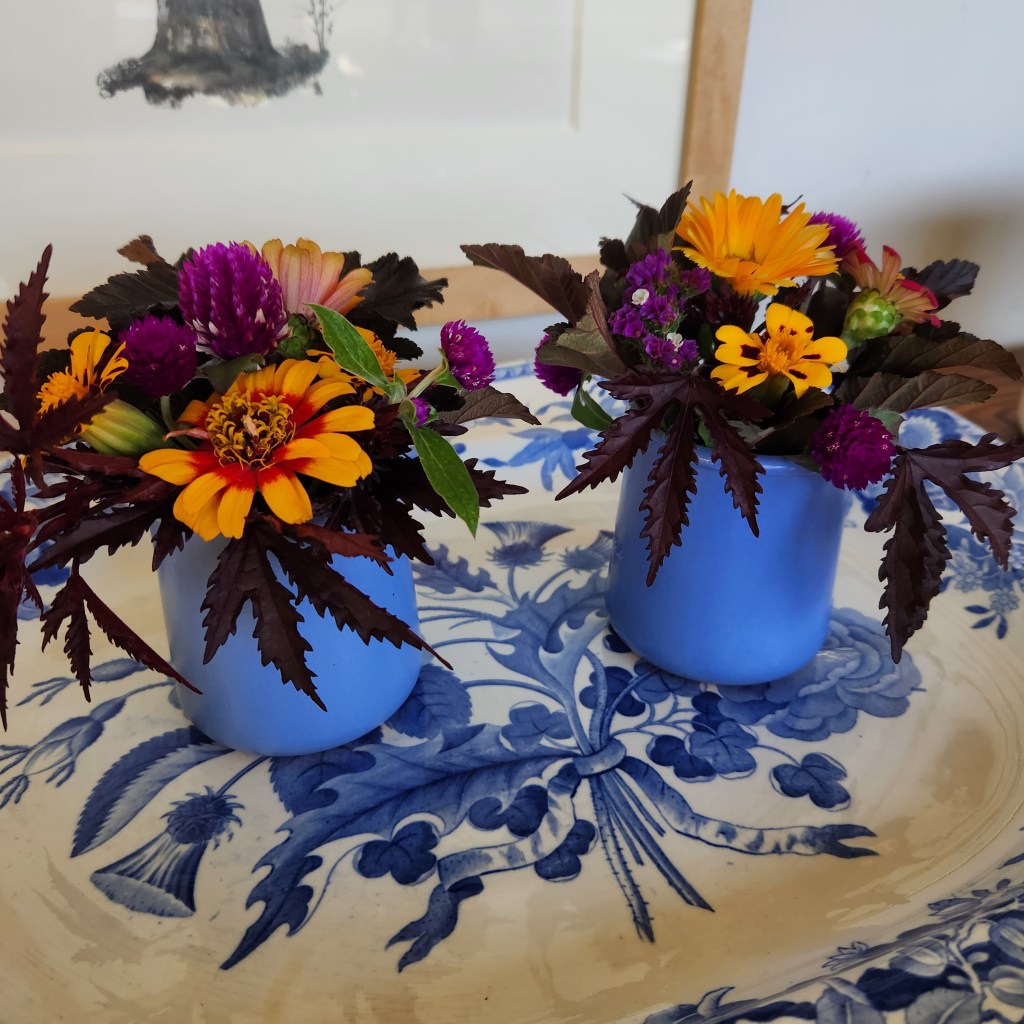
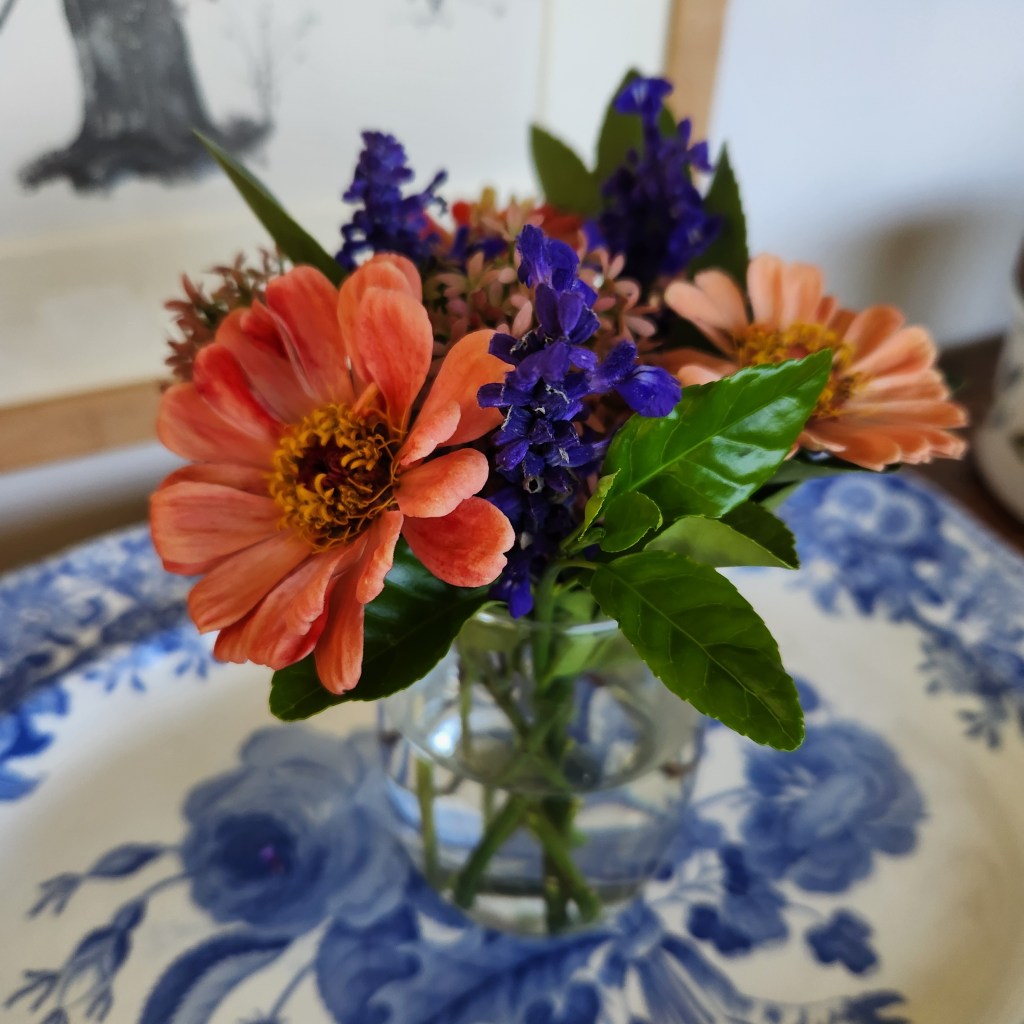
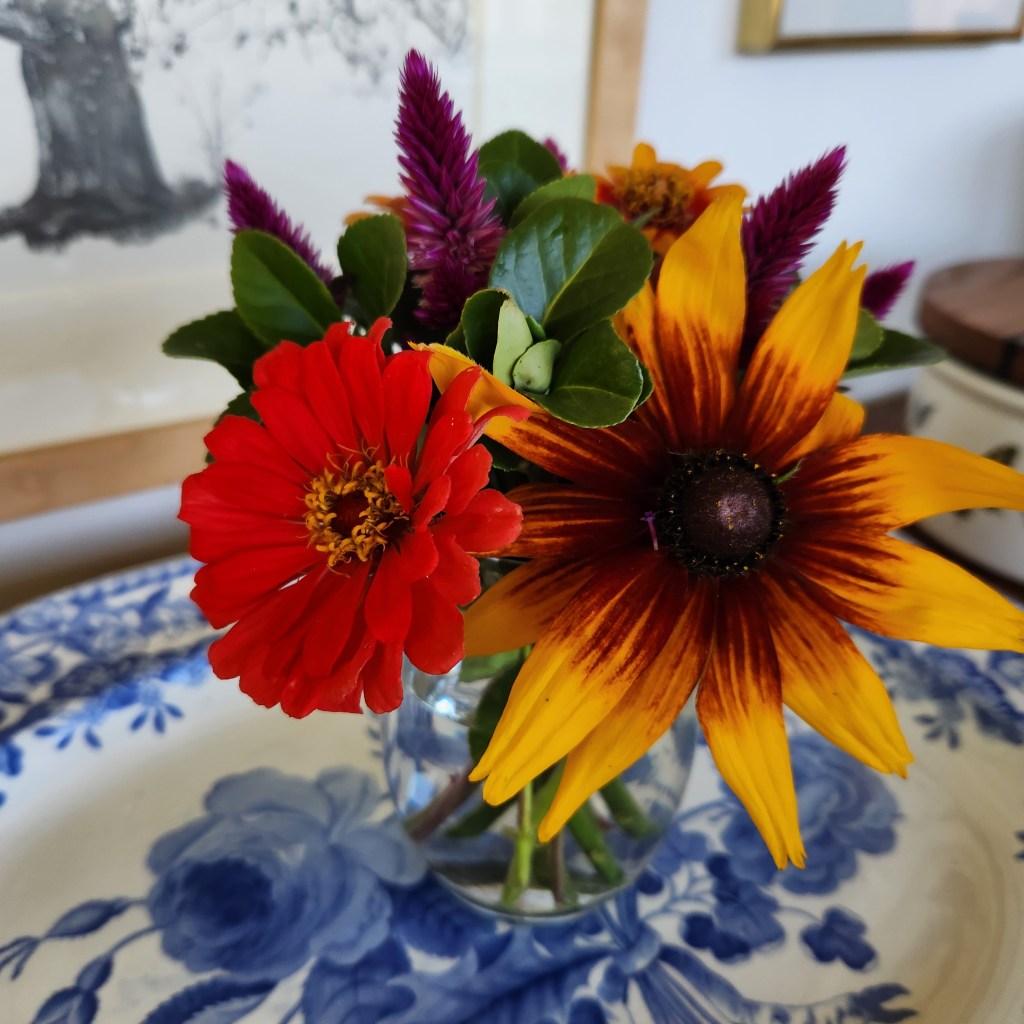
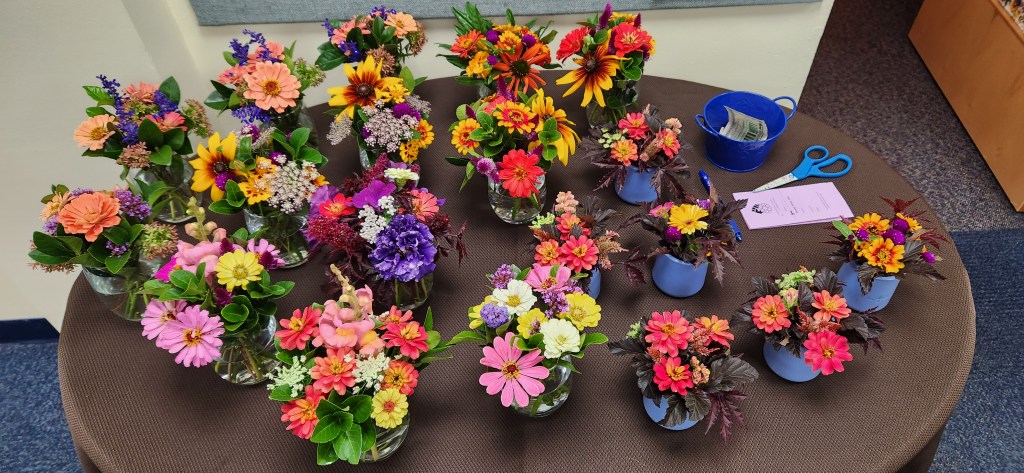
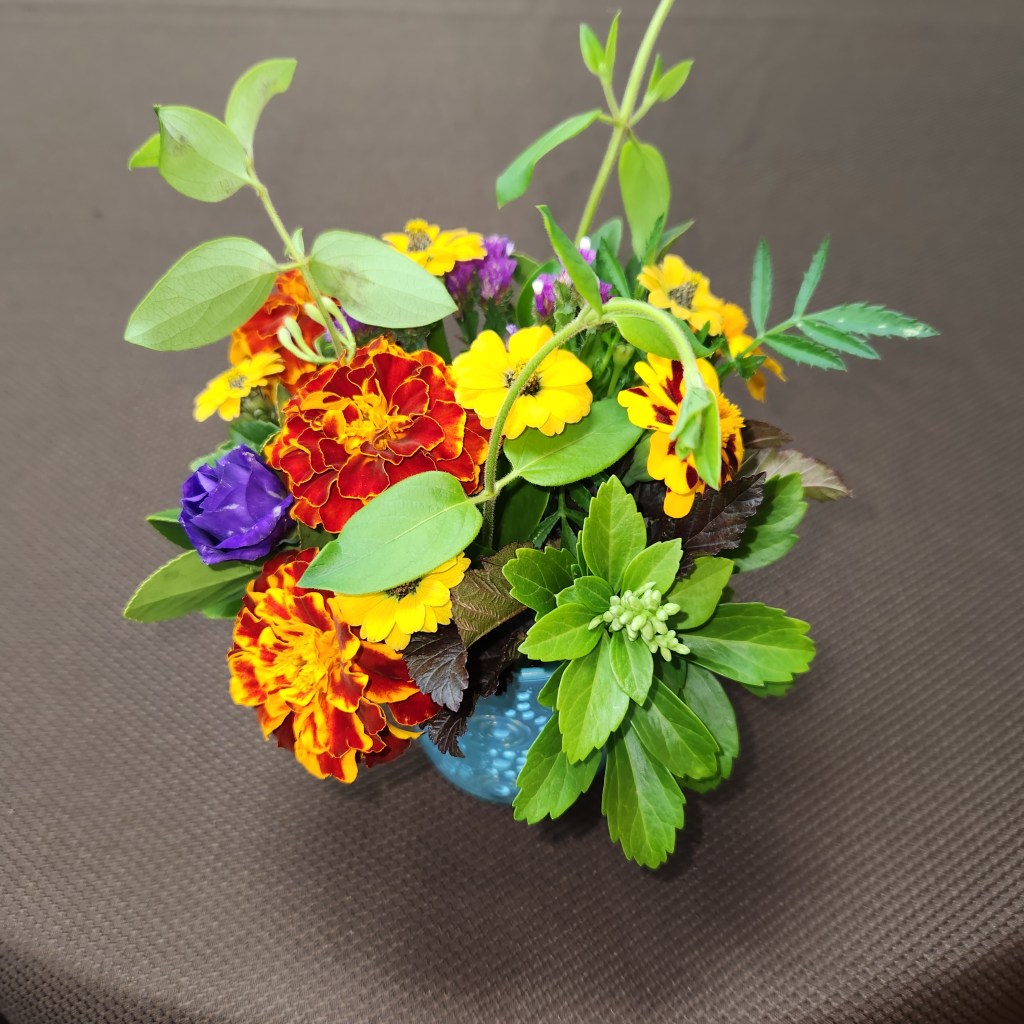
Introduced new “mini bouquets” this week — in yogurt crocks that a lovely neighbor saves for me.
A Professional Day at school… so few costumers (but lots of good work going on!)
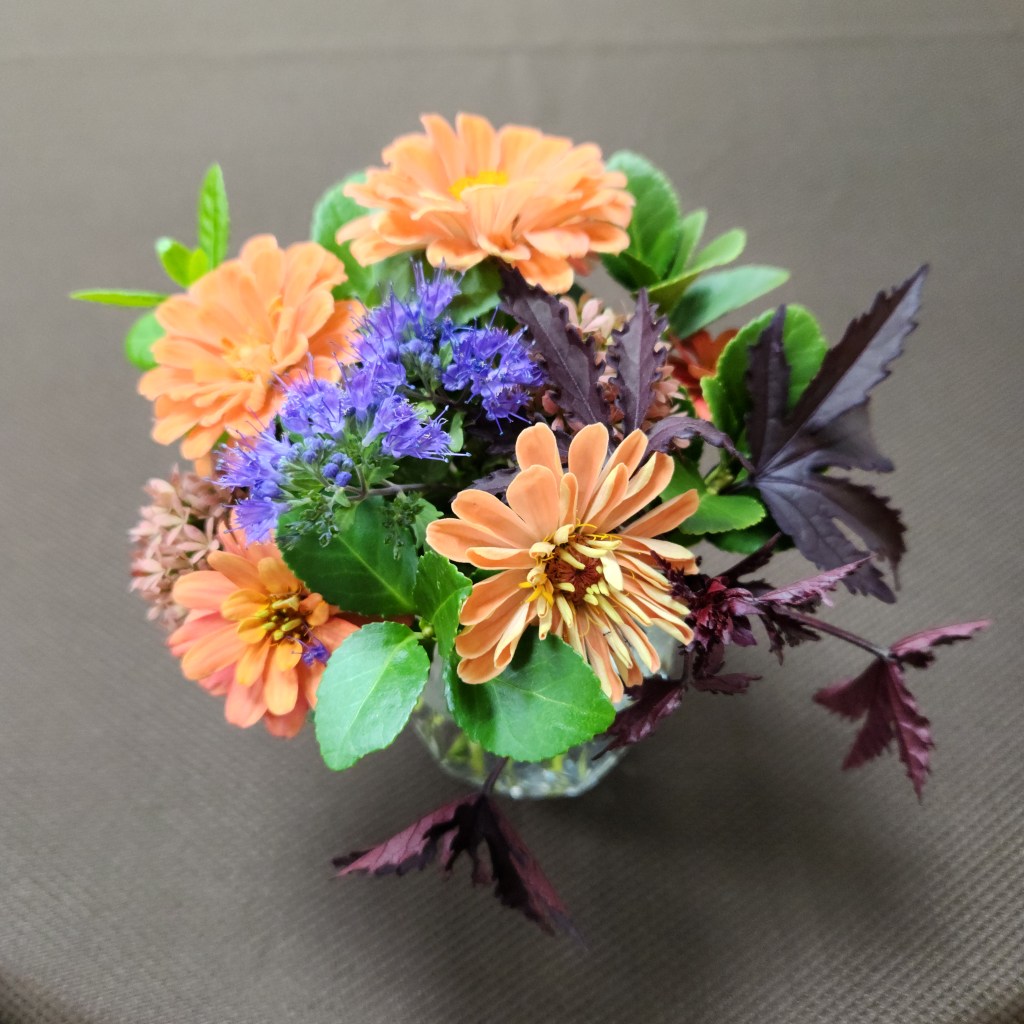
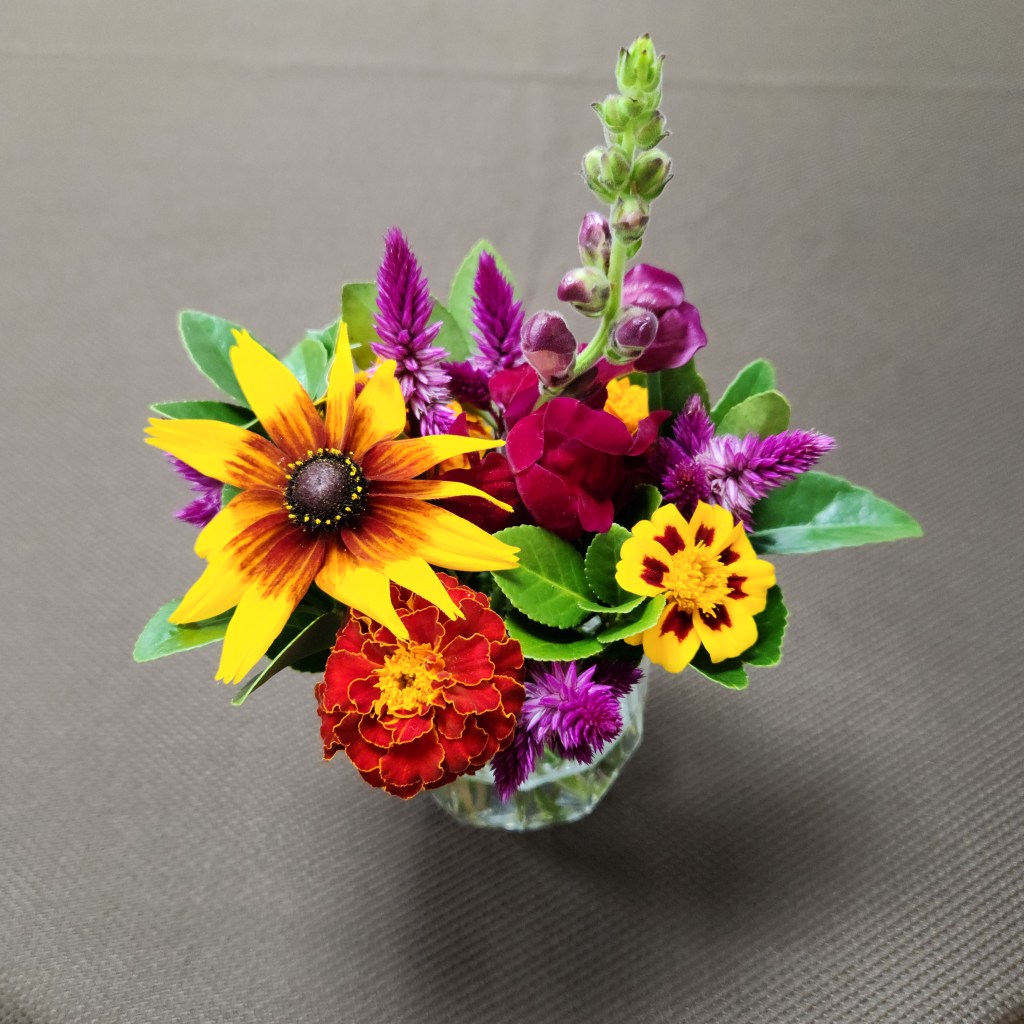
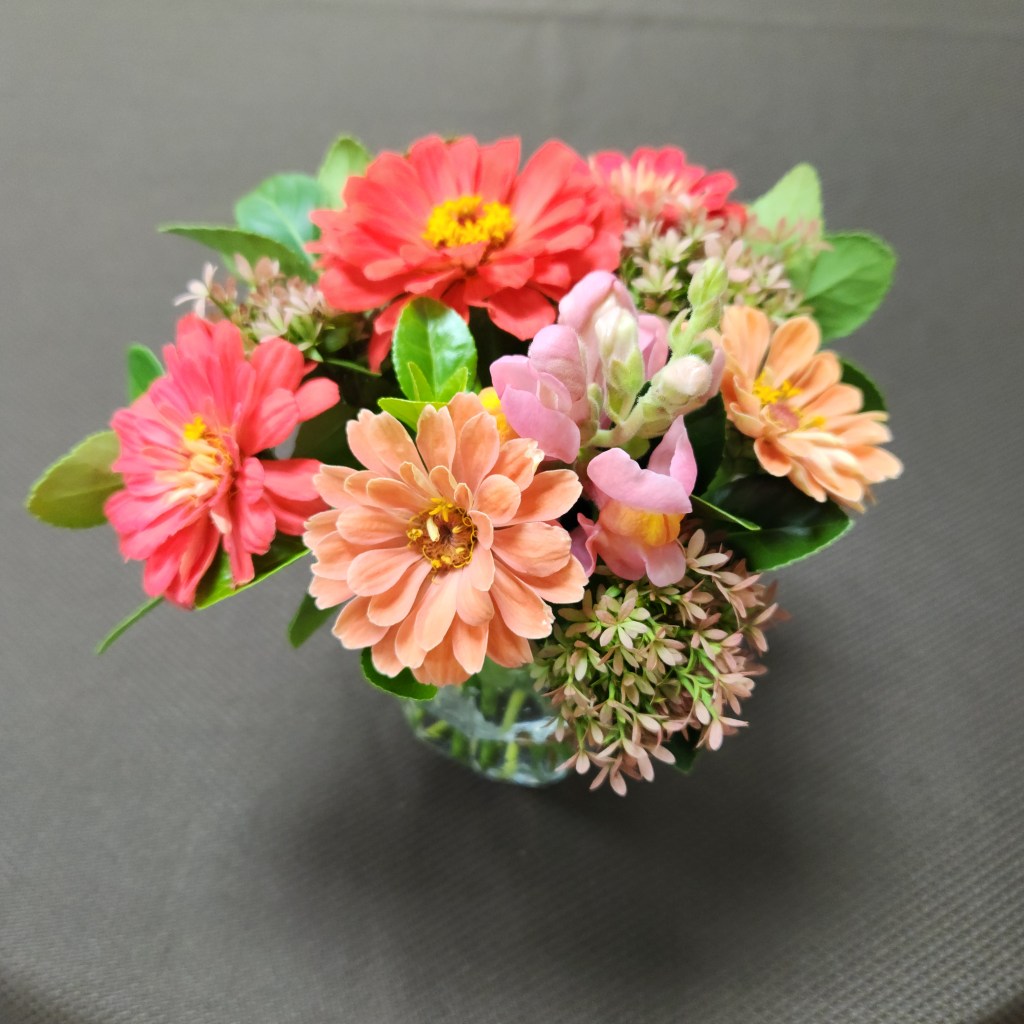

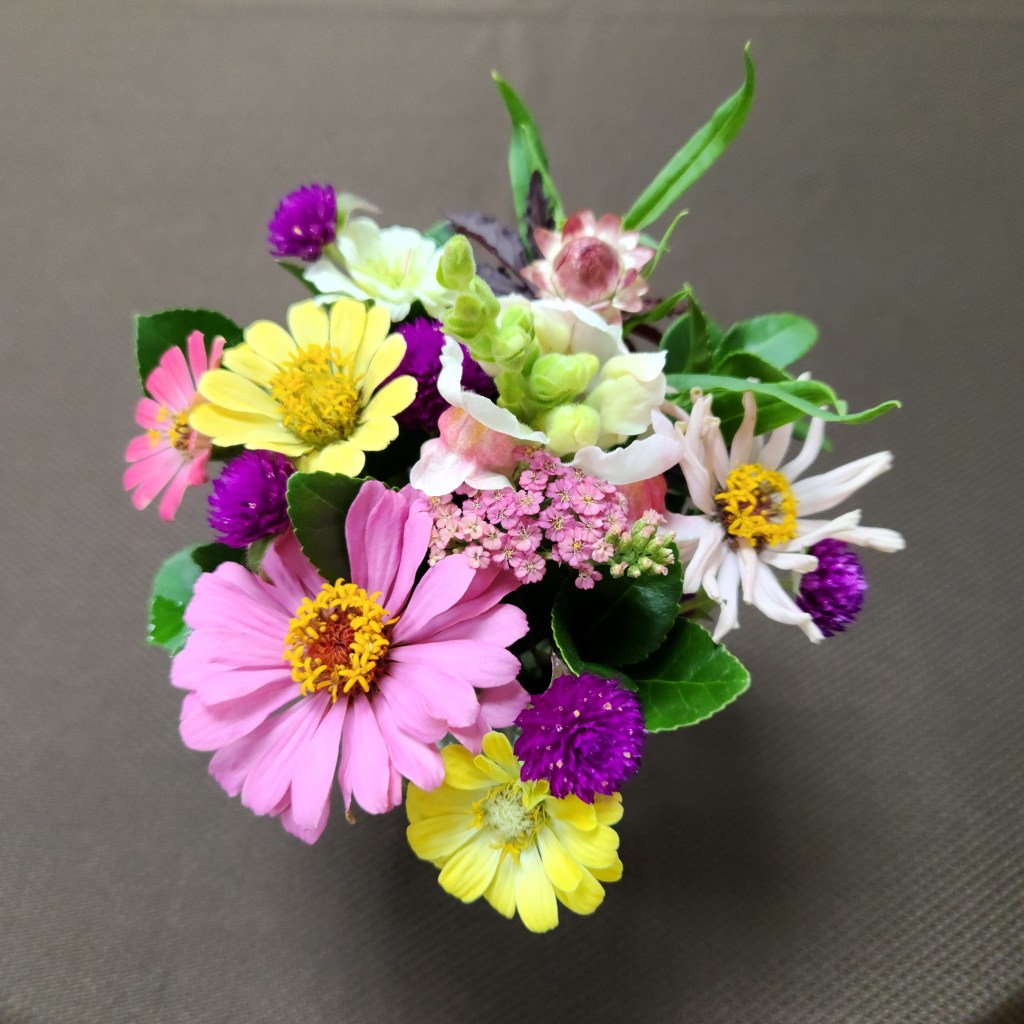

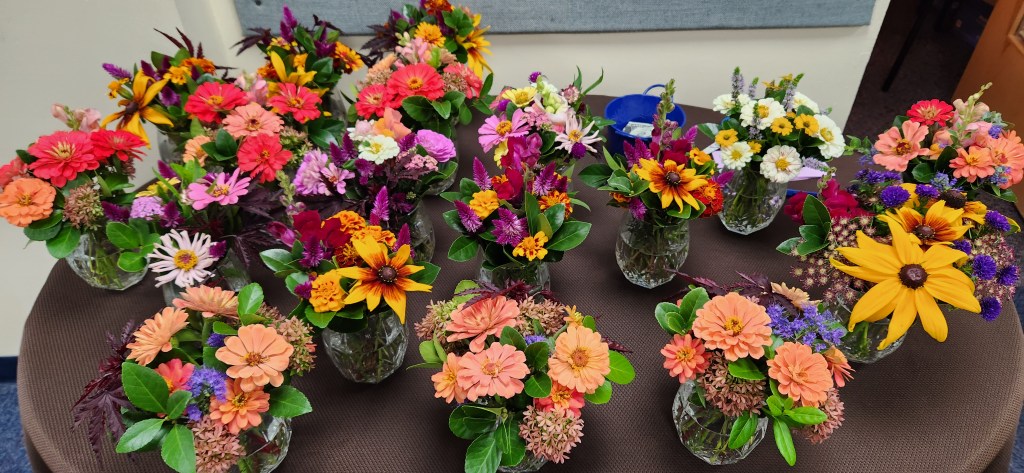
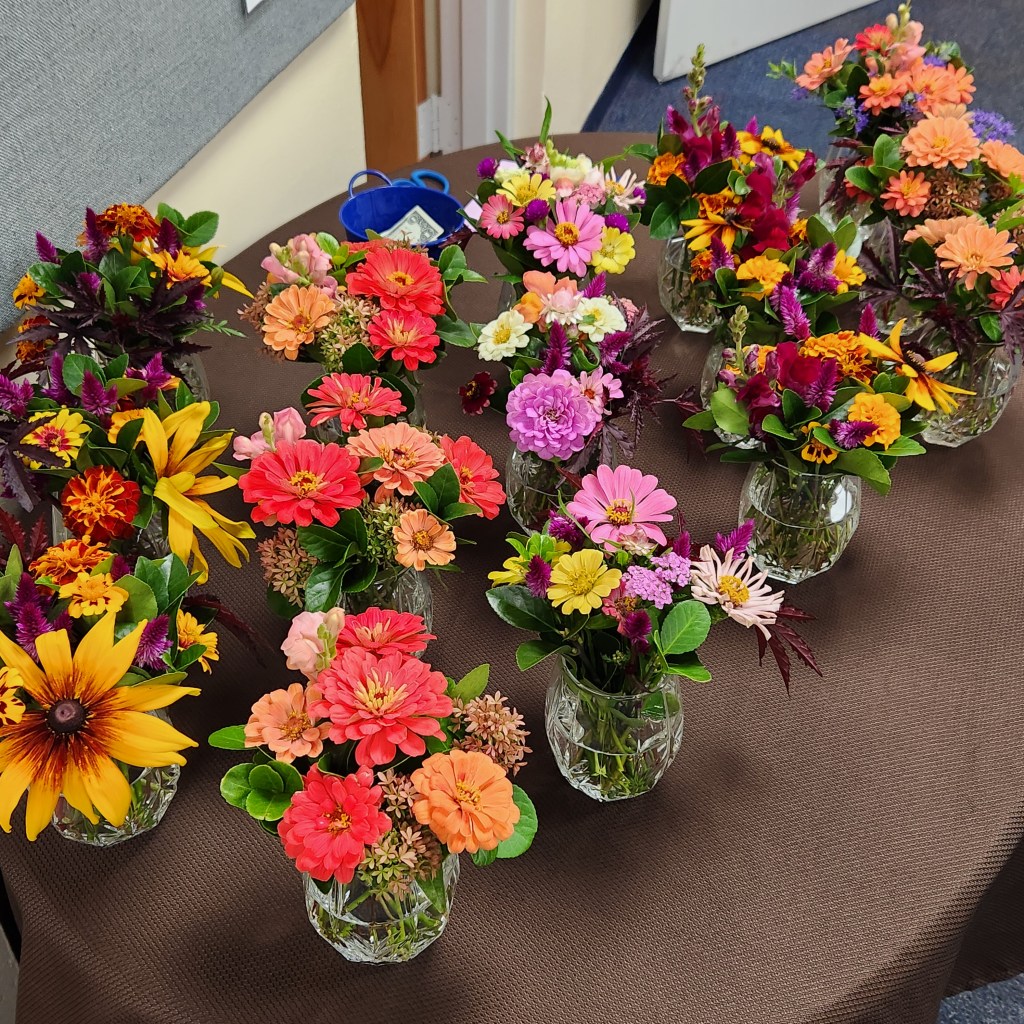
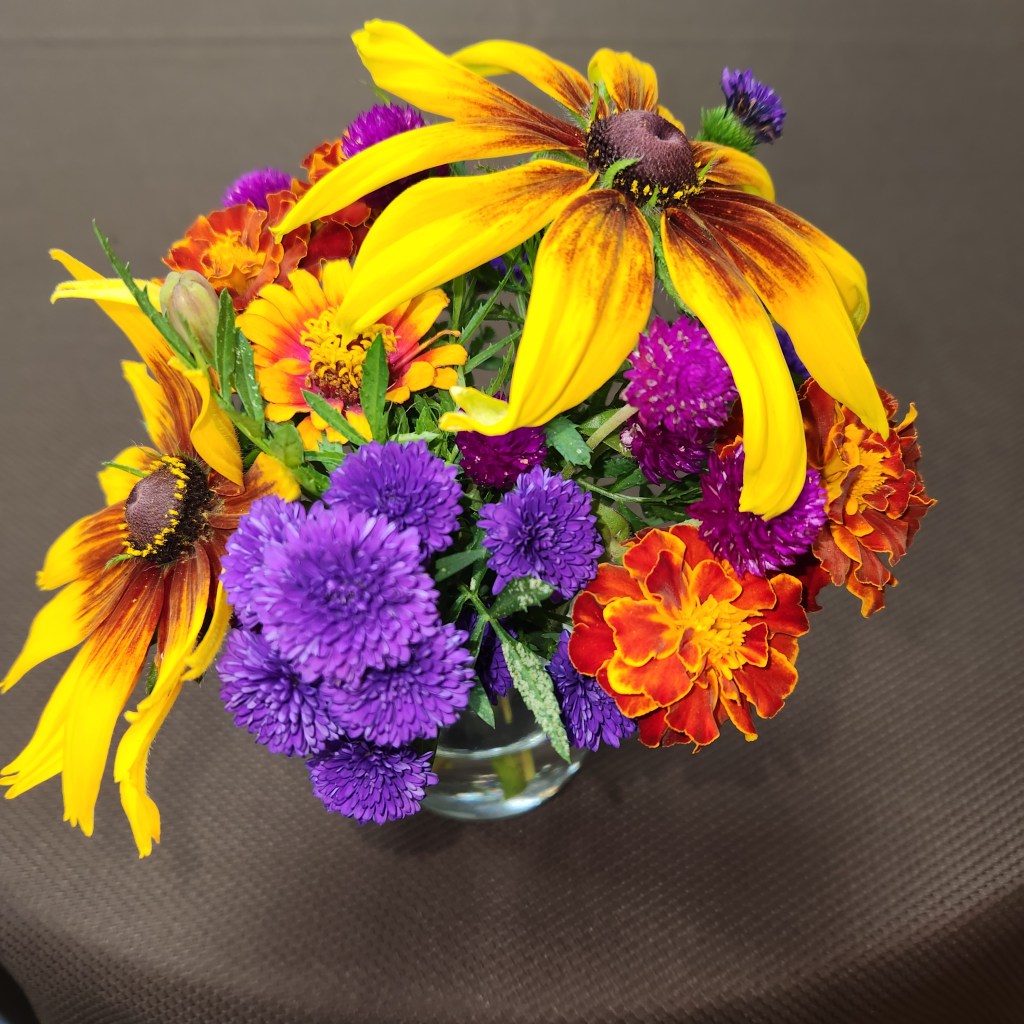
When I looked across the flower beds Thursday morning, I hardly saw any color after Tuesday’s harvest… but then…
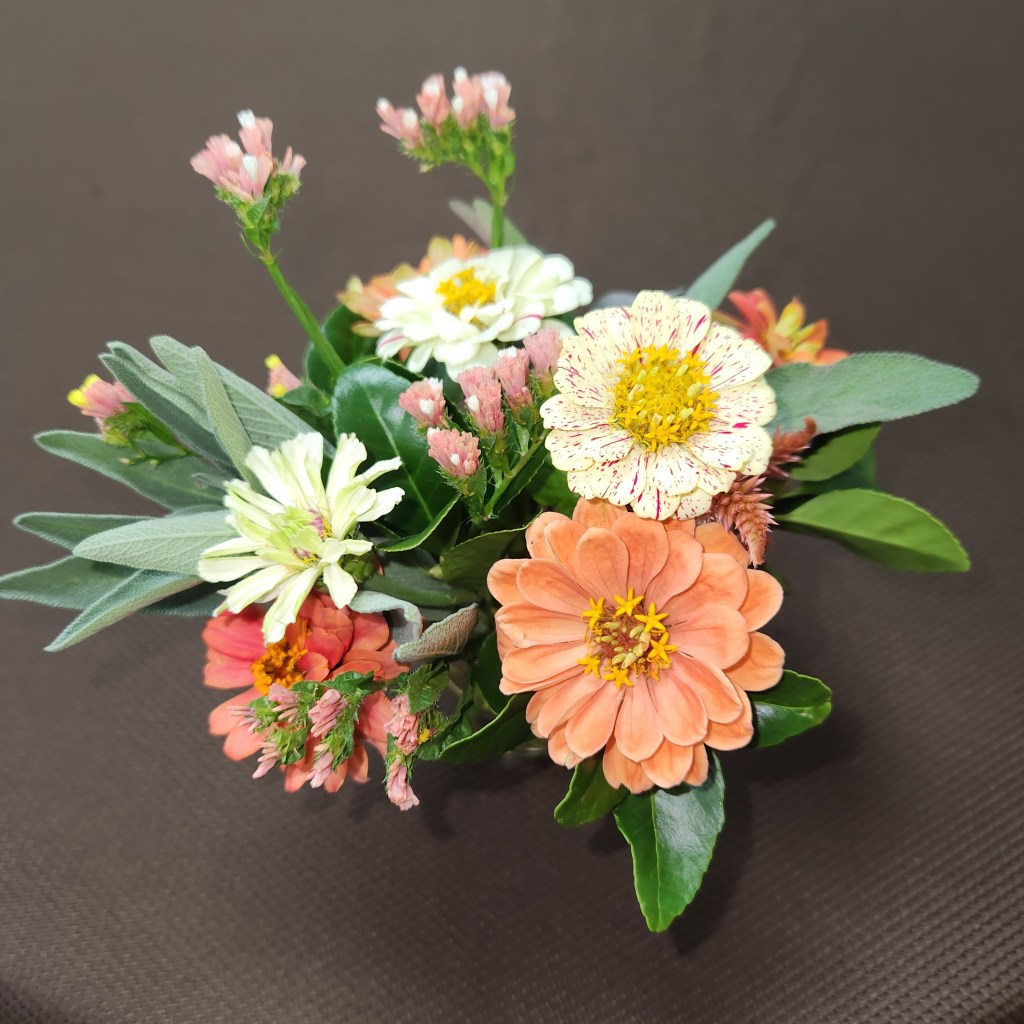
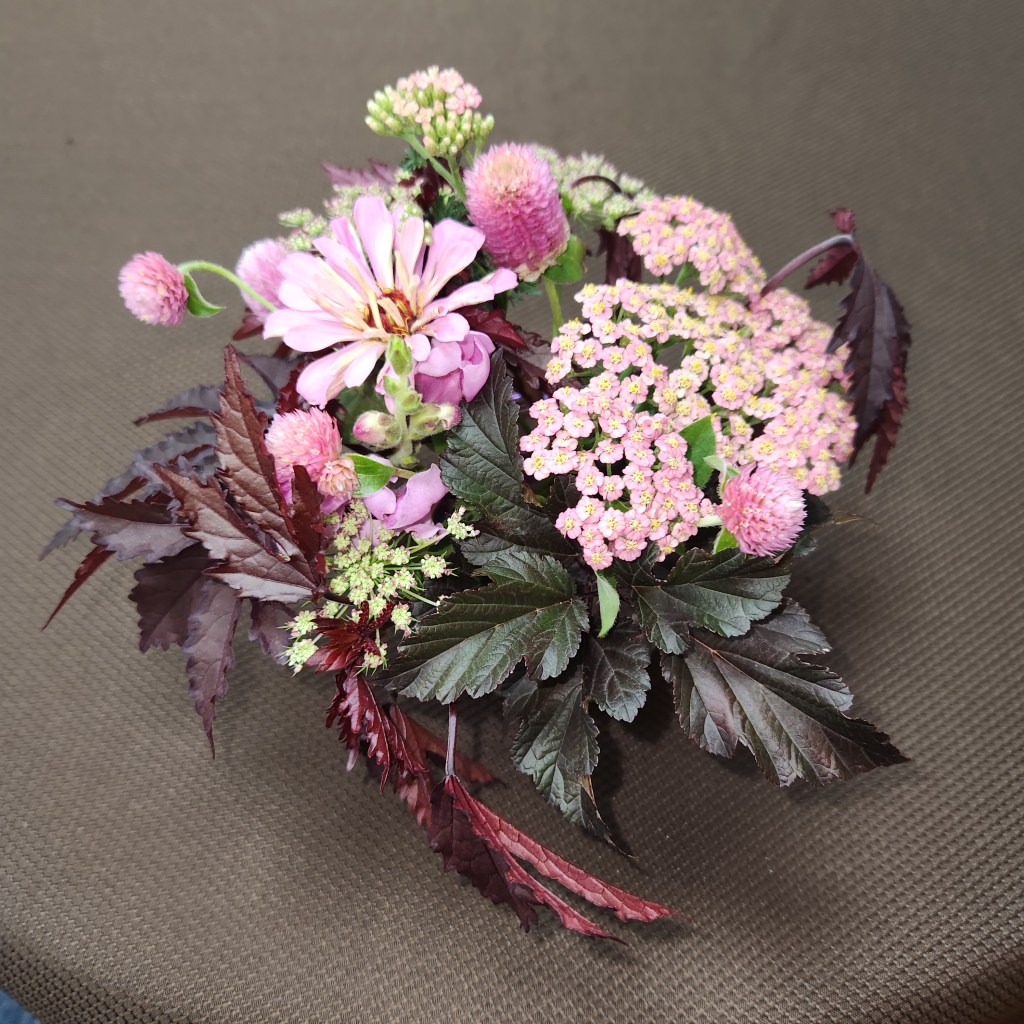
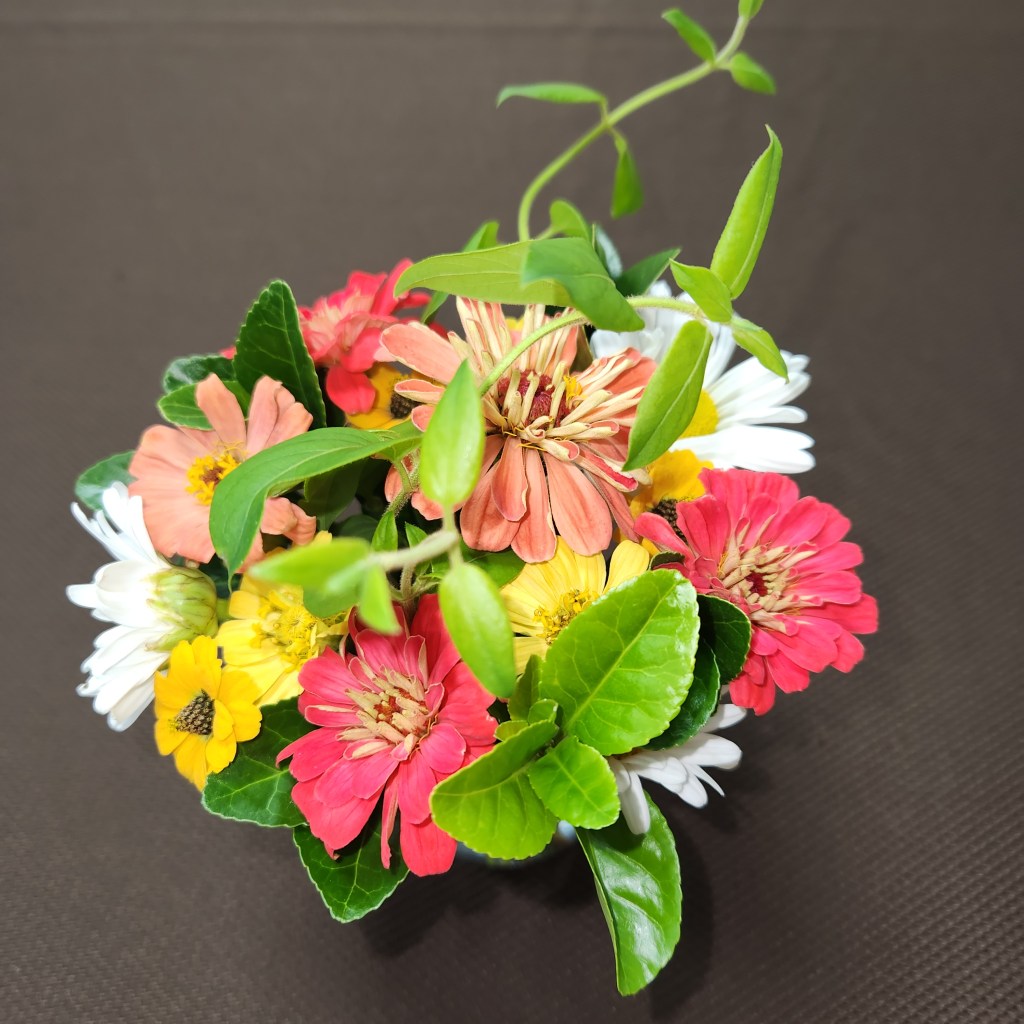
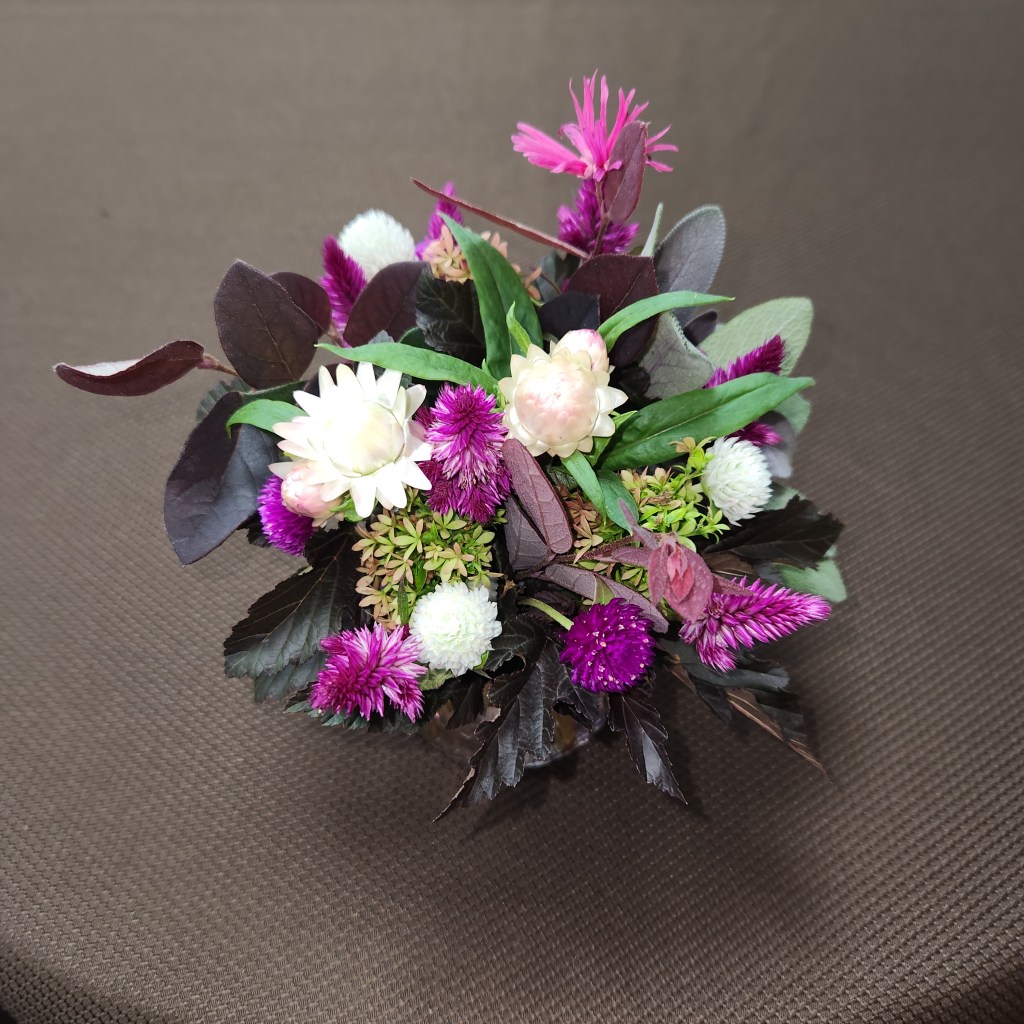
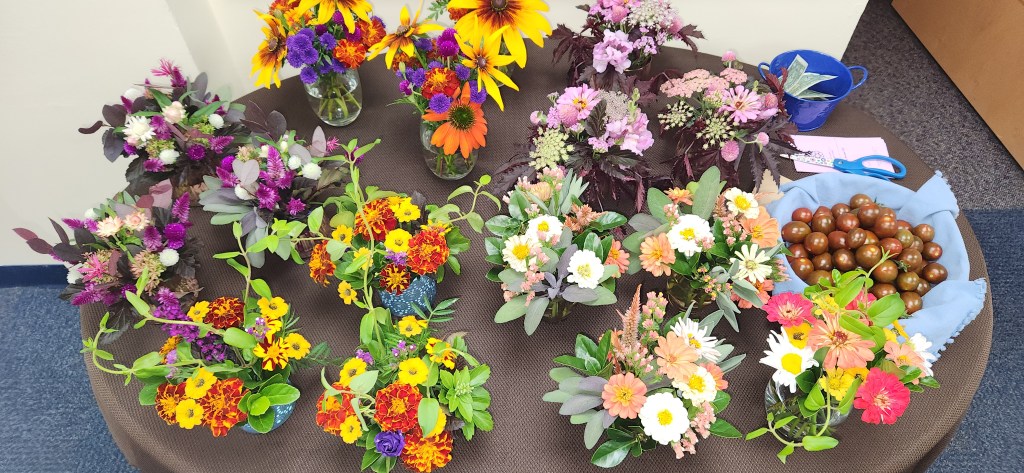
And finally, I got to share some tomatoes! Chocolate Sprinkles are my favorite.
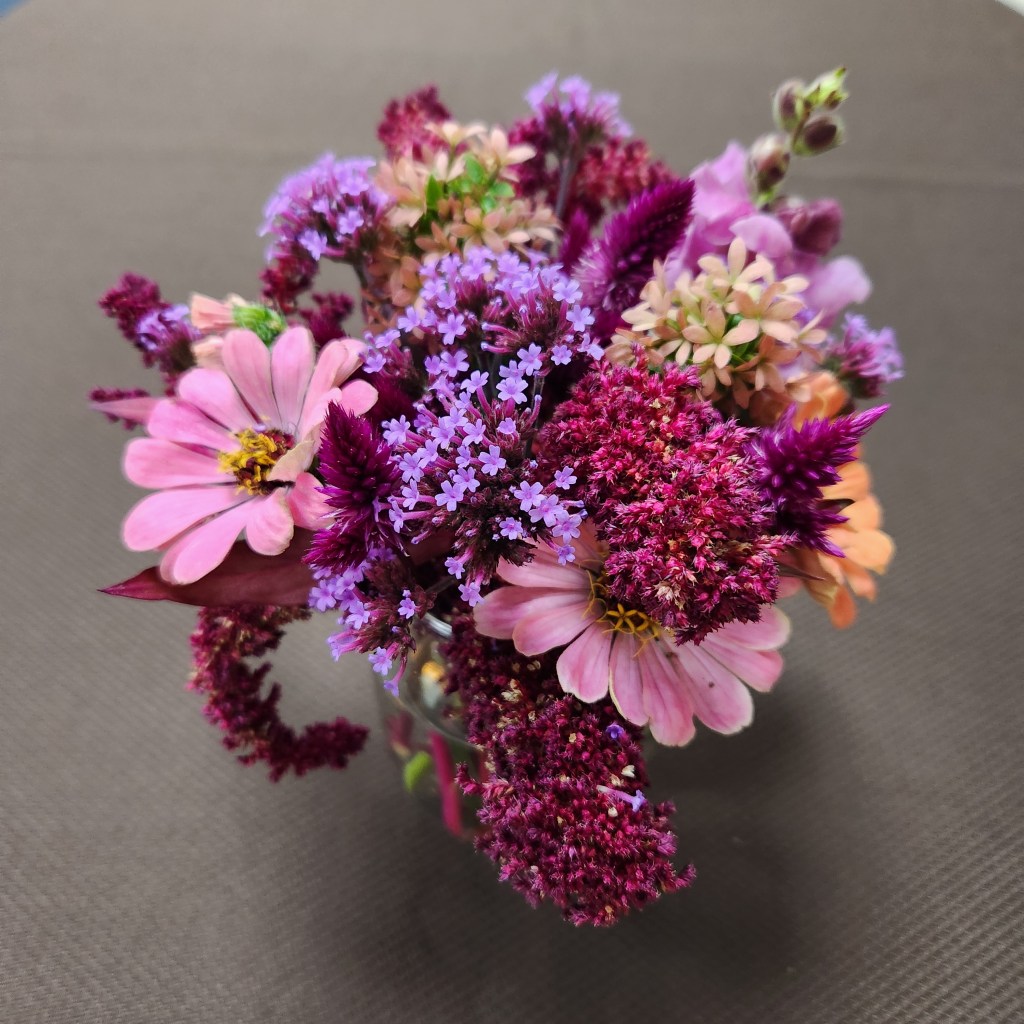
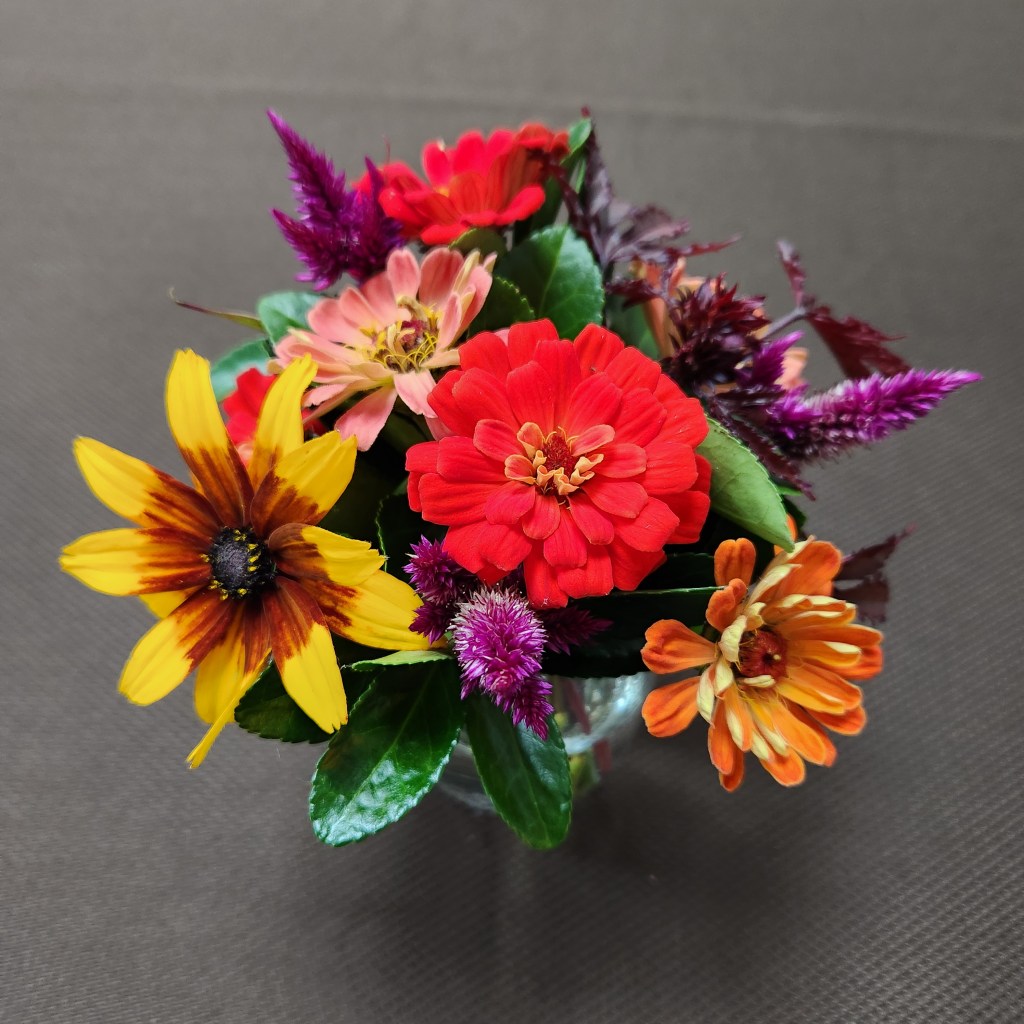
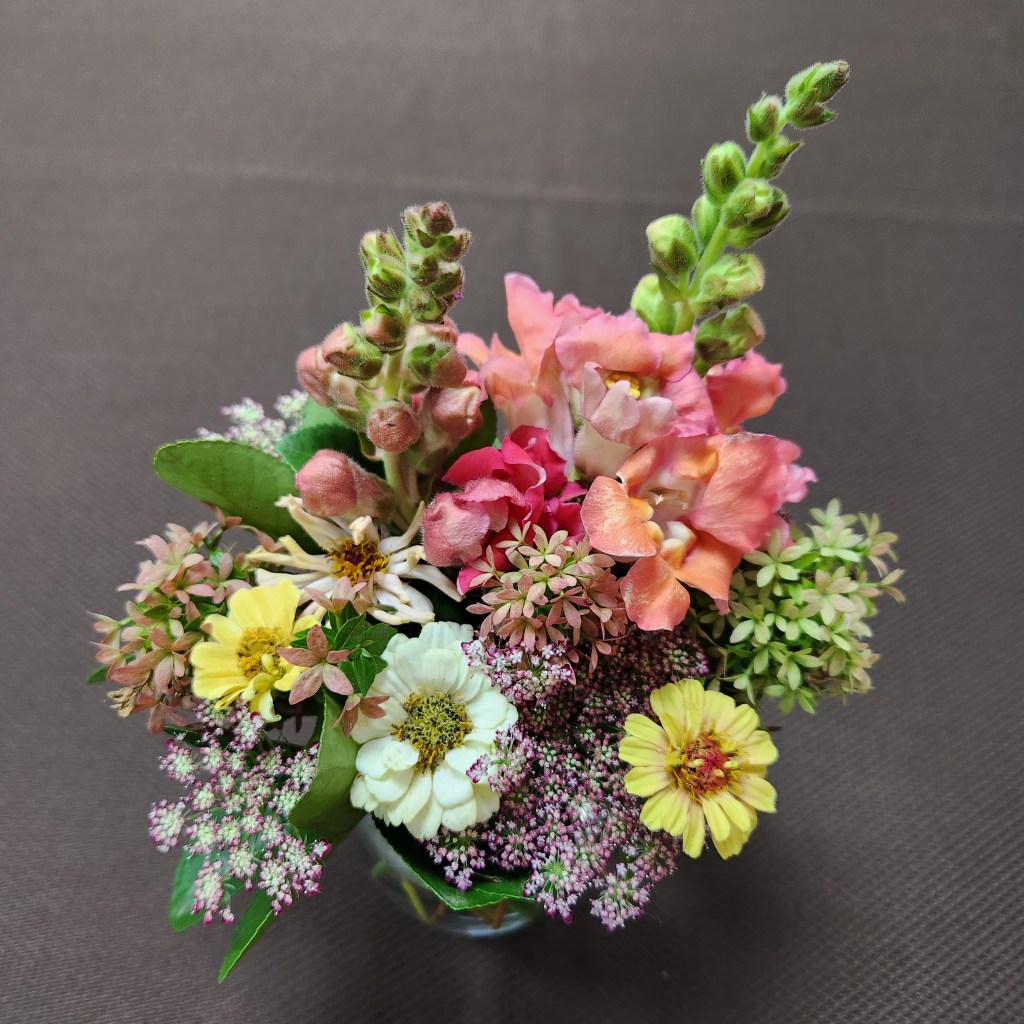

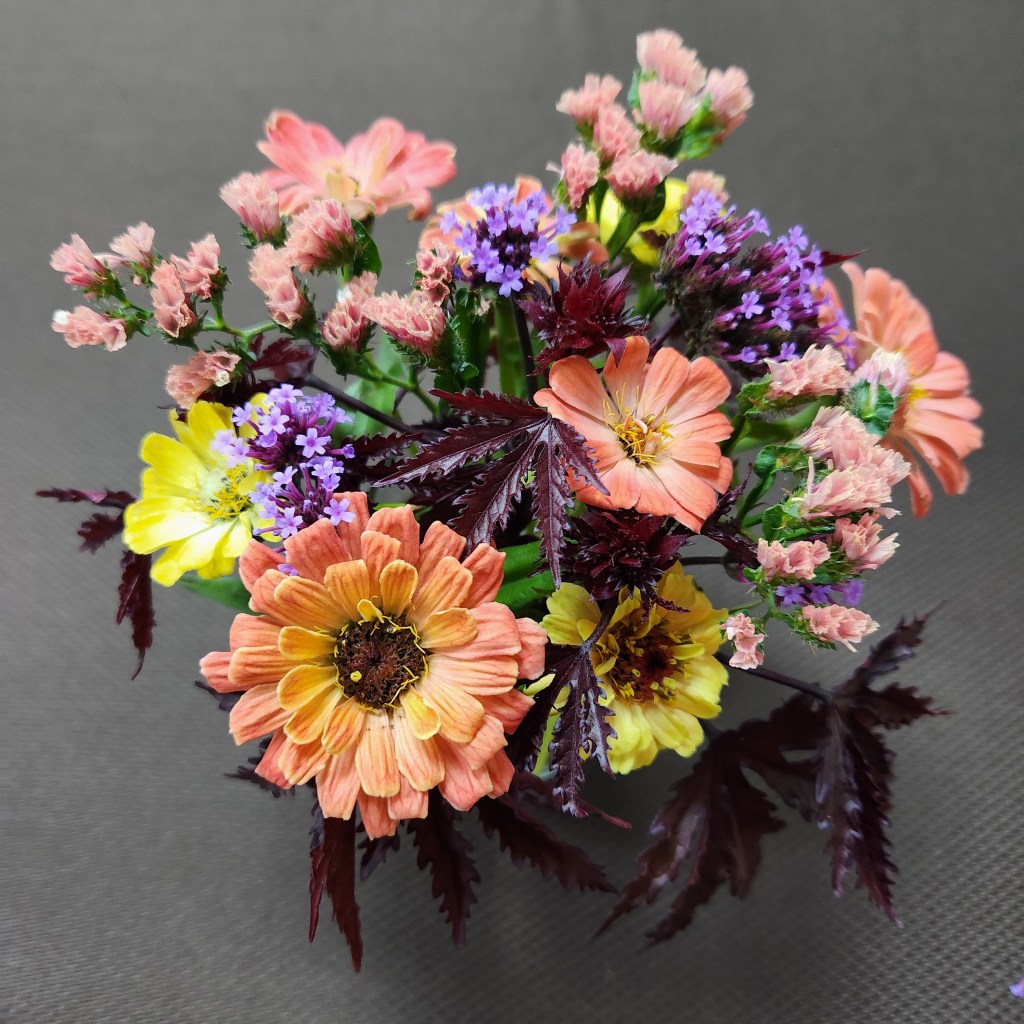
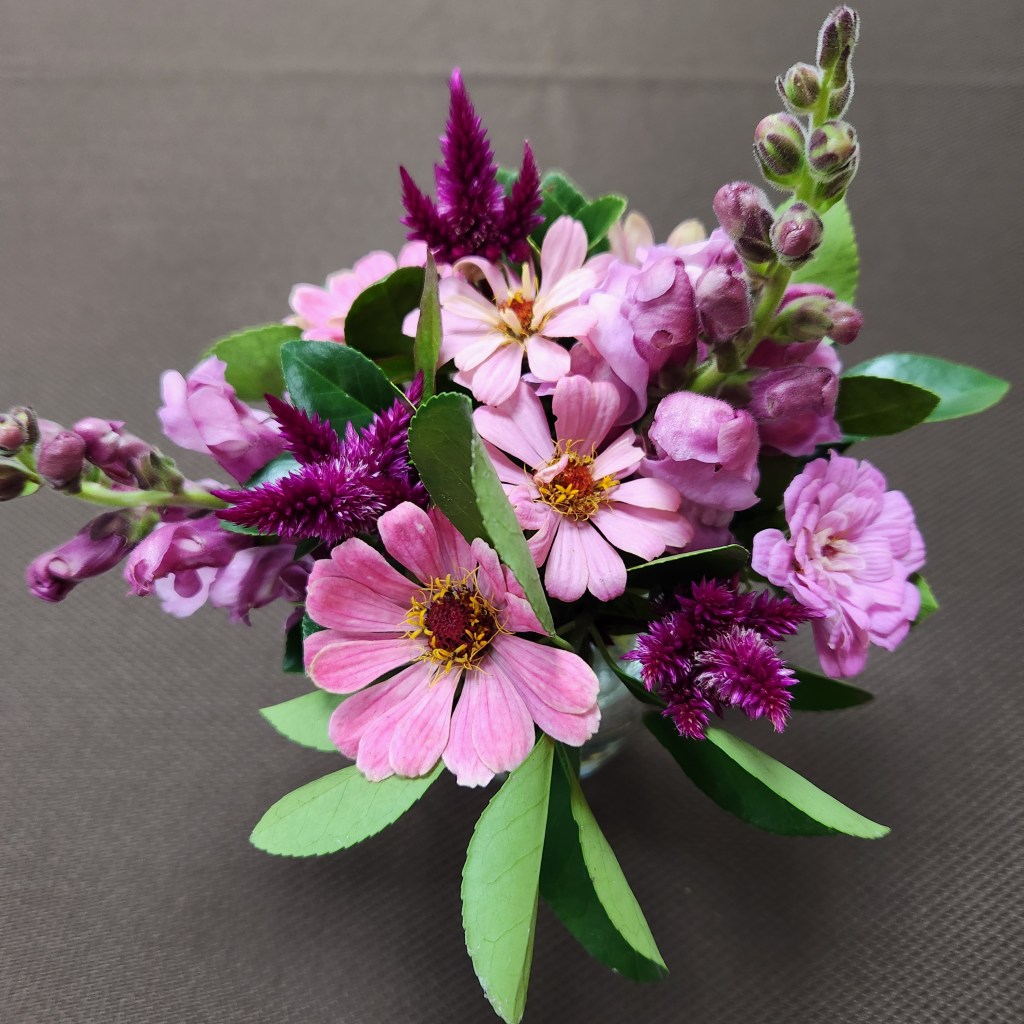
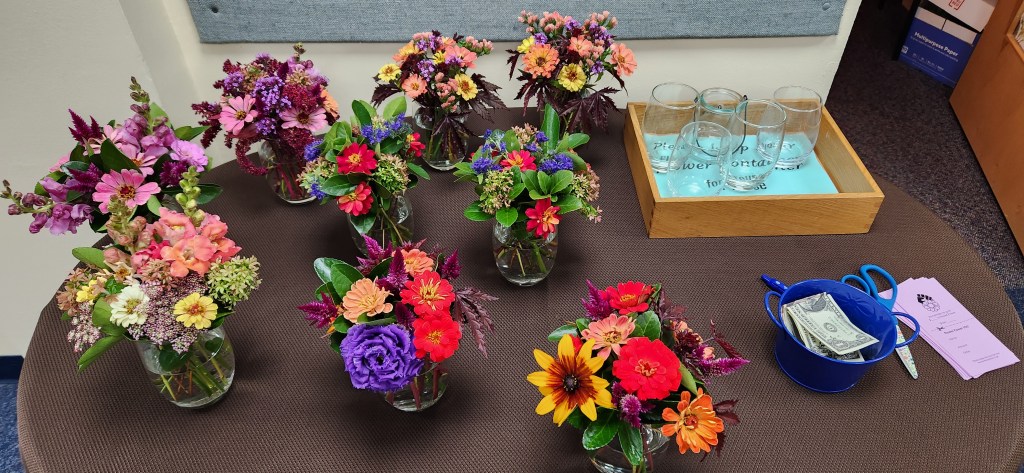
Flowers for a Guud Yontif
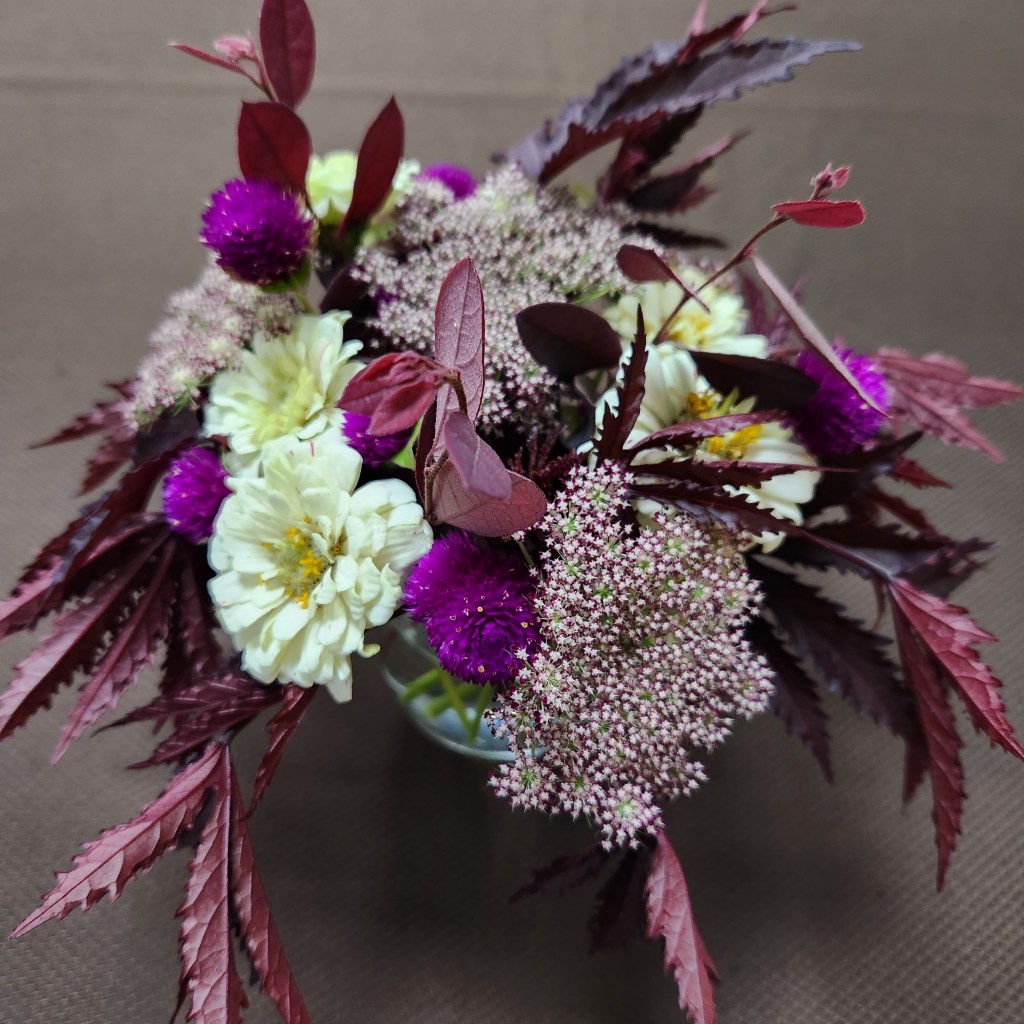
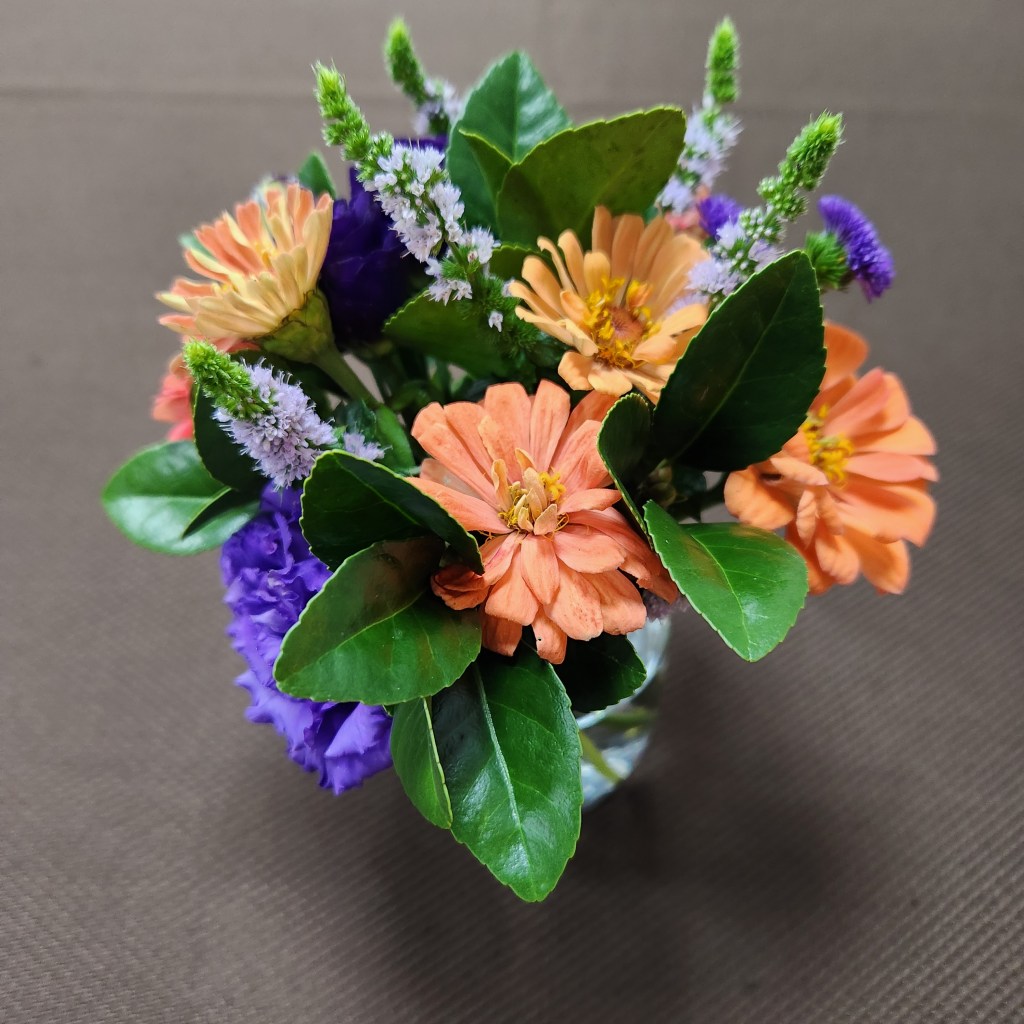
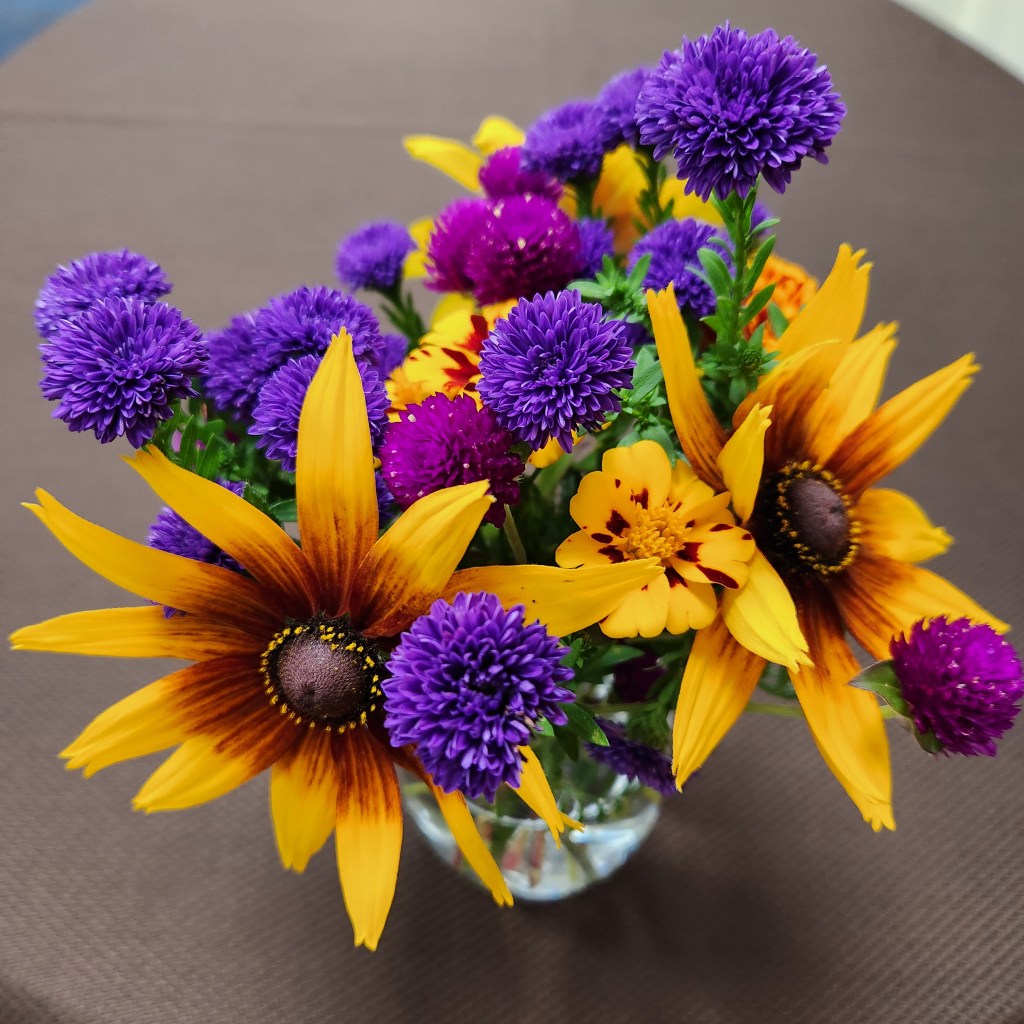
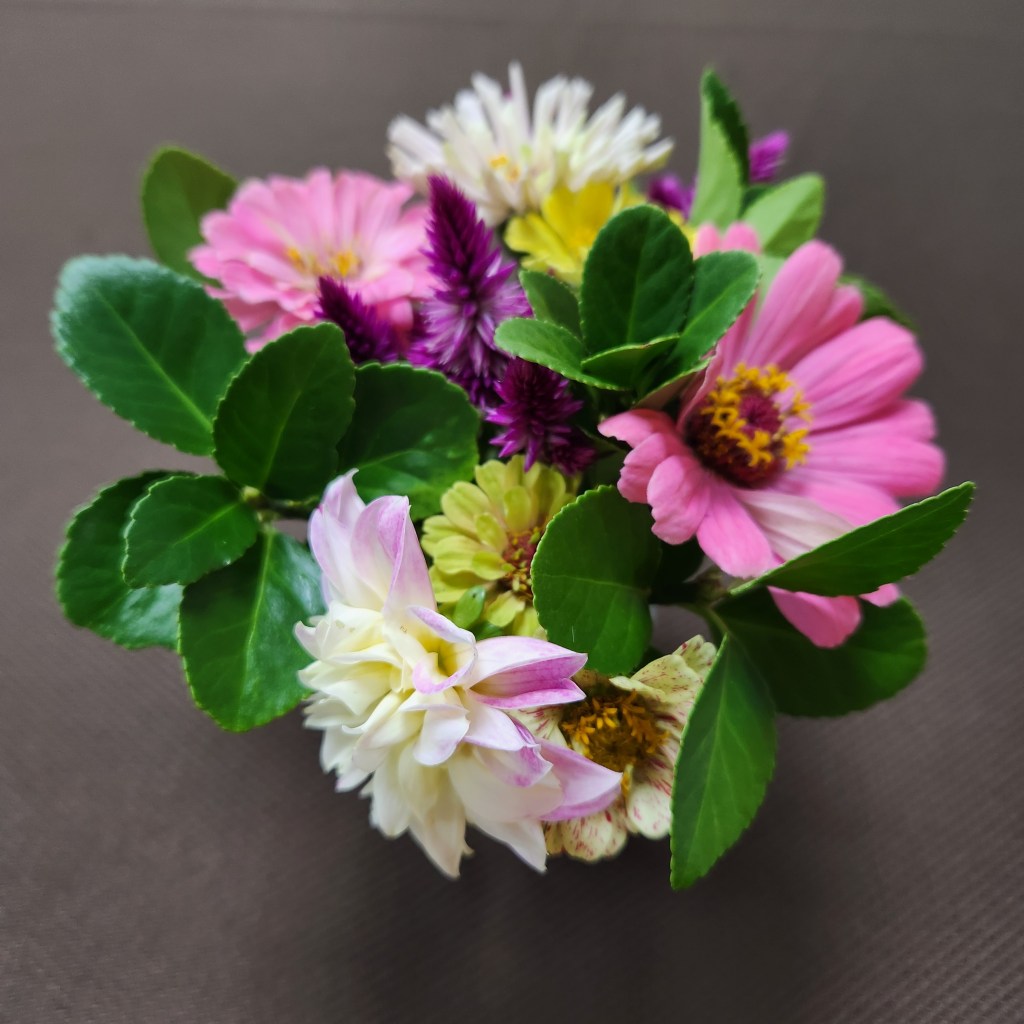
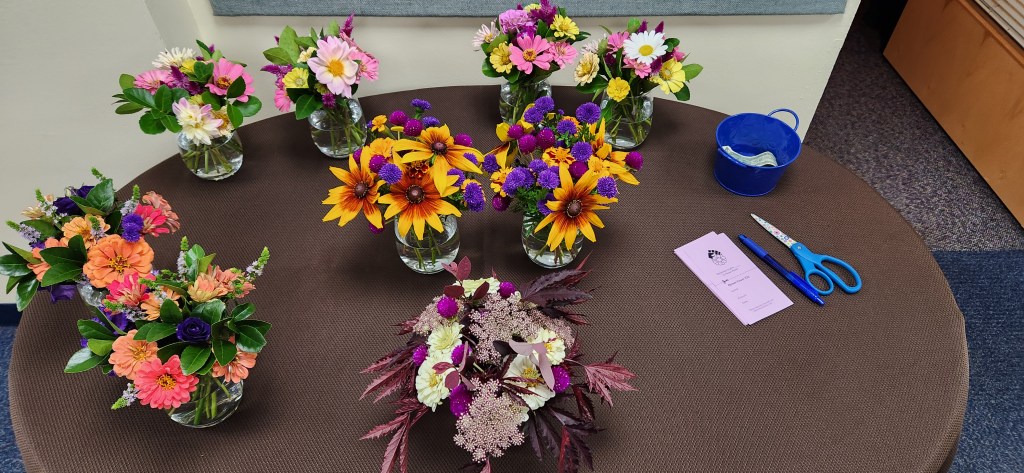
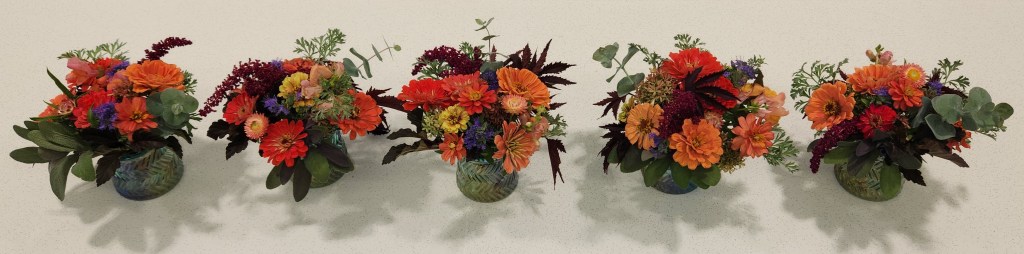
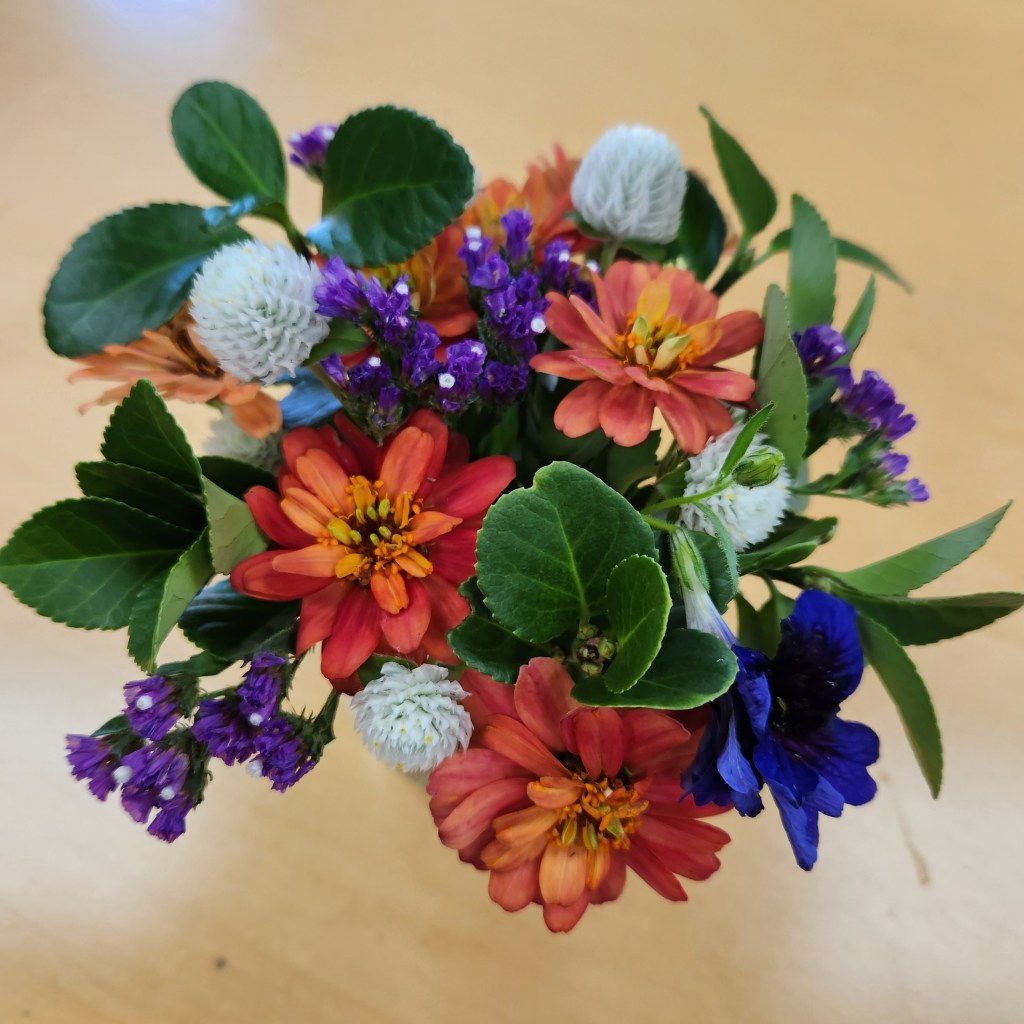
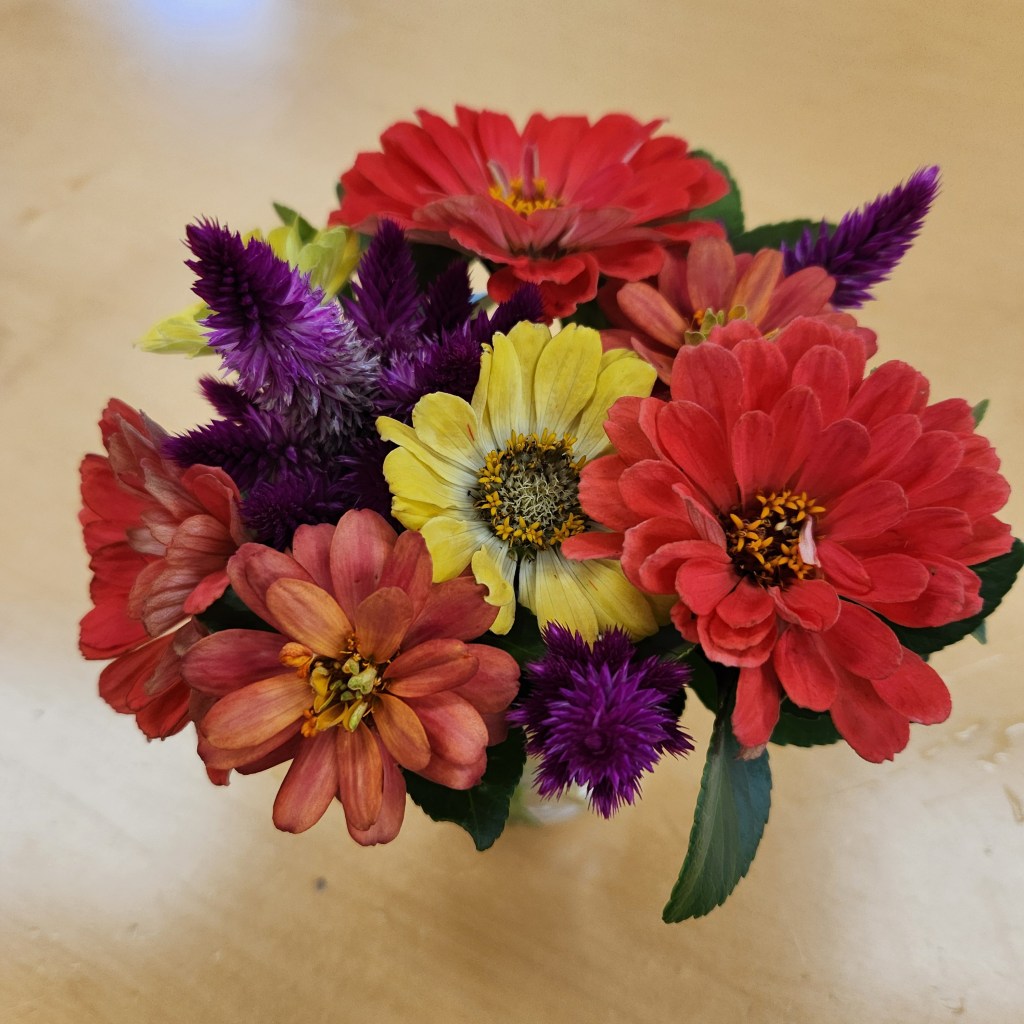
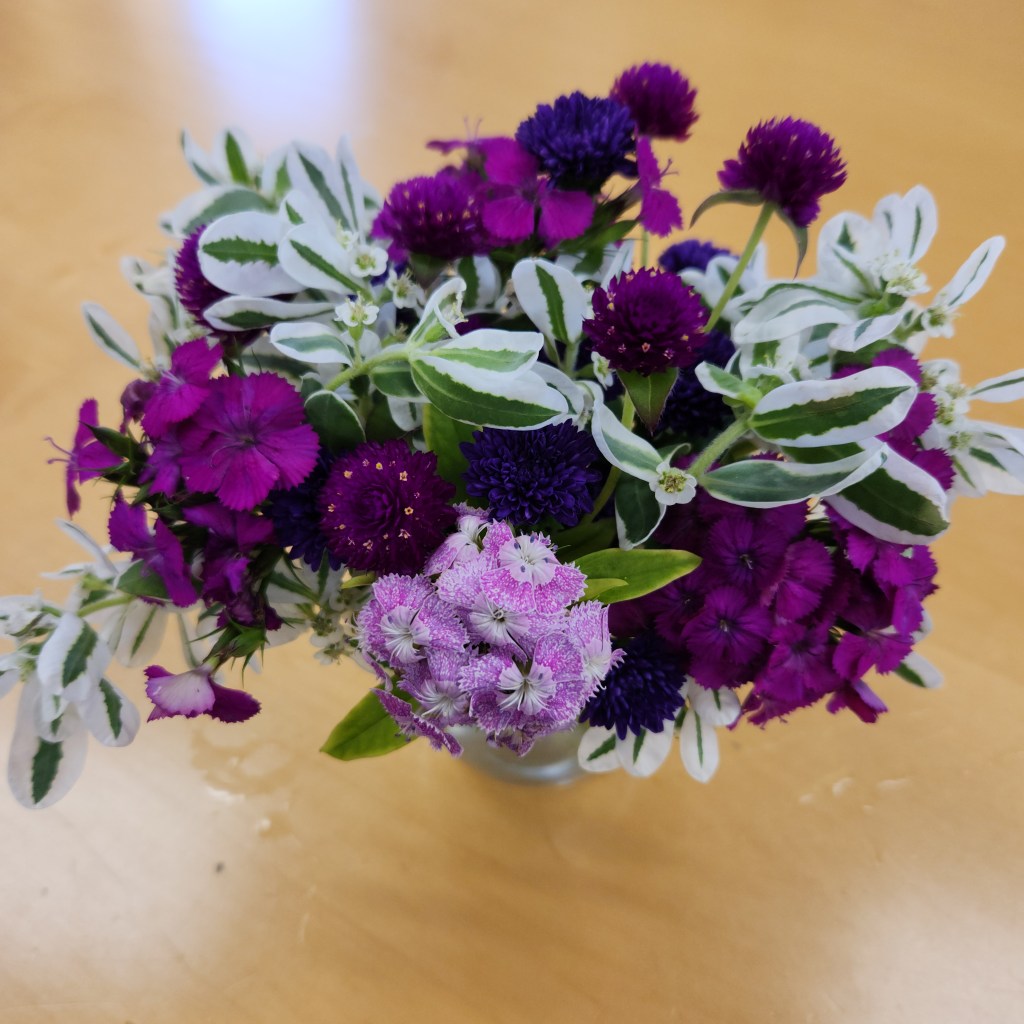
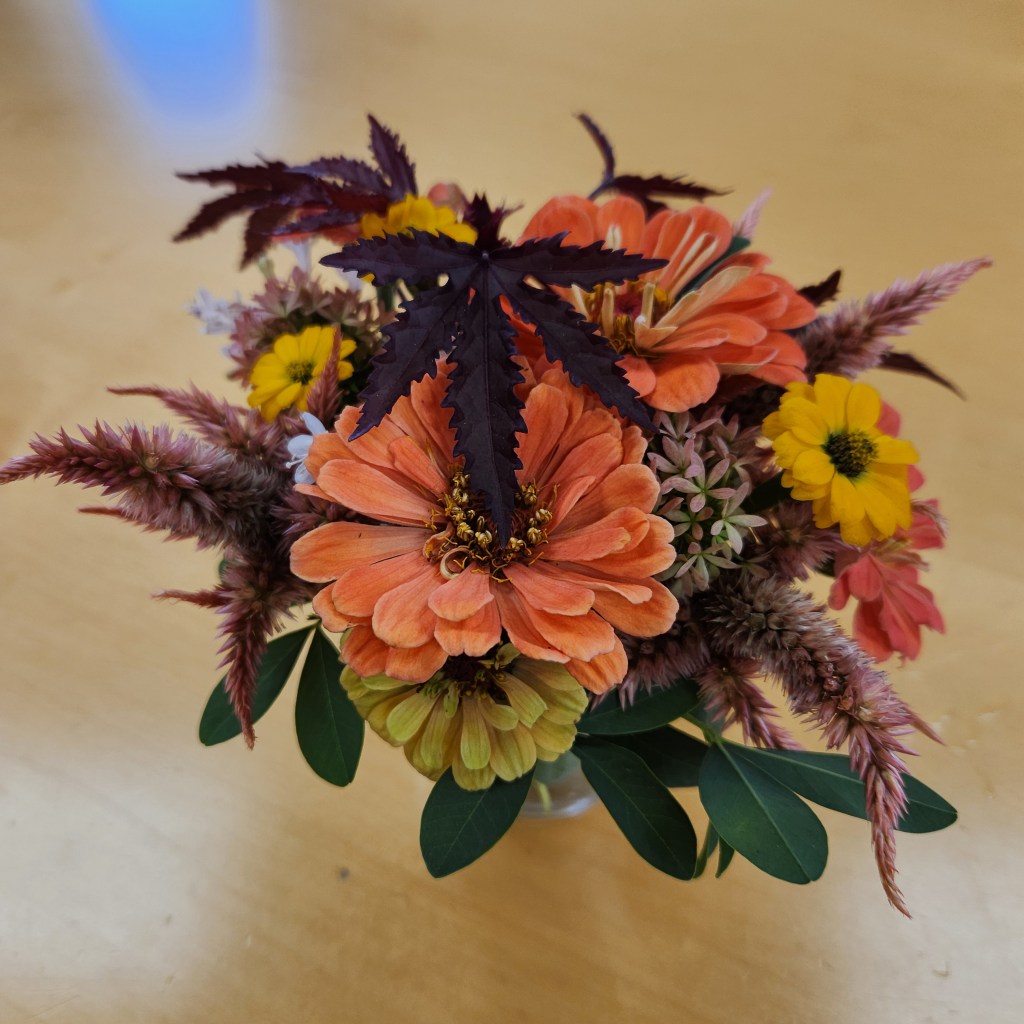
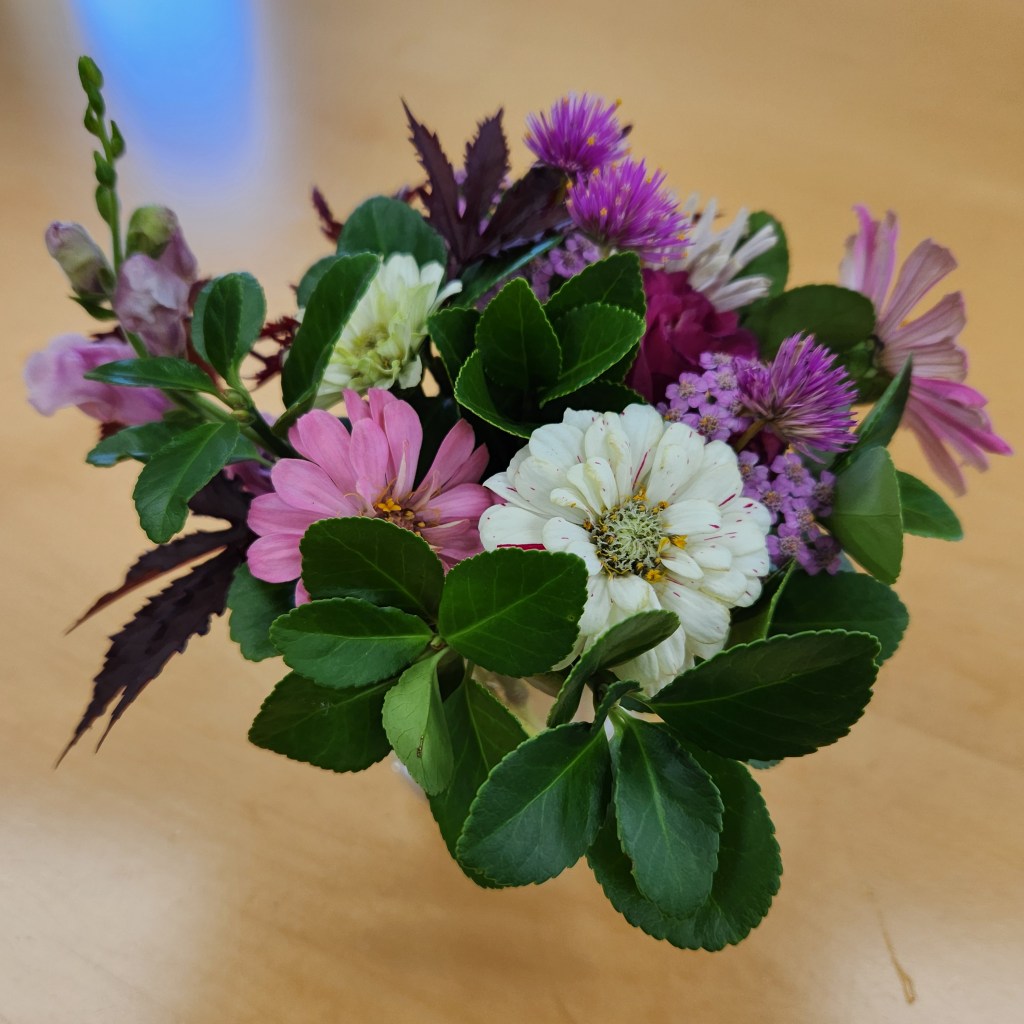
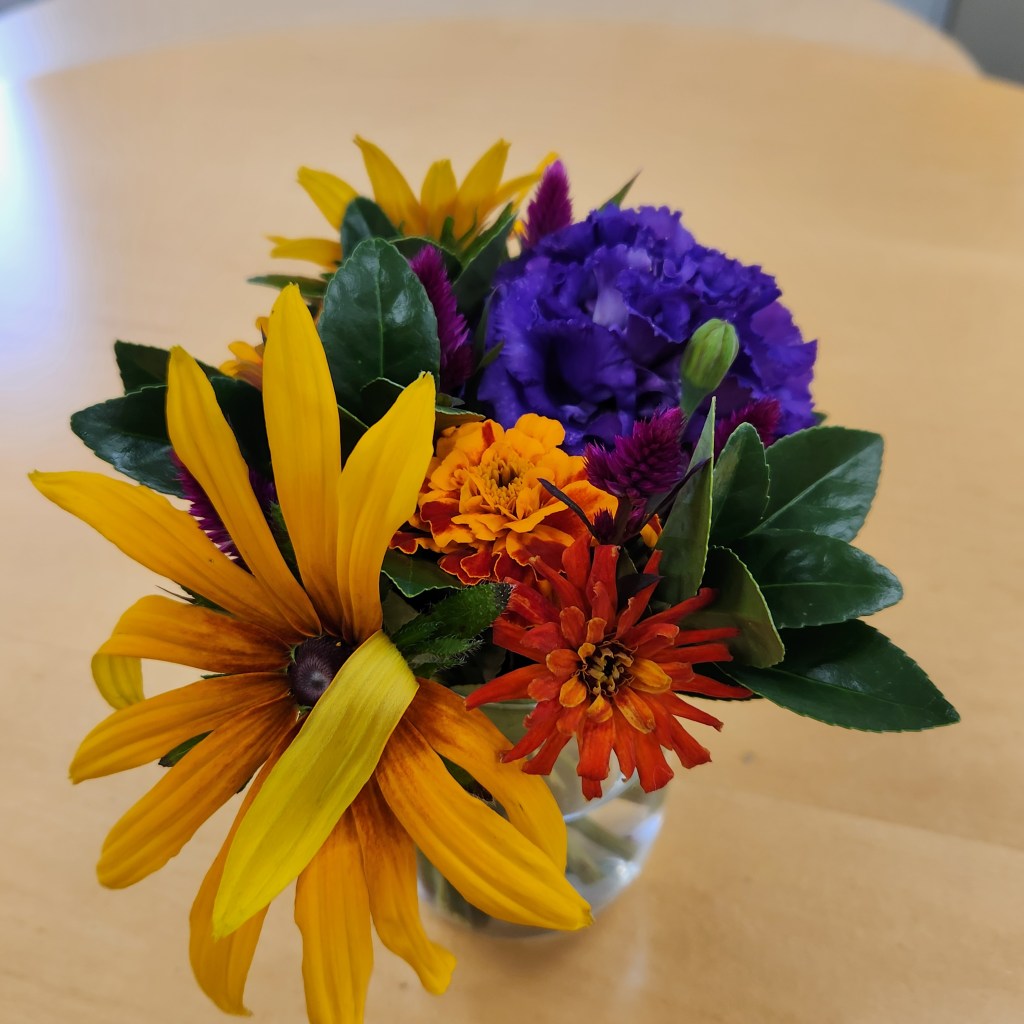
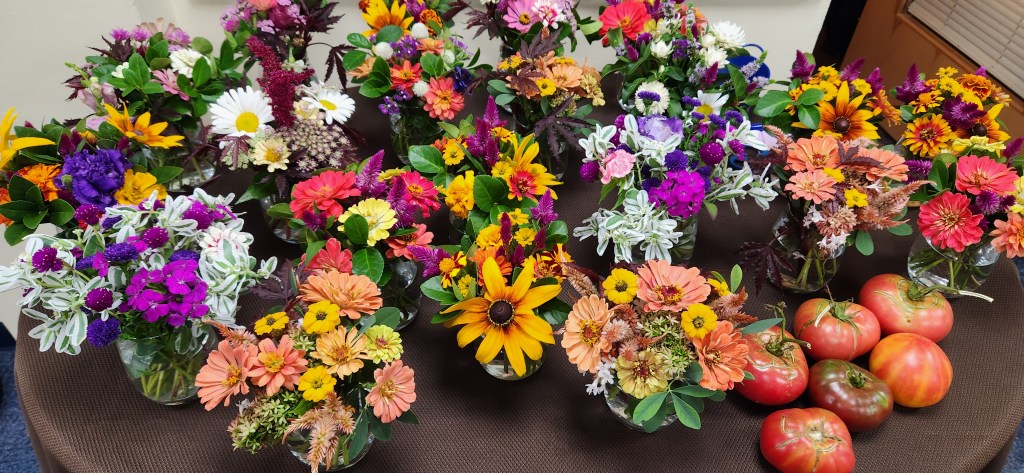
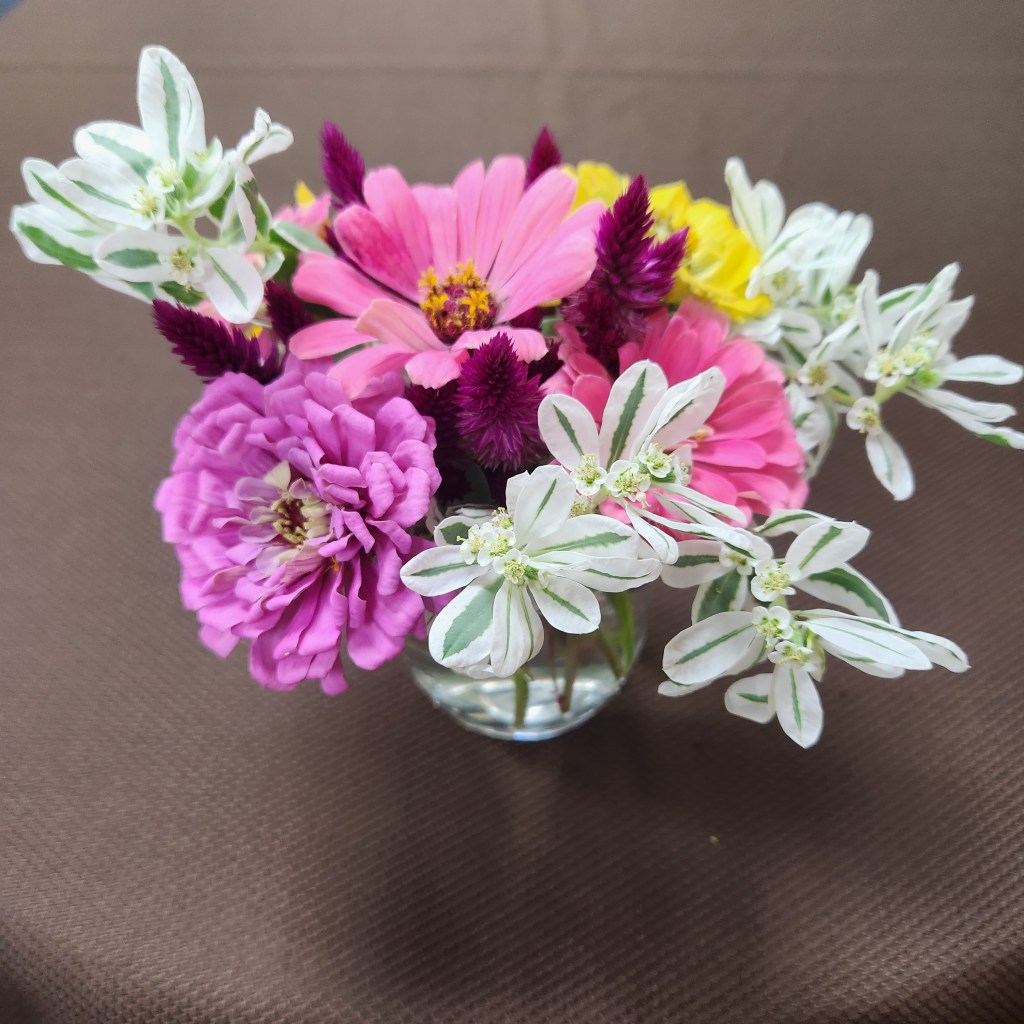
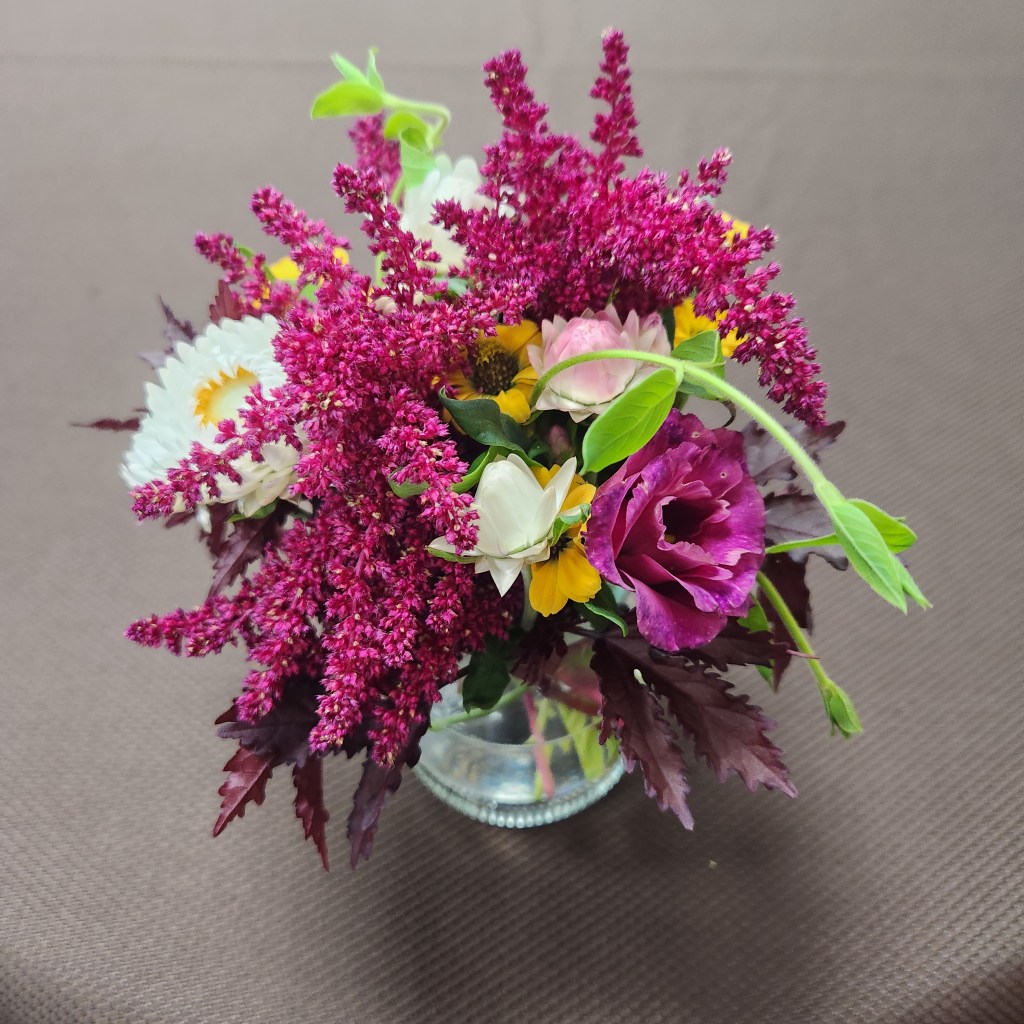
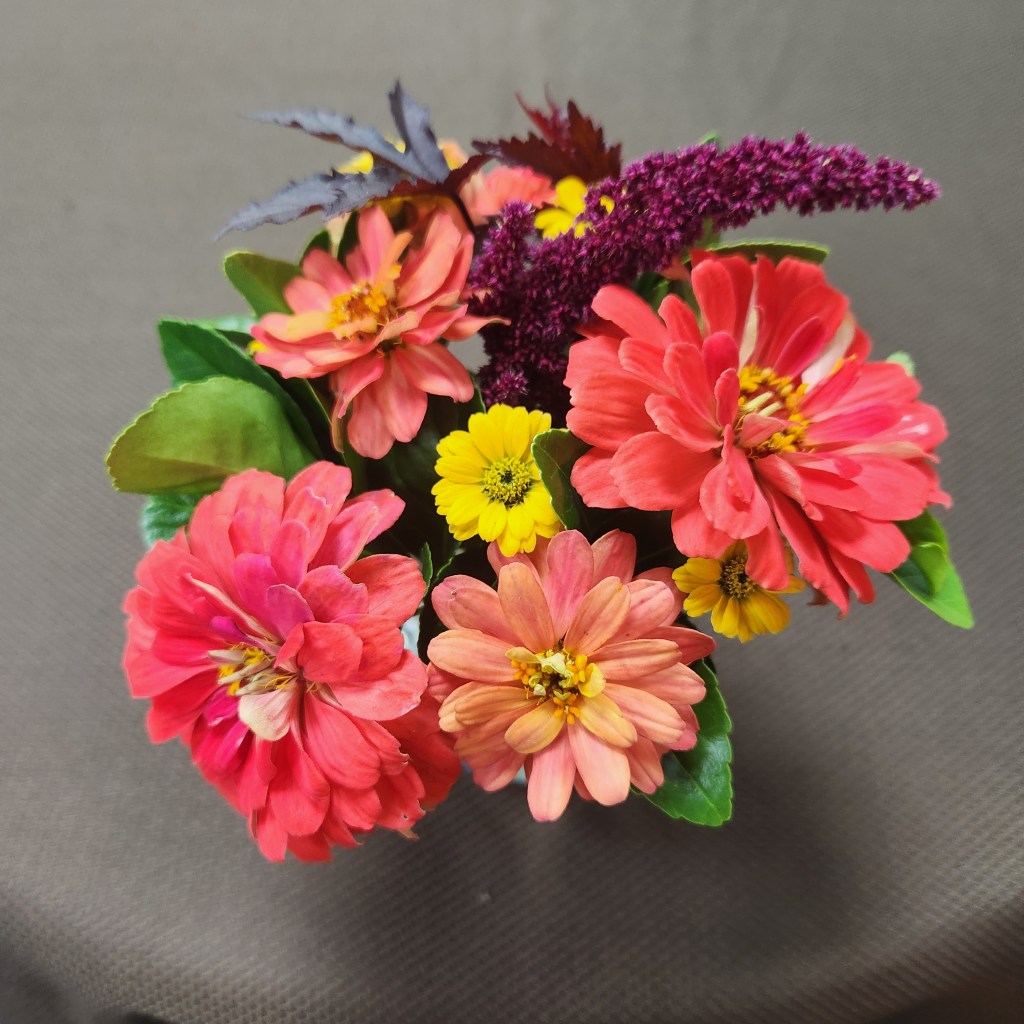

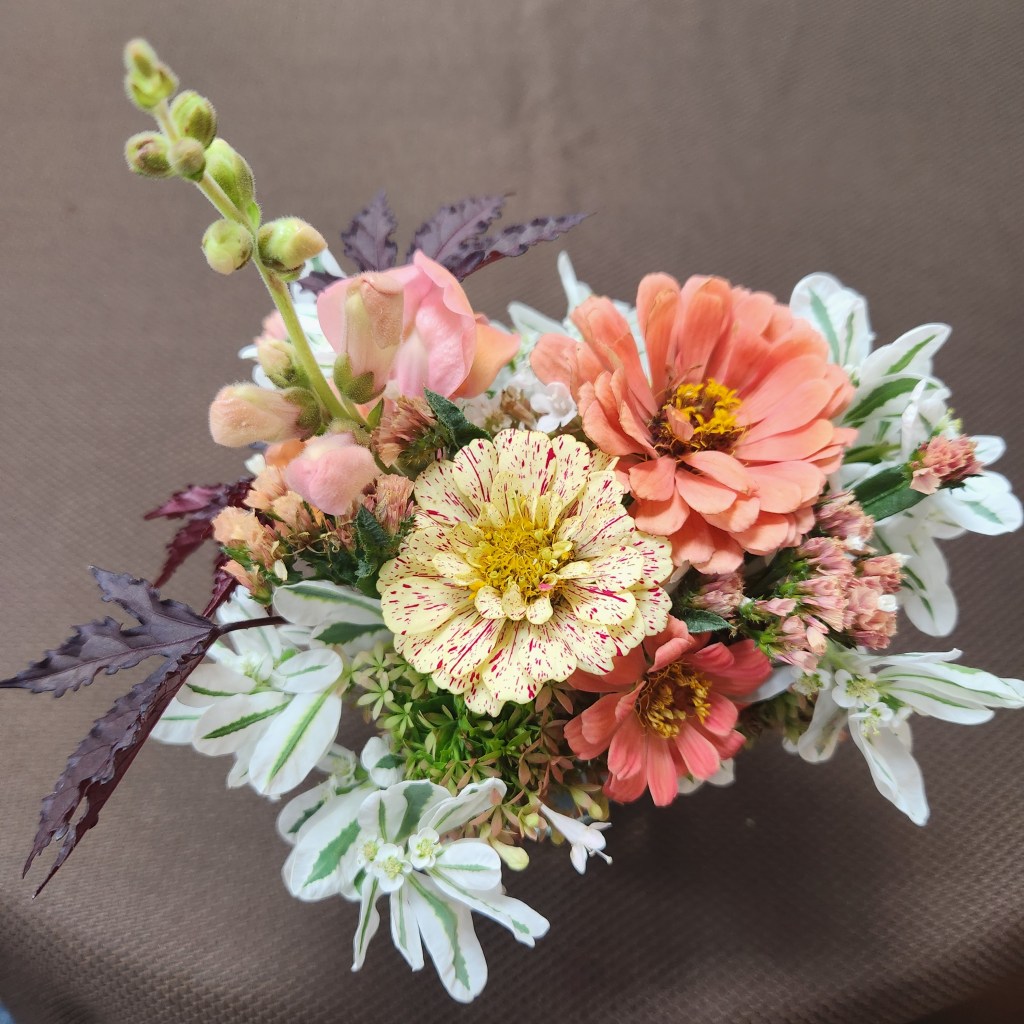
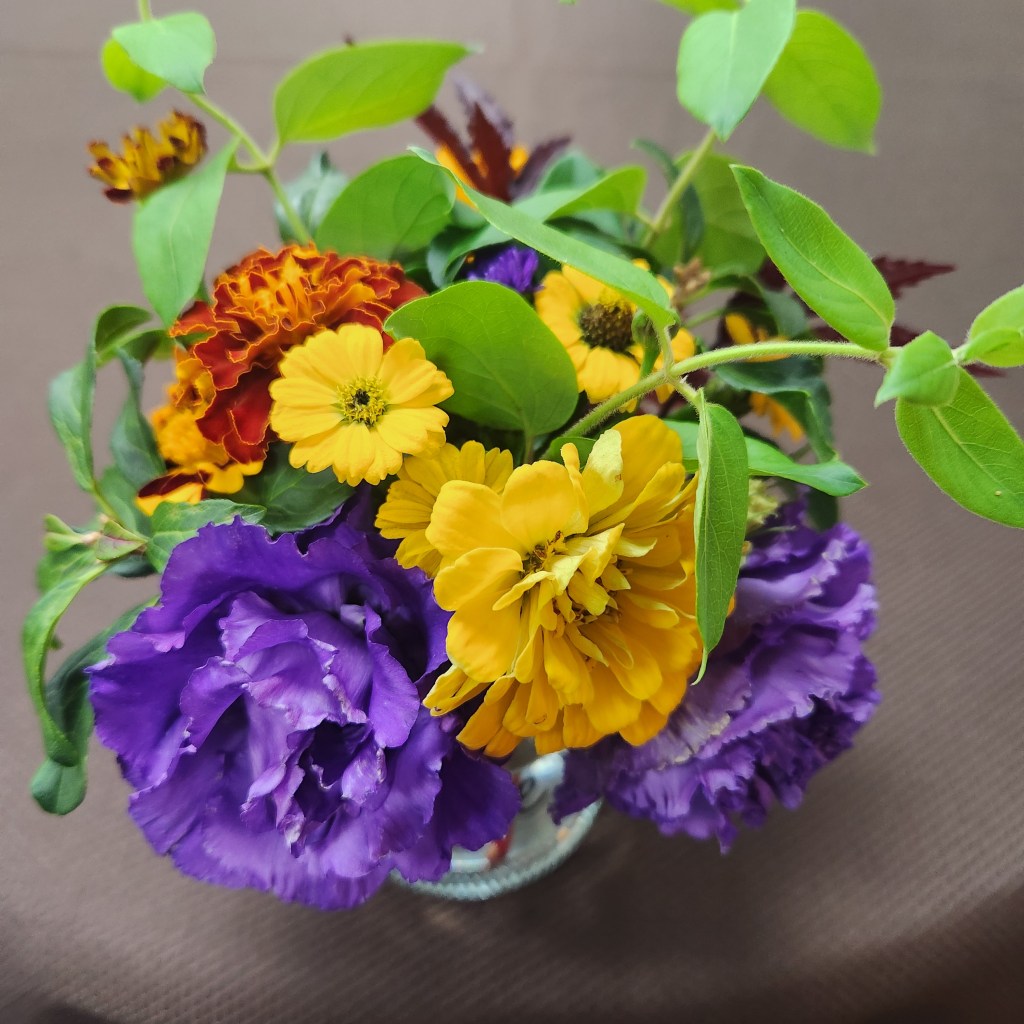
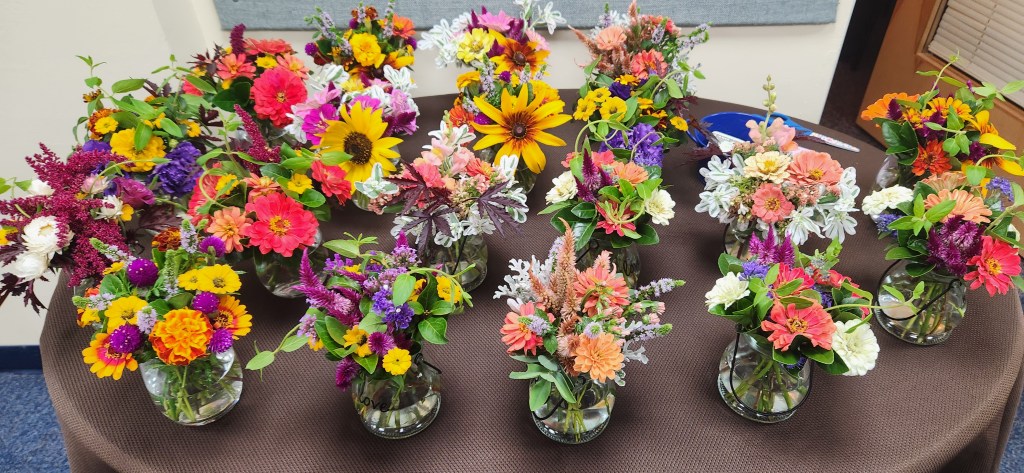
I can’t tell you how much my heart sings when we sell out of flowers. Twenty-three bouquets today!
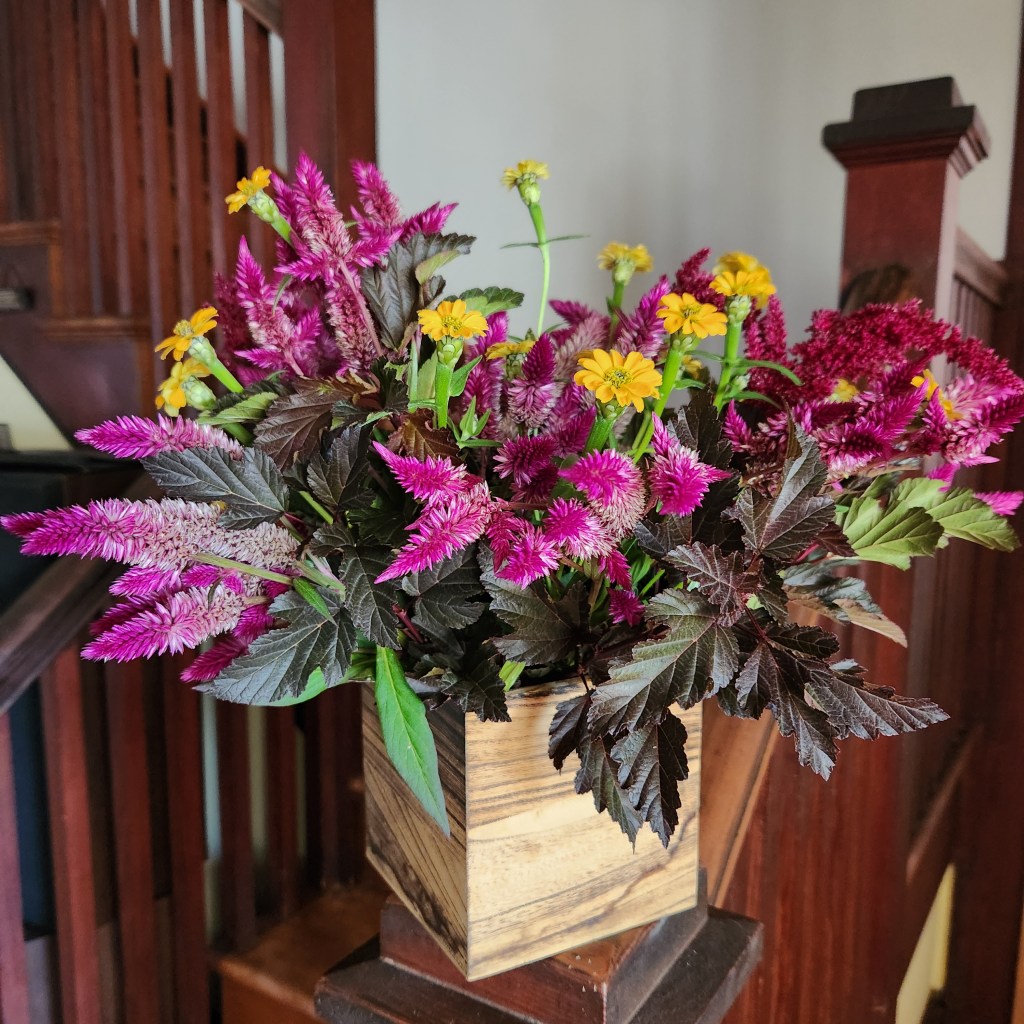
What to pick at the end of a hot day that won’t flop? Ninebark, Celosia, and Zinnias!
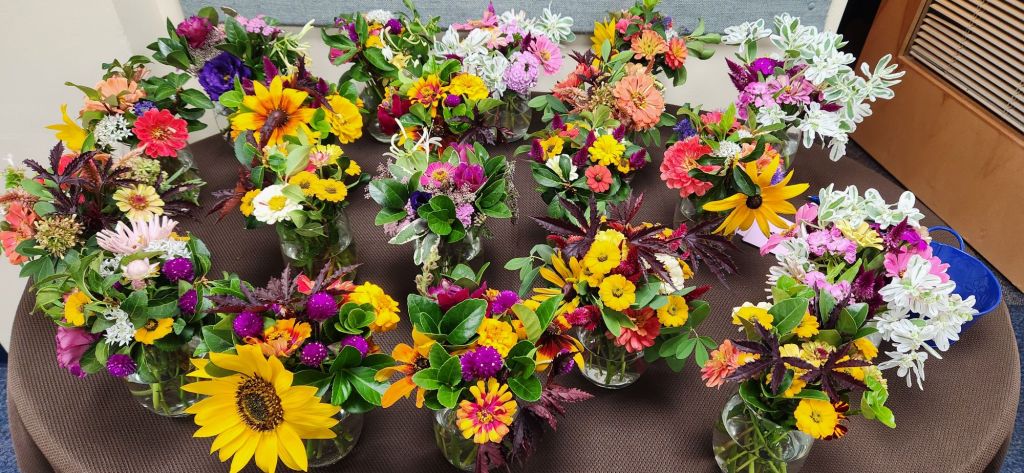
A whopping 21 bouquets today… Sold out! Thank you, Patrons!


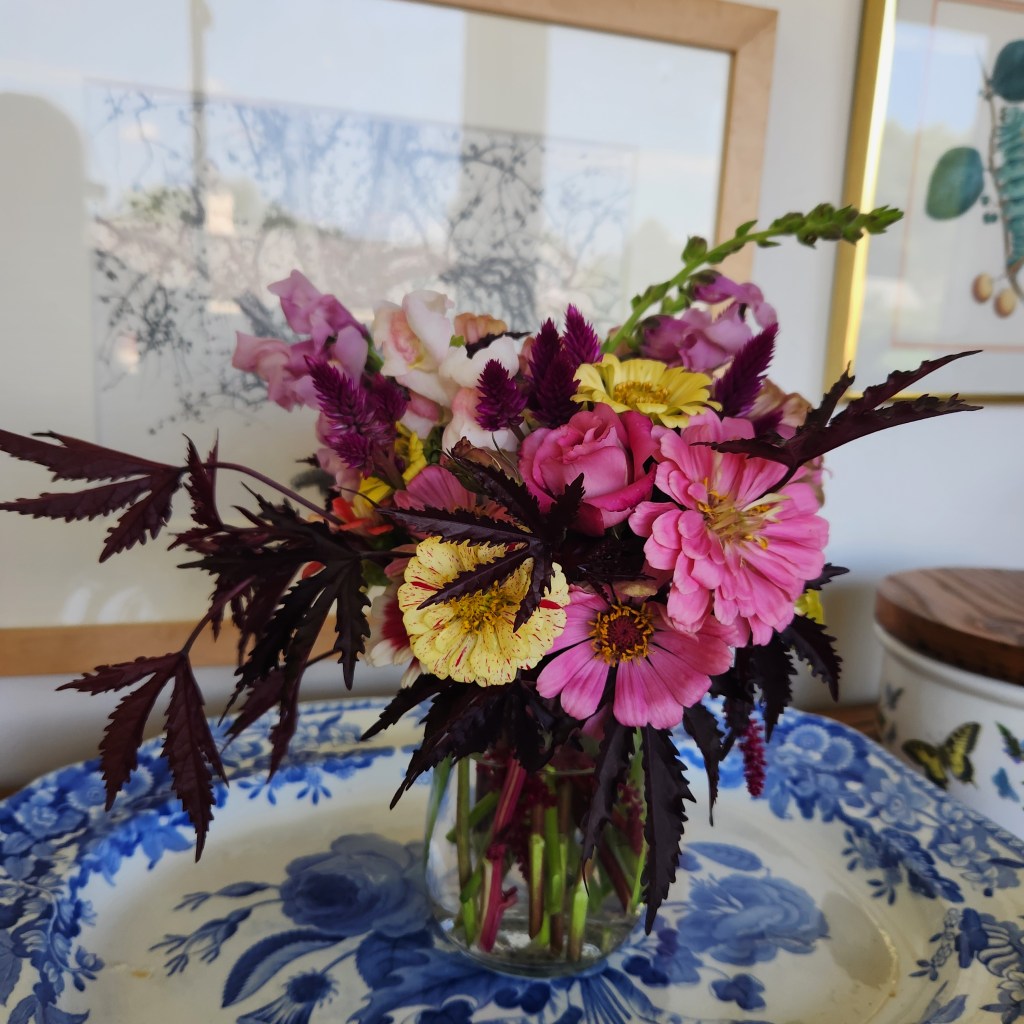
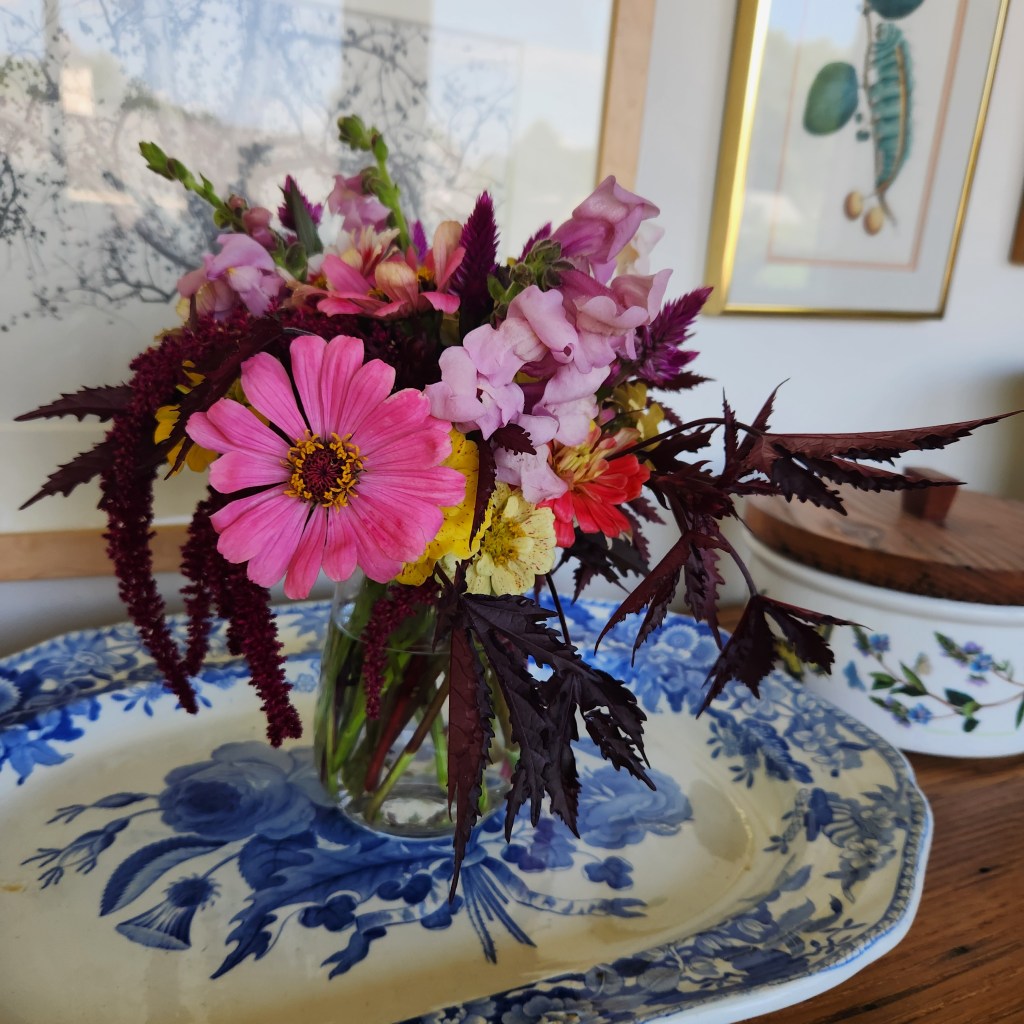

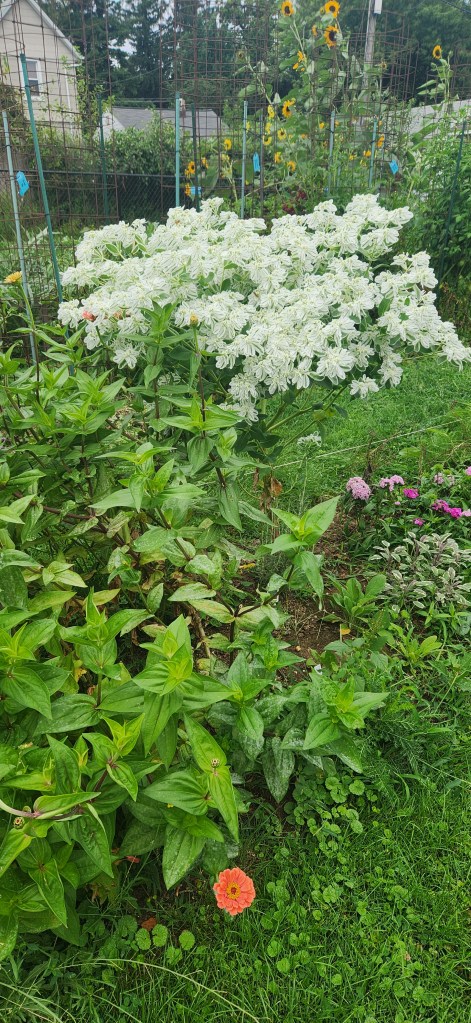
A striking plant while living and after…
Euphorbia marginata or Snow on the mountain is the plant I am most asked about when people see it in a bouquet.
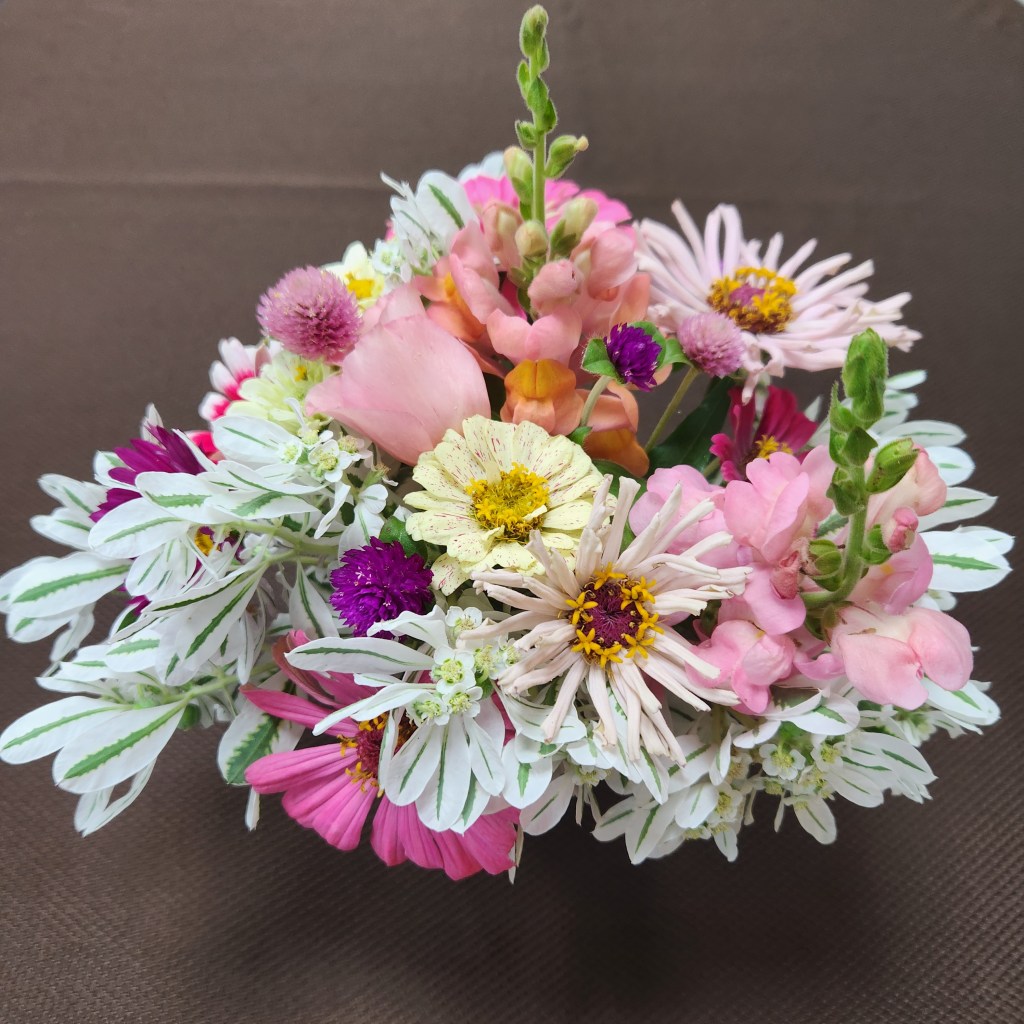
Here it is earlier in the year… in mid-August.
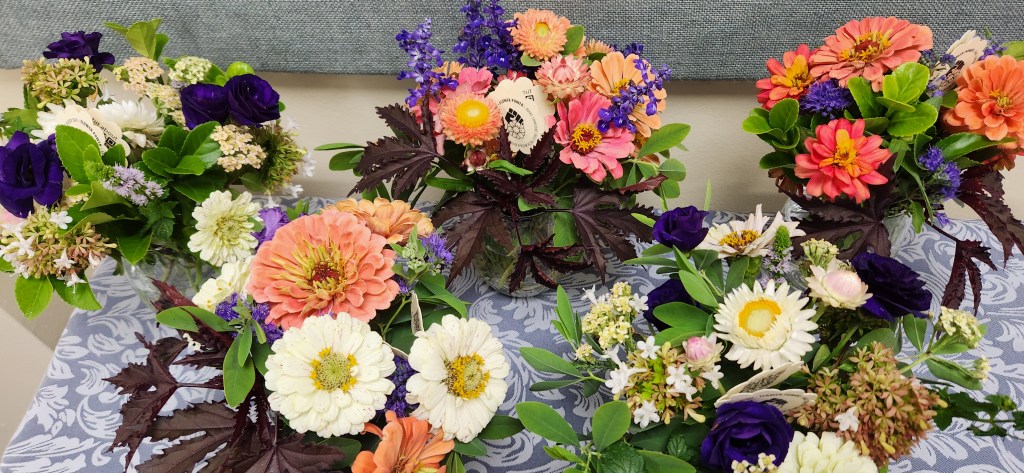
A sampling…
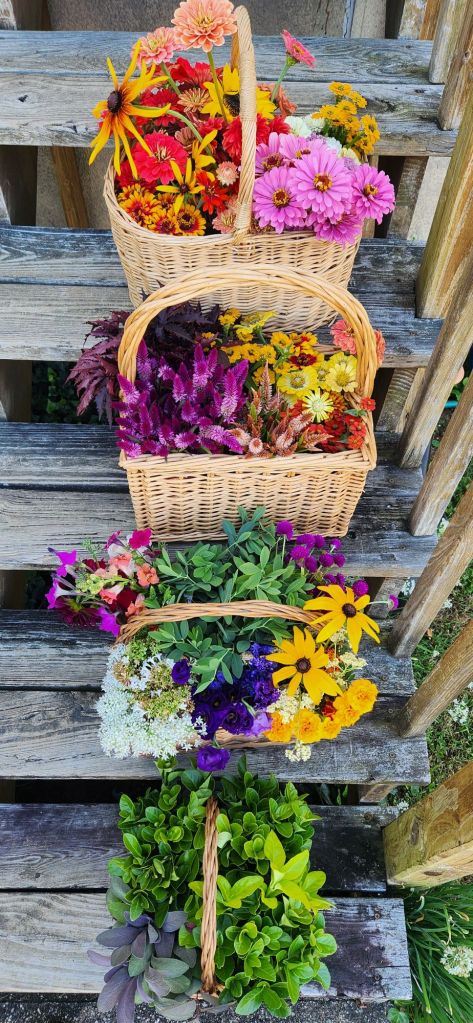
It’s ON, People! =)
No time for photos of the finished product…
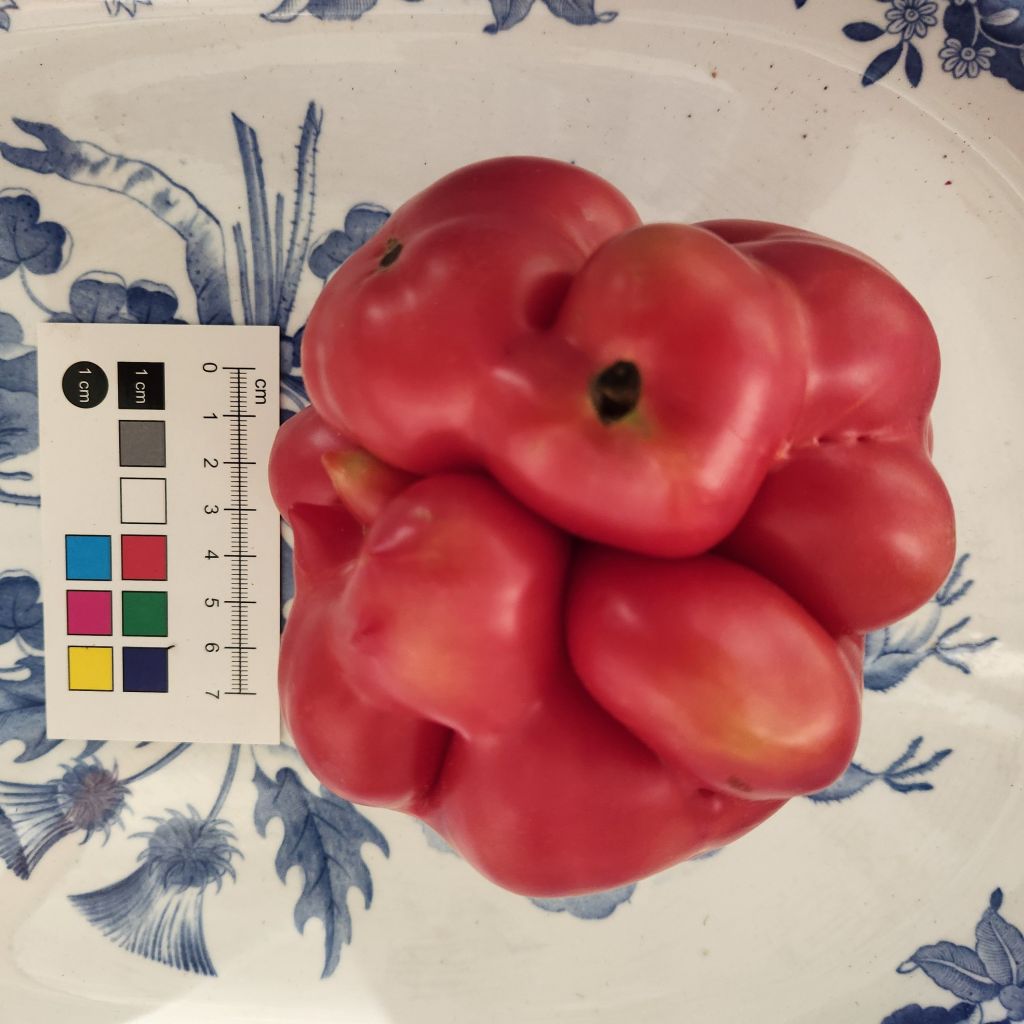
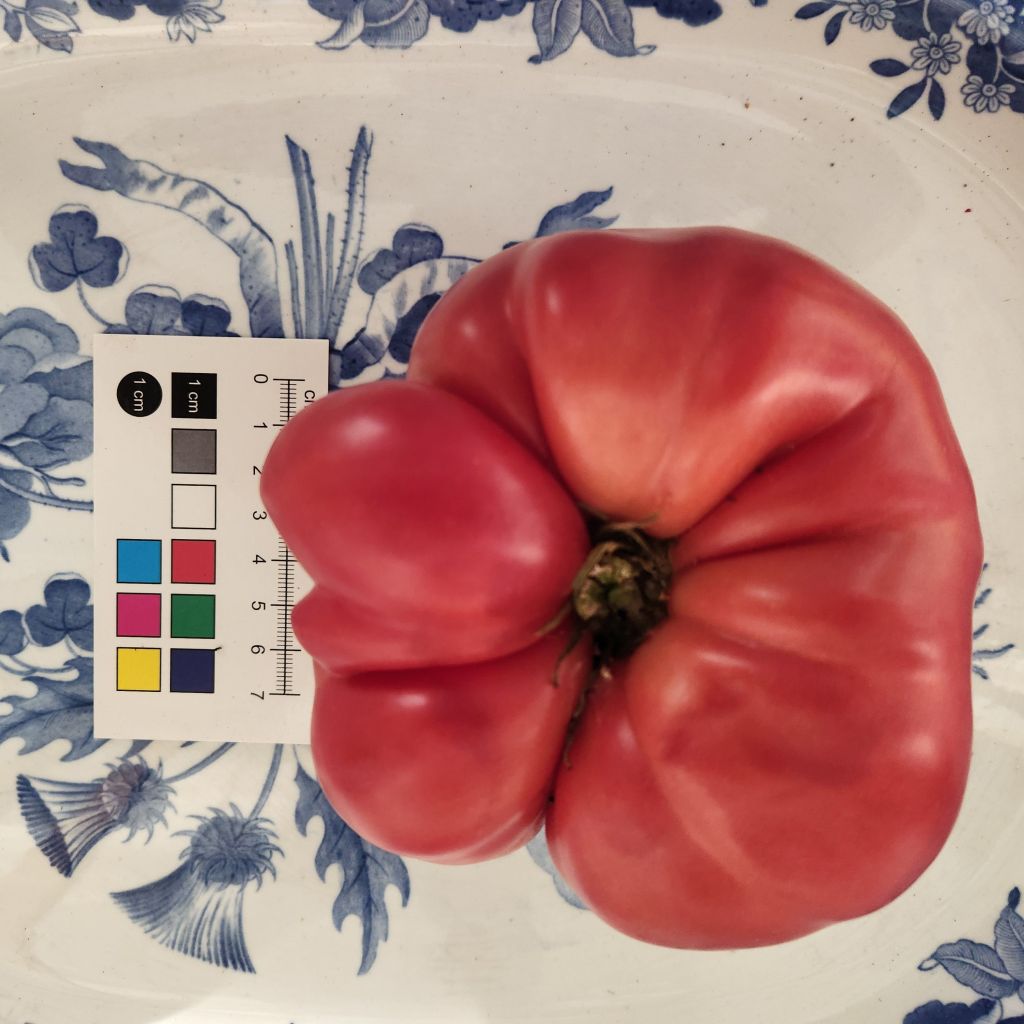
The variety is Una Hartsock’s Beefsteak, which I’m growing as part of a seed trial for SeedLinked. What a beast! I like my tomatoes acidic and spicy (think Chocolate Sprinkles); this one doesn’t have a very exciting flavor to me, but she’ll be giving us a lot of big fruits.
I’ve just learned that the misshapen bottoms on tomatoes are described as catfacing.
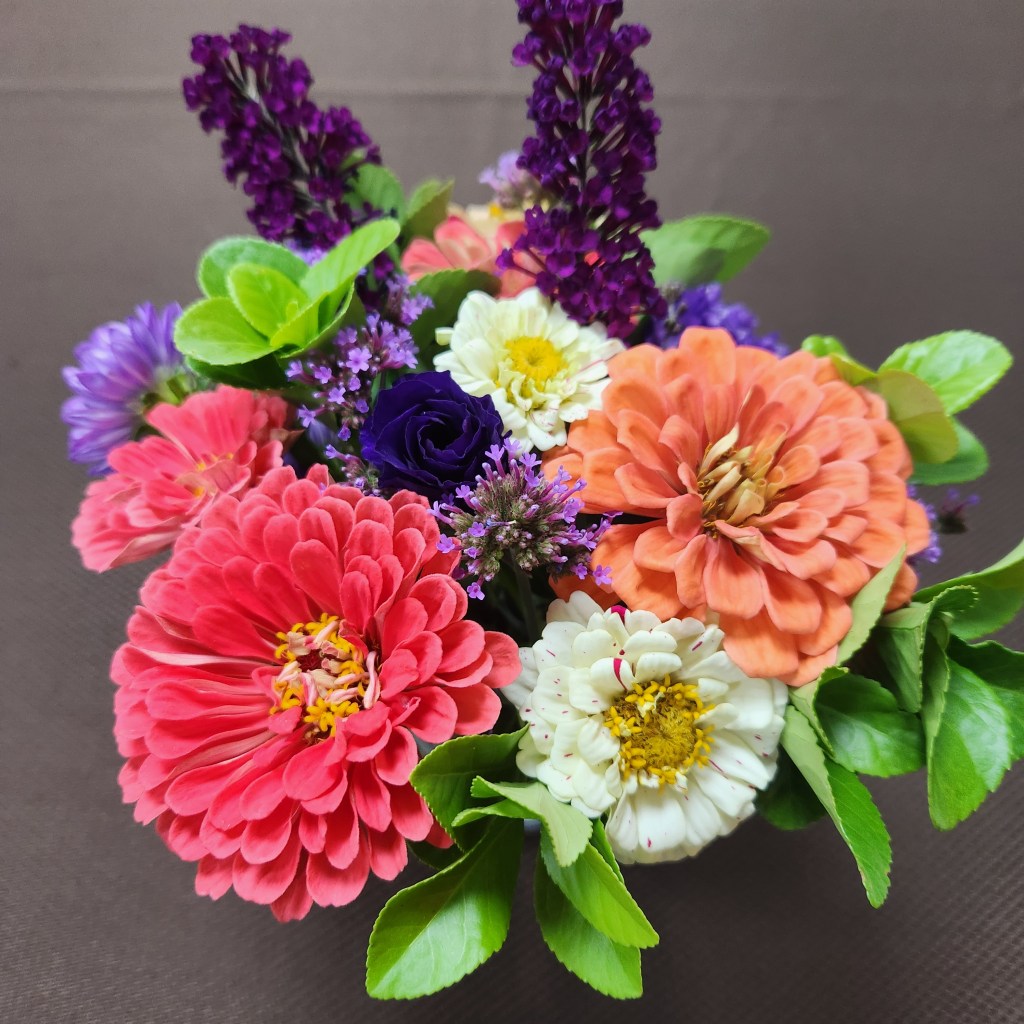
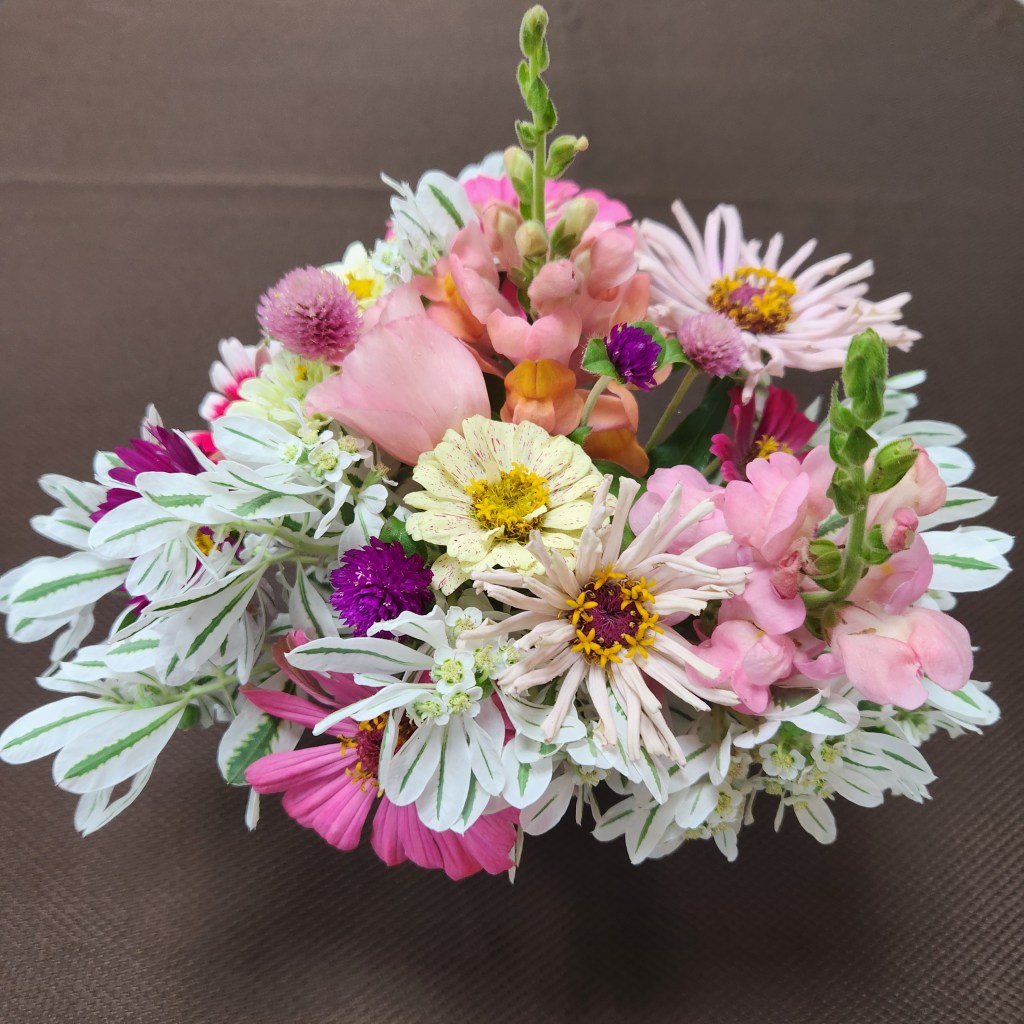
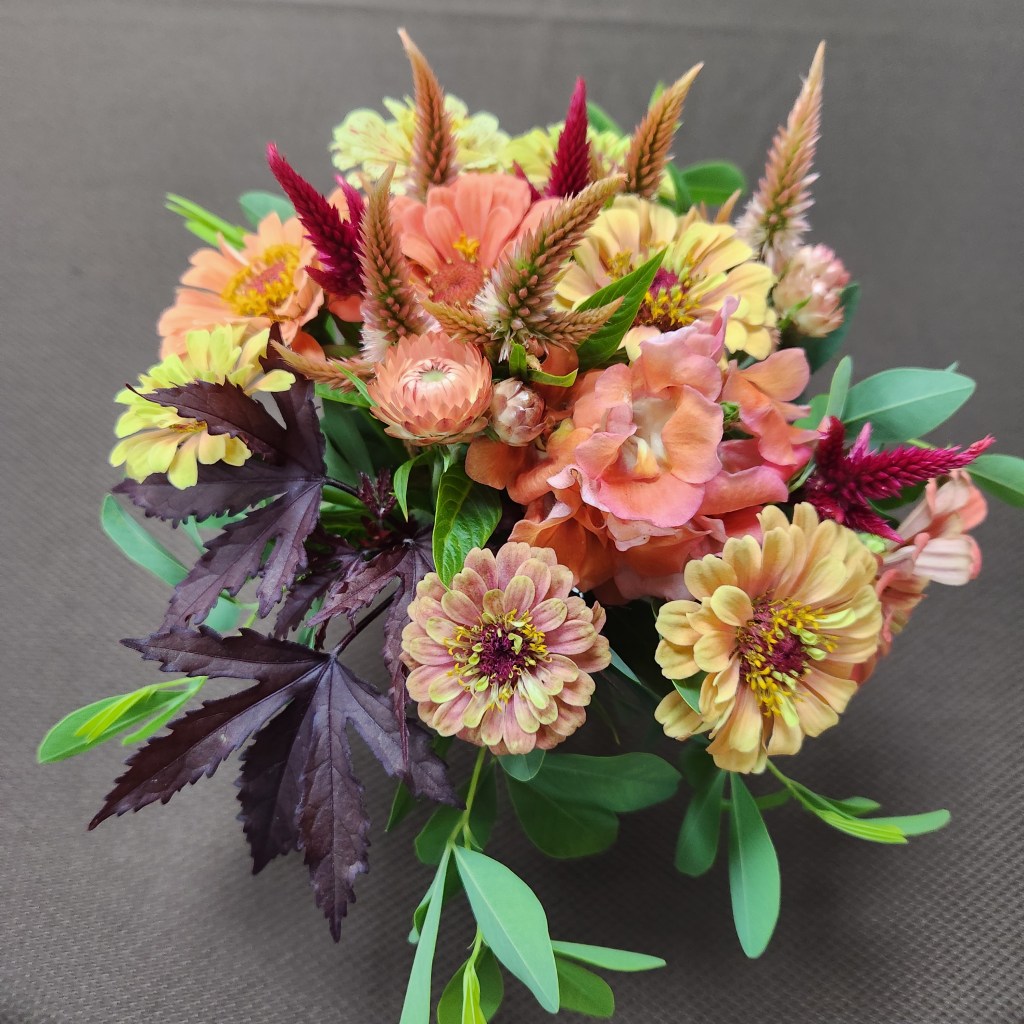
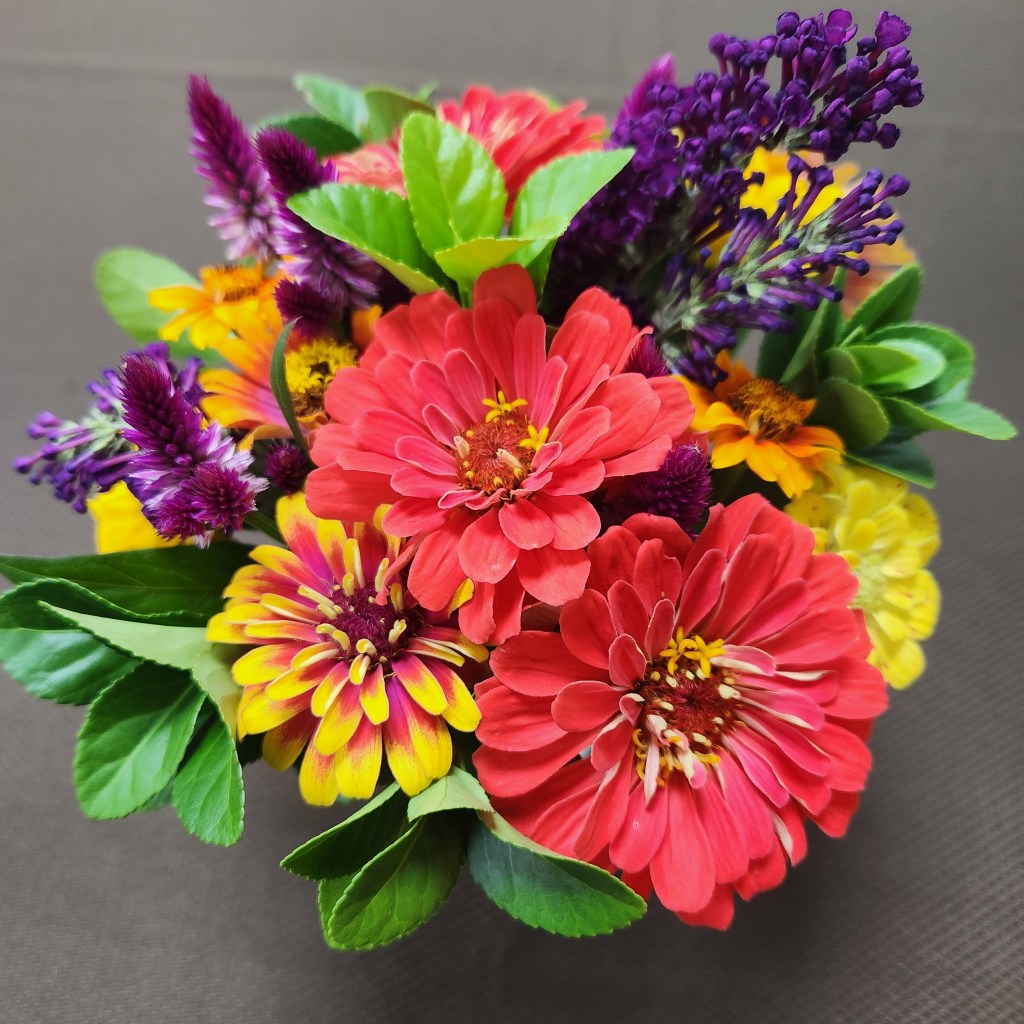
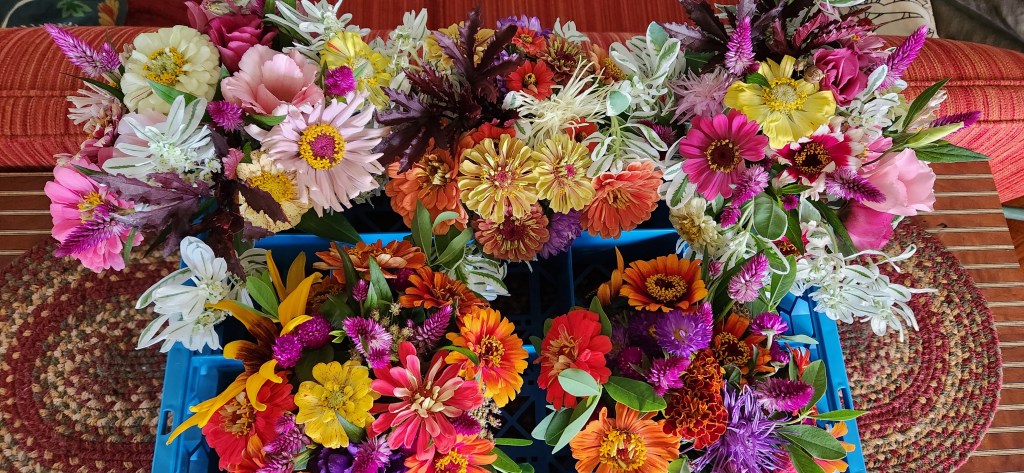
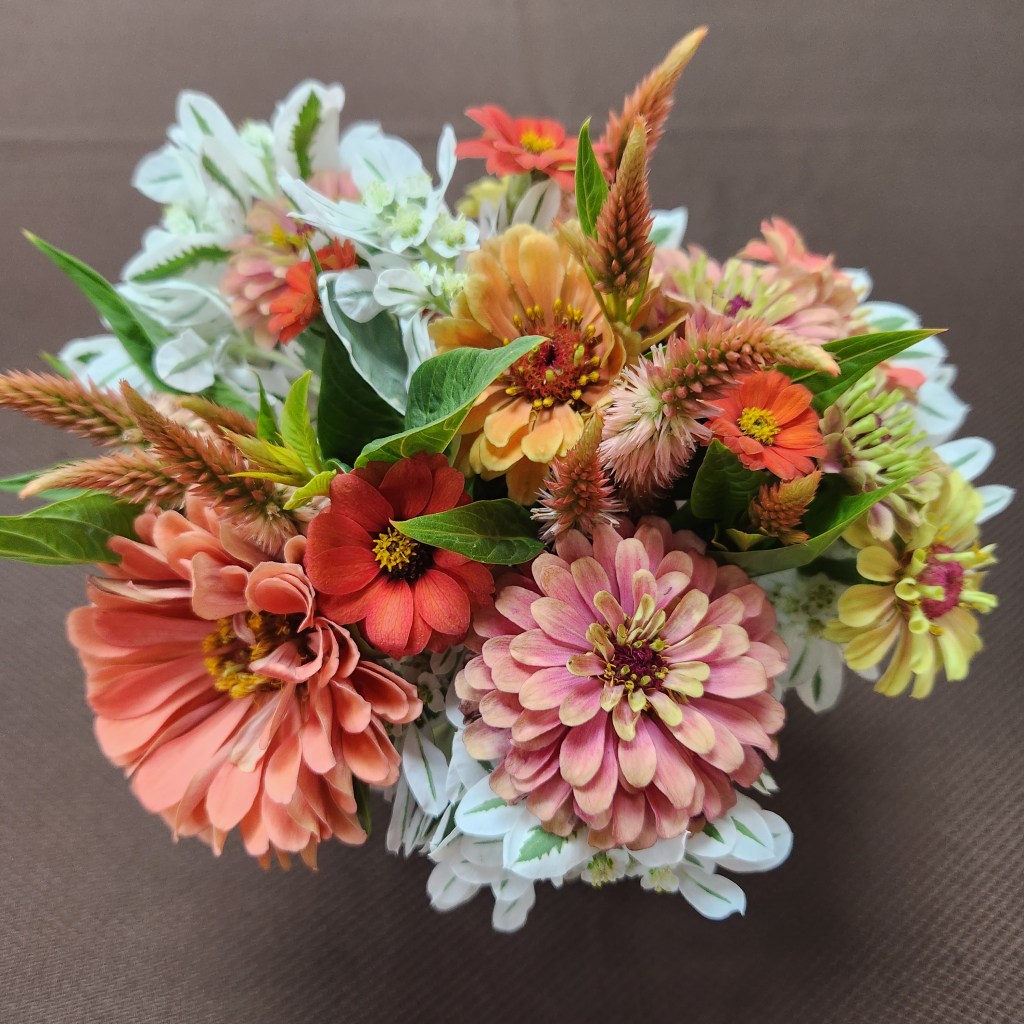
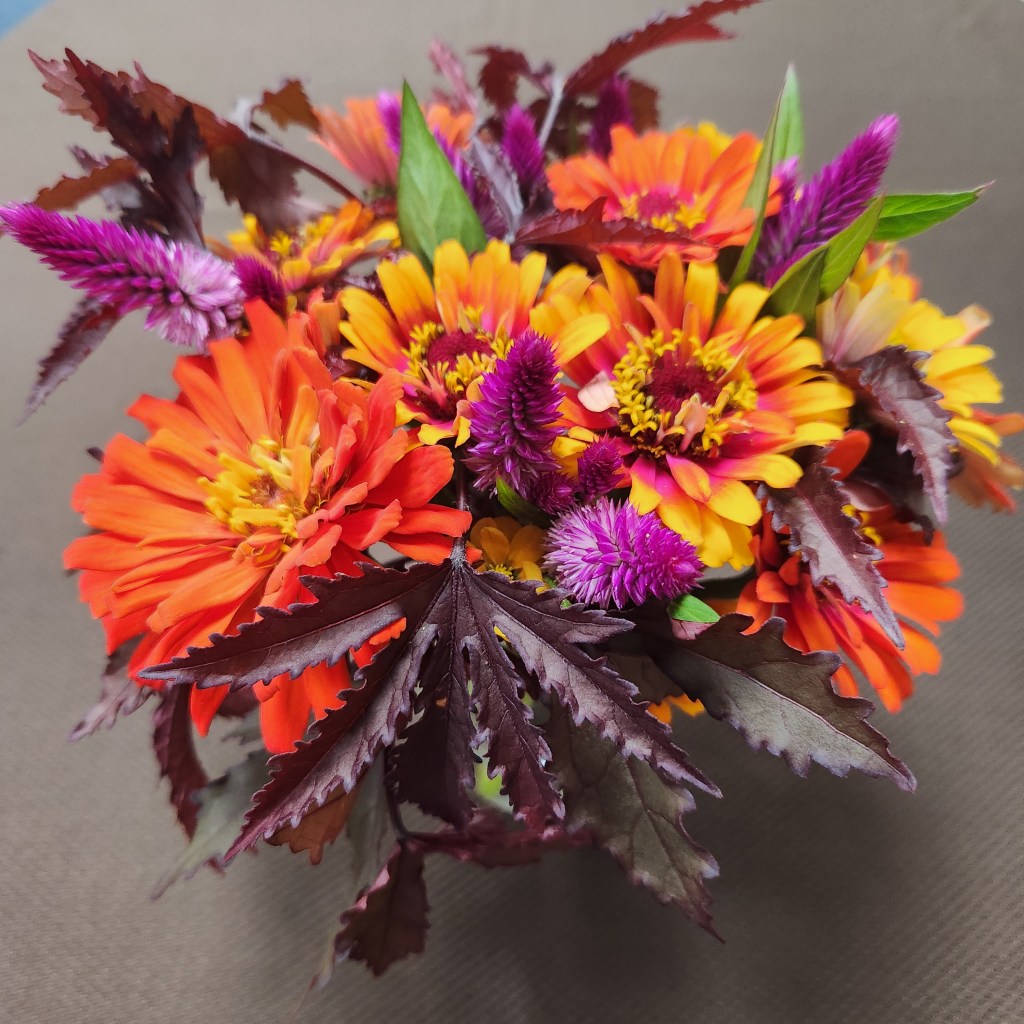
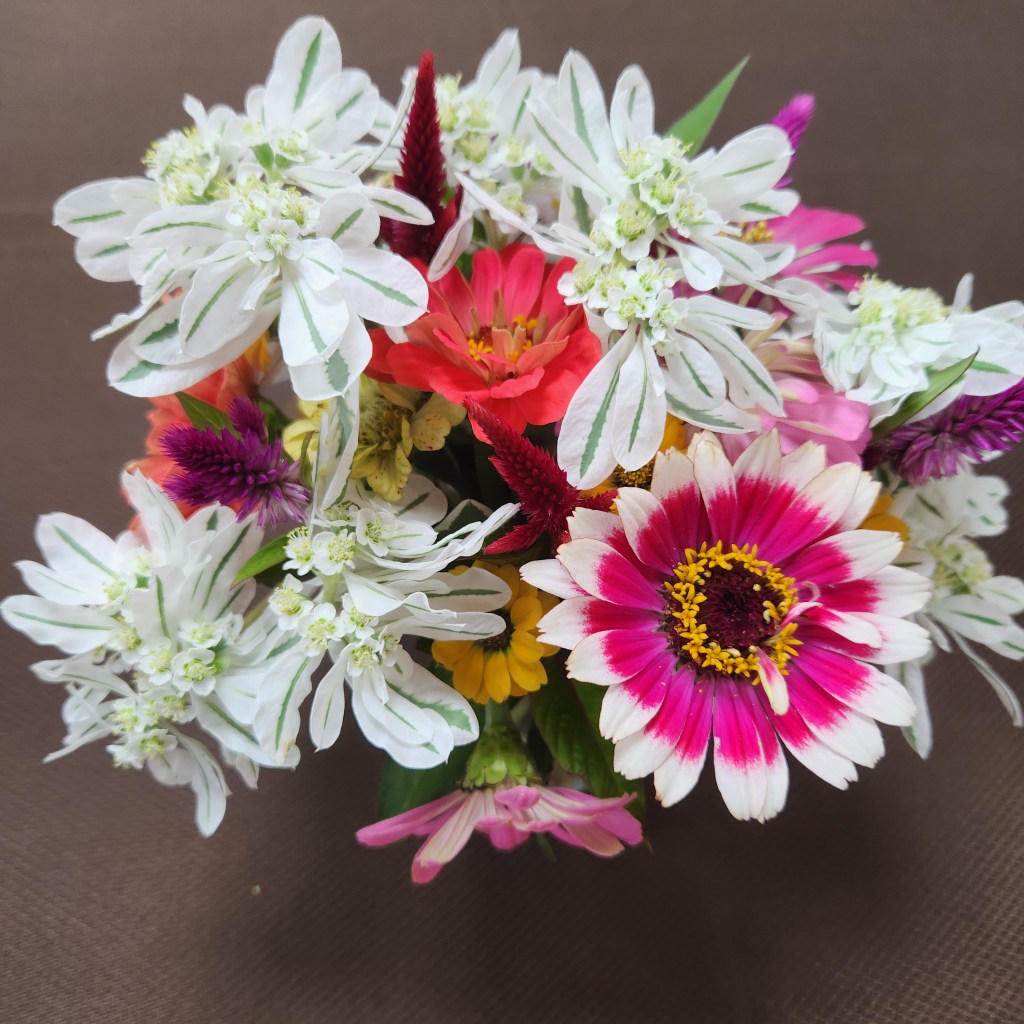
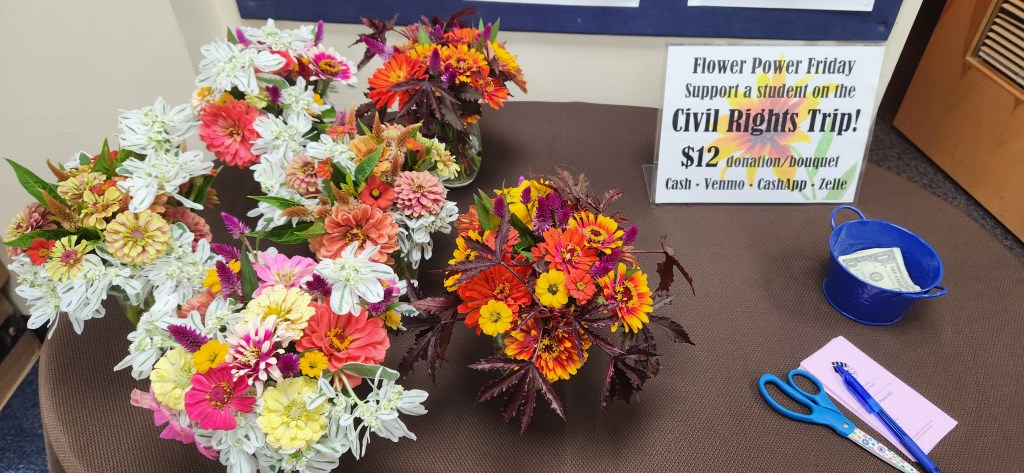
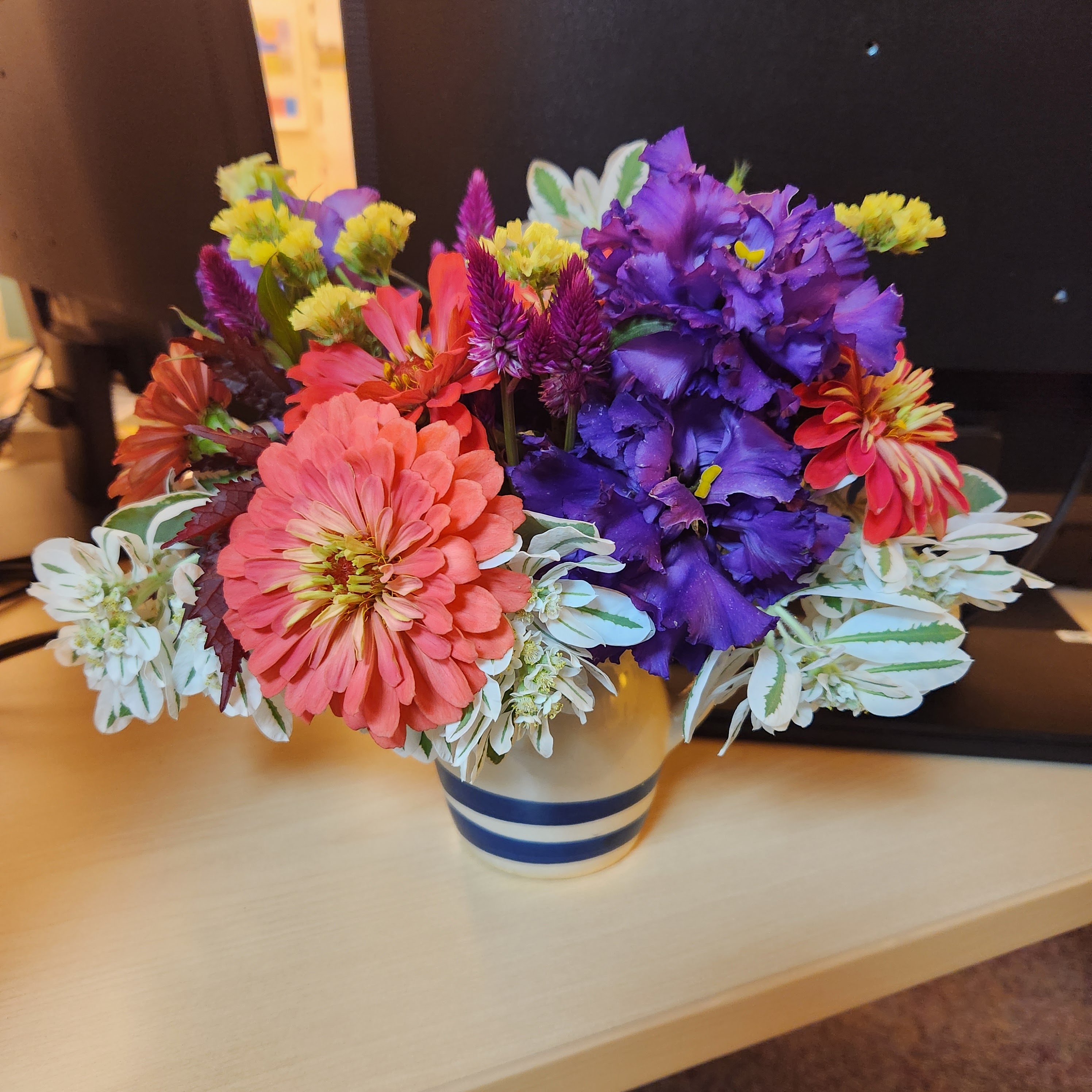
To set everyone who comes by in a good mood?
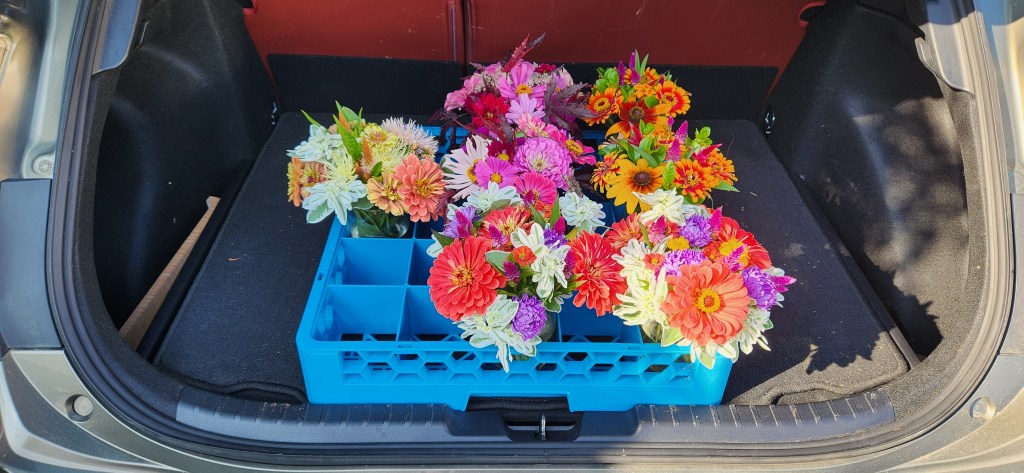
Flowers in the boot!
Yup. Right here in Baltimore CITY. That’s right, we’re in the city, and the deer are ravaging the garden. I’ve been growing tomatoes here since we moved in 2017, and the deer have never touched them. Until now. We even have to chase them out of the yard in the middle of the day. Poor things should be bedded down. It’s a darn good thing they’re so beautiful…
PSA: If you are also having issues with deer in the city, please visit this site about Baltimore’s Deer Program. They want to hear from us.
In the news: WBAL, 7/17/25, Baltimore Brew 8/1/25, The Baltimore Banner, 8/1/25
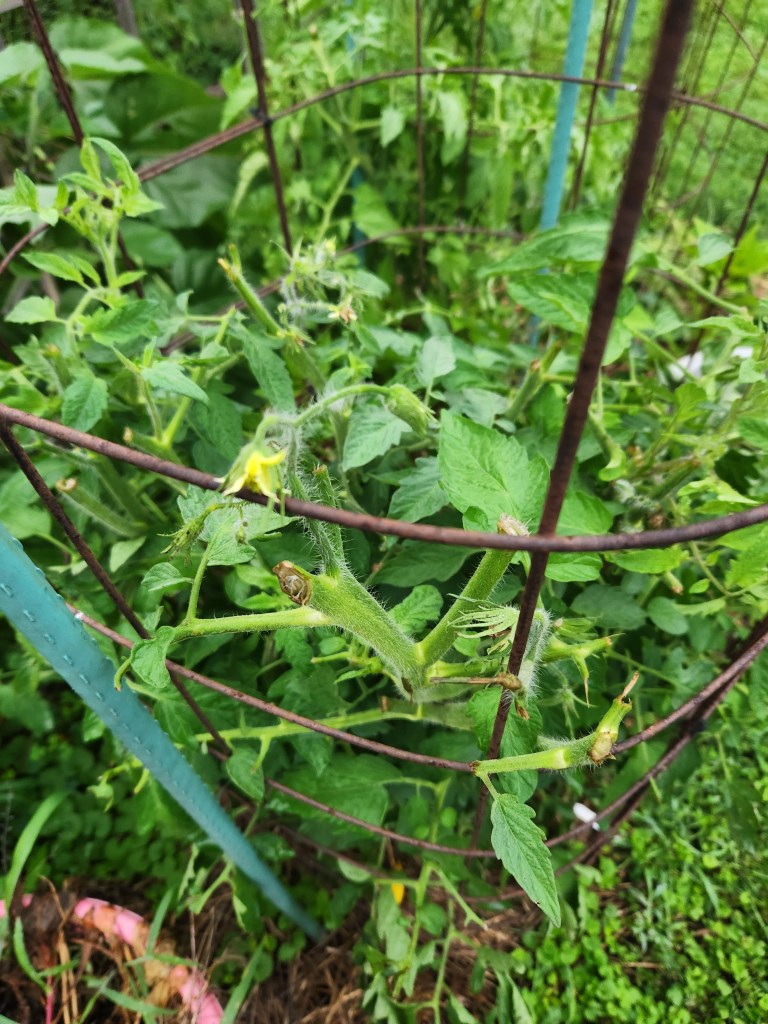
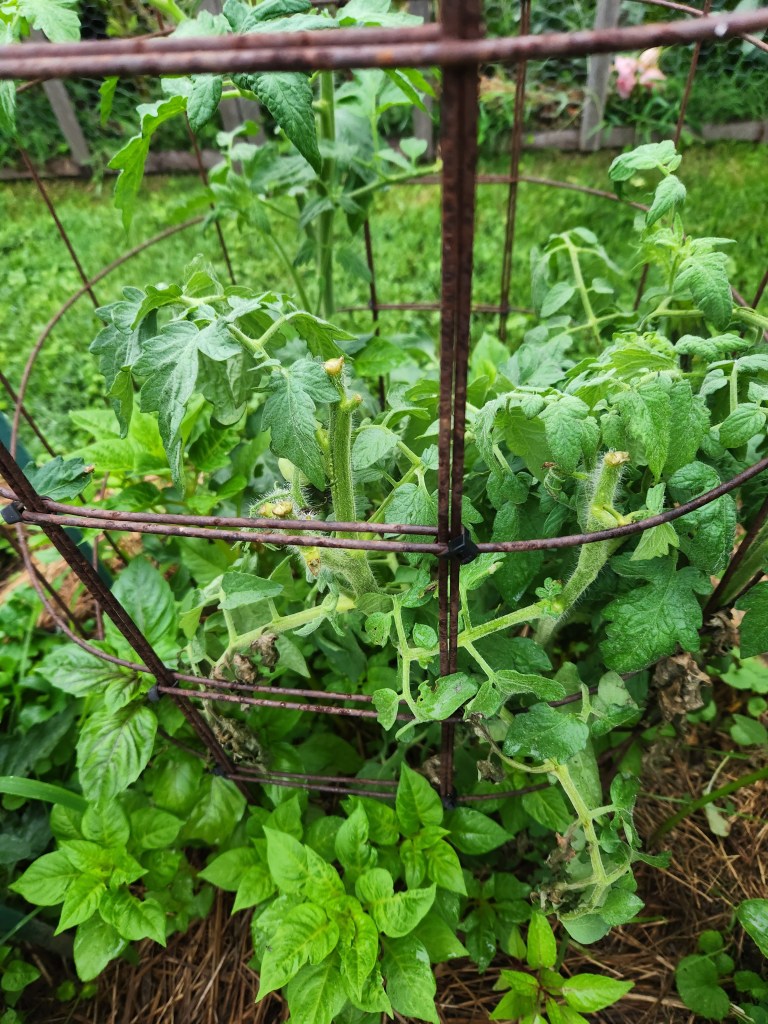
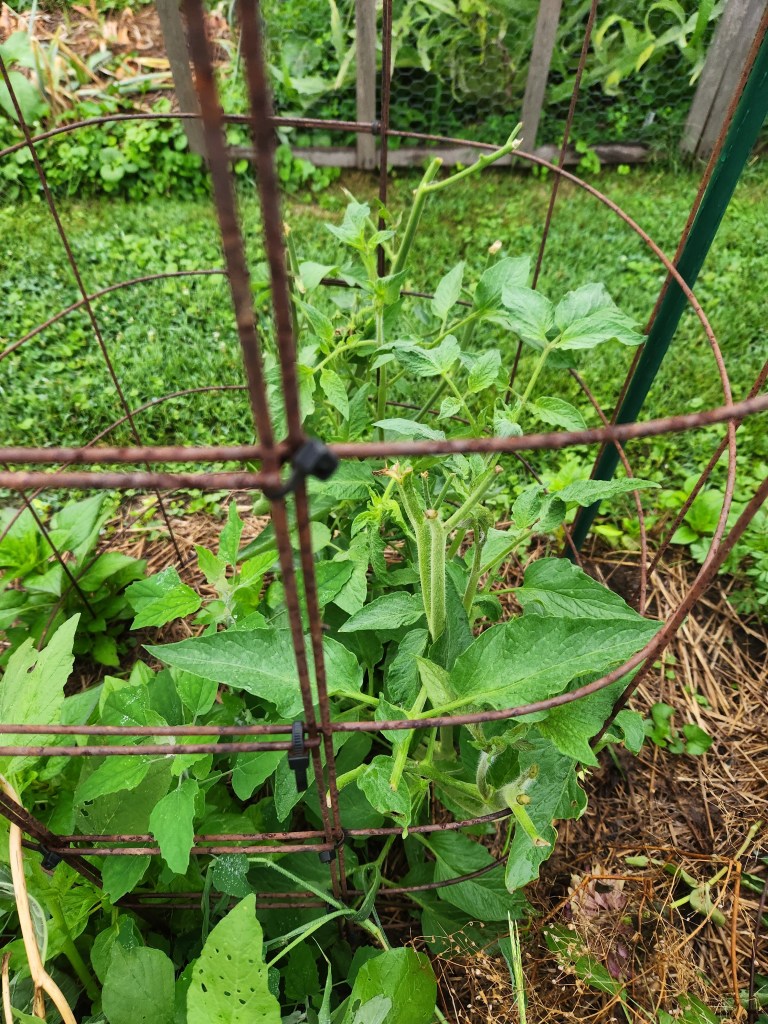

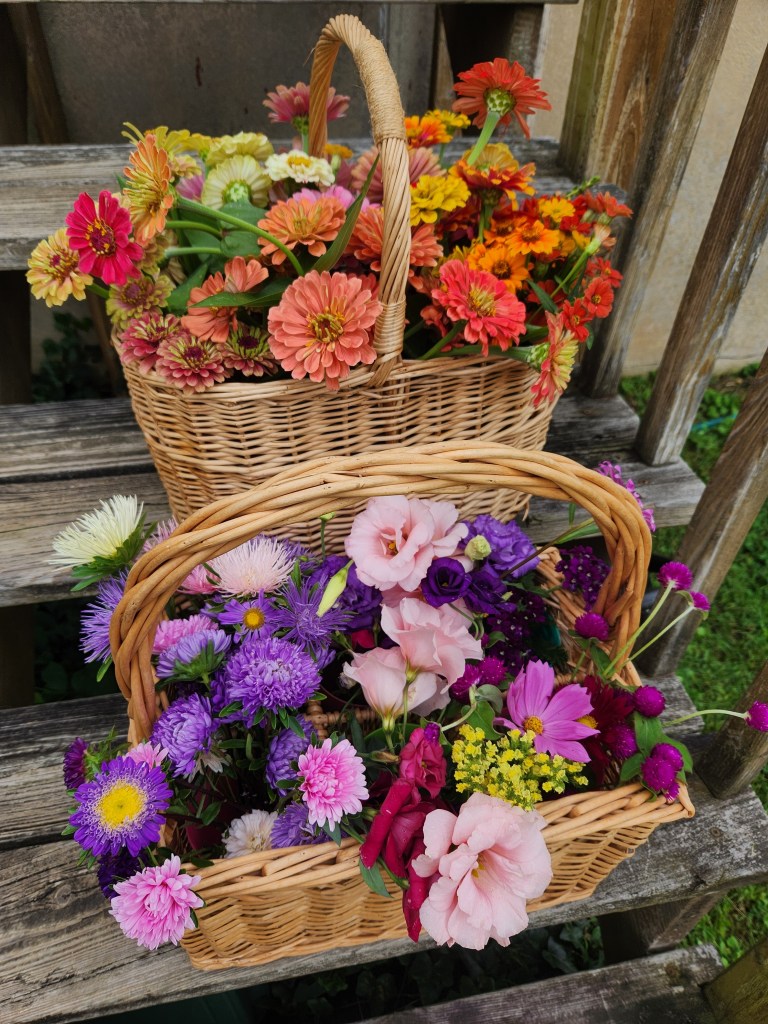
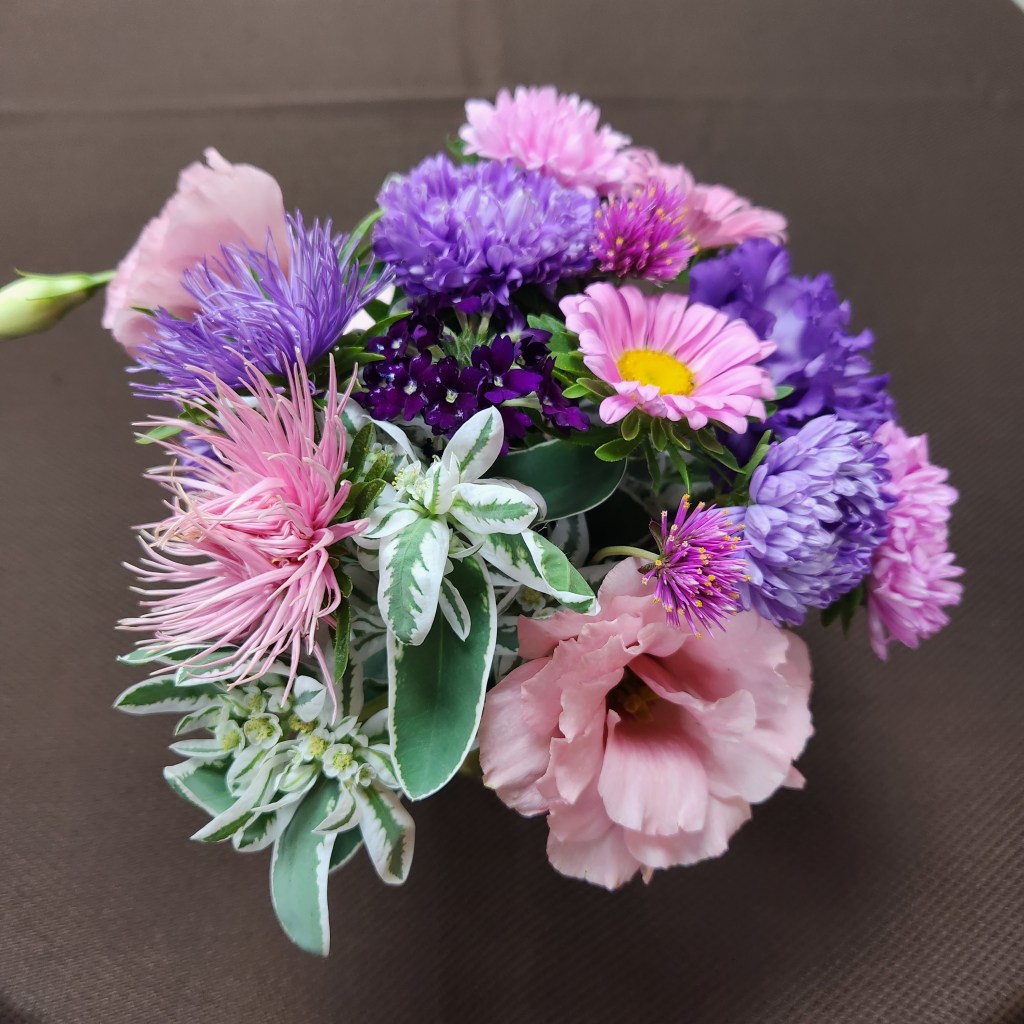
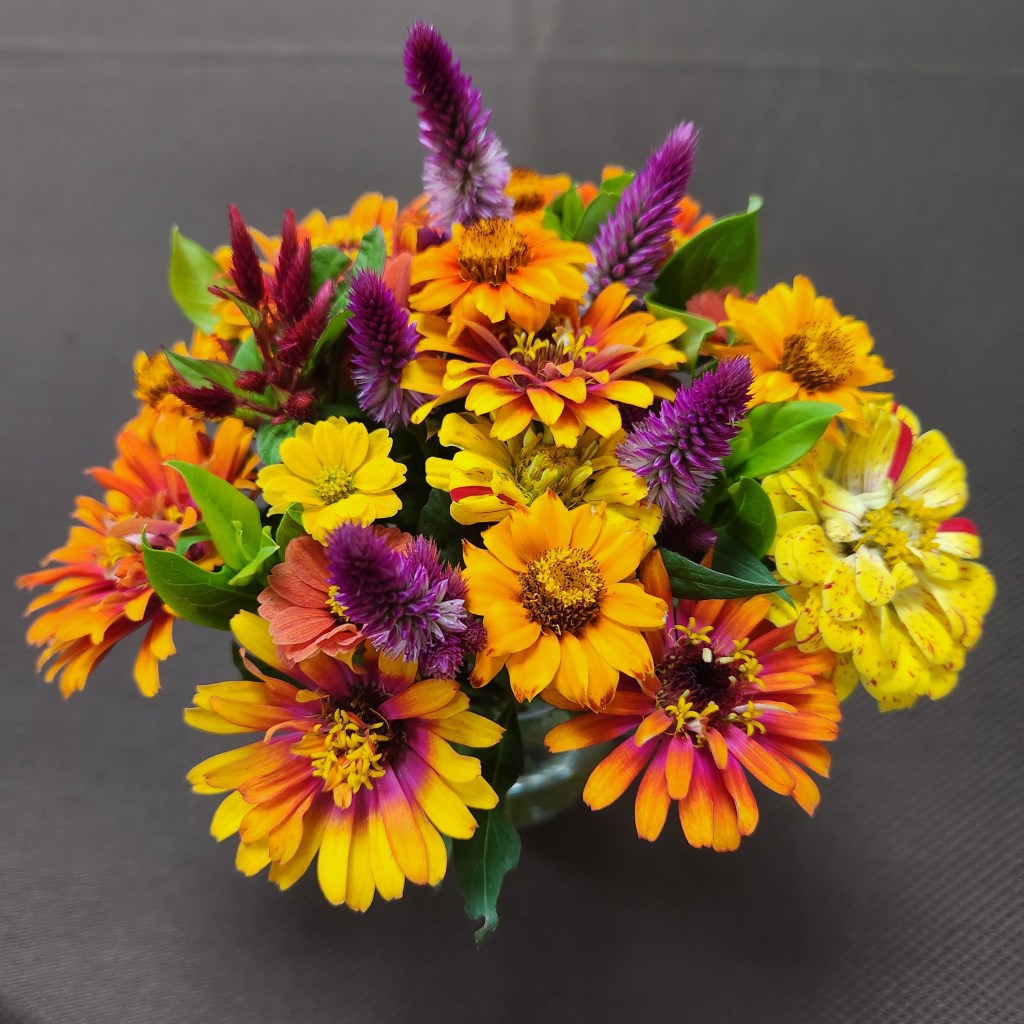
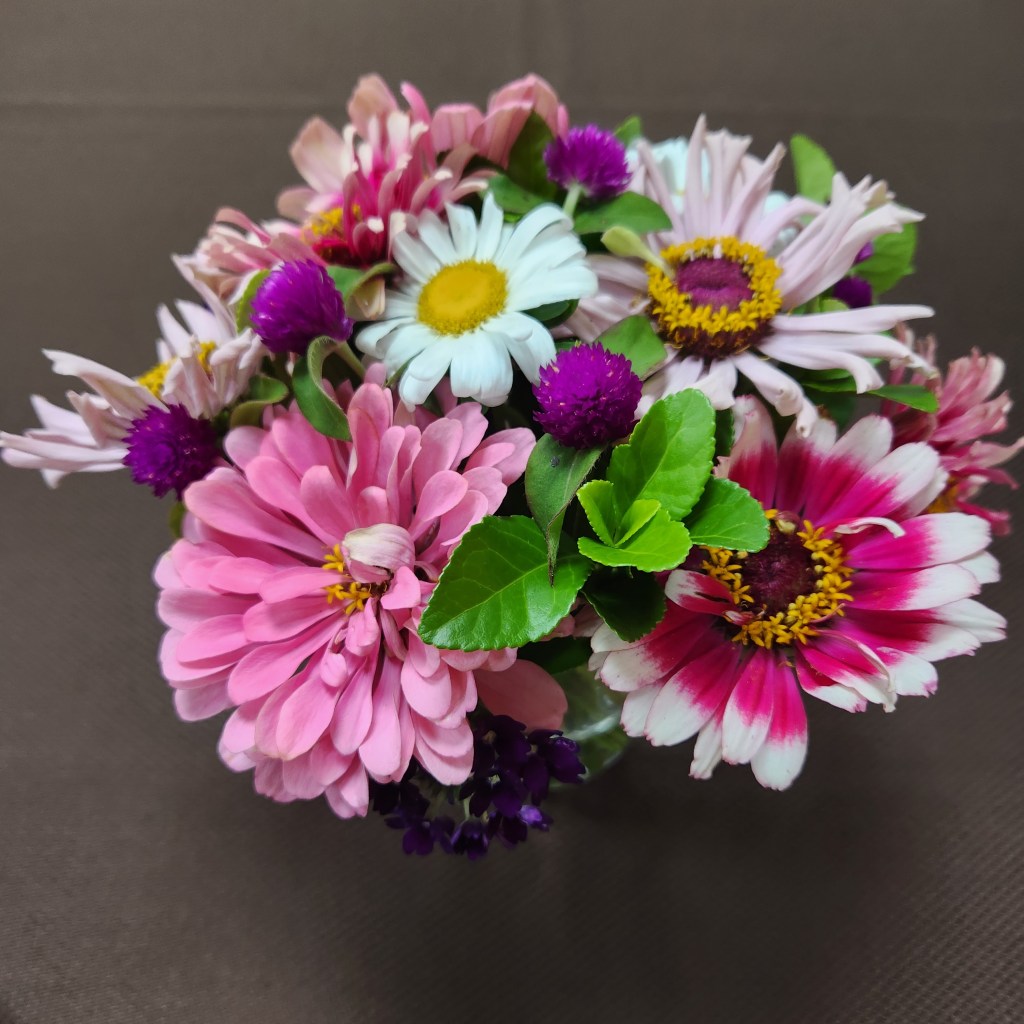
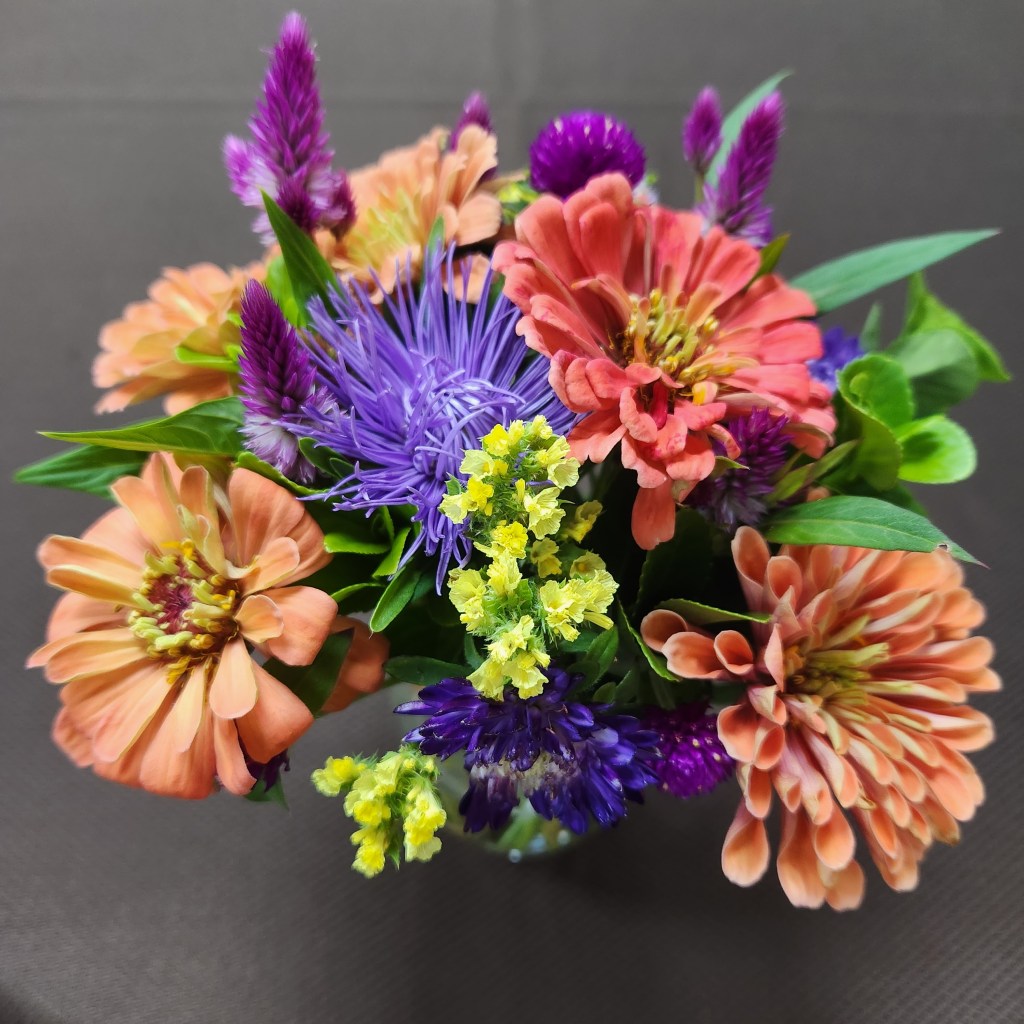
Once upon a time, I bought a case of flower foam, before knowing how yucky it is, environmentally speaking. So now, I can either die with it in my basement or use it…
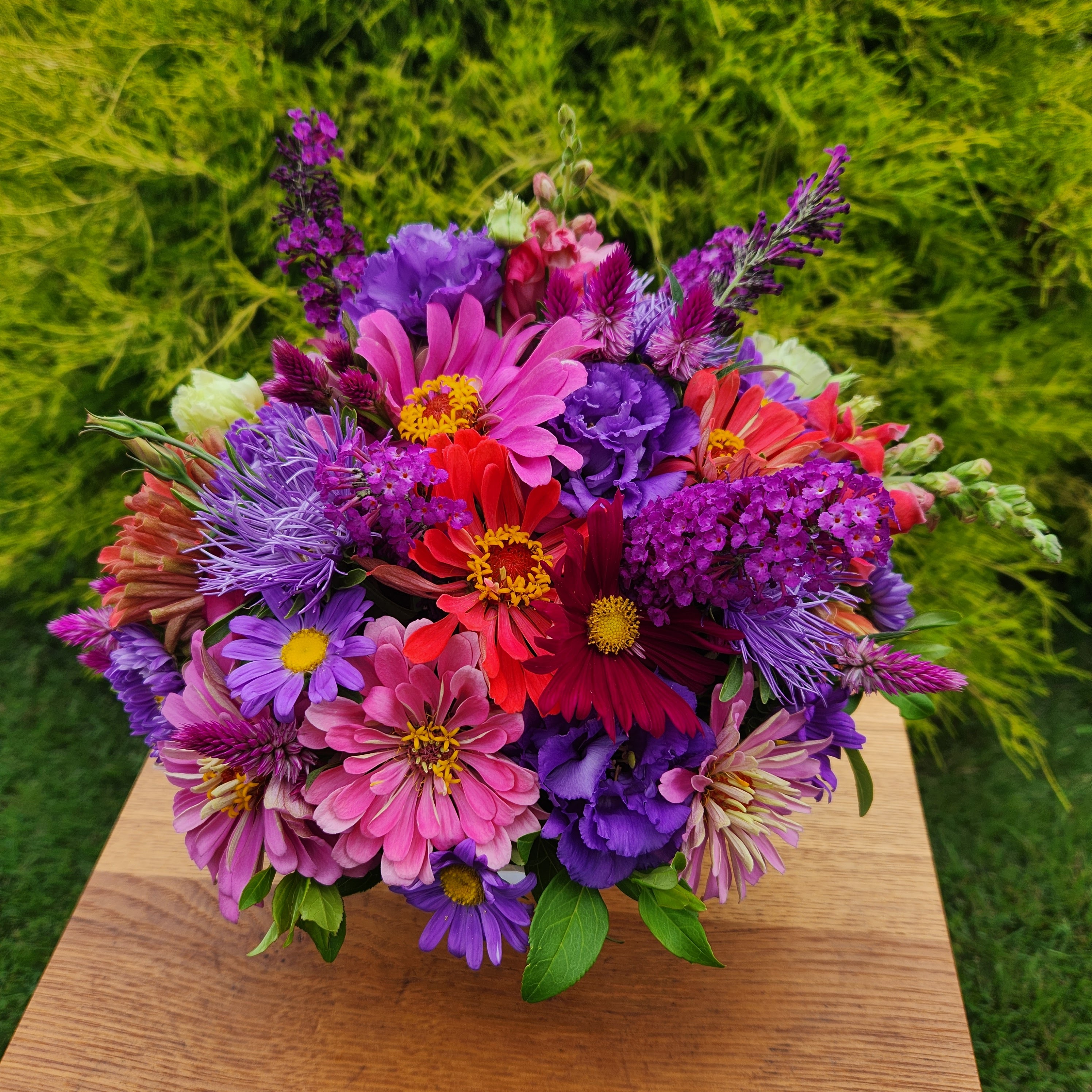
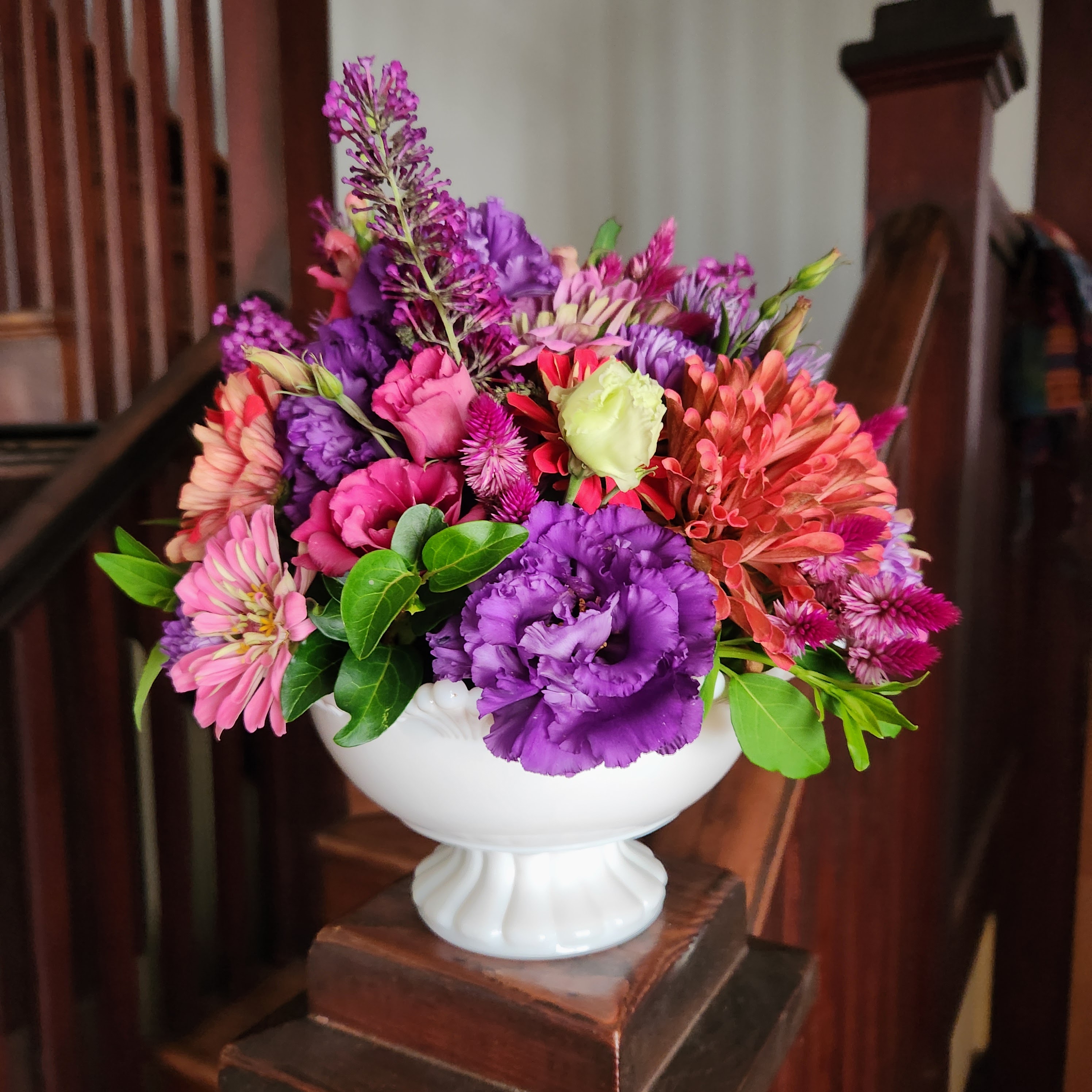
Lisianthus, Zinnias, Coleus, Celosia, Asters, Buddleia, and Euonymus… in my mother’s pedestal bowl.
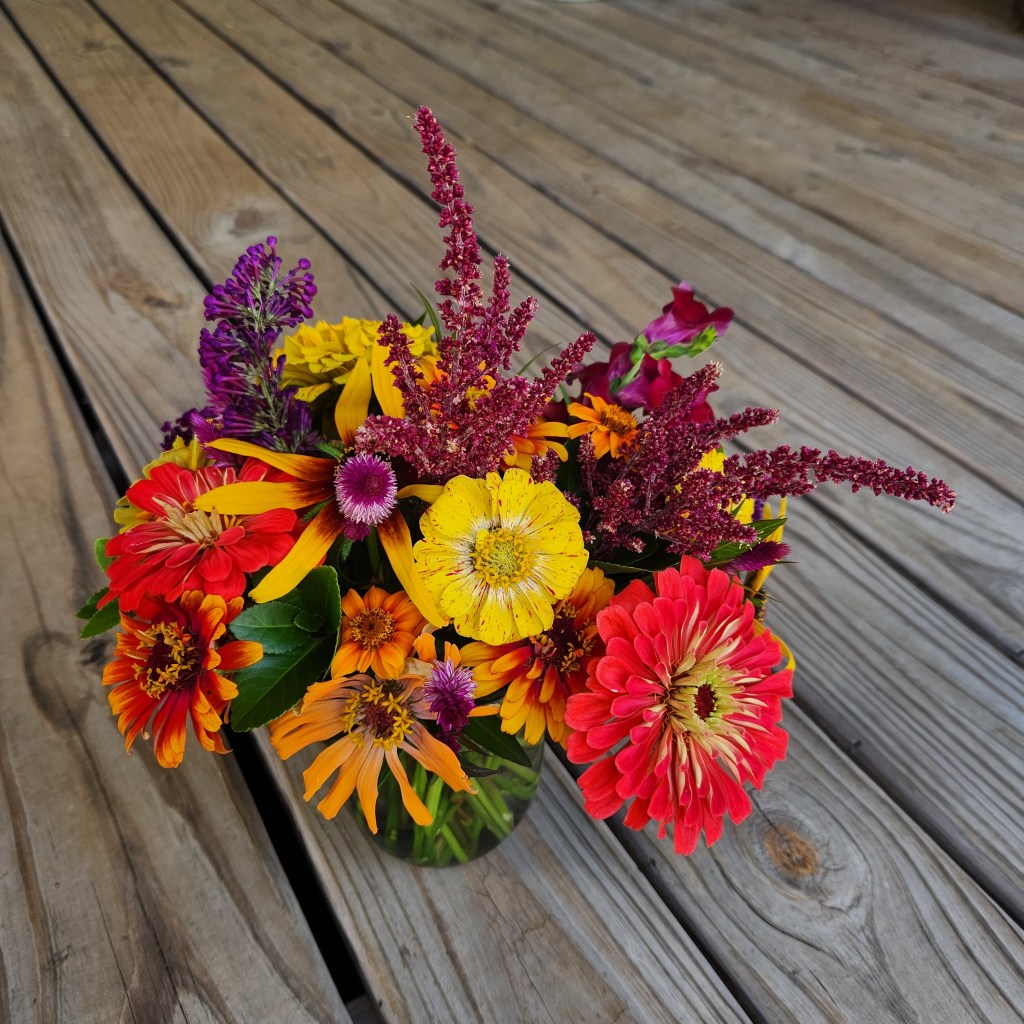
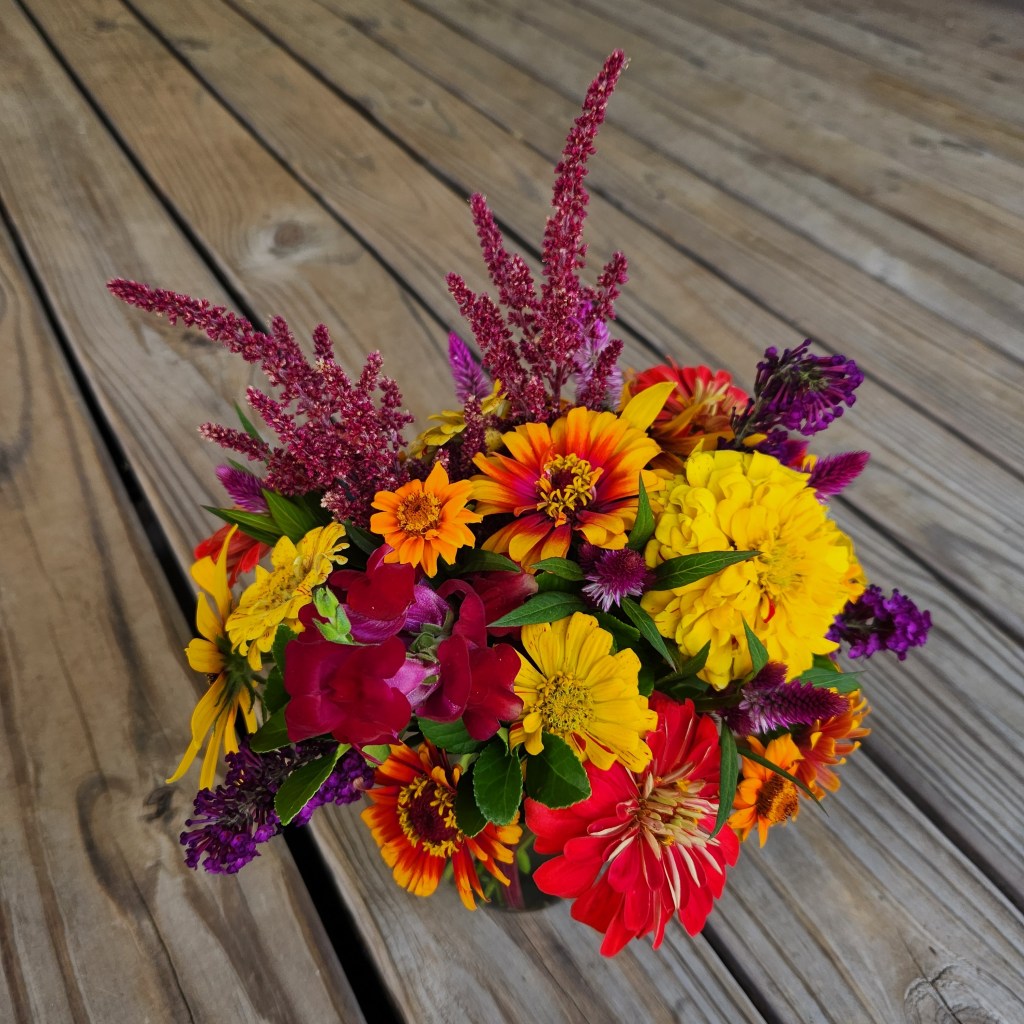
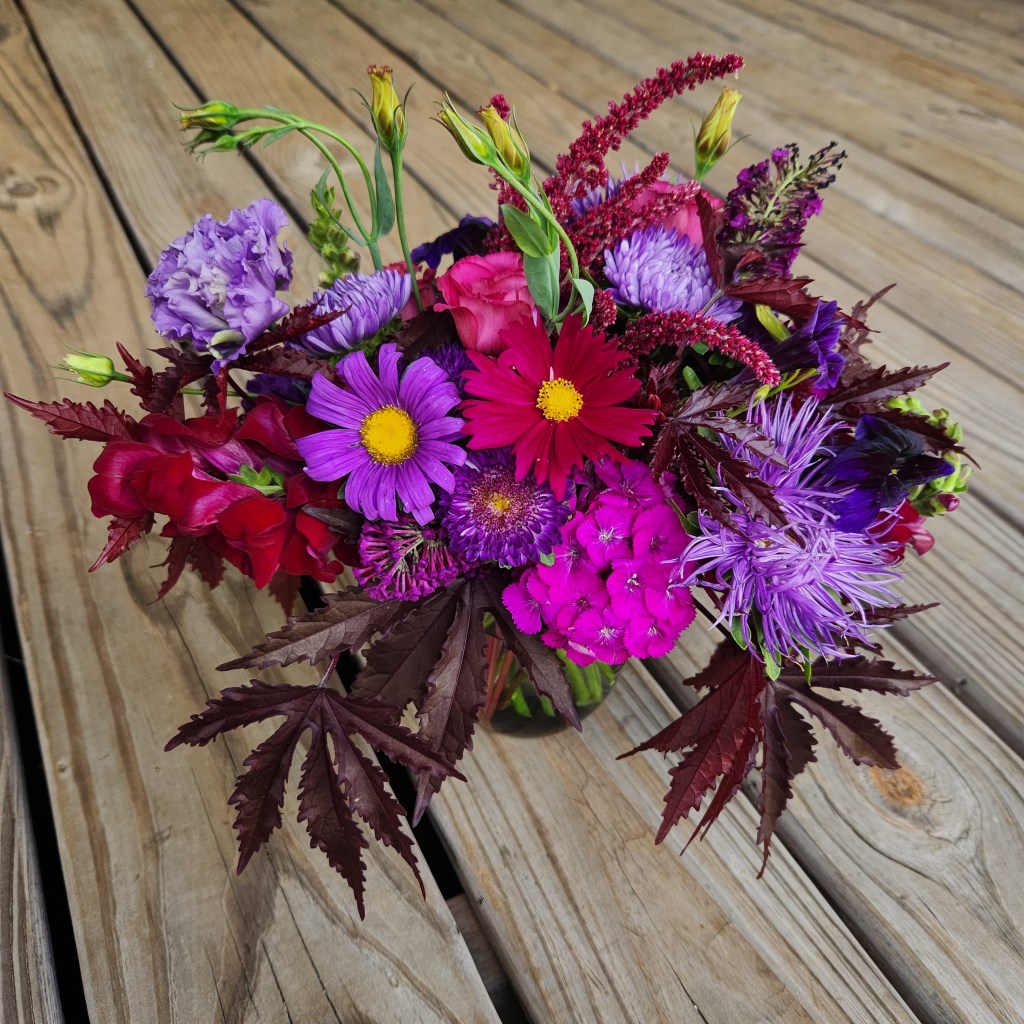
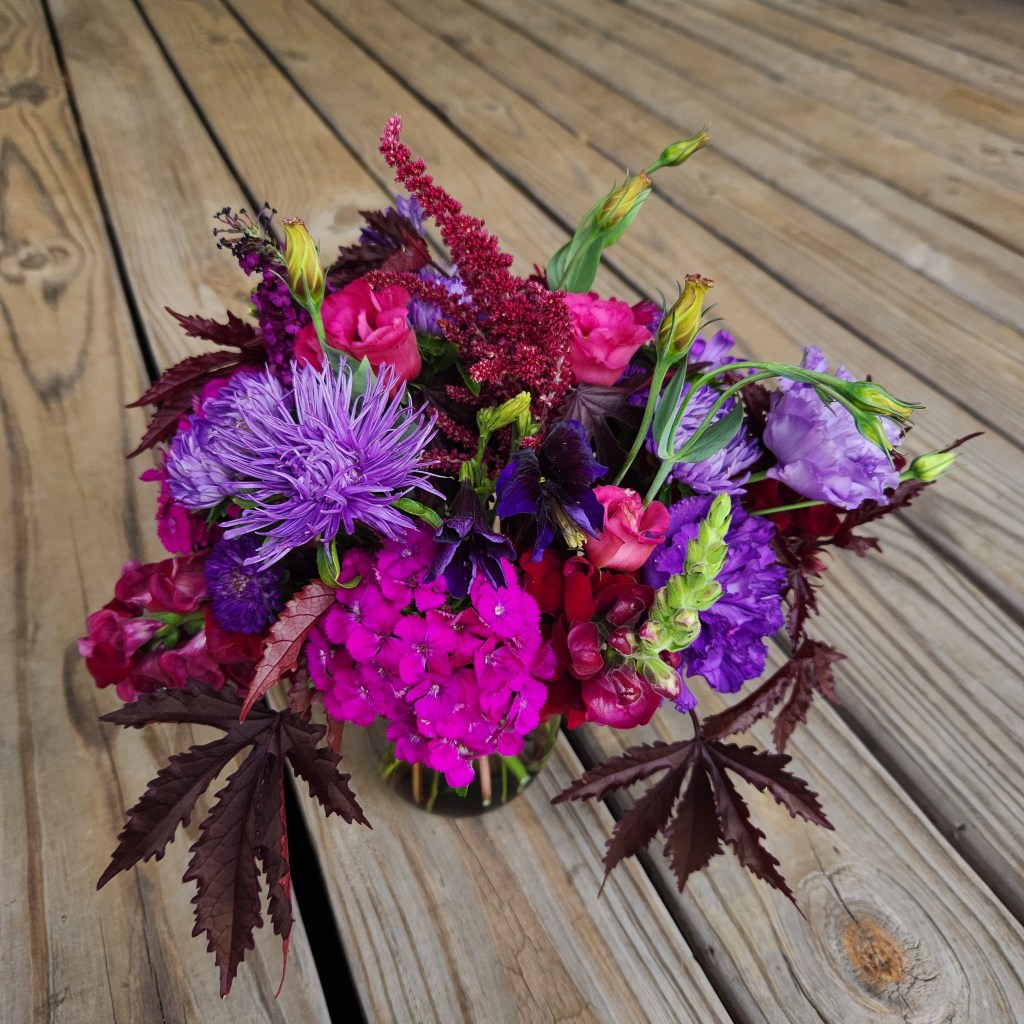
The garden is really popping, but school hasn’t started yet for selling bouquets. What to do?! Flower-bomb people!
Bright bouquet: Zinnias, Celosia, Rudbeckia, Snapdragons, Amaranth, Buddleia, Euonymus
Purple bouquet: Asters, Lisianthus, Dianthus, Snapdragons, Salpiglossis, Mahogany Hibiscus, Buddleia, Amaranth
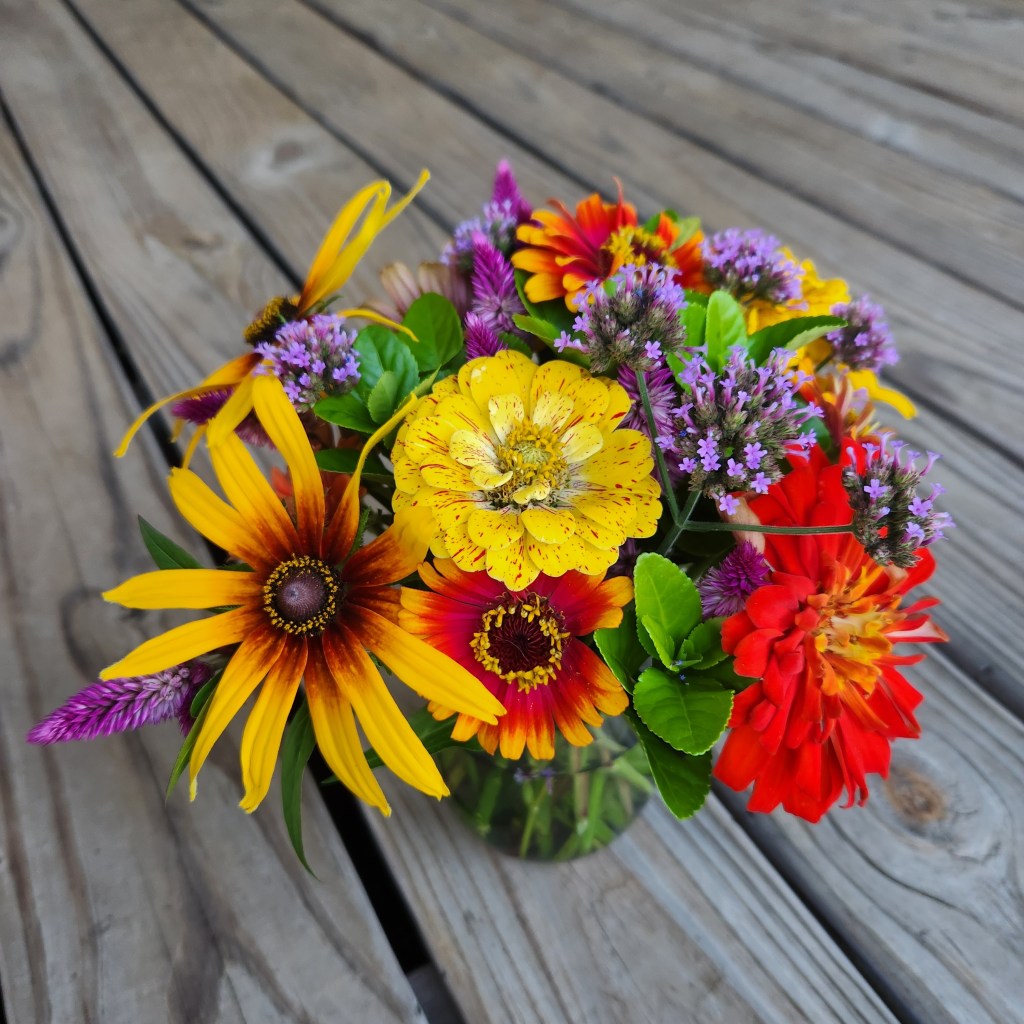
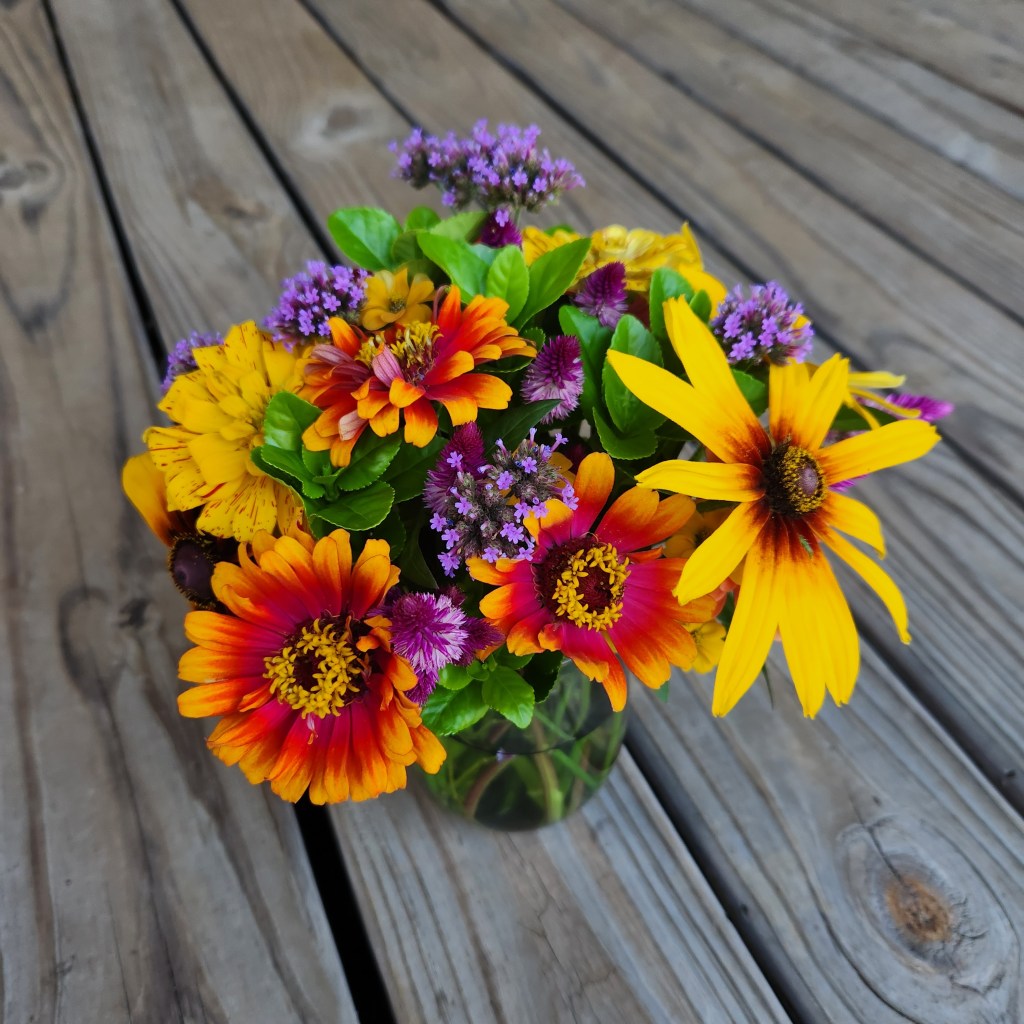
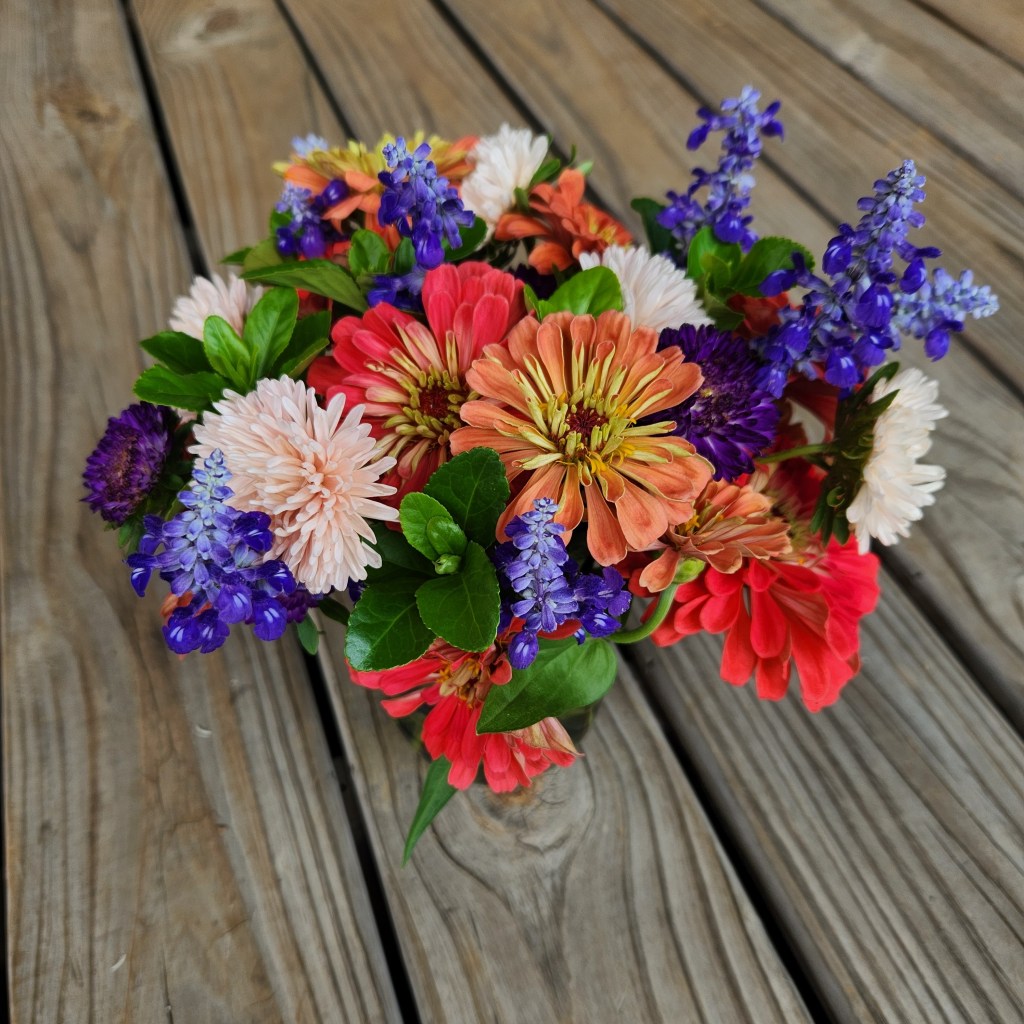
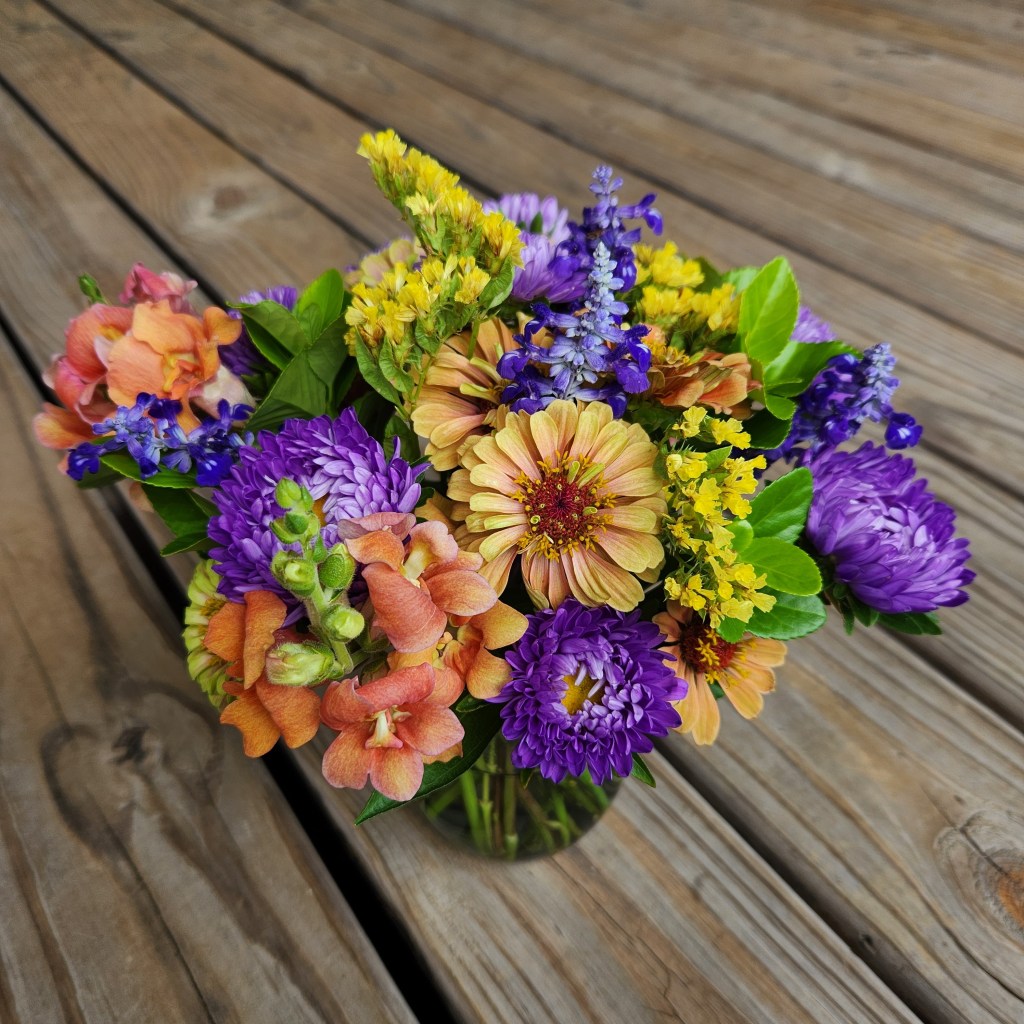
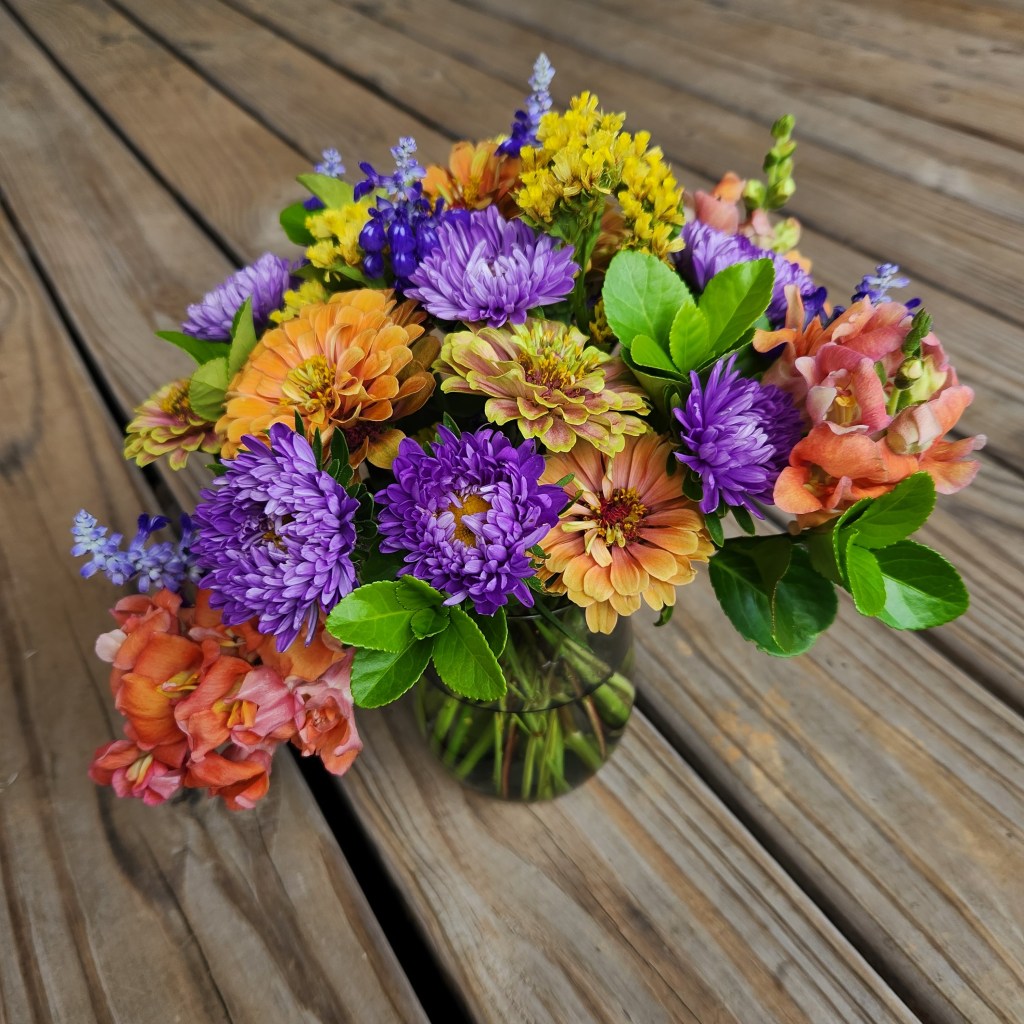
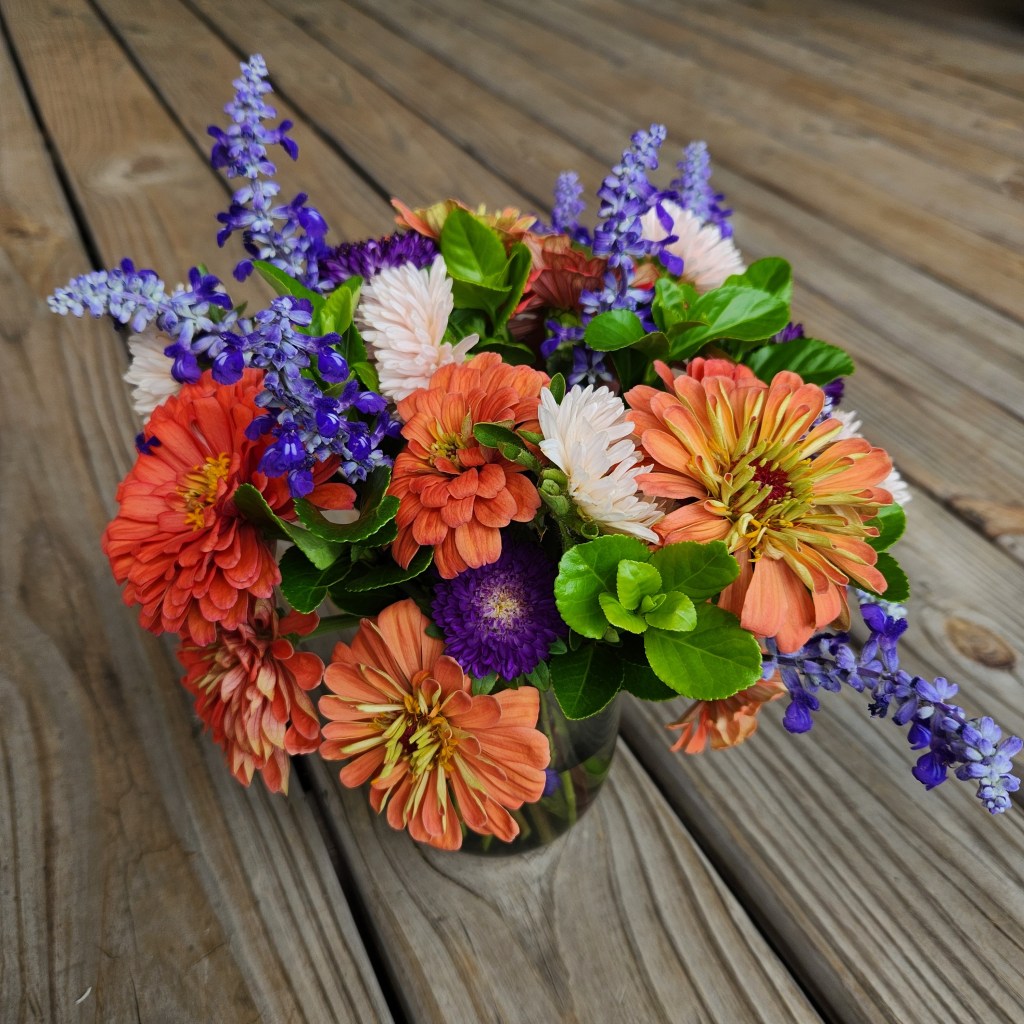
I picked up some freebies on Craigslist, and came back around to drop these babies on folks’ porches, texting, “You’ve been flower bombed!” OK, we kept one. 😉
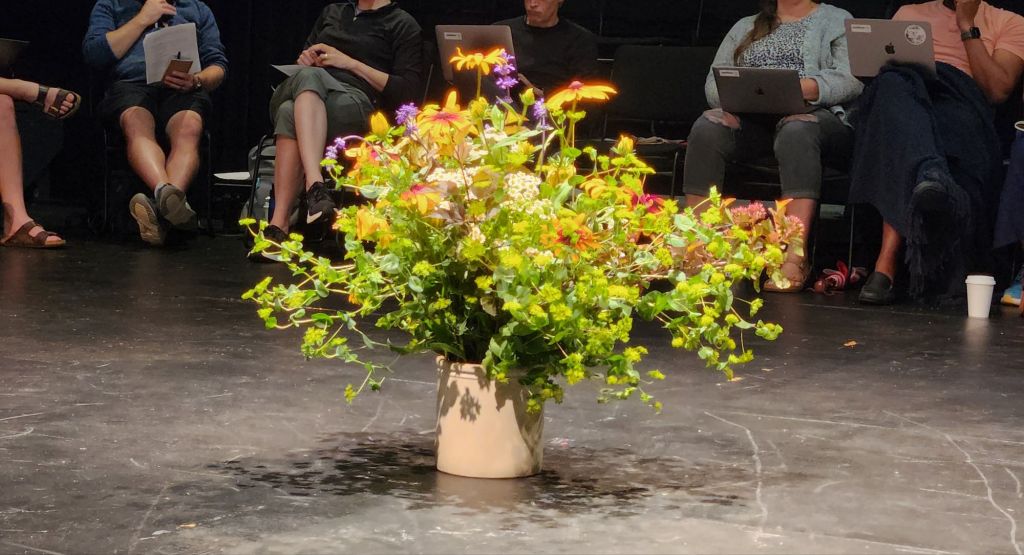
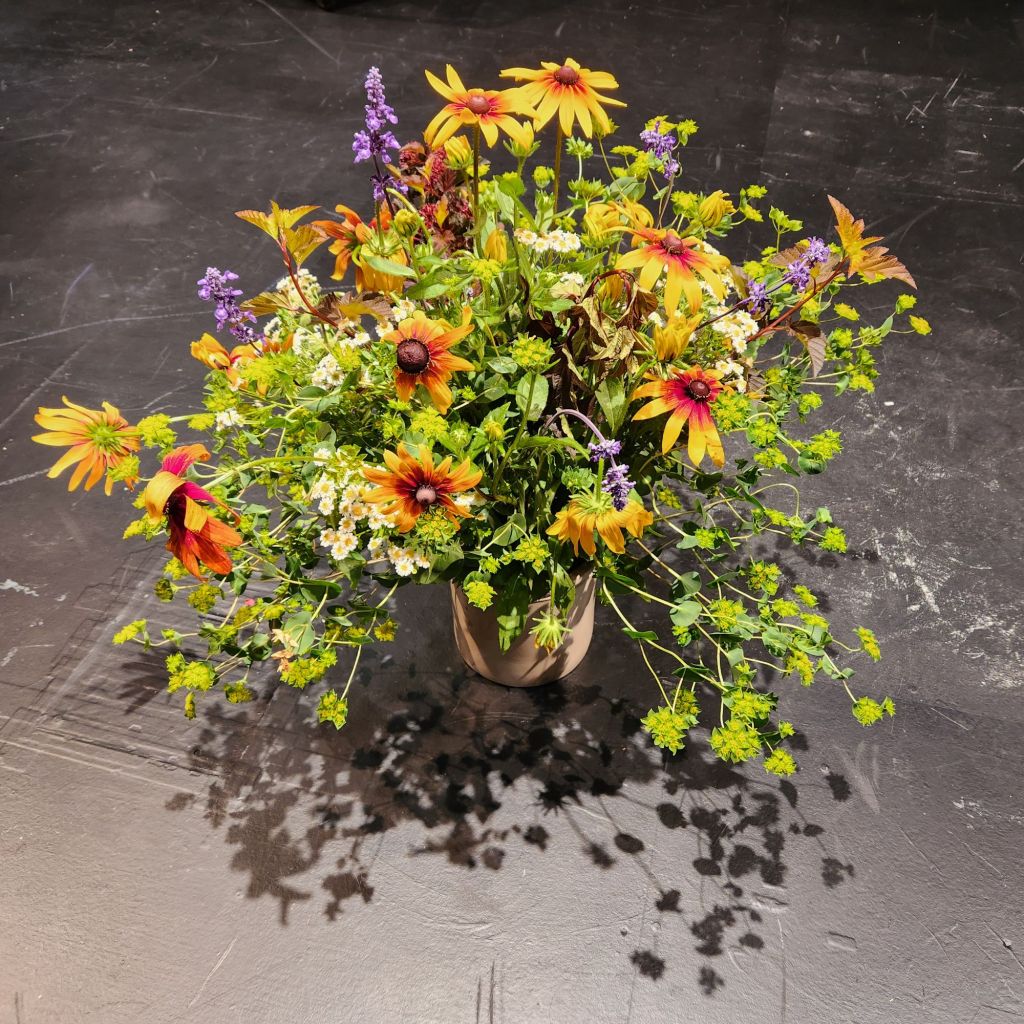
I wanted to make a big bouquet for our end-of- the-year faculty meetings. It just barely fit in my car.


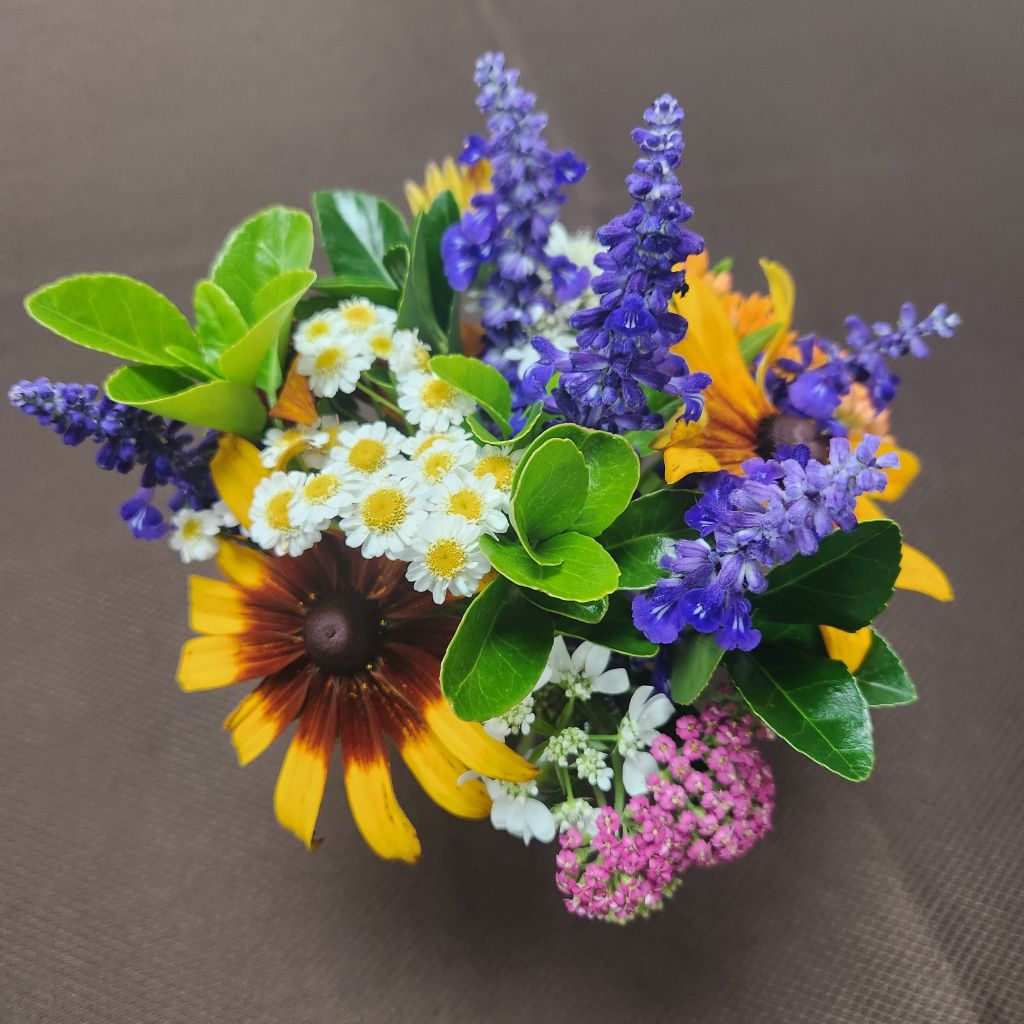
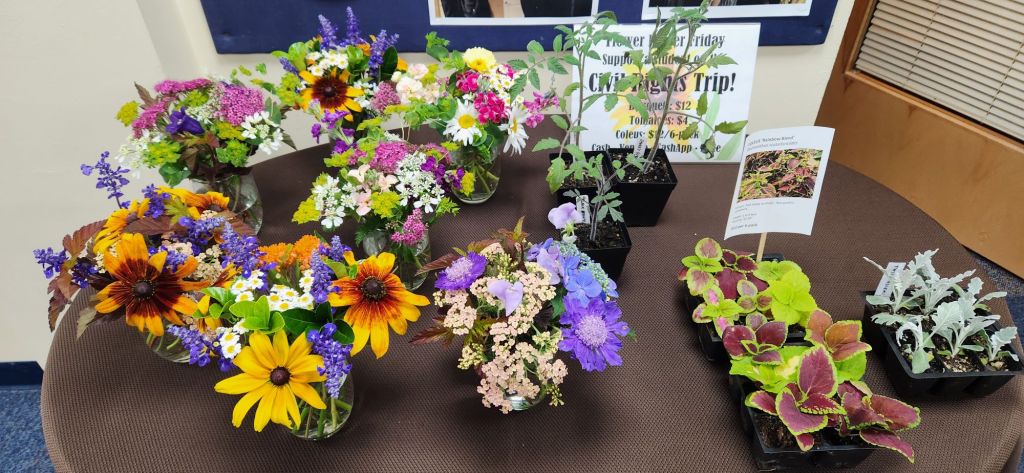
Today would have been my father’s 100th birthday.
His favorite flower: Roses
His favorite dessert: Lemon meringue pie
His favorite color: Blue
His favorite daughter: Me!
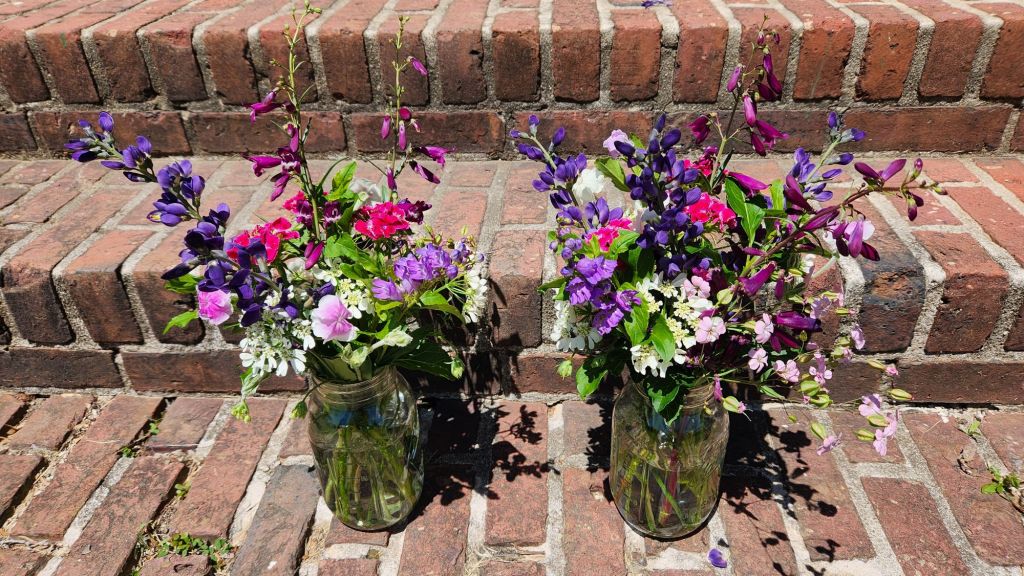
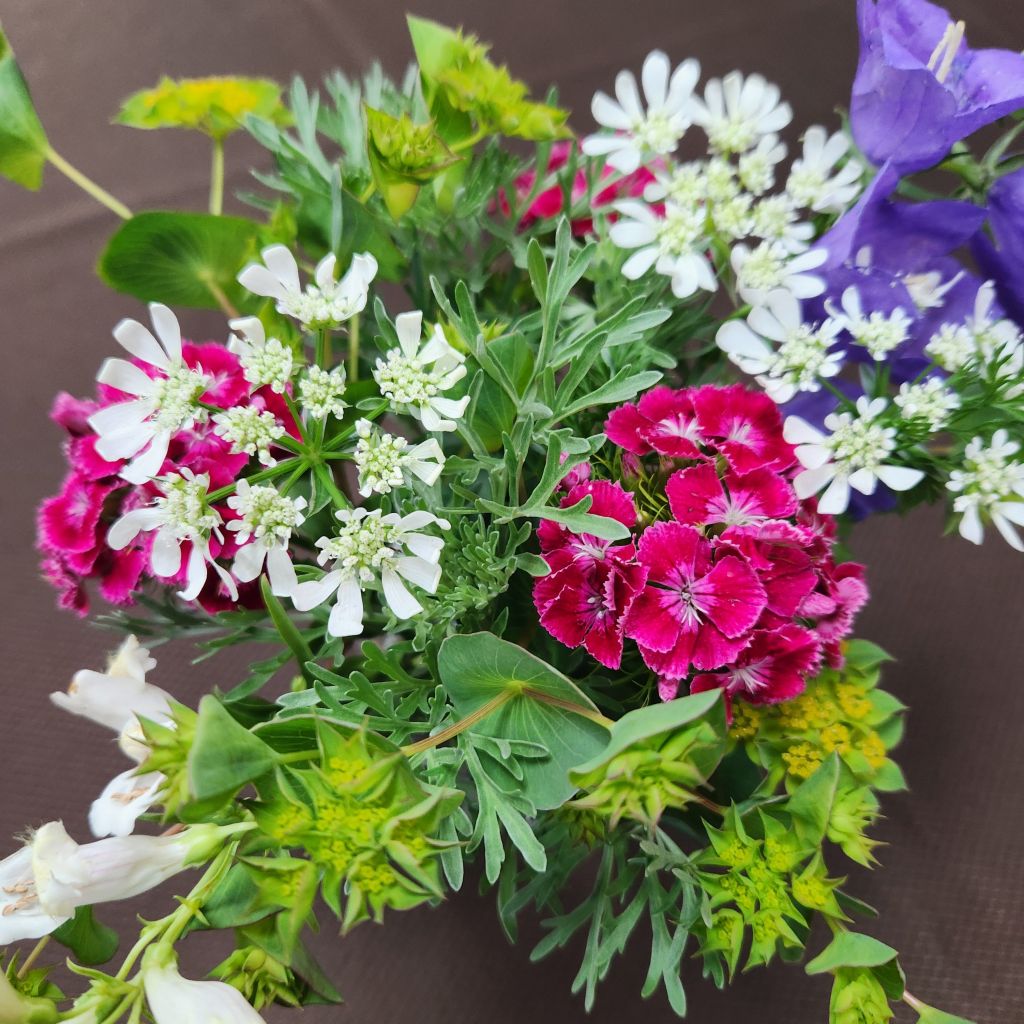
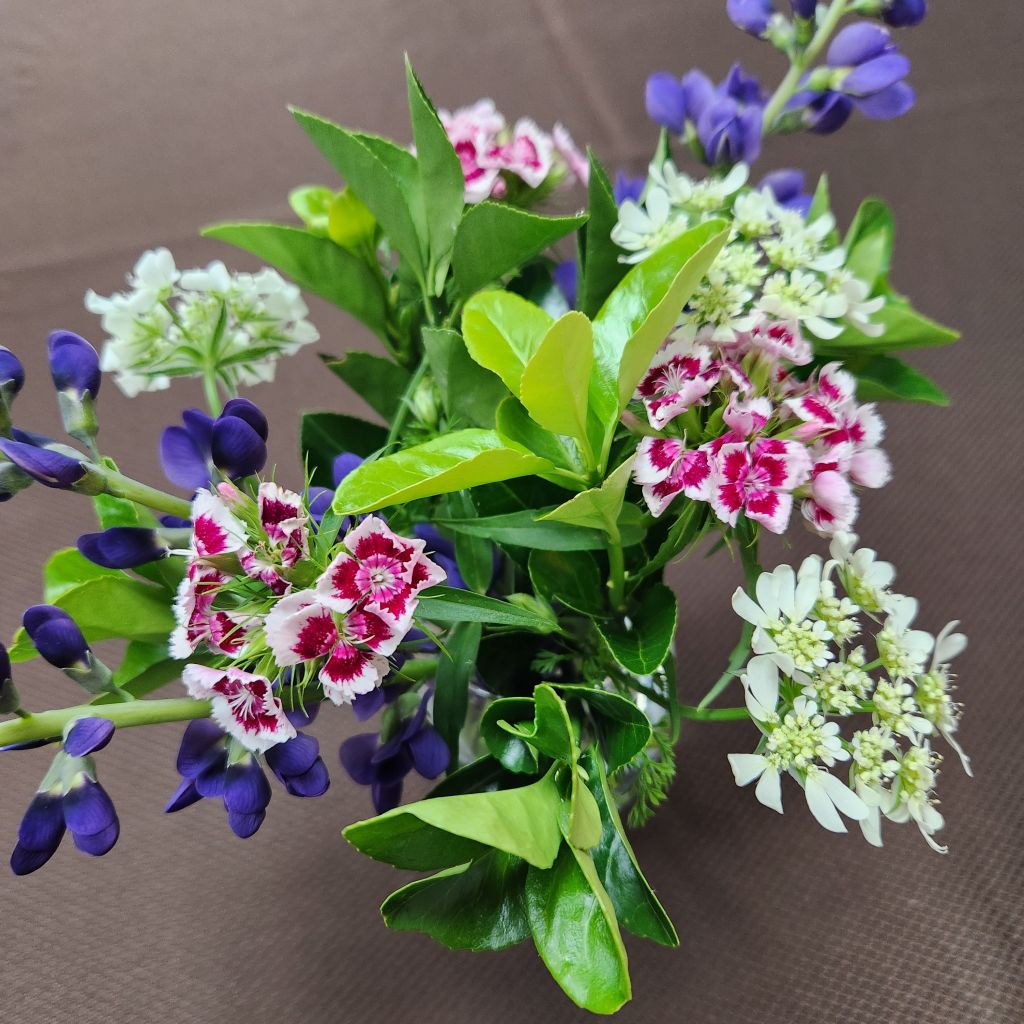
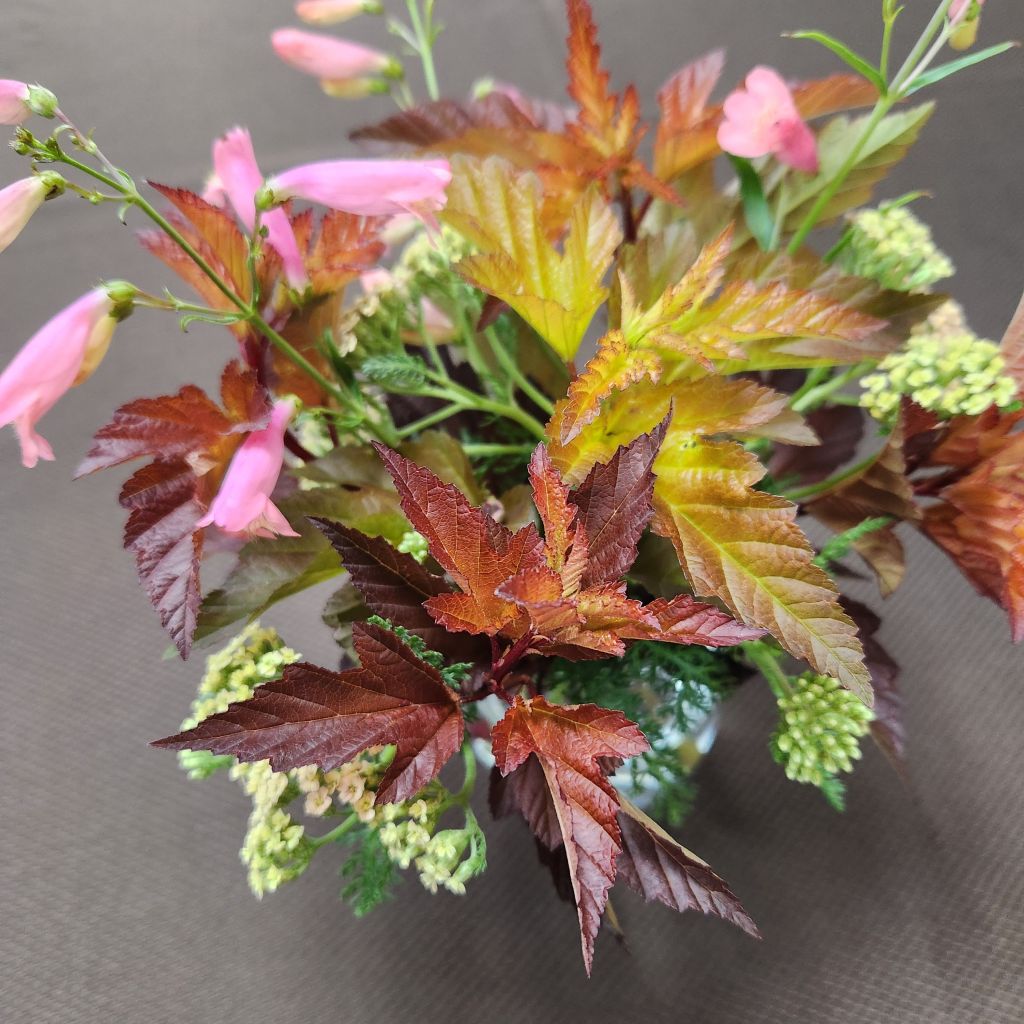
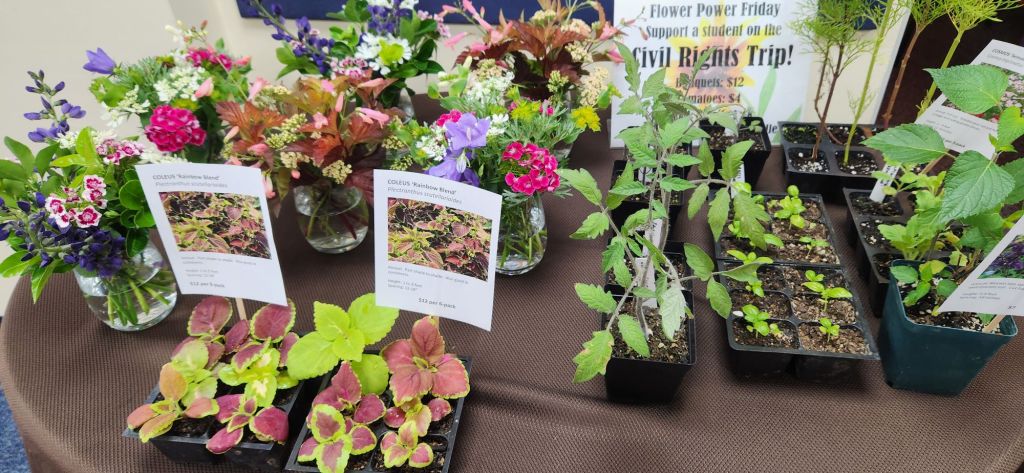
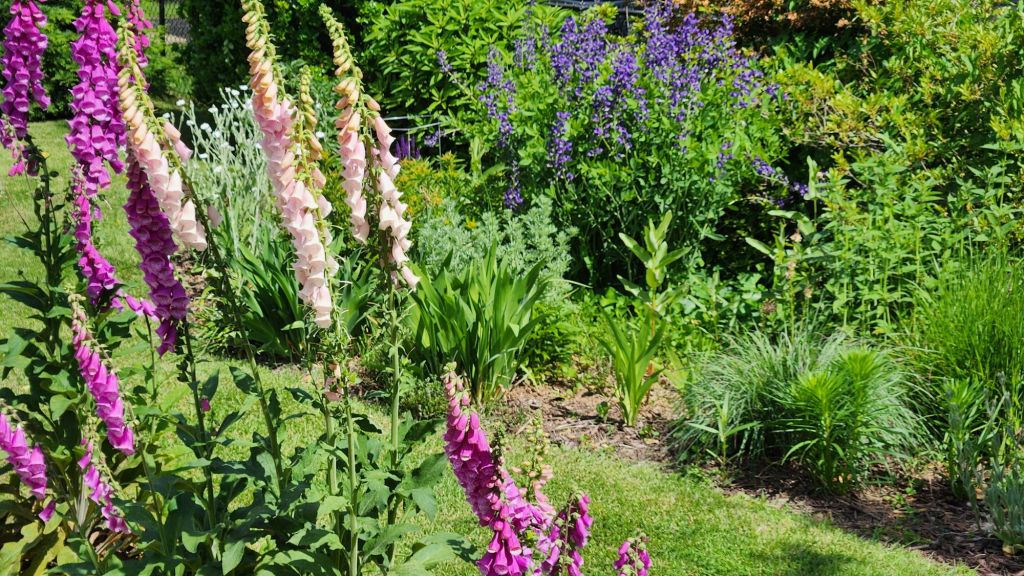
I finally gave up on trying to grow my beloved delphinium in this area; it’s just too hot for them. Now, the foxgloves make my heart sing. Pink Gin for sure and Camelot Rose, I think…
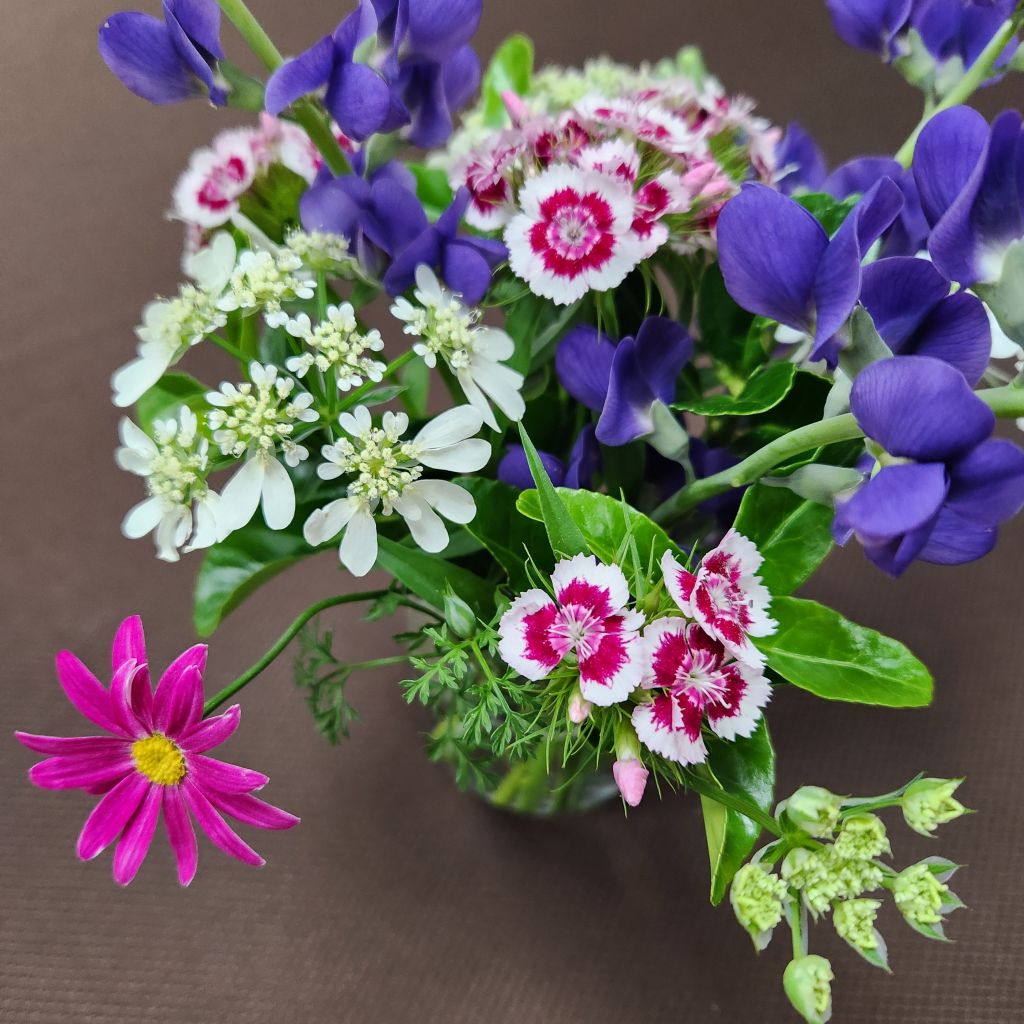

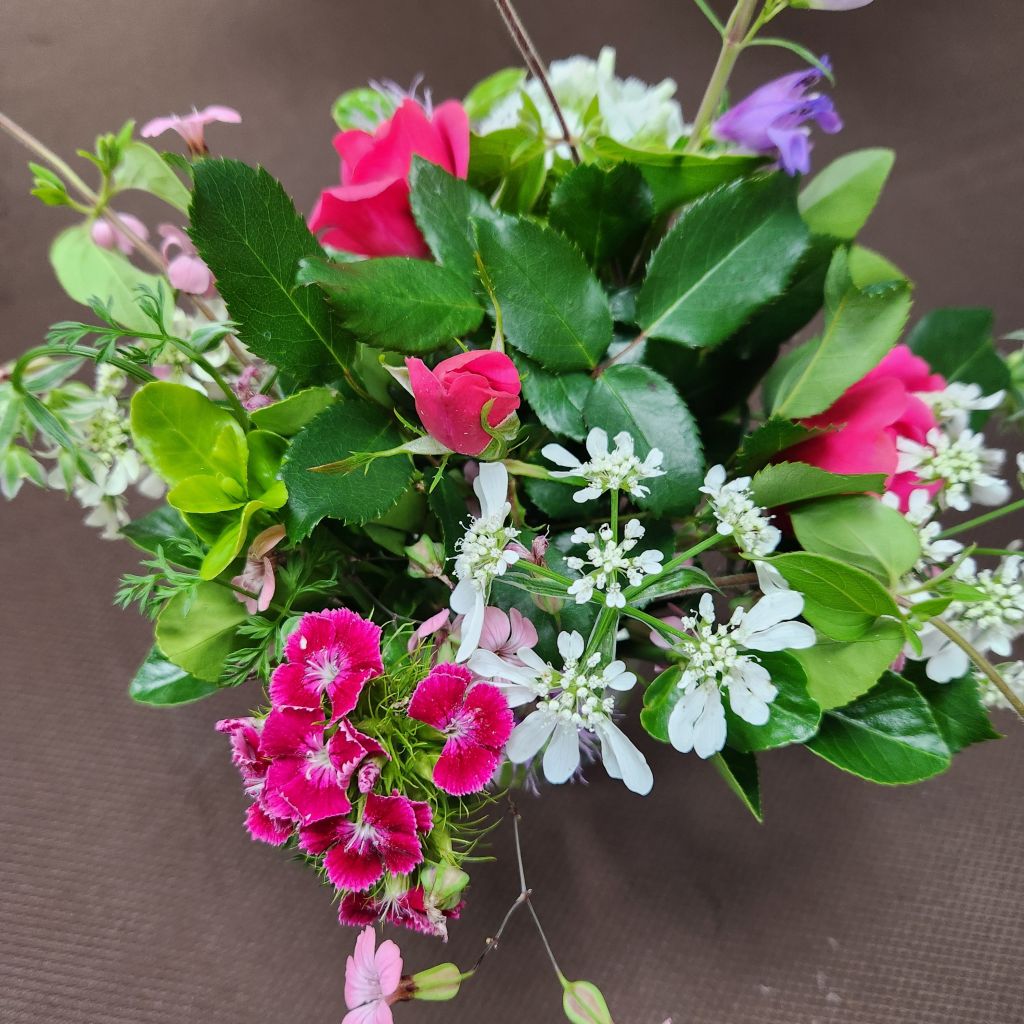


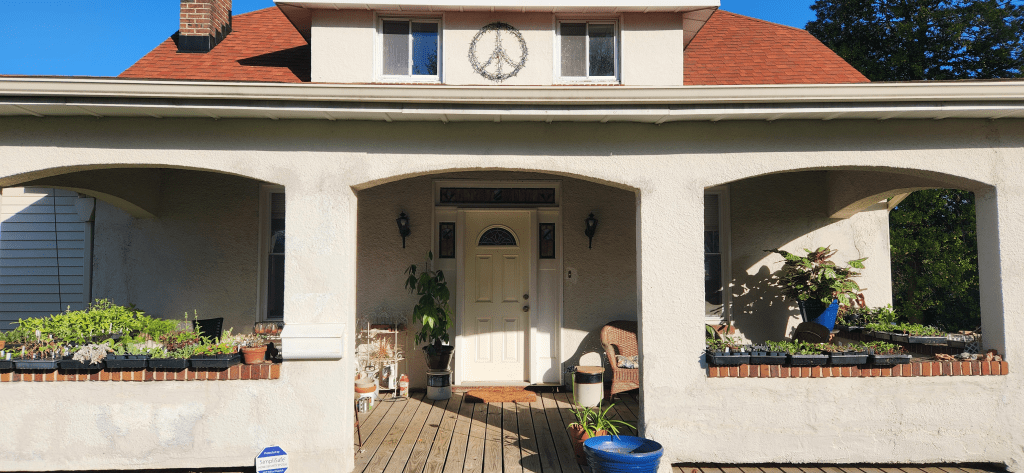
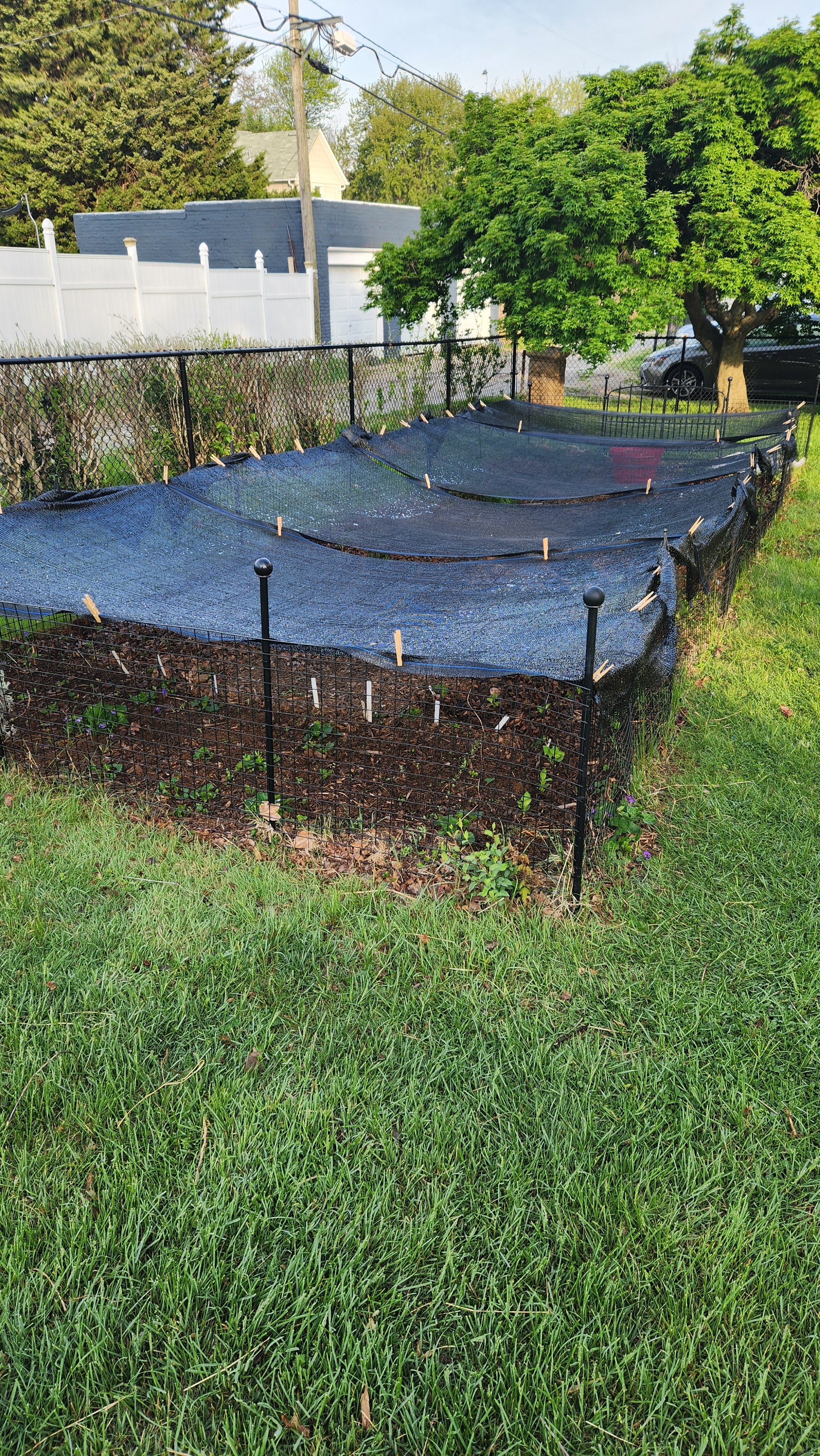
The weather forecast called for grey skies for several days, so I planted out a few trays of seedlings that had not been hardened off to the sun. And then the sun came out. And stayed out. For days. Saved by the shade cloth!
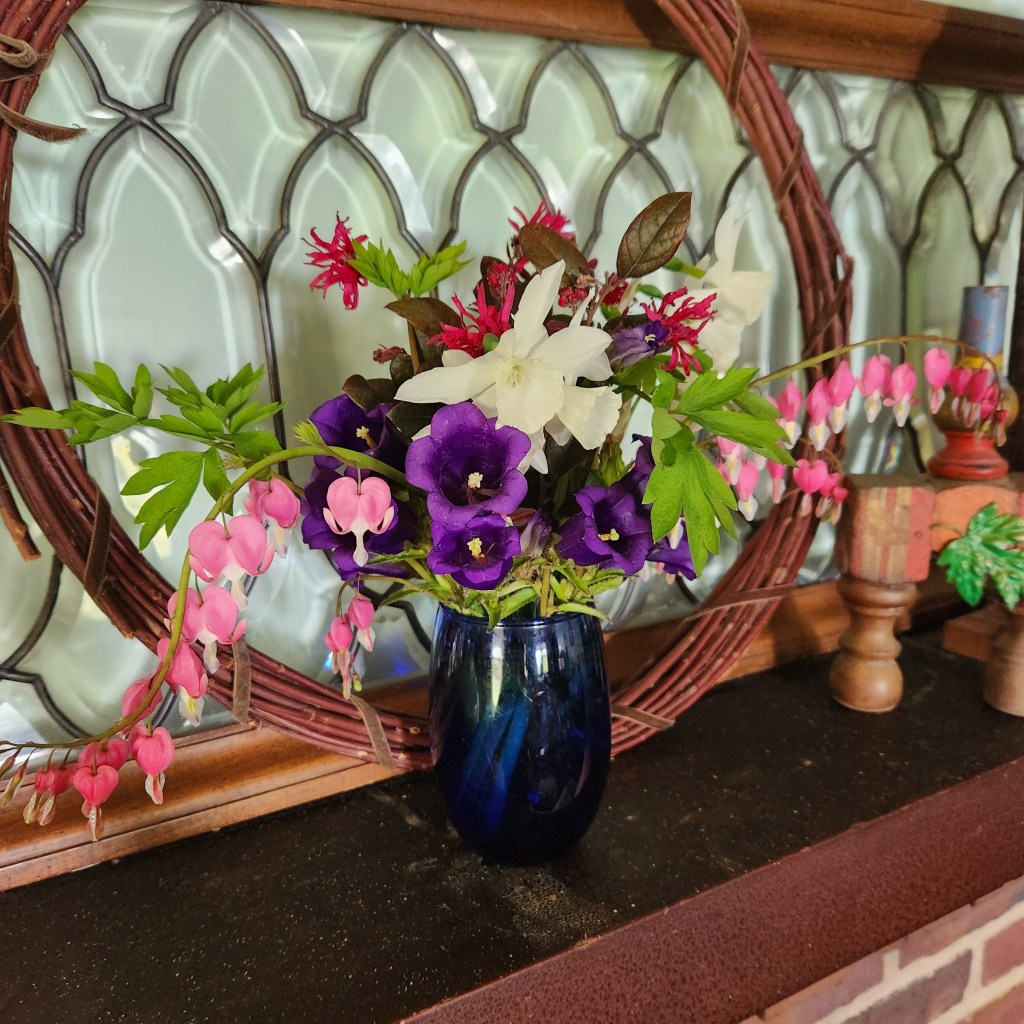
Fringe Flower, Thalia Daffodils, Bleeding Heart, and Canterbury Bells
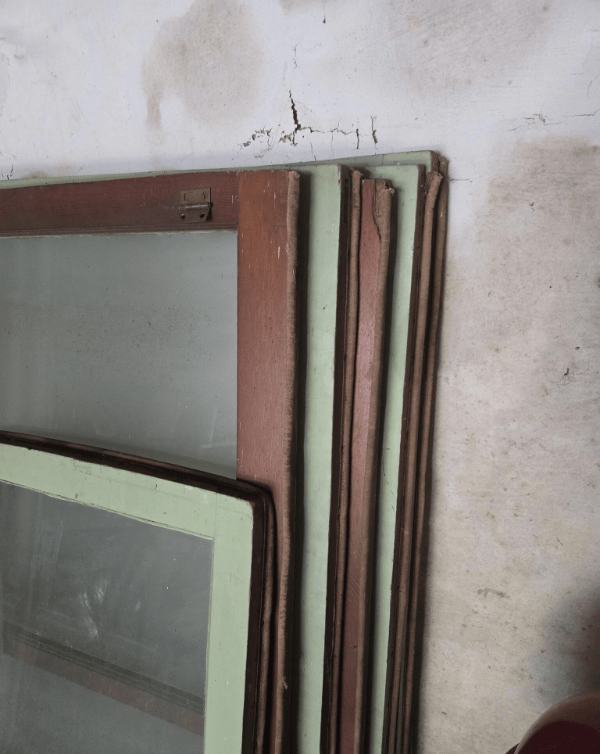
Some old windows that a neighbor was getting rid of…
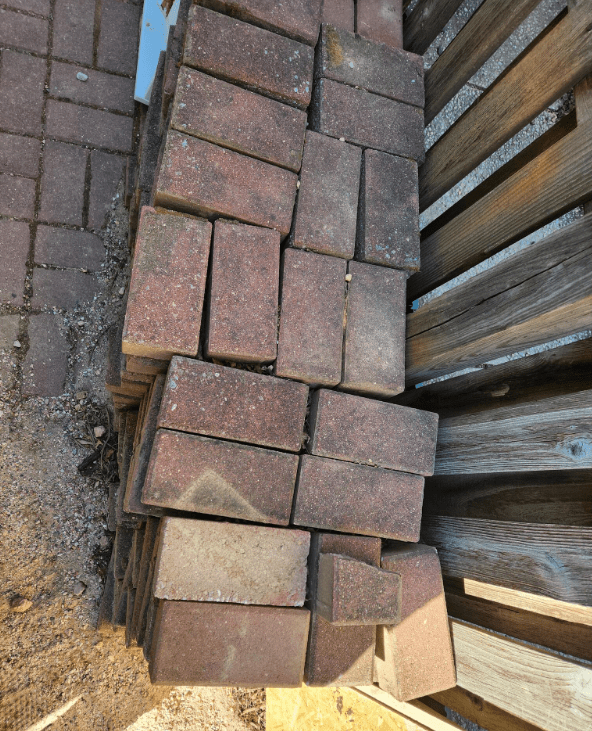
Plus some pavers a neighbor wanted to have moved…
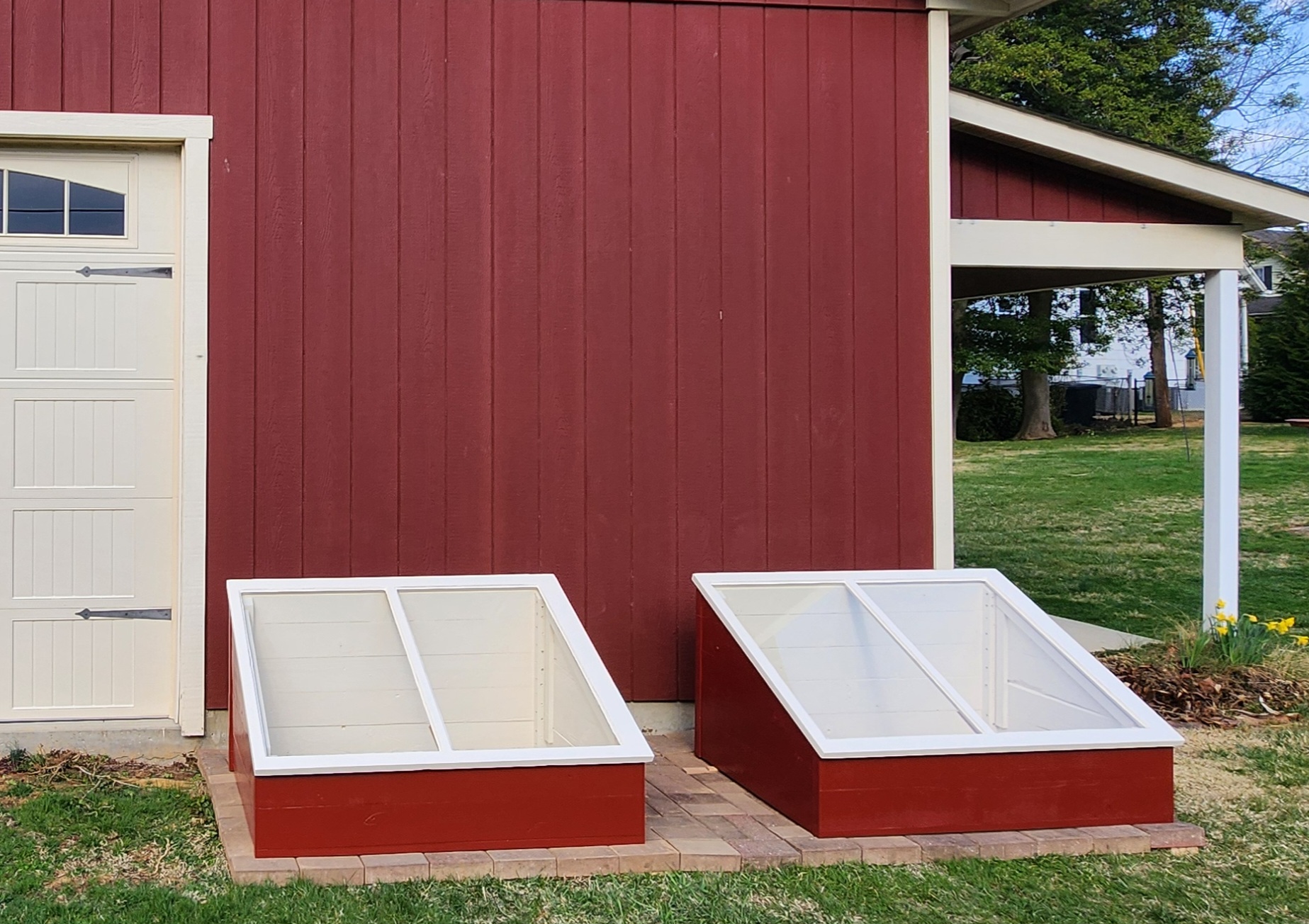
…makes for beautiful cold frames!
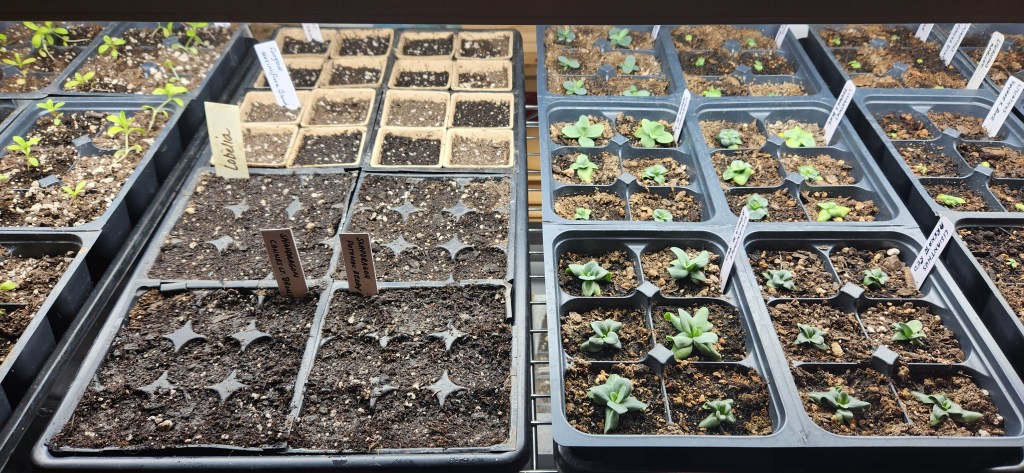
Left to right, front to back: Sweet William, Snapdragon, Lobelia, Foxglove, Lisianthus galore.
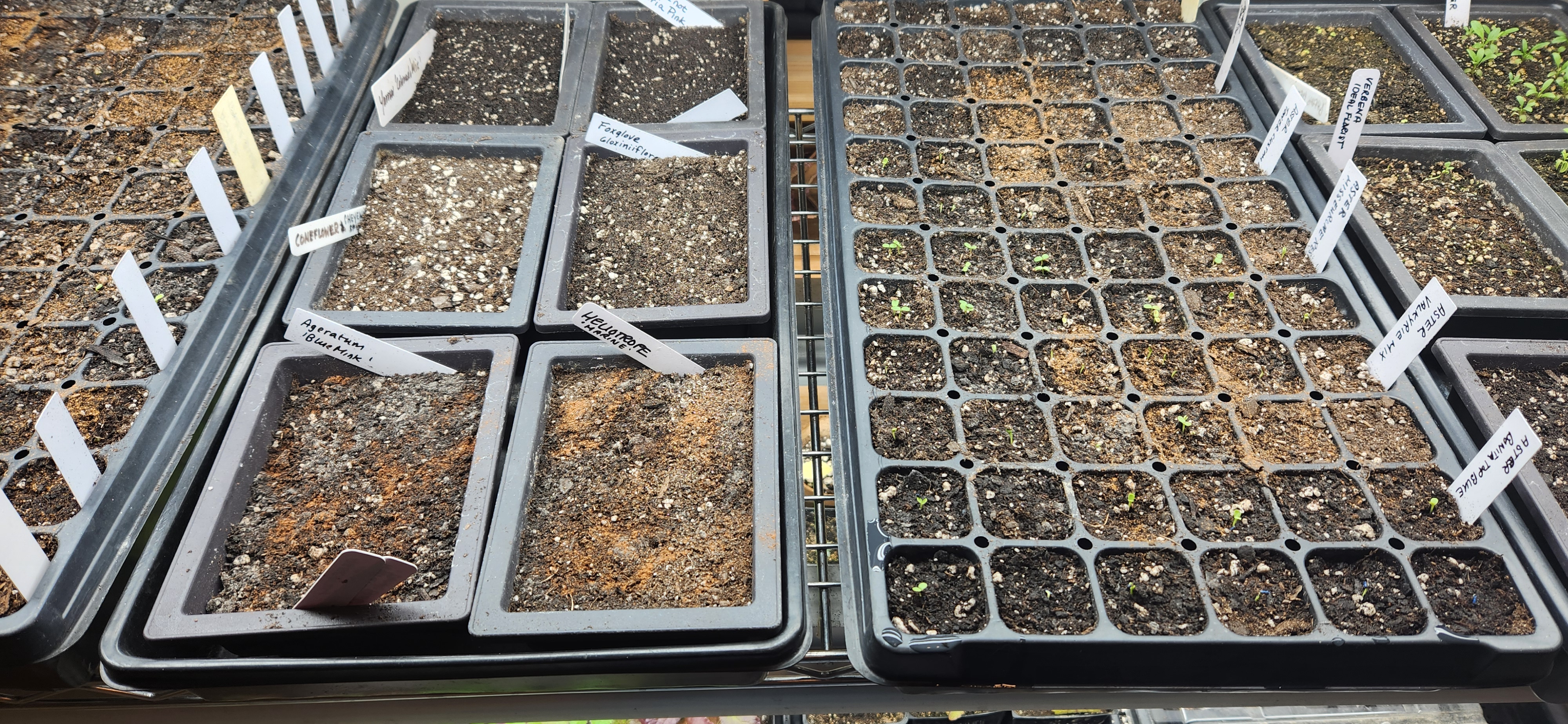
Asters, Ageratum, Heliotrope, Coneflower, Foxglove, Yarrow, Clarey Sage.
I’ve been having issues with grey mold this year, and sprinkling cinnamon has definitely been helping.
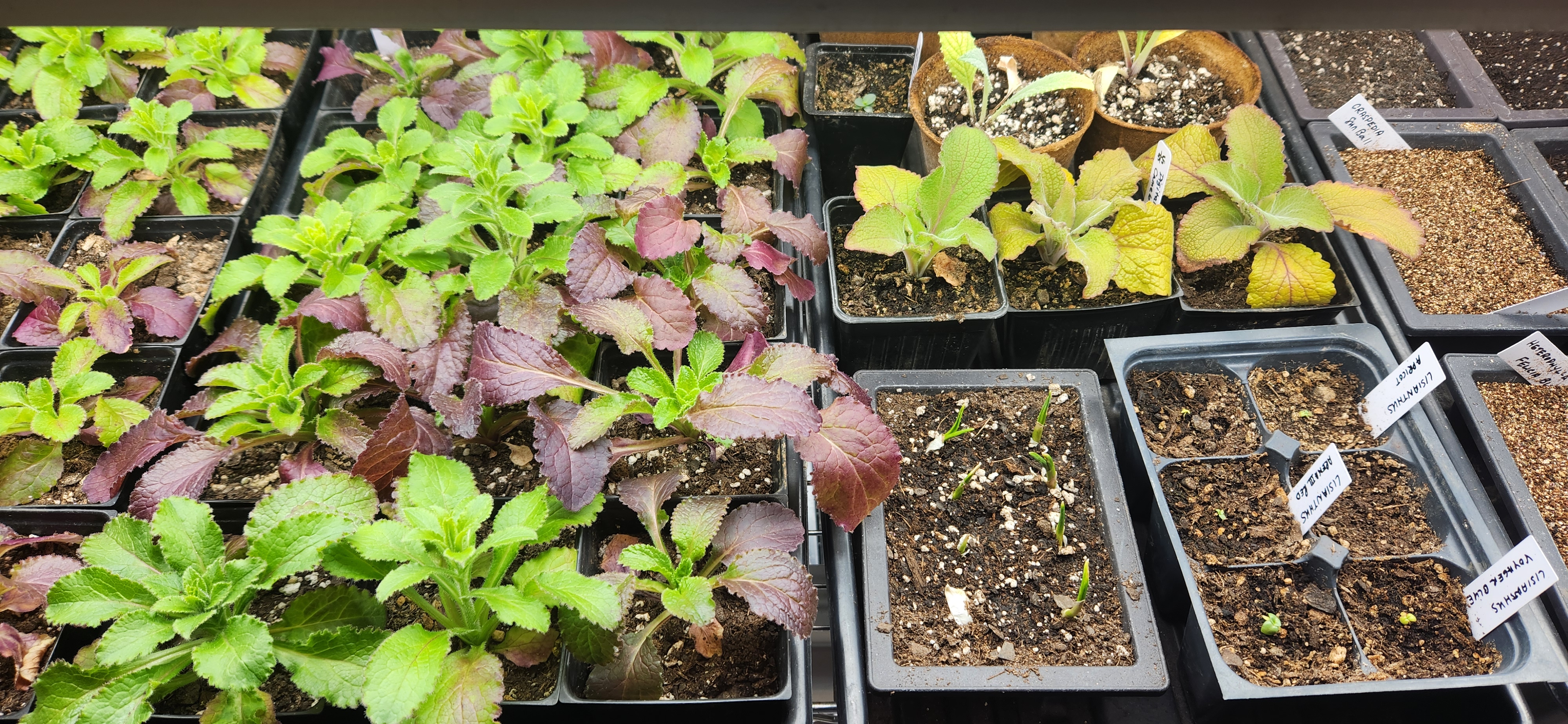
Canterbury Bells, grocery-store garlic that sprouted, Lisianthus, Foxglove, Artichoke (peat pots), Blue Daisy (Felicia Heterophylla), Craspedia. Out of view: Peached-leaved Bellflower, Asters, Coleus
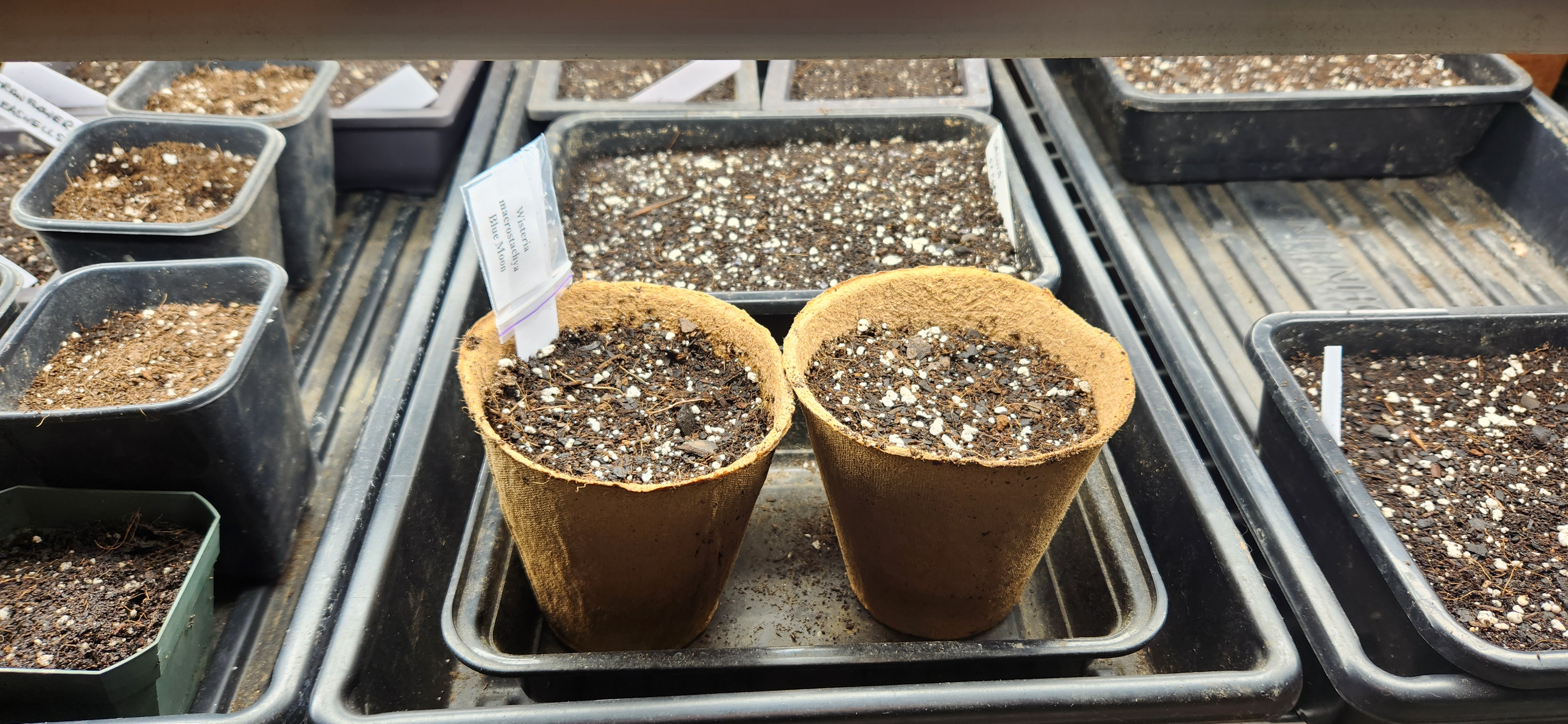
Mahogany Hibiscus, Strawflower, Stock, Alla‘s Wisteria, Salvia, Milkweed, Gomphrena, Amaranth, Baby’s Breath.
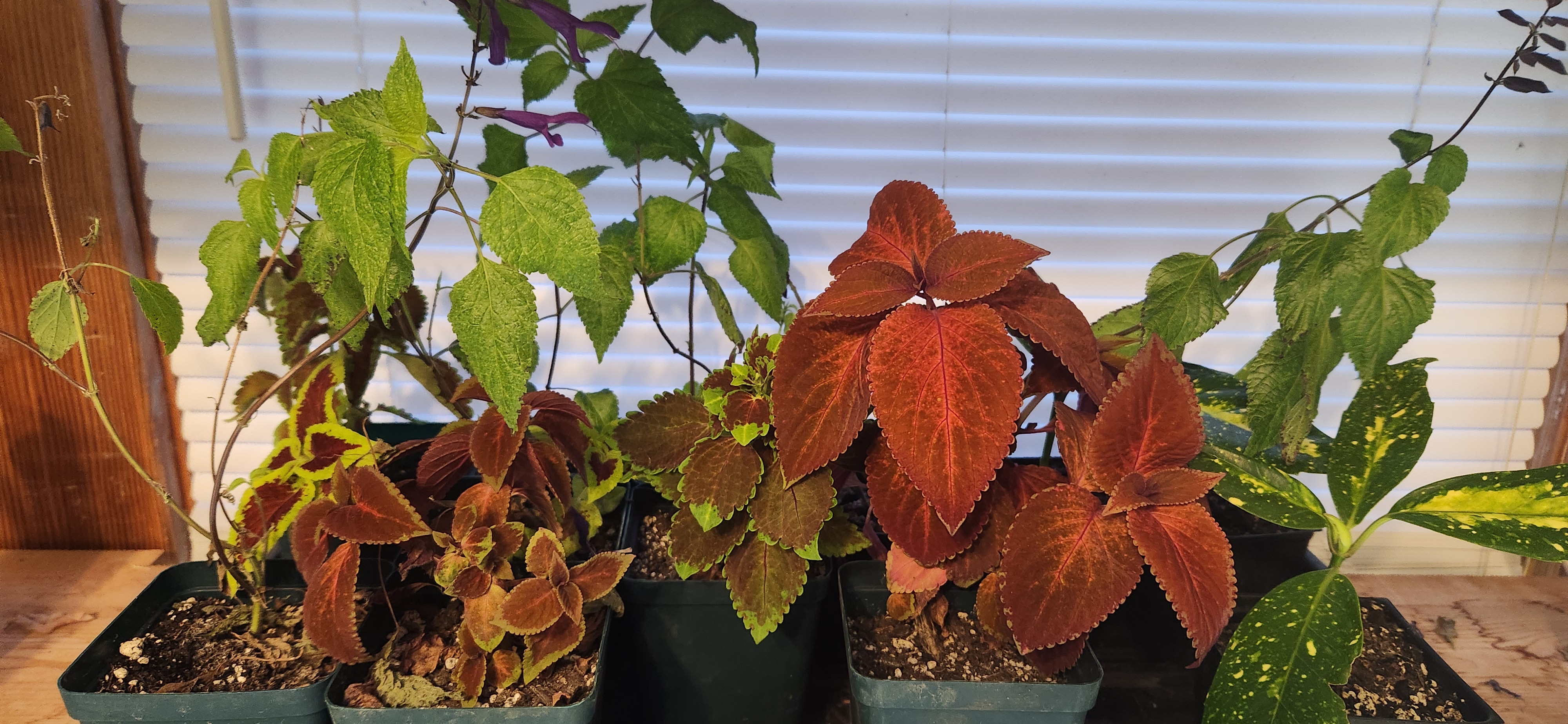
Cuttings from last year: Coleus, Aucuba, and Sage Amistad.
I am excited to be participating in an APADT seed study this year, a non-profit organization dedicated to preserving biodiversity and heirloom varieties, as well as educating growers. They are celebrating their 50th year of doing this work. I started the Amaranth seeds last night.
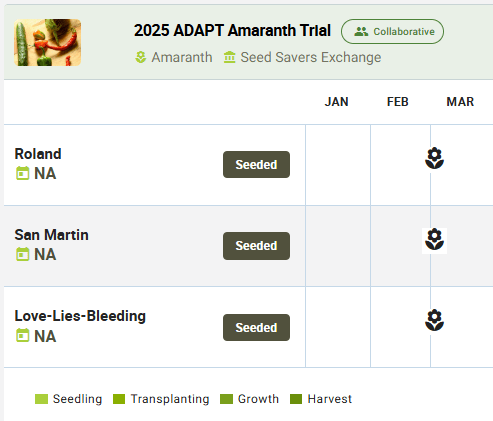
As a physicist, grower, mountain biker, and citizen, I deeply appreciate the need for good data to inform good decision-making. Whether it’s what to wear on a hilly ride in the winter (I have a spreadsheet for that) or when I started the tomato seeds last year (yup, spreadsheet) or something far more serious, it is important to gather and share good data. I am happy to be a part of this work for Seedsavers.
This is yet another reason why I worry about rampant access to our nation’s data by an unelected, lie-to-your-face, grifting, break-first-and-ask-questions-later creep. As if we didn’t have enough to worry about.
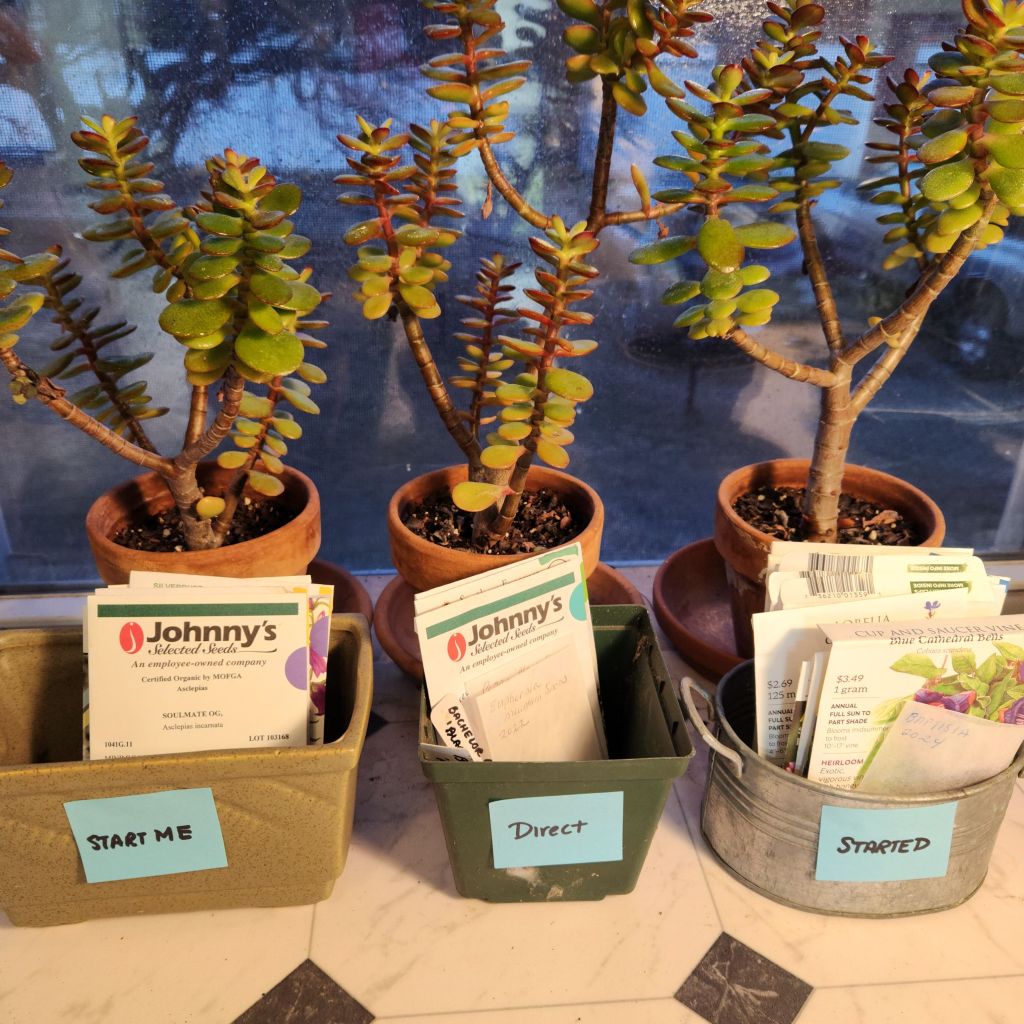
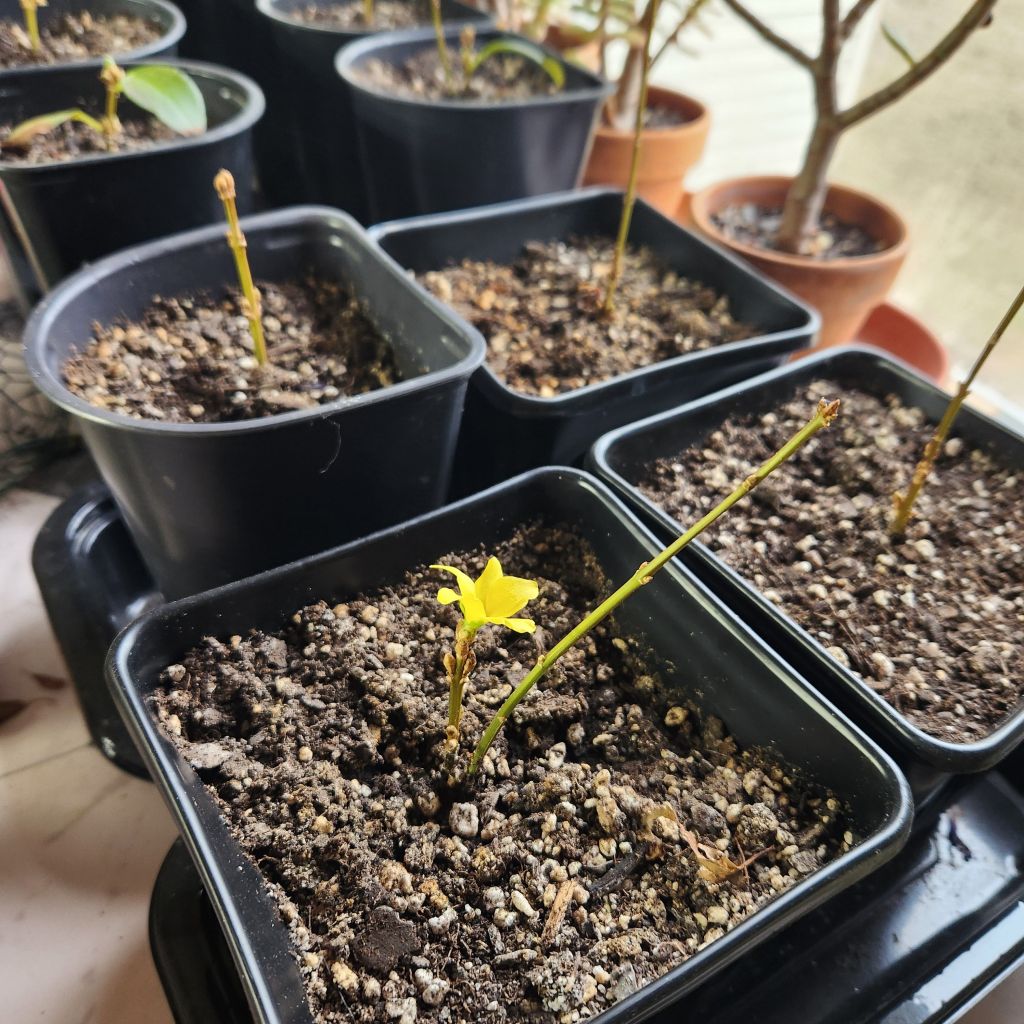
Last year’s cuttings made it after all.
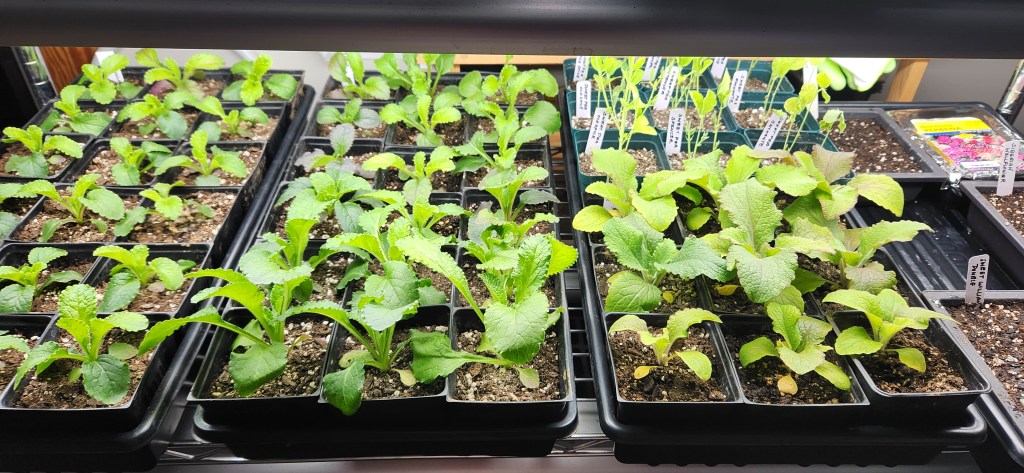
Top: Canterbury Bells, Foxglove ‘Camelot Rose’, Sweet Peas, and some seeds started today: Foxglove ‘Pink Gin’, Sweet William, Verbena ‘Ideal Florist’, and Siberian Wallflower.
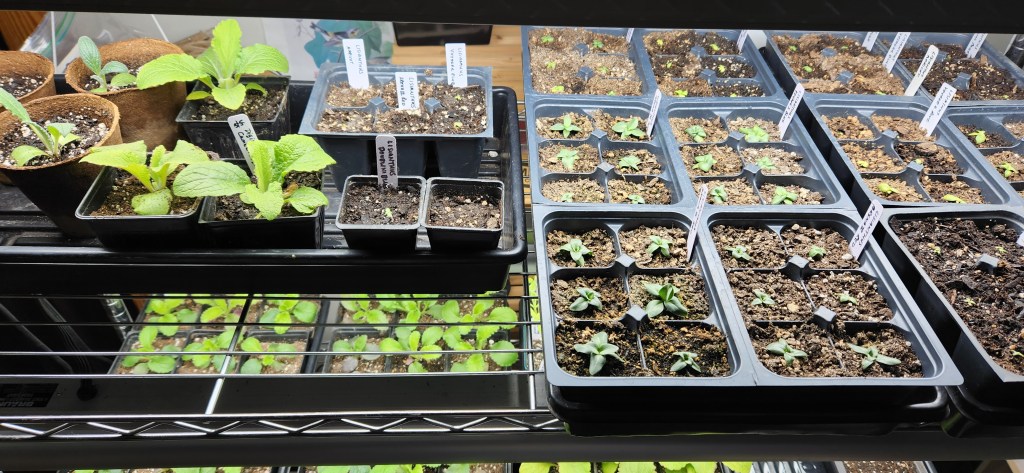
Bottom: Artichokes, Digitalis ‘Camelot Rose’, barely-there Lisianthus & gonna-make-it-Lisianthus.
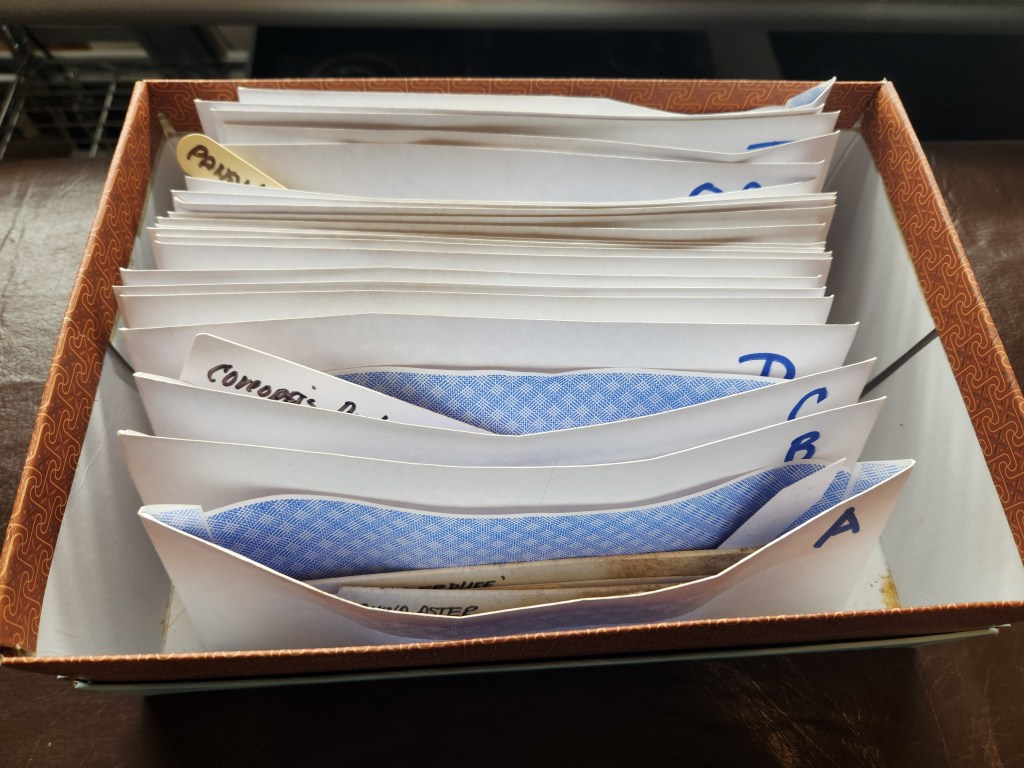
I was finding that I kept having to buy more plant labels. I had tried removing the ink on them with alcohol for reuse, but it took too long and really didn’t work well. I finally got around to making a file for them — with a set of letter-size envelopes and a shoebox.
Today, I had labels at the ready for each kind of flower seed that I started, and they were easy to find!

It’s the last day of 2024. Such hope is needed…
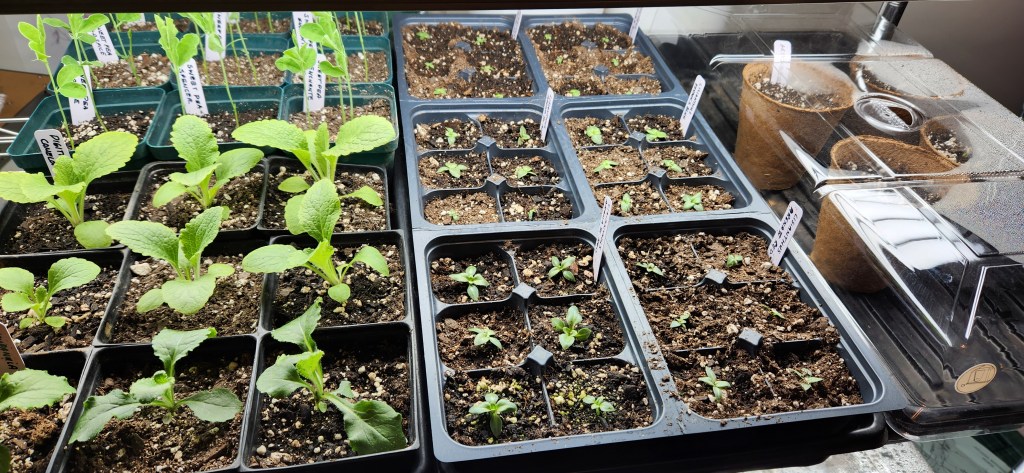
Sweet peas, Digitalis, Campanula, Lisianuthus, and Artichokes, which I’ve never grown before
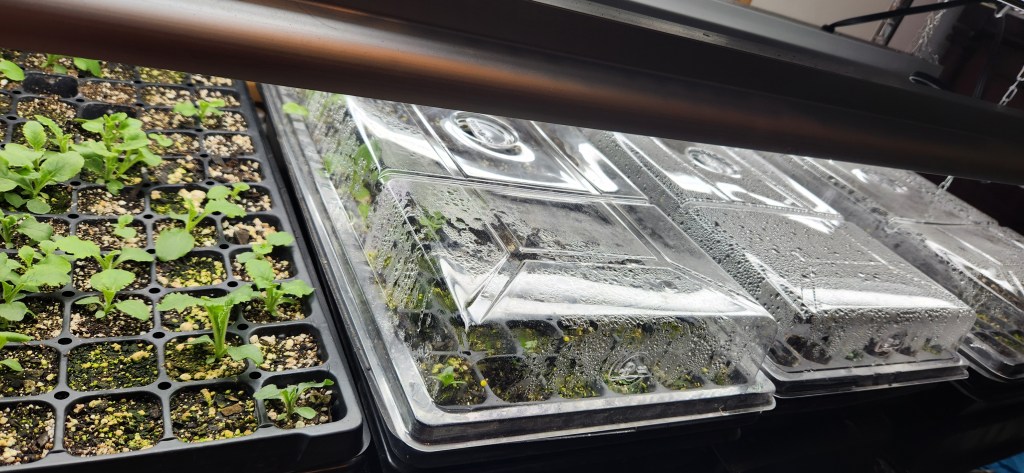
I accidentally started so much Campanula; I had misidentified the seeds. Doh. More Lisianthus (mostly wishful thinking) and Digitalis under the hats.

Some cuttings from the yard… Aucuba, Salvia ‘Amistad’, Coleus, and some purple sage
Lucky me! We had another delivery of leaves that were raked up by students on the Civil Rights Trip as a fundraiser. Soooo many paper bags full of leaves. I feel rich.
We looked at the paper bags full of leaves. We looked at the roll of contractor bags we planned to put them in. We looked back at all of those leaves.
And all of the sudden we were totally grossed out by all that potential single-use plastic. So I cleaned out one of the compost bins and started emptying bags. (And our Resident Expert folded up the paper bags to return for reuse.)
I am so pleased that they all fit! It will take a little longer to decompose than they would in those plastic bags, but I can wait. Gardeners play the long game.
Rain is coming —

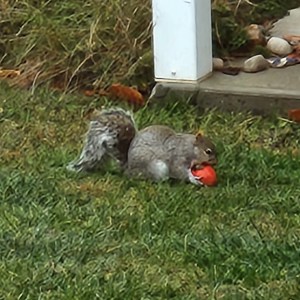
Someone else is eating well today —
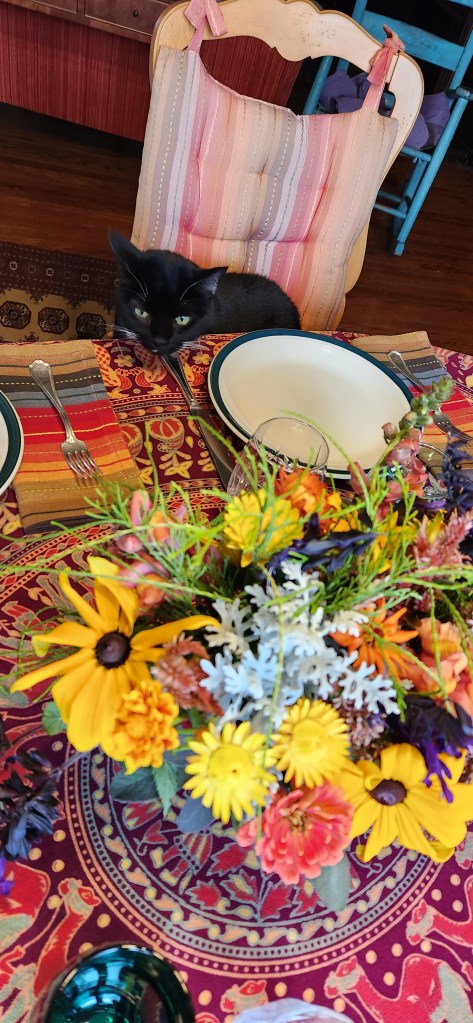
And someone wishes she were eating flowers…
How in the world am I supposed to keep zoysia grass out of my garden beds when it can do THIS to my poor, unsuspecting Thanksgiving potatoes?! So creepy.
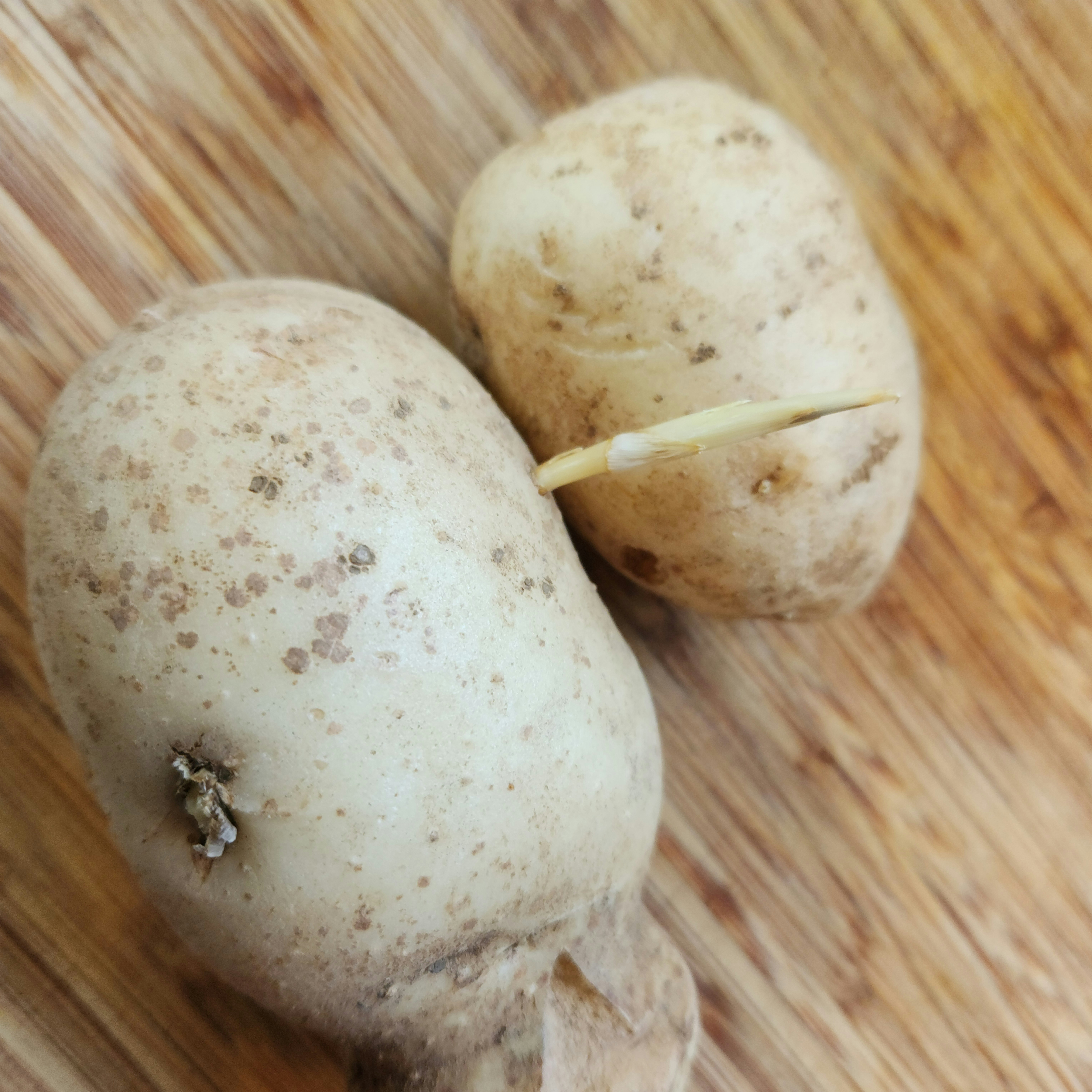
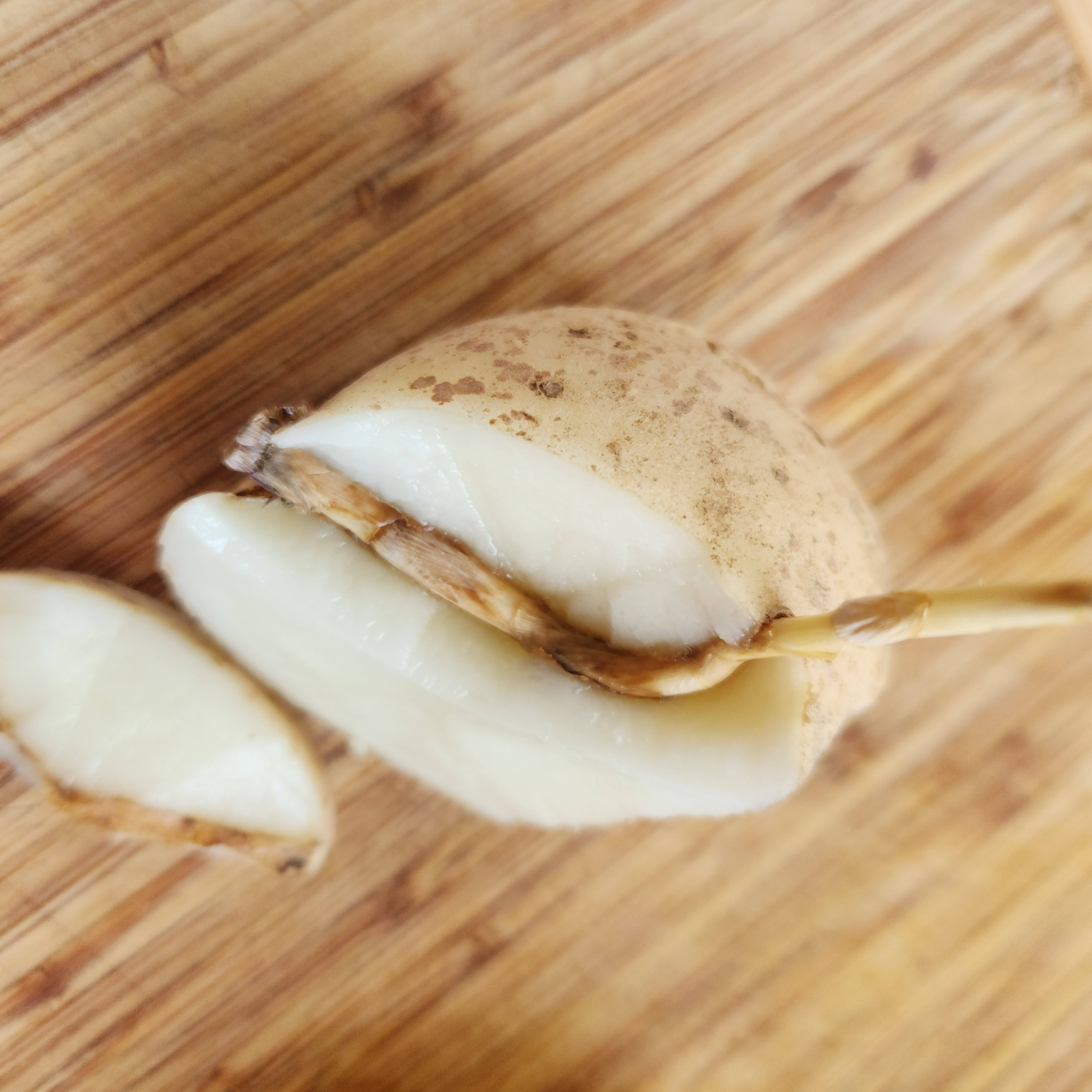
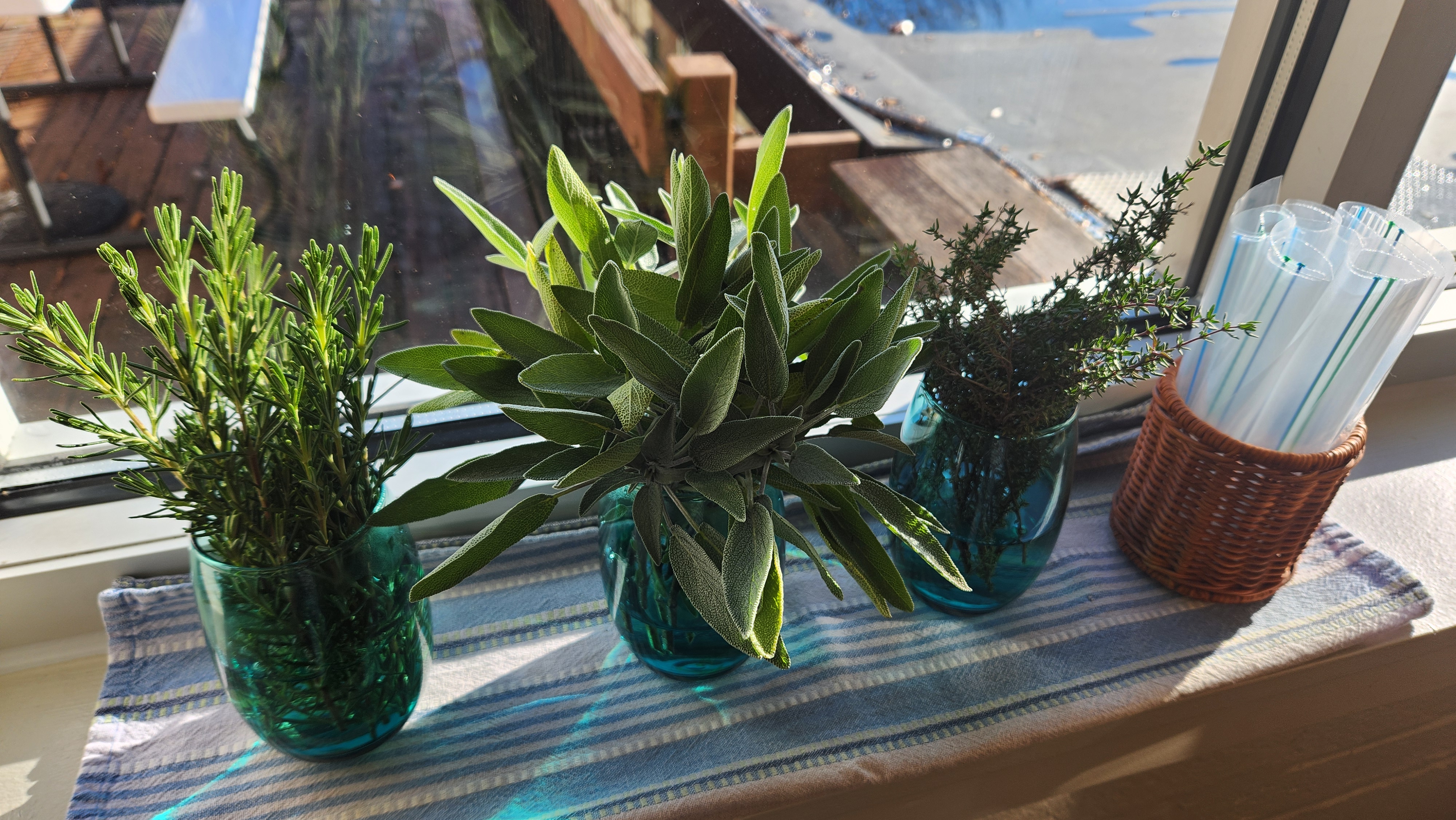
Yes, I have a mess of herbs. Yes, I want you to have some for Thanksgiving…
Latest update: 11/19/24

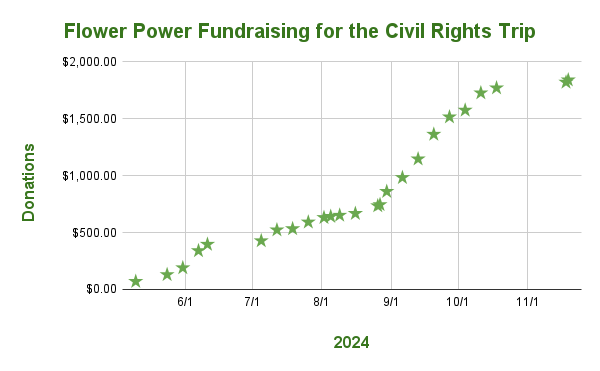
This year’s breakdown:
Bouquets are $12, where 10.50 goes directly to the Civil Rights Trip, and 1.50 goes to the grower. When there is produce available, all of the pay-as-you-are-able funds are donated, and the same goes for “tips” or keeping-the-change. Financial documentation is available upon request.
Final amounts for 2024:
Past years:
So happy to find a few zinnias, after the rain melted them earlier this fall. I think we had some ten days of solid rain — and then over a month with none!

Zinnia, dahlia, snapdragon, and euonymus
 Flower Power