Fringe Flower, Thalia Daffodils, Bleeding Heart, and Canterbury Bells
A spring bouquet
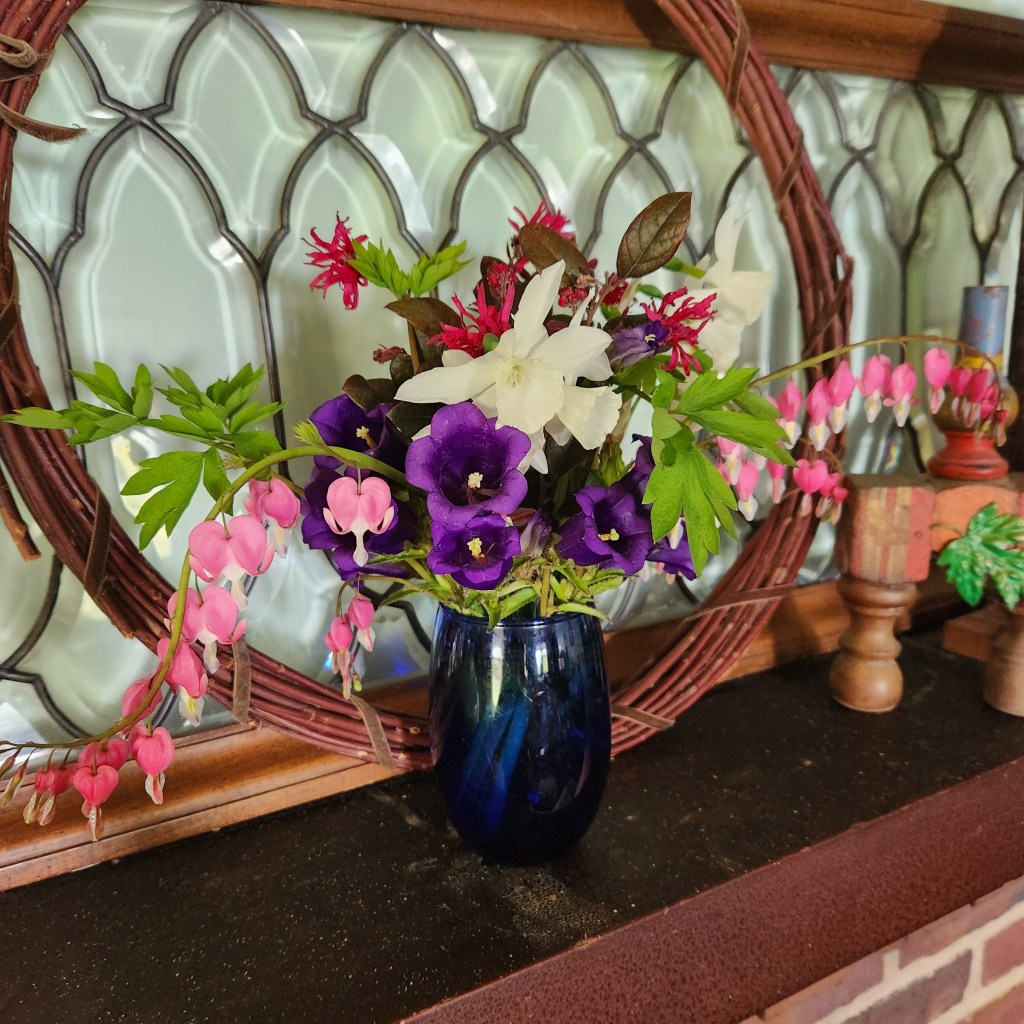
Fringe Flower, Thalia Daffodils, Bleeding Heart, and Canterbury Bells
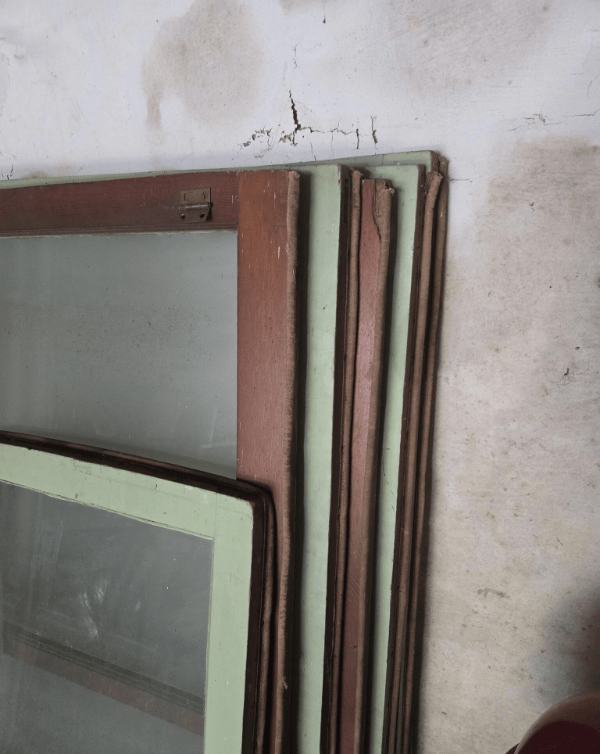
Some old windows that a neighbor was getting rid of…
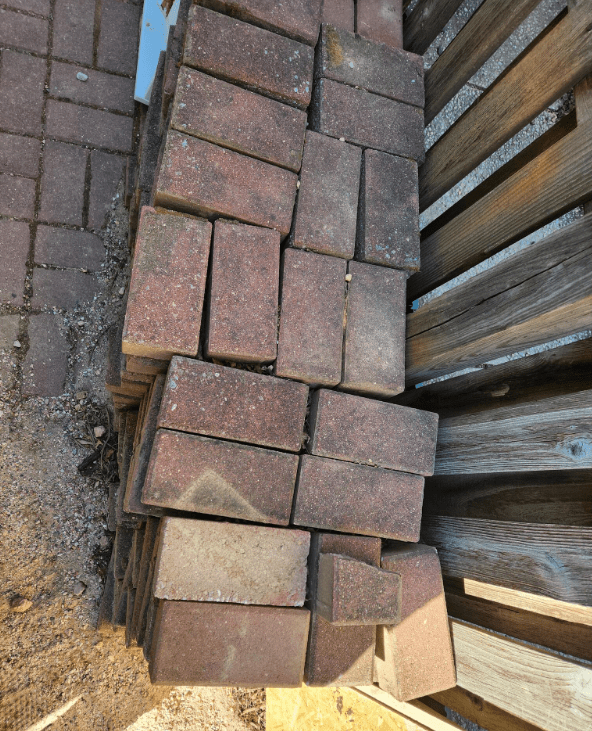
Plus some pavers a neighbor wanted to have moved…
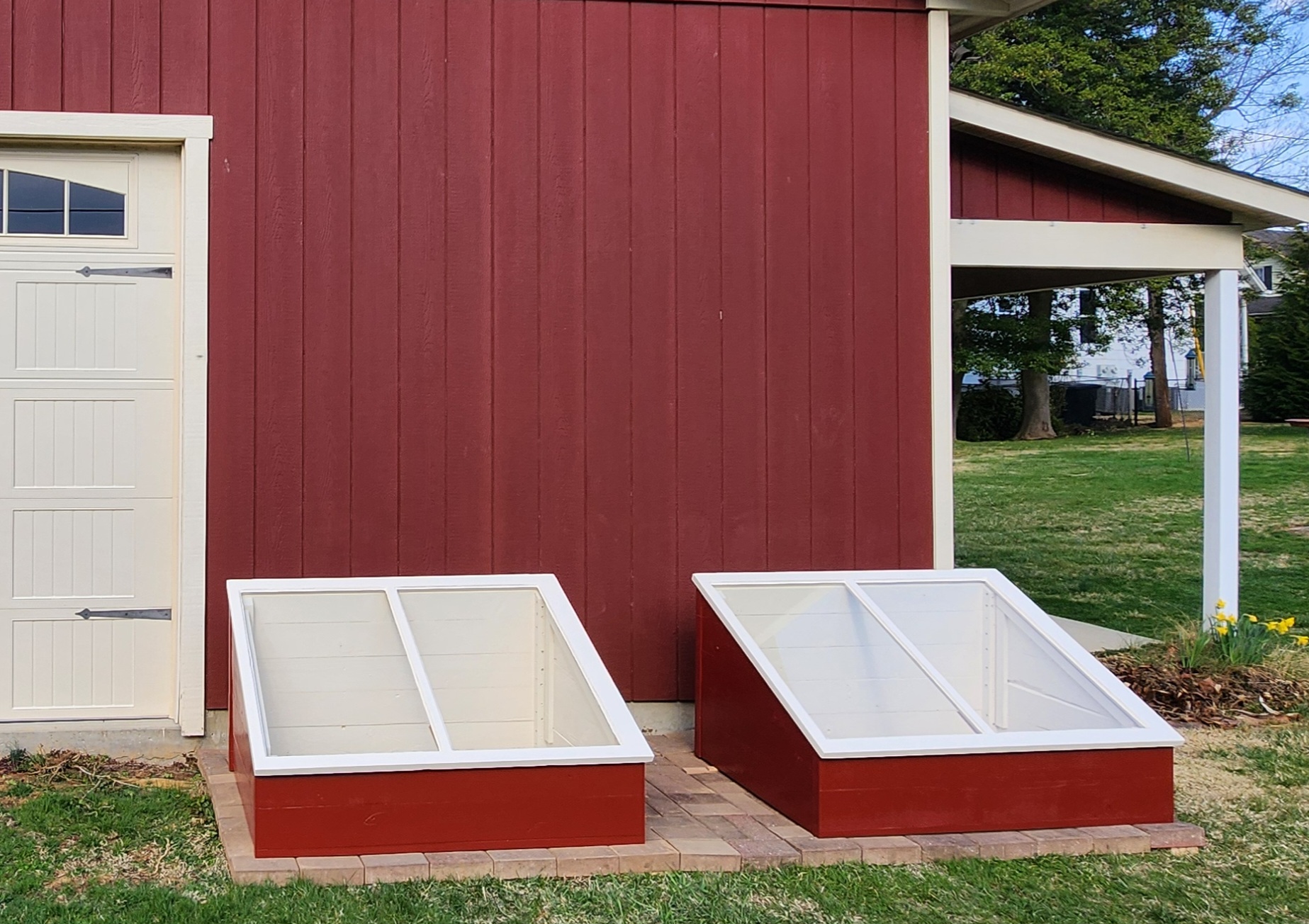
…makes for beautiful cold frames!
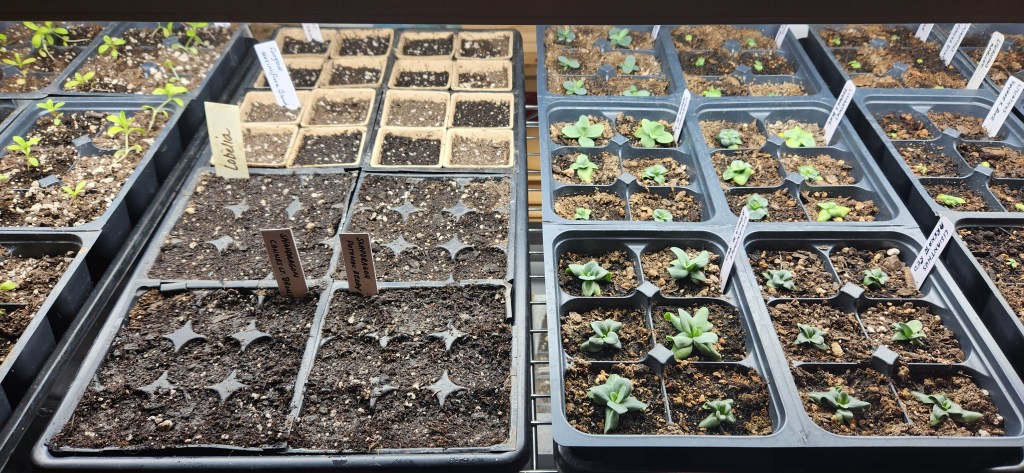
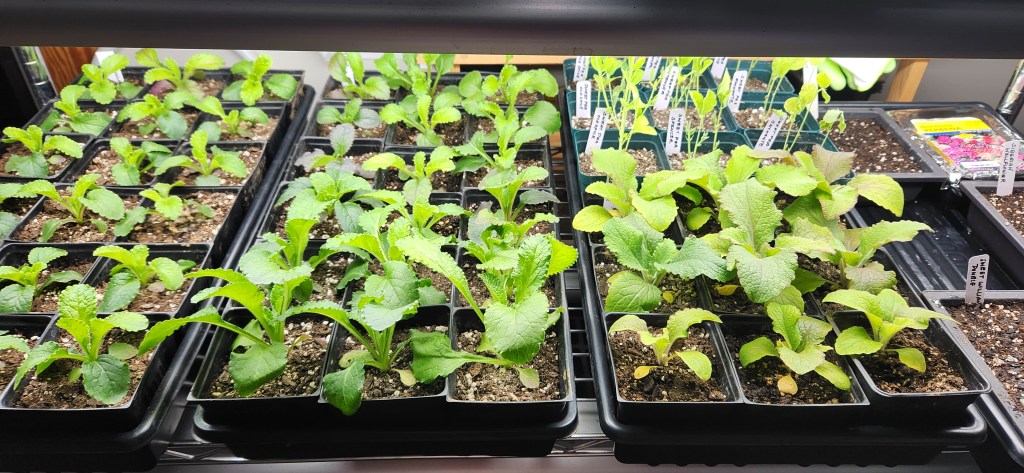
Left to right, front to back: Sweet William, Snapdragon, Lobelia, Foxglove, Lisianthus galore.
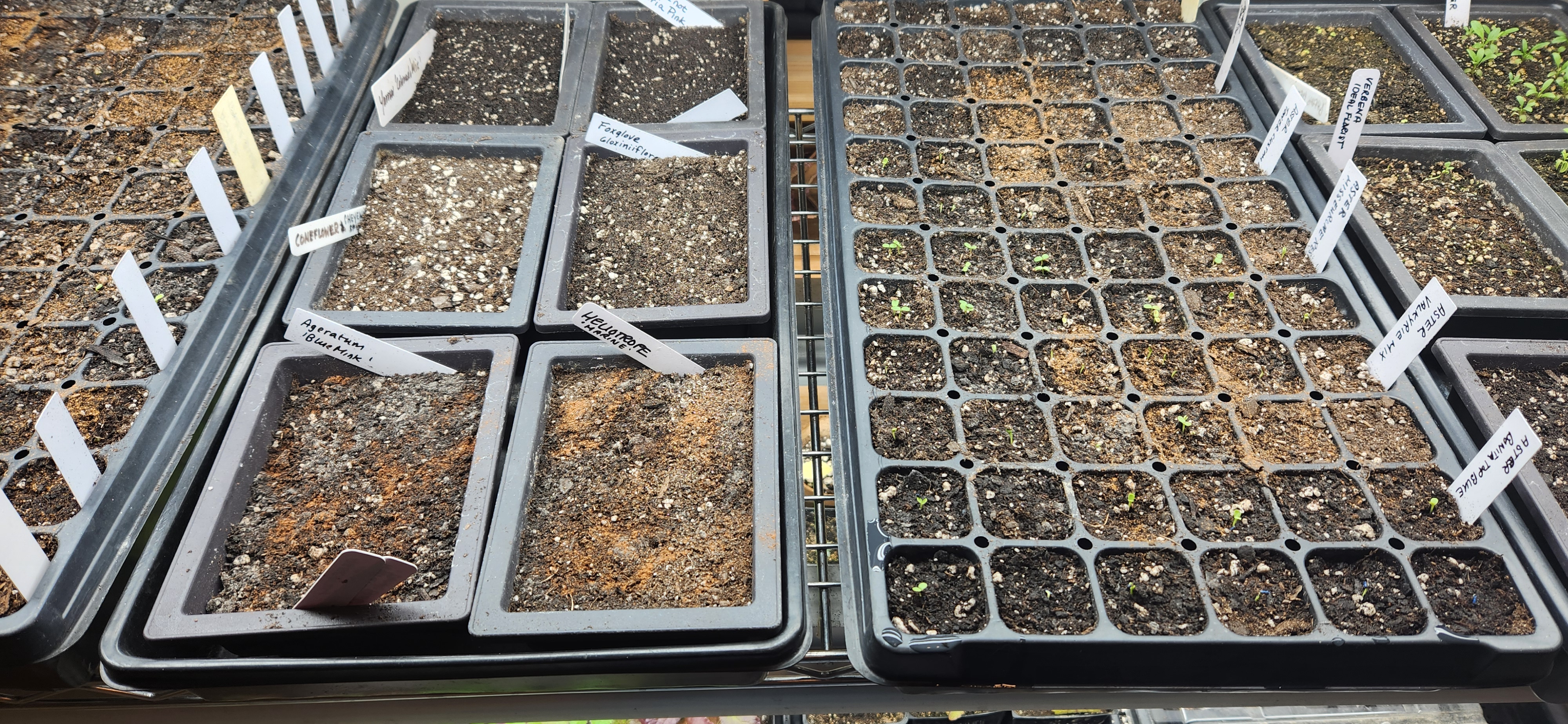
Asters, Ageratum, Heliotrope, Coneflower, Foxglove, Yarrow, Clarey Sage.
I’ve been having issues with grey mold this year, and sprinkling cinnamon has definitely been helping.
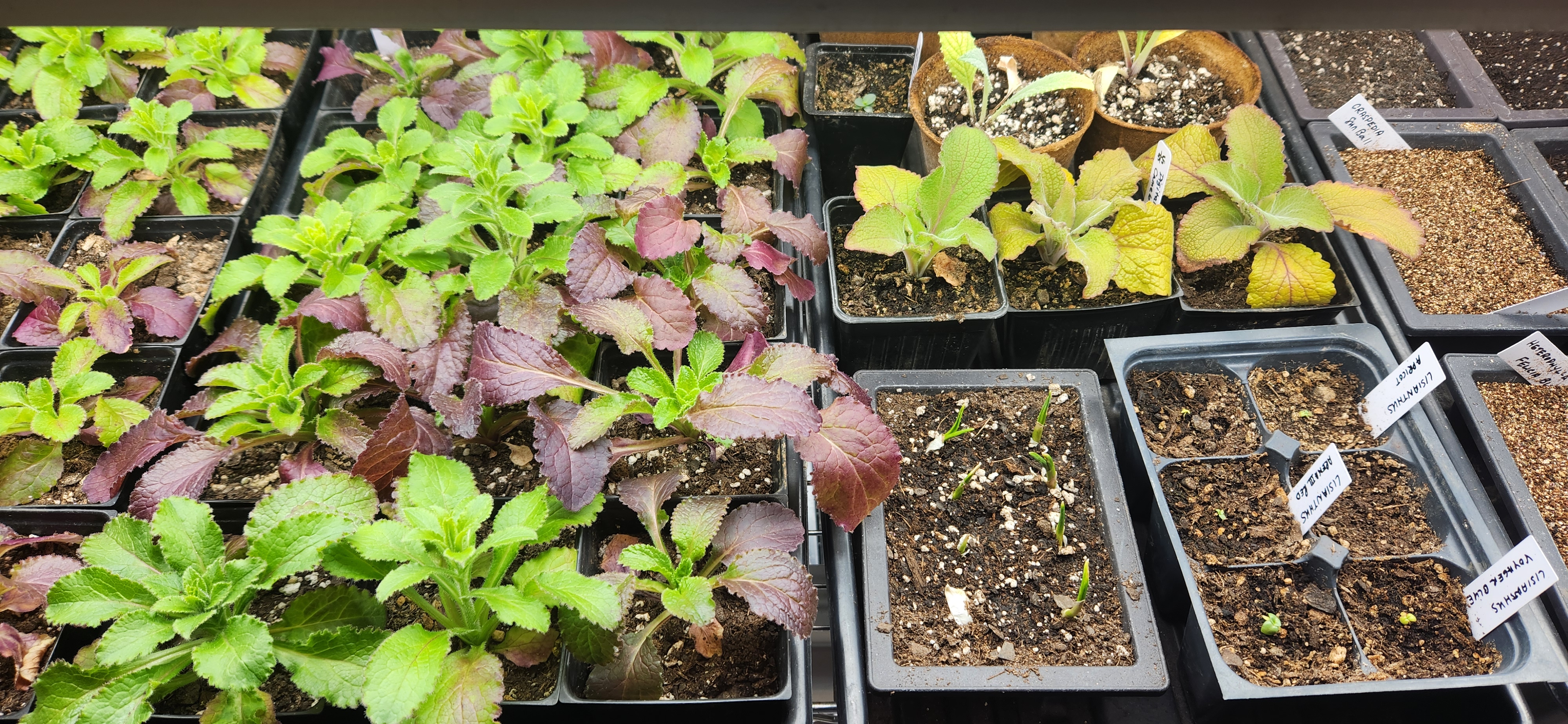
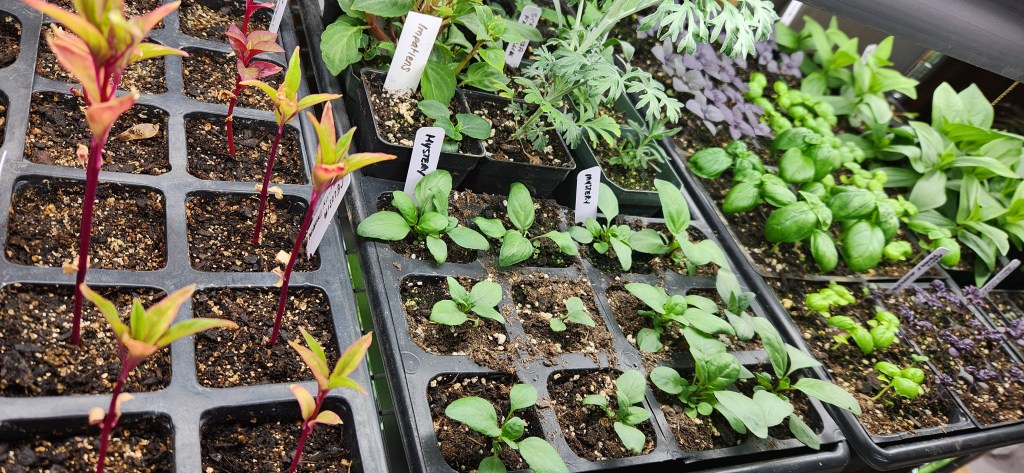
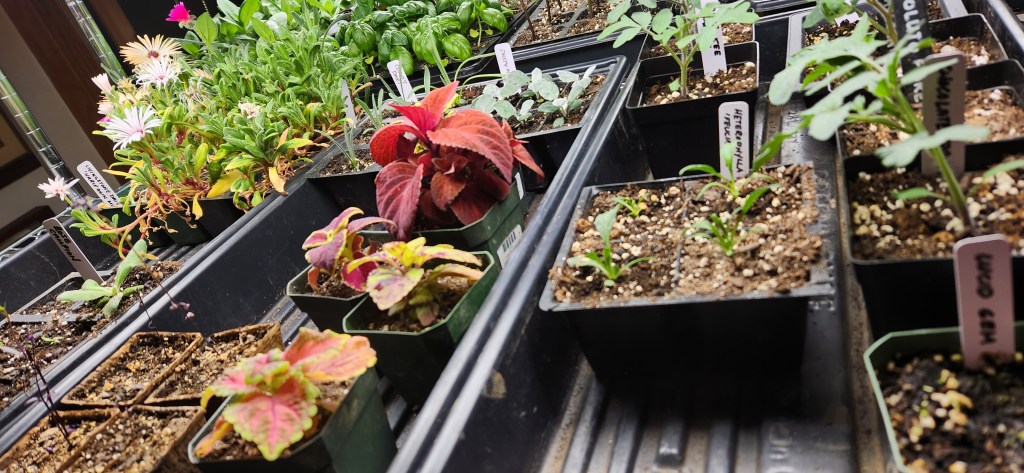
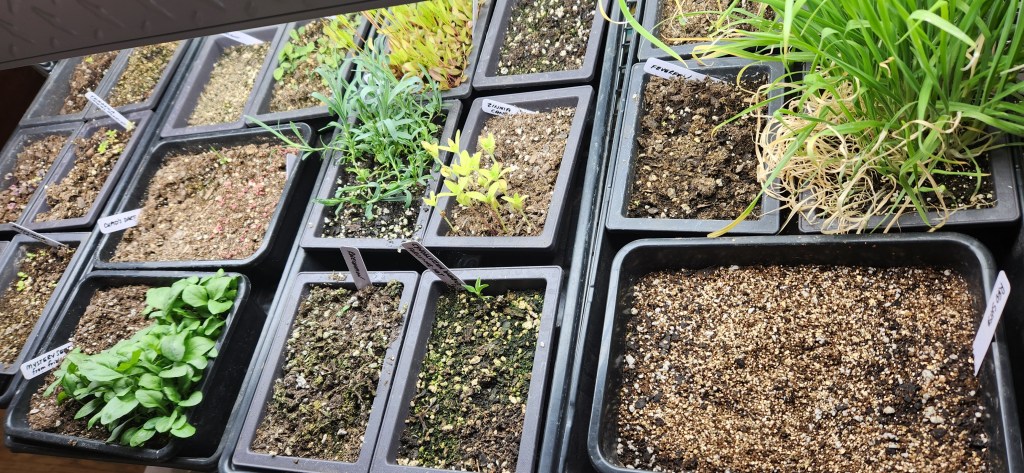
Canterbury Bells, grocery-store garlic that sprouted, Lisianthus, Foxglove, Artichoke (peat pots), Blue Daisy (Felicia Heterophylla), Craspedia. Out of view: Peached-leaved Bellflower, Asters, Coleus
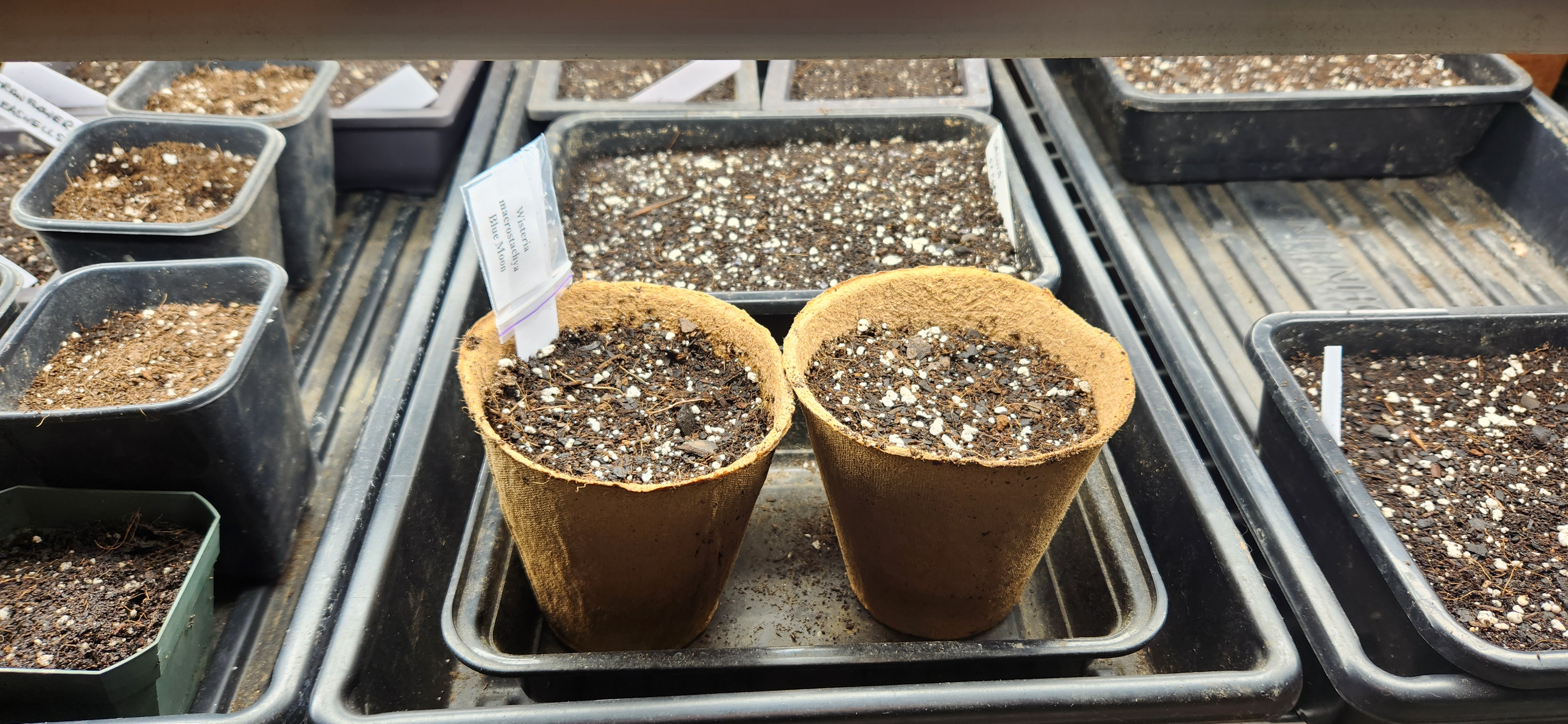
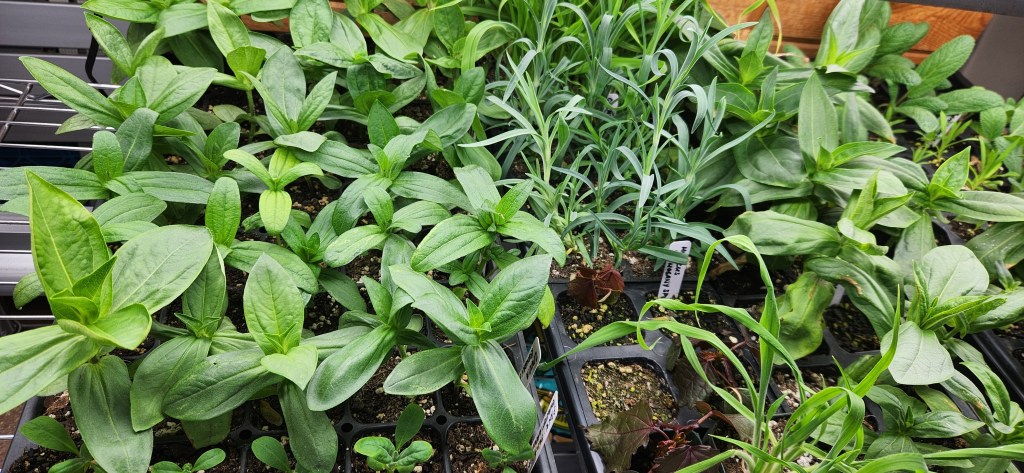
Mahogany Hibiscus, Strawflower, Stock, Alla‘s Wisteria, Salvia, Milkweed, Gomphrena, Amaranth, Baby’s Breath.
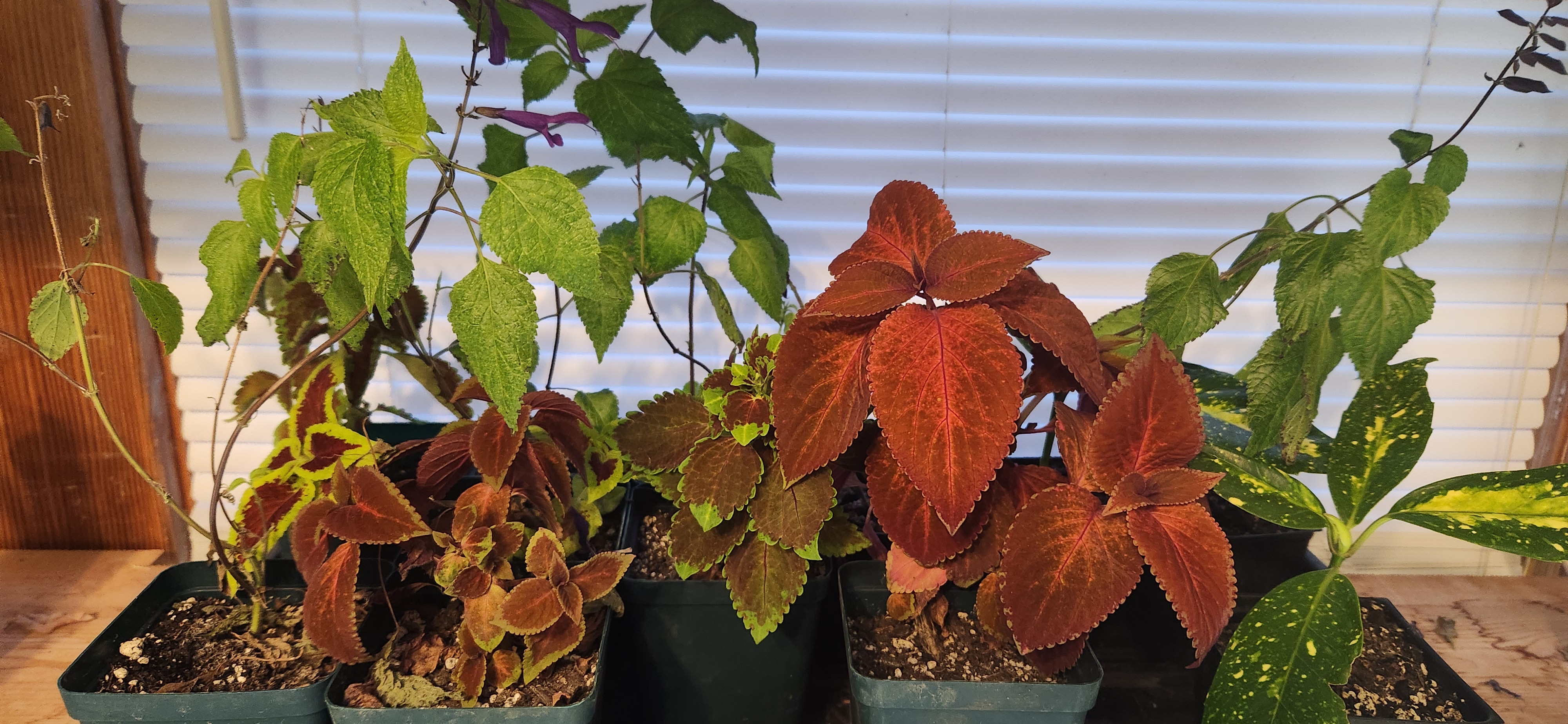
Cuttings from last year: Coleus, Aucuba, and Sage Amistad.
I am excited to be participating in an APADT seed study this year, a non-profit organization dedicated to preserving biodiversity and heirloom varieties, as well as educating growers. They are celebrating their 50th year of doing this work. I started the Amaranth seeds last night.
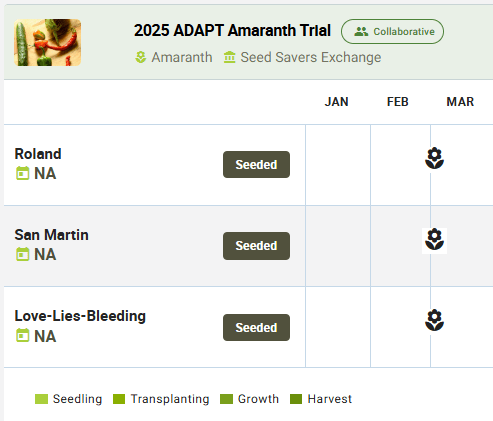
As a physicist, grower, mountain biker, and citizen, I deeply appreciate the need for good data to inform good decision-making. Whether it’s what to wear on a hilly ride in the winter (I have a spreadsheet for that) or when I started the tomato seeds last year (yup, spreadsheet) or something far more serious, it is important to gather and share good data. I am happy to be a part of this work for Seedsavers.
This is yet another reason why I worry about rampant access to our nation’s data by an unelected, lie-to-your-face, grifting, break-first-and-ask-questions-later creep. As if we didn’t have enough to worry about.
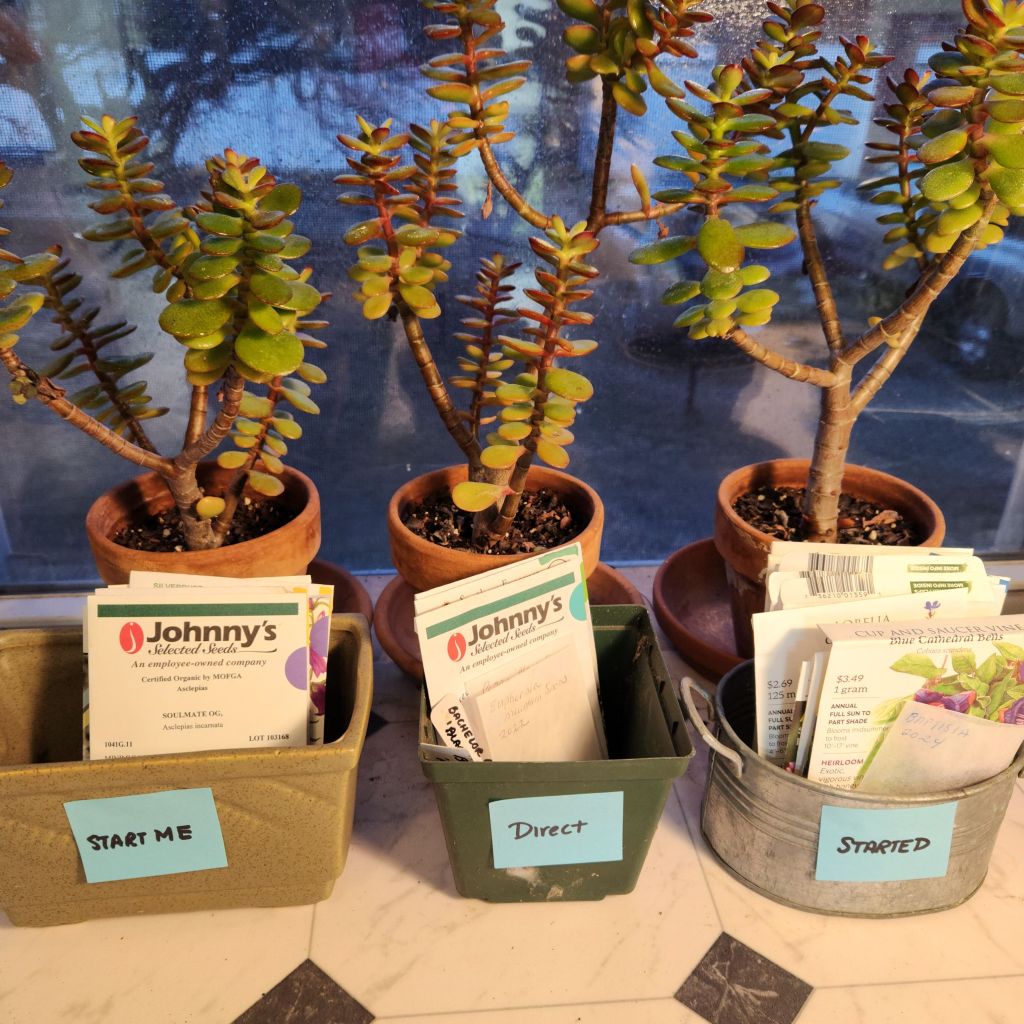
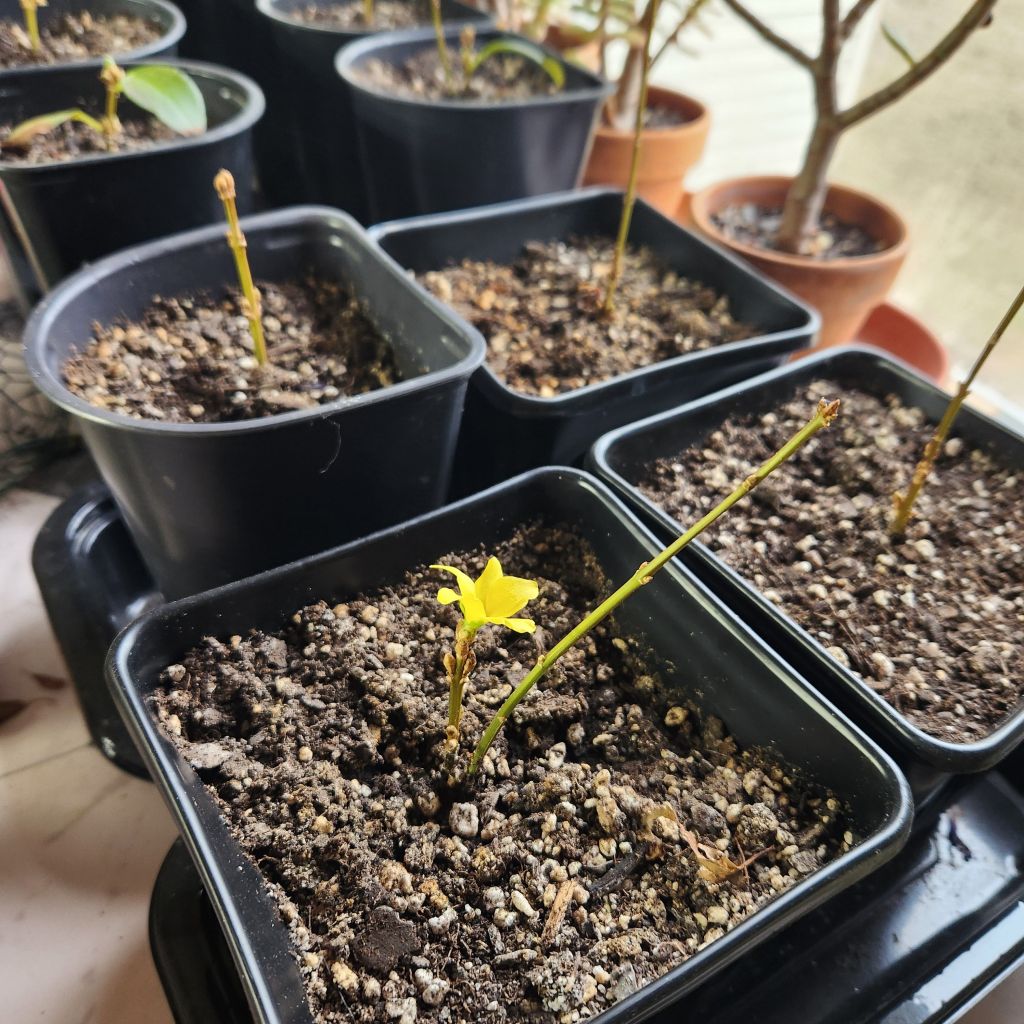
Last year’s cuttings made it after all.
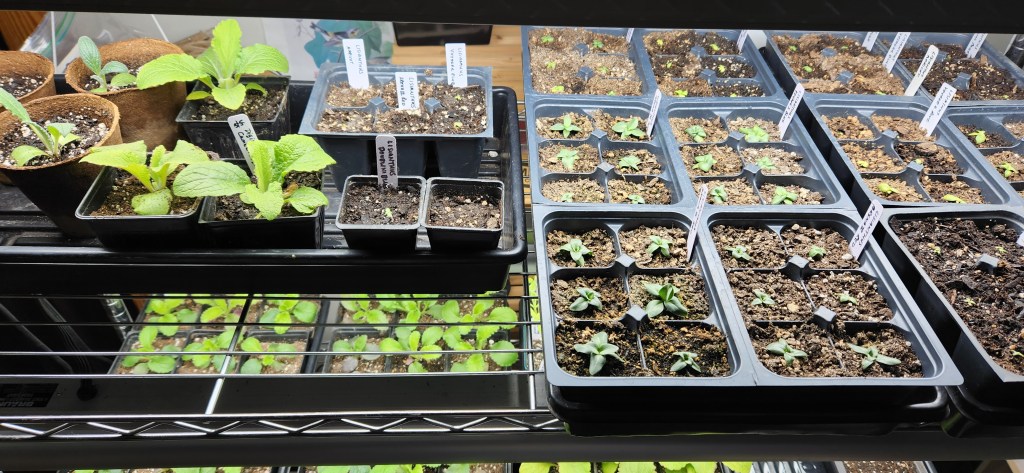
Top: Canterbury Bells, Foxglove ‘Camelot Rose’, Sweet Peas, and some seeds started today: Foxglove ‘Pink Gin’, Sweet William, Verbena ‘Ideal Florist’, and Siberian Wallflower.
Bottom: Artichokes, Digitalis ‘Camelot Rose’, barely-there Lisianthus & gonna-make-it-Lisianthus.
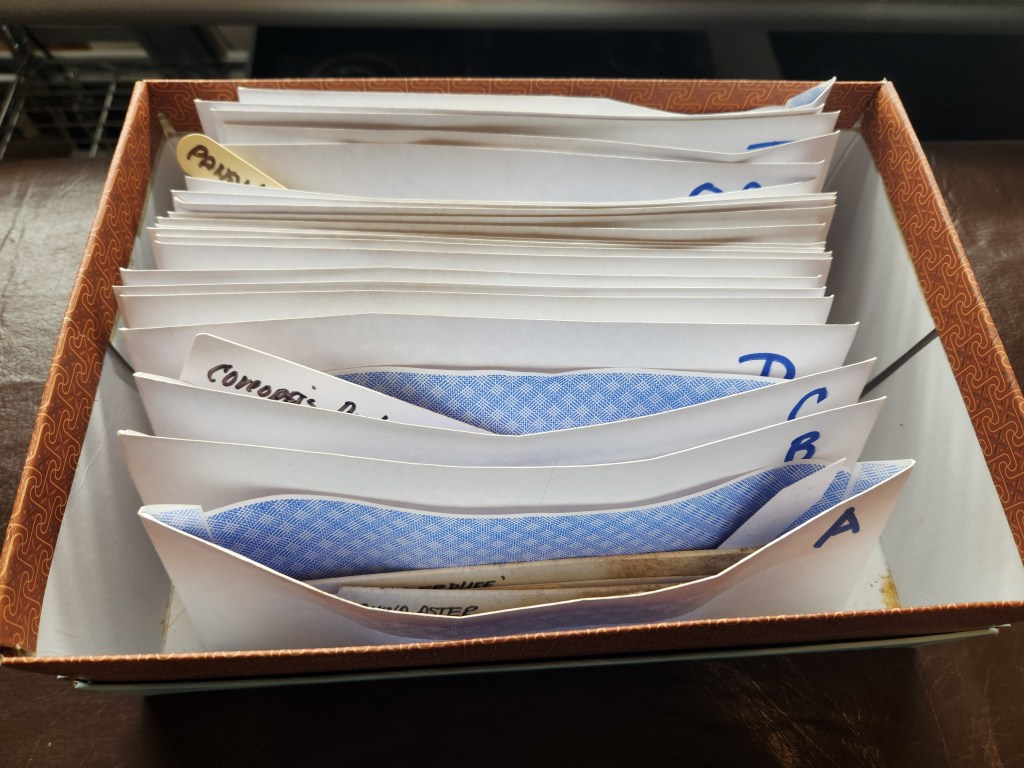
I was finding that I kept having to buy more plant labels. I had tried removing the ink on them with alcohol for reuse, but it took too long and really didn’t work well. I finally got around to making a file for them — with a set of letter-size envelopes and a shoebox.
Today, I had labels at the ready for each kind of flower seed that I started, and they were easy to find!

It’s the last day of 2024. Such hope is needed…
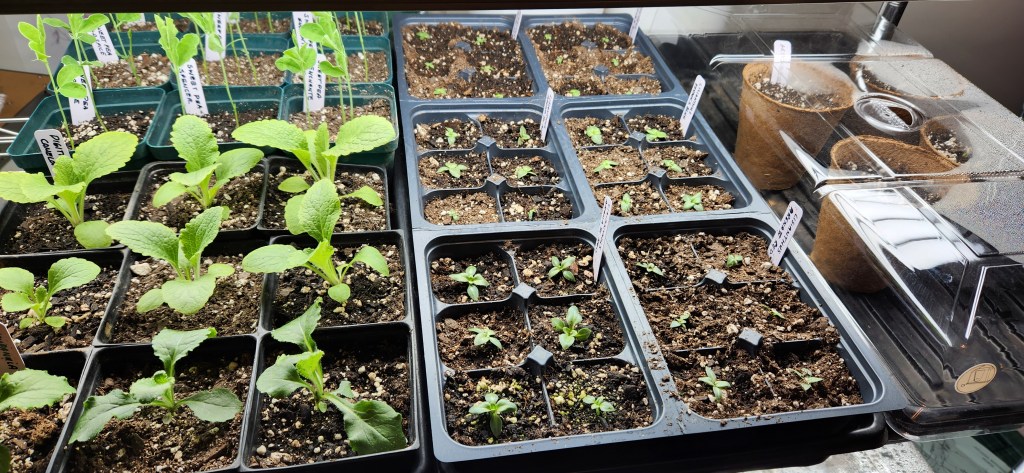
Sweet peas, Digitalis, Campanula, Lisianuthus, and Artichokes, which I’ve never grown before
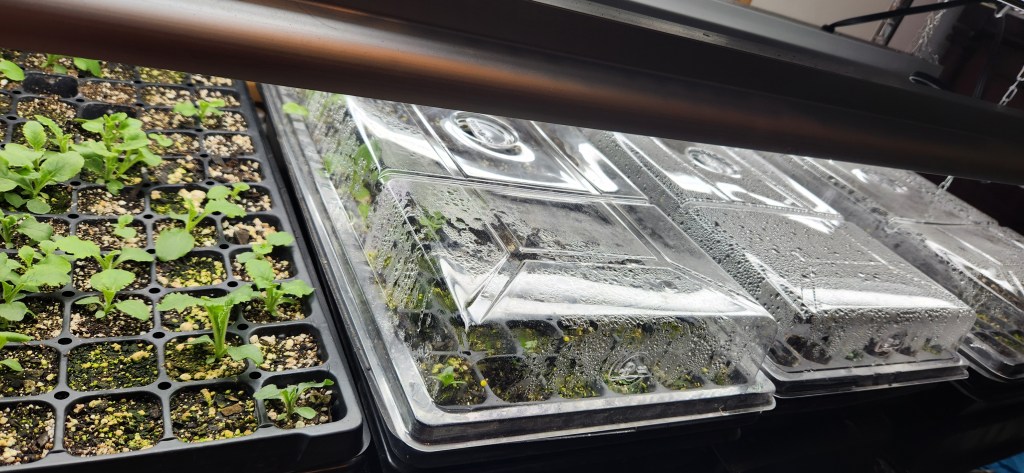
I accidentally started so much Campanula; I had misidentified the seeds. Doh. More Lisianthus (mostly wishful thinking) and Digitalis under the hats.

Some cuttings from the yard… Aucuba, Salvia ‘Amistad’, Coleus, and some purple sage
Lucky me! We had another delivery of leaves that were raked up by students on the Civil Rights Trip as a fundraiser. Soooo many paper bags full of leaves. I feel rich.
We looked at the paper bags full of leaves. We looked at the roll of contractor bags we planned to put them in. We looked back at all of those leaves.
And all of the sudden we were totally grossed out by all that potential single-use plastic. So I cleaned out one of the compost bins and started emptying bags. (And our Resident Expert folded up the paper bags to return for reuse.)
I am so pleased that they all fit! It will take a little longer to decompose than they would in those plastic bags, but I can wait. Gardeners play the long game.
Rain is coming —

Someone else is eating well today —
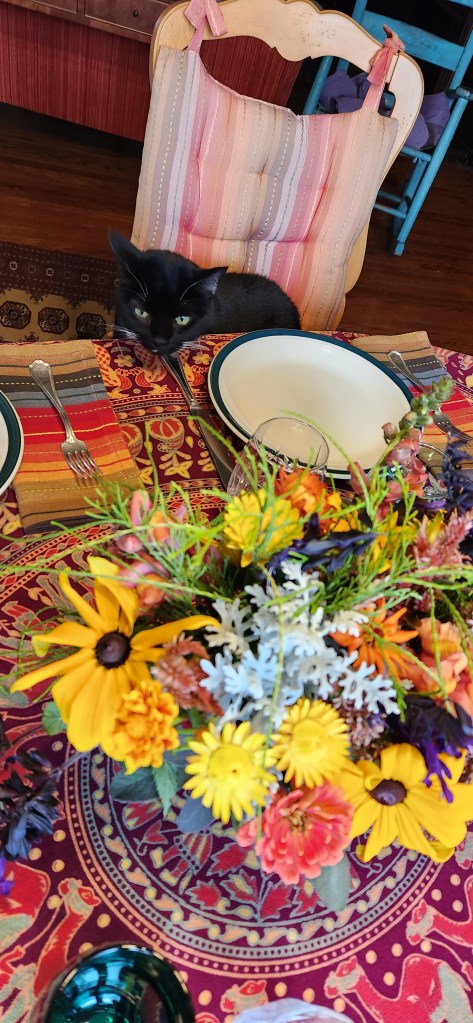
And someone wishes she were eating flowers…
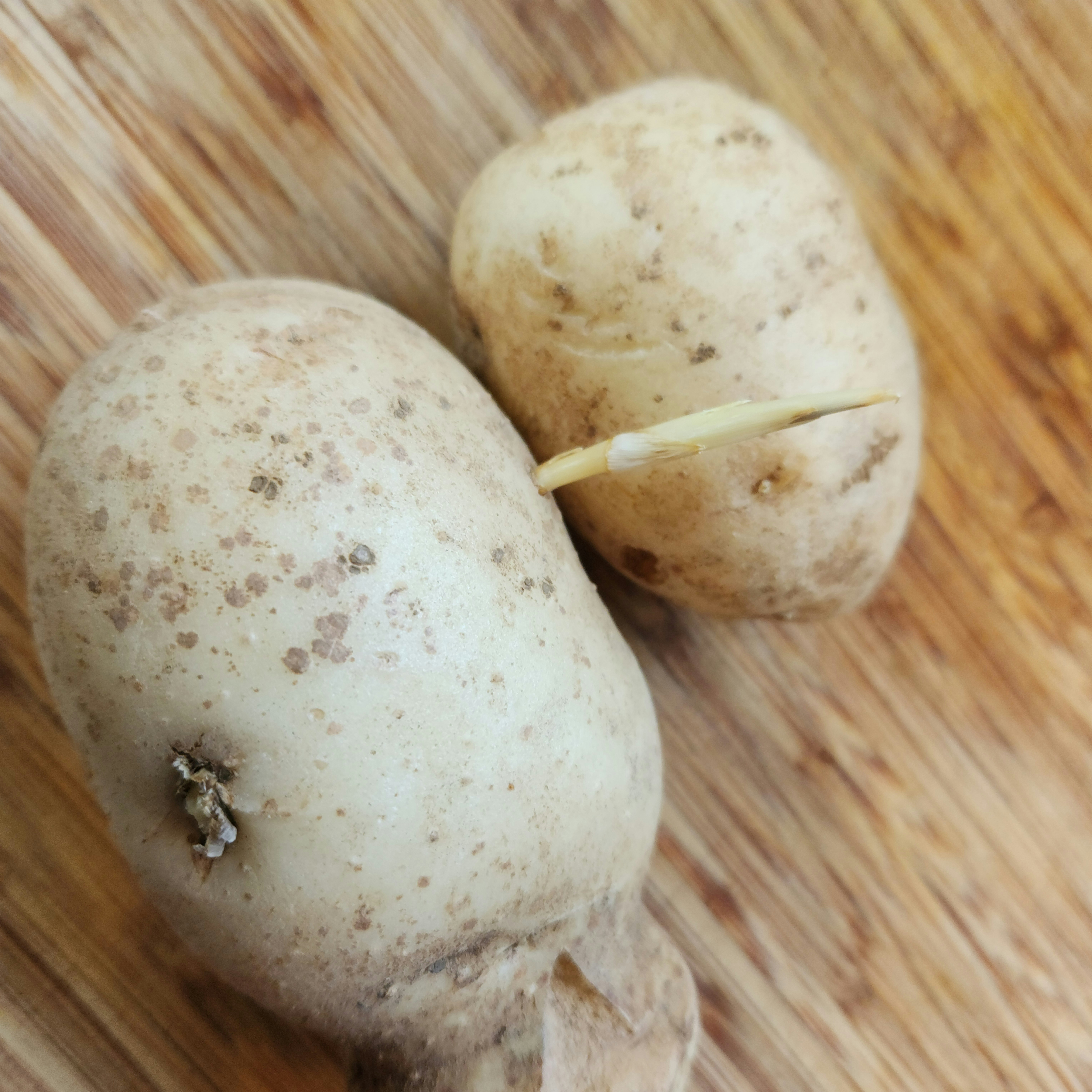
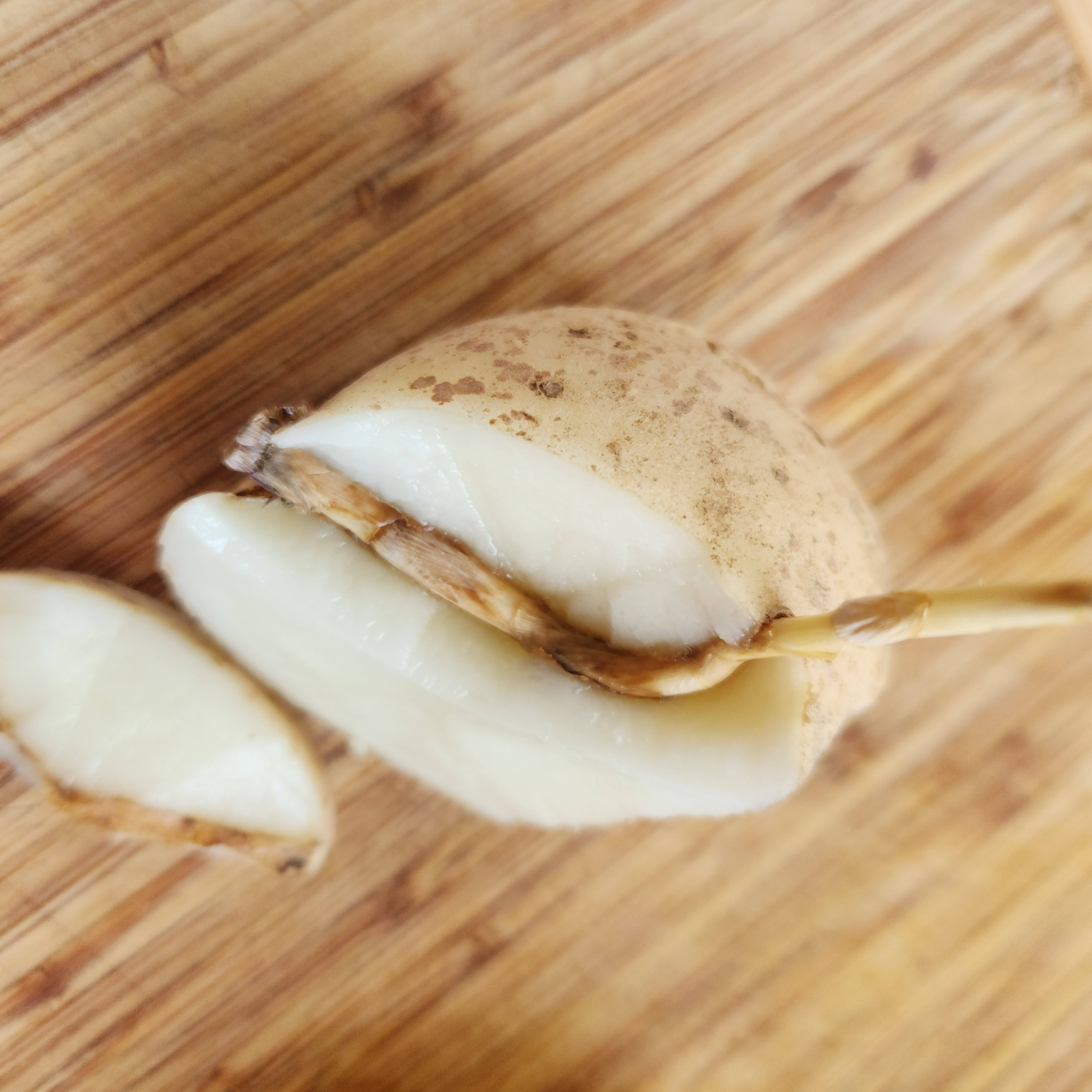
How in the world am I supposed to keep zoysia grass out of my garden beds when it can do THIS to my poor, unsuspecting Thanksgiving potatoes?! So creepy.
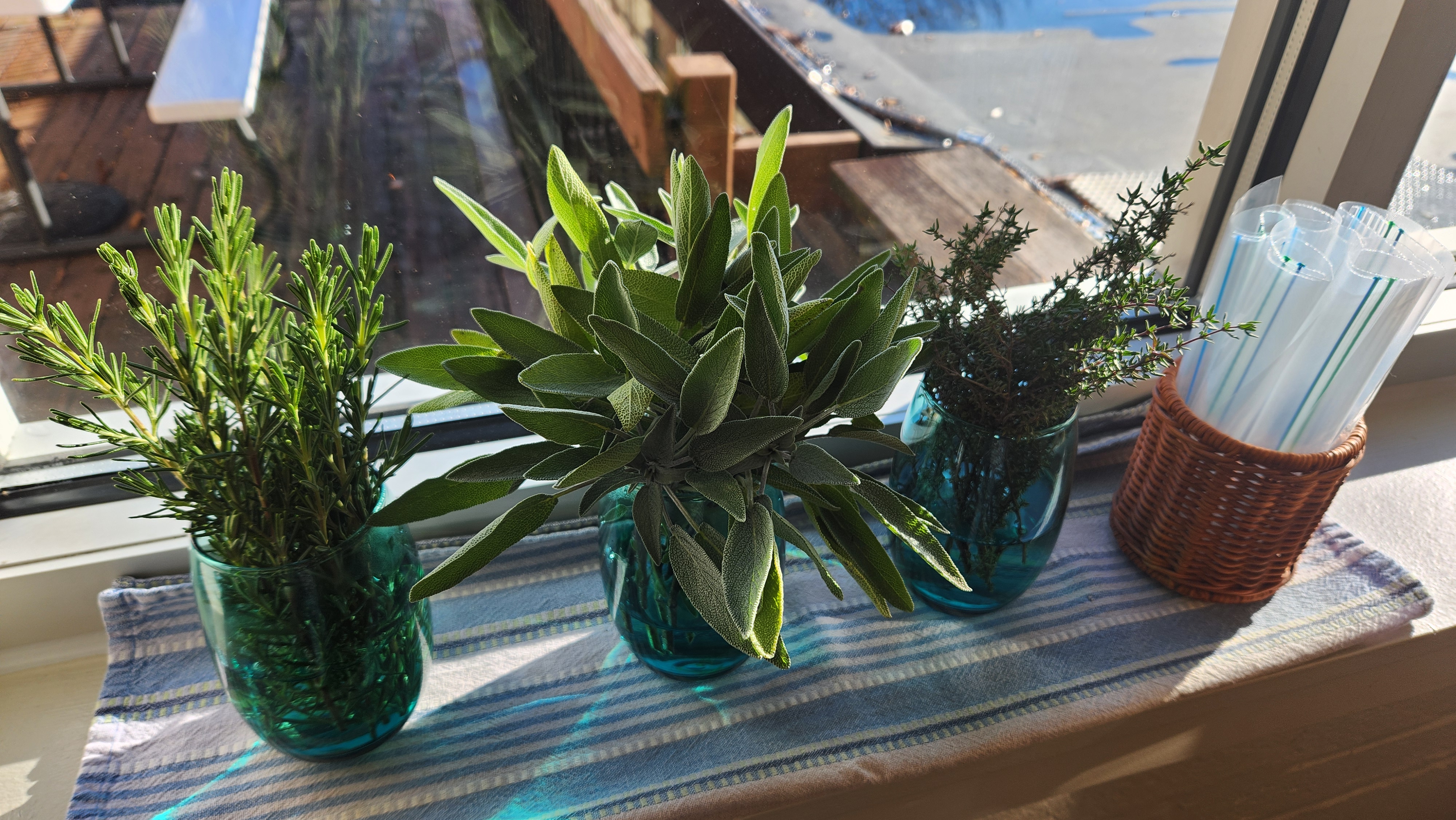
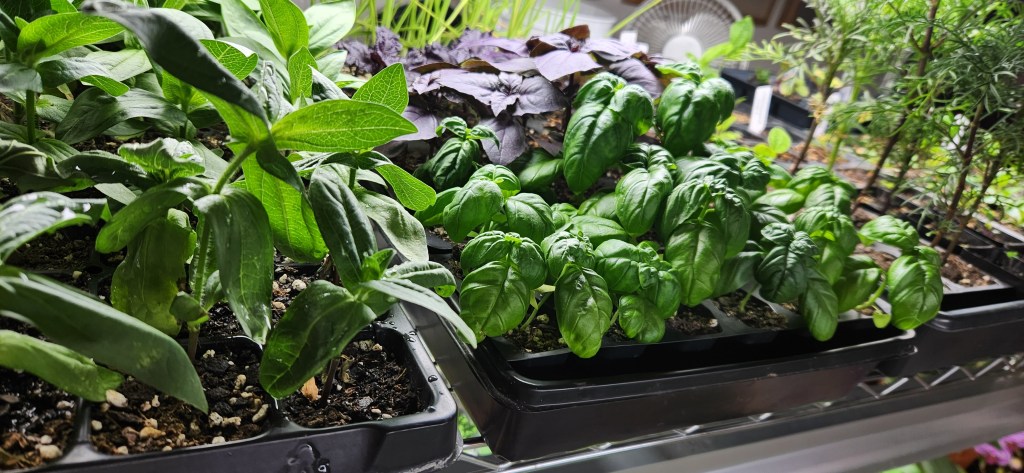
Yes, I have a mess of herbs. Yes, I want you to have some for Thanksgiving…
Latest update: 11/19/24
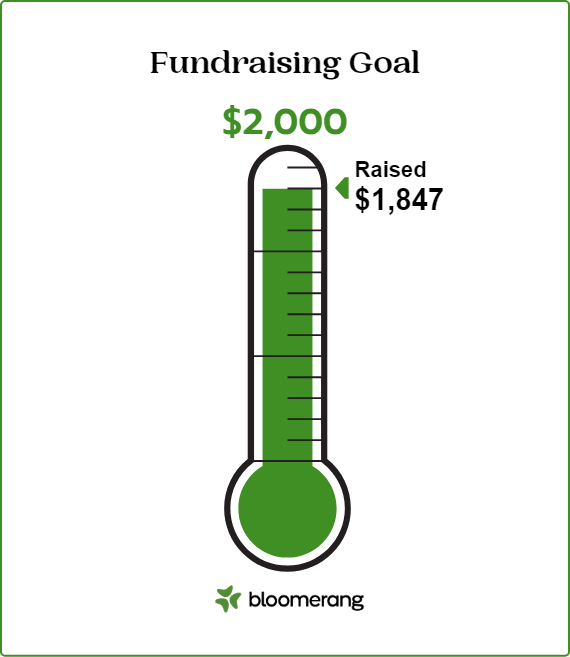
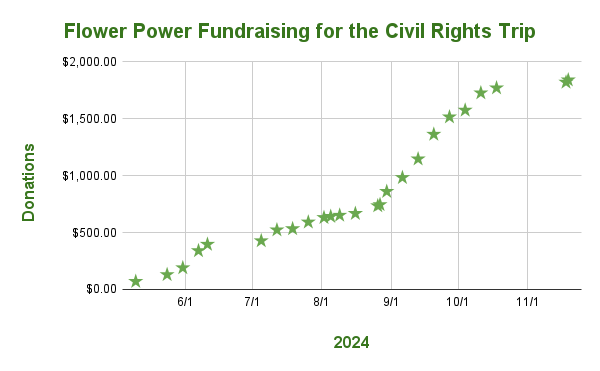
This year’s breakdown:
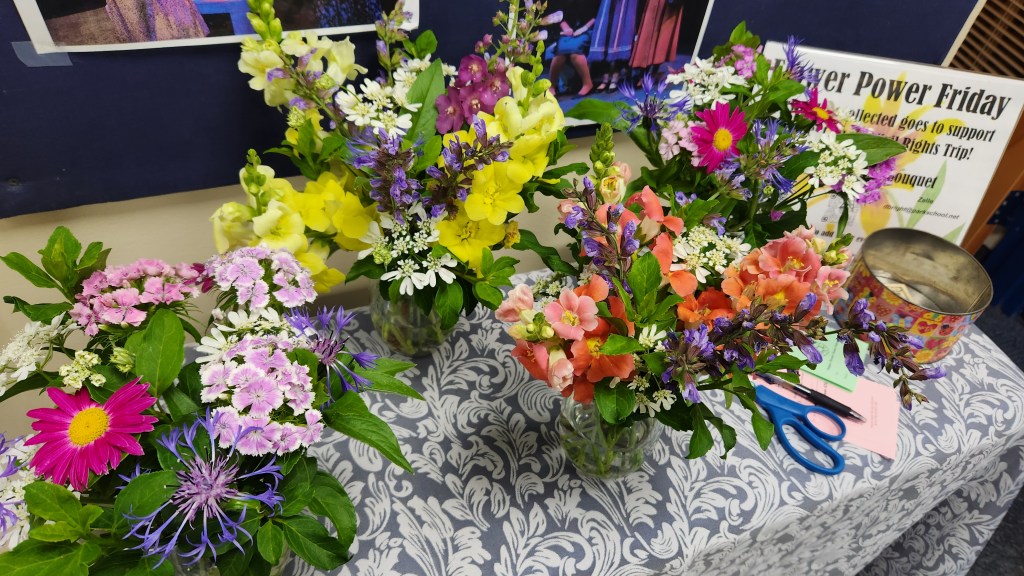
Bouquets are $12, where 10.50 goes directly to the Civil Rights Trip, and 1.50 goes to the grower. When there is produce available, all of the pay-as-you-are-able funds are donated, and the same goes for “tips” or keeping-the-change. Financial documentation is available upon request.
Final amounts for 2024:
Past years:
So happy to find a few zinnias, after the rain melted them earlier this fall. I think we had some ten days of solid rain — and then over a month with none!

Zinnia, dahlia, snapdragon, and euonymus
Student who go on the Civil Rights Trip do a lot of fund-raising, and one of those activities is to rake leaves. Yesterday, the adult leaders dropped off the spoils!
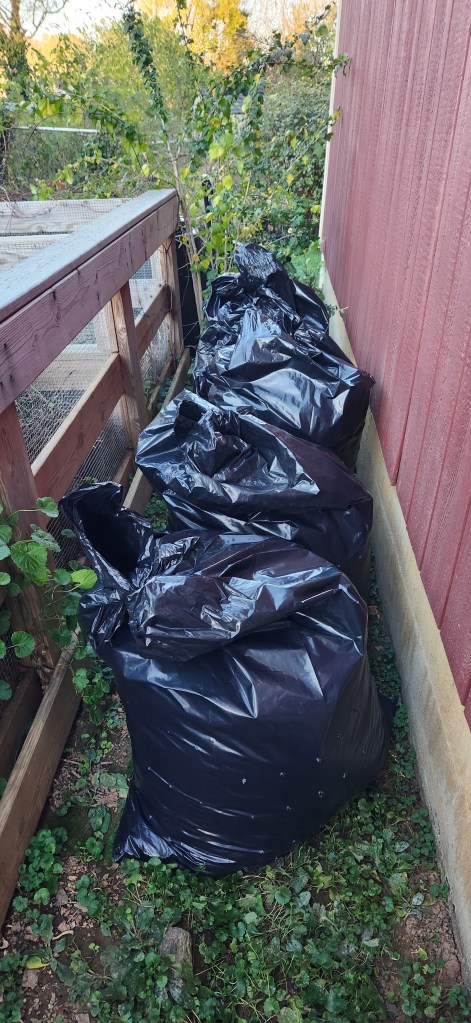
I should really move them into the sun… but the process is so easy and low-maintenance.
Bag the leaves, poke some holes in the bag, and add water. It’s best to water as you fill the bags to get the moisture throughout (and even faster if you chop up the leaves with a mower; I do not).
Decomposition happens.
Update: Leaf Mold, Part 2
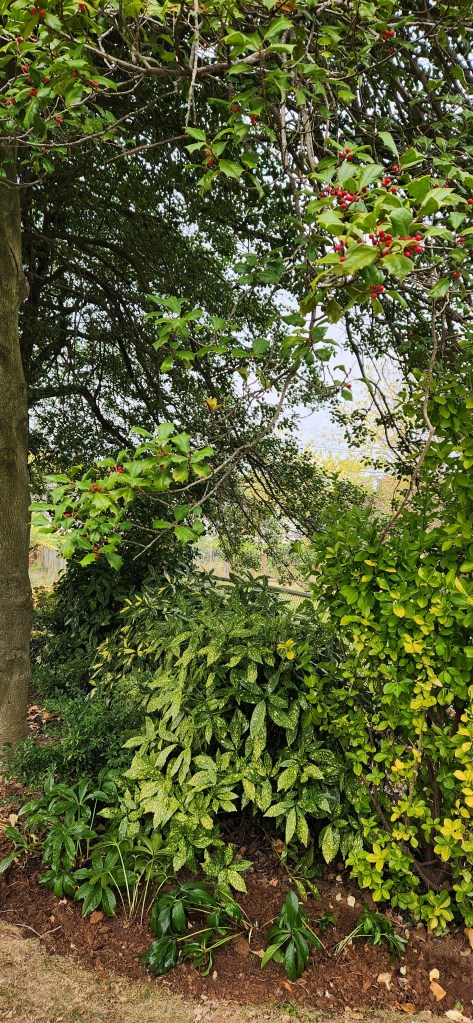
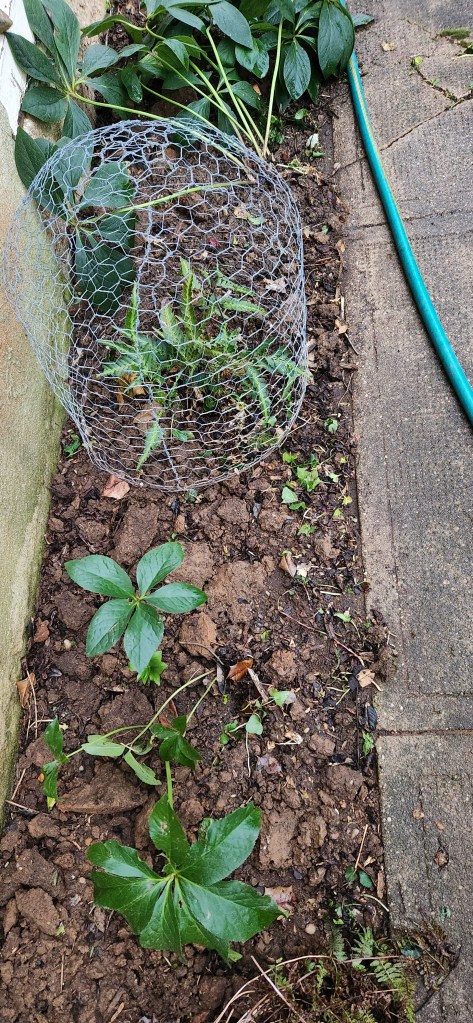
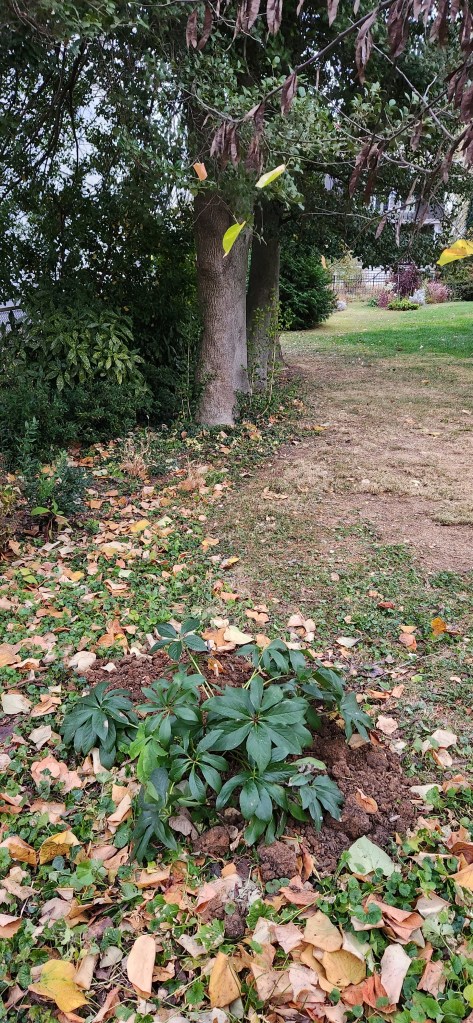
I meet a lovey woman through Craigslist, where she posted a note for free Hellebores. I love Hellebores, but they have a steep price tag at the nurseries! She pointed, I dug, and then I helped her weed under her azaleas for a bit. A beautiful start to the day.
The Hellebores in their new homes:

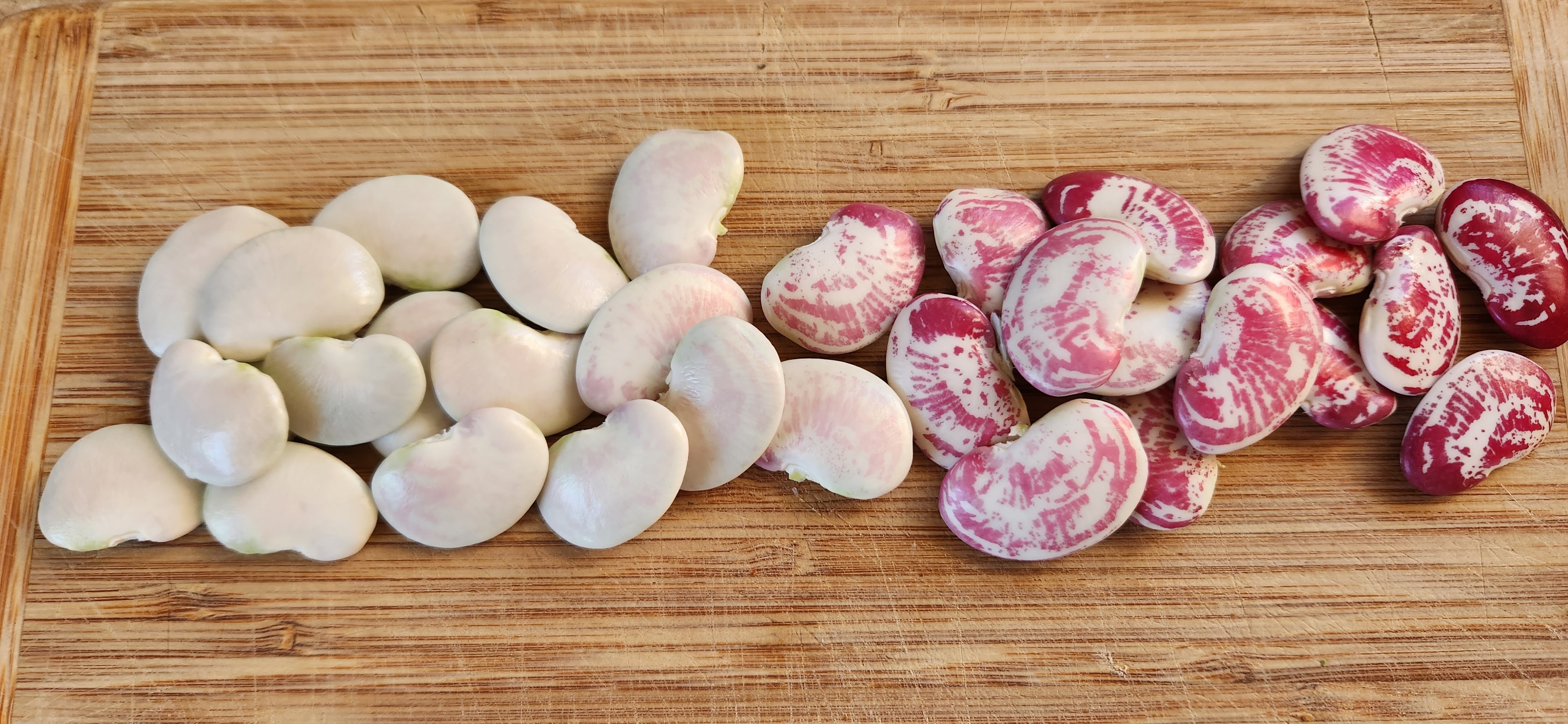
The deer have left us a few calico lima beans. They are so delicious sautéed in butter with some chopped onion (and a little water to help cook the beans); they have a rich, chestnutty flavor. I add the more mature beans to the pan first.
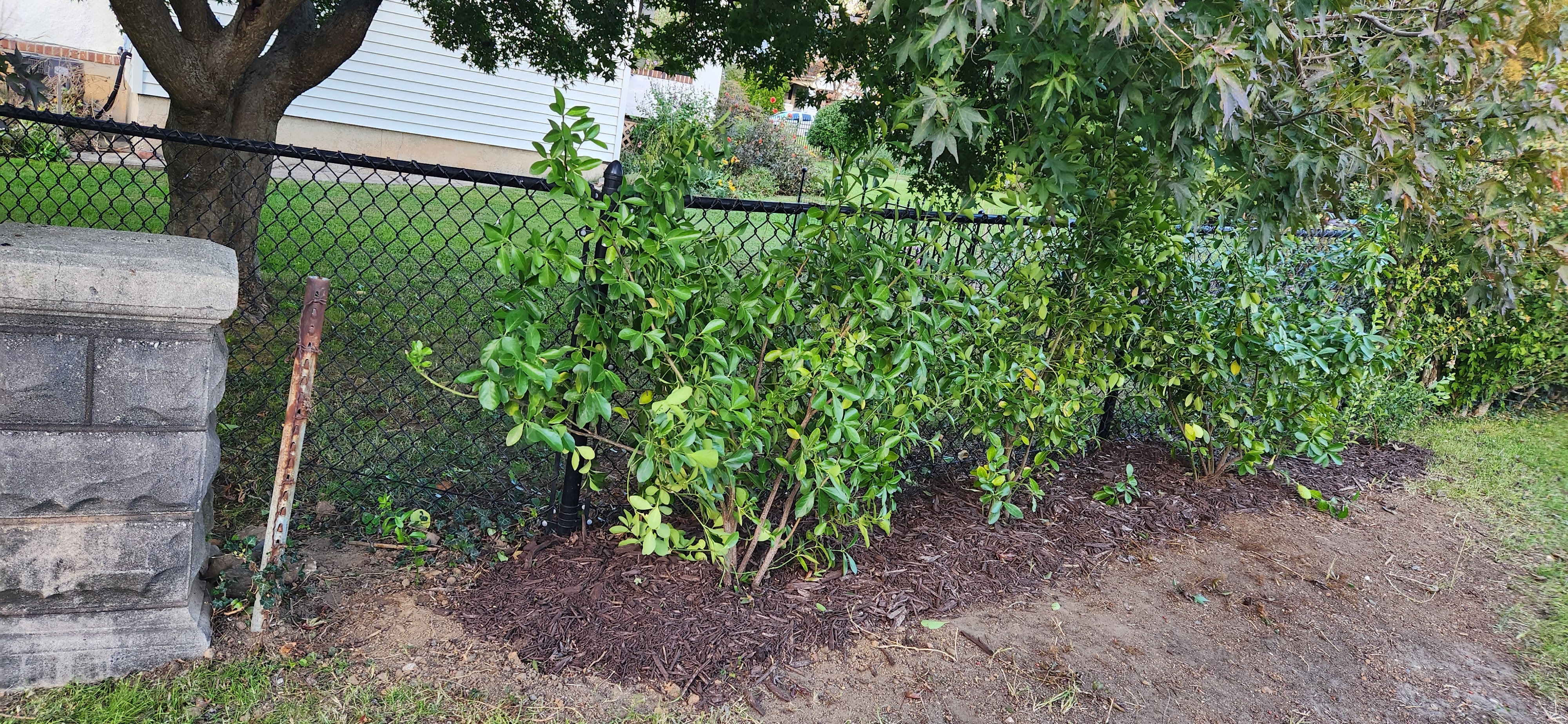
Someone had posted on our school’s listserv that they had a Euonymus to give away. (Thank you!! =) Turns out it was in a GIANT pot and composed of many stems that had been stuck in the dirt over time. My Resident Expert and I were thrilled to have wallowed that puppy out of the pot, into another, through the yard, and up up up on the truck. *Phew!*
I finally ripped out the last of the Barberry (Berberis thunbergii) hedge that had surrounded much of our property when we move in, and fill in with the Euonymus, which I often use for greens in bouquets.
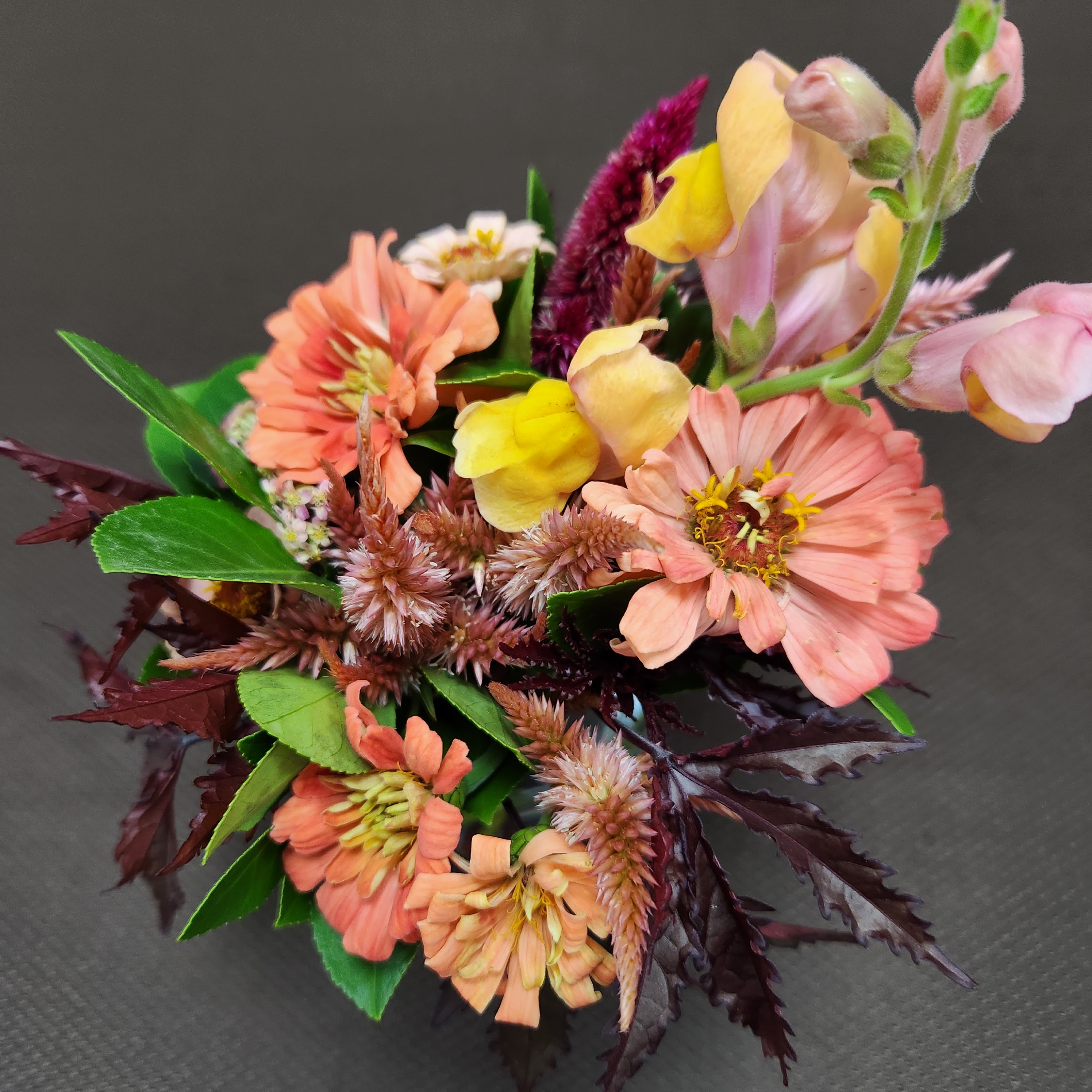
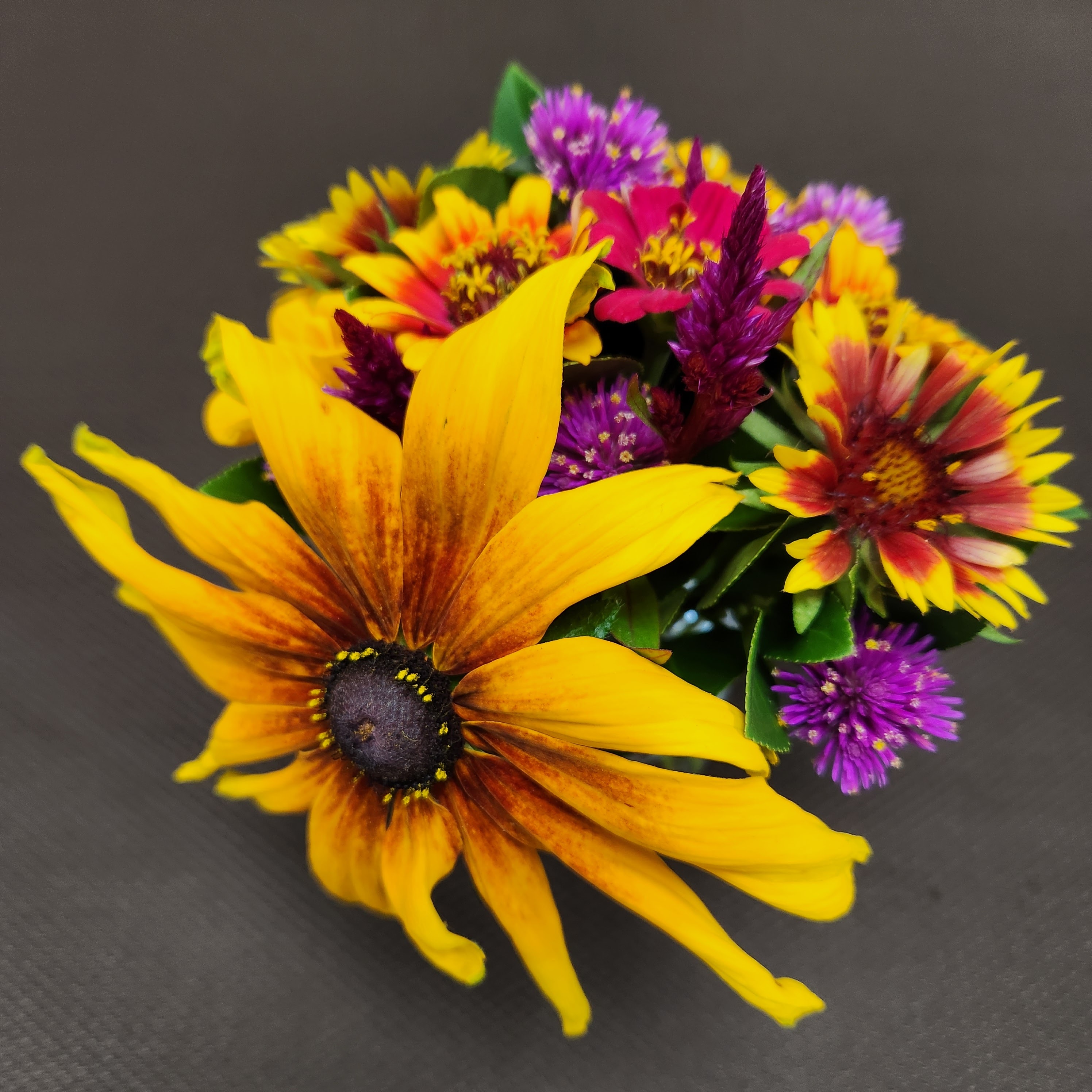
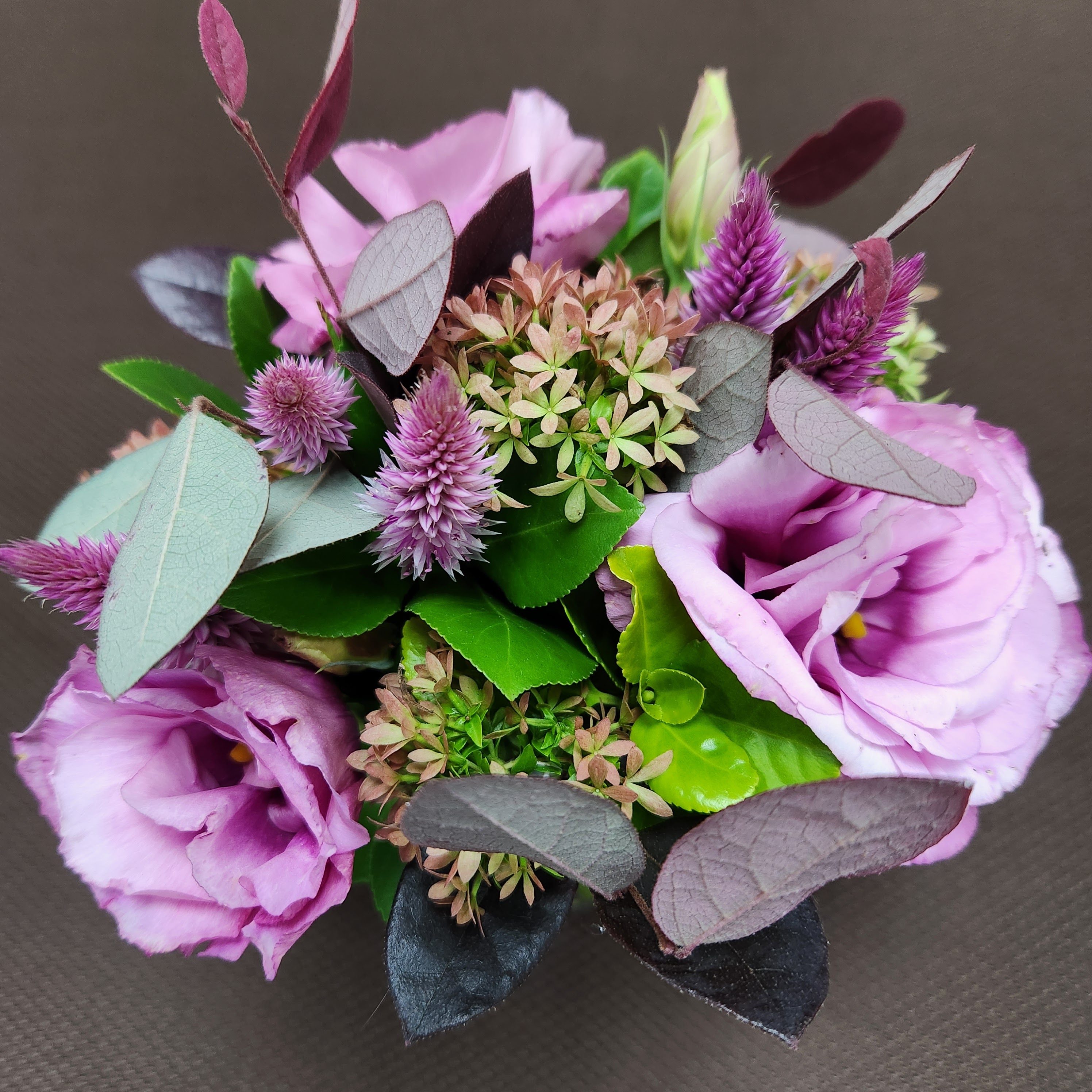
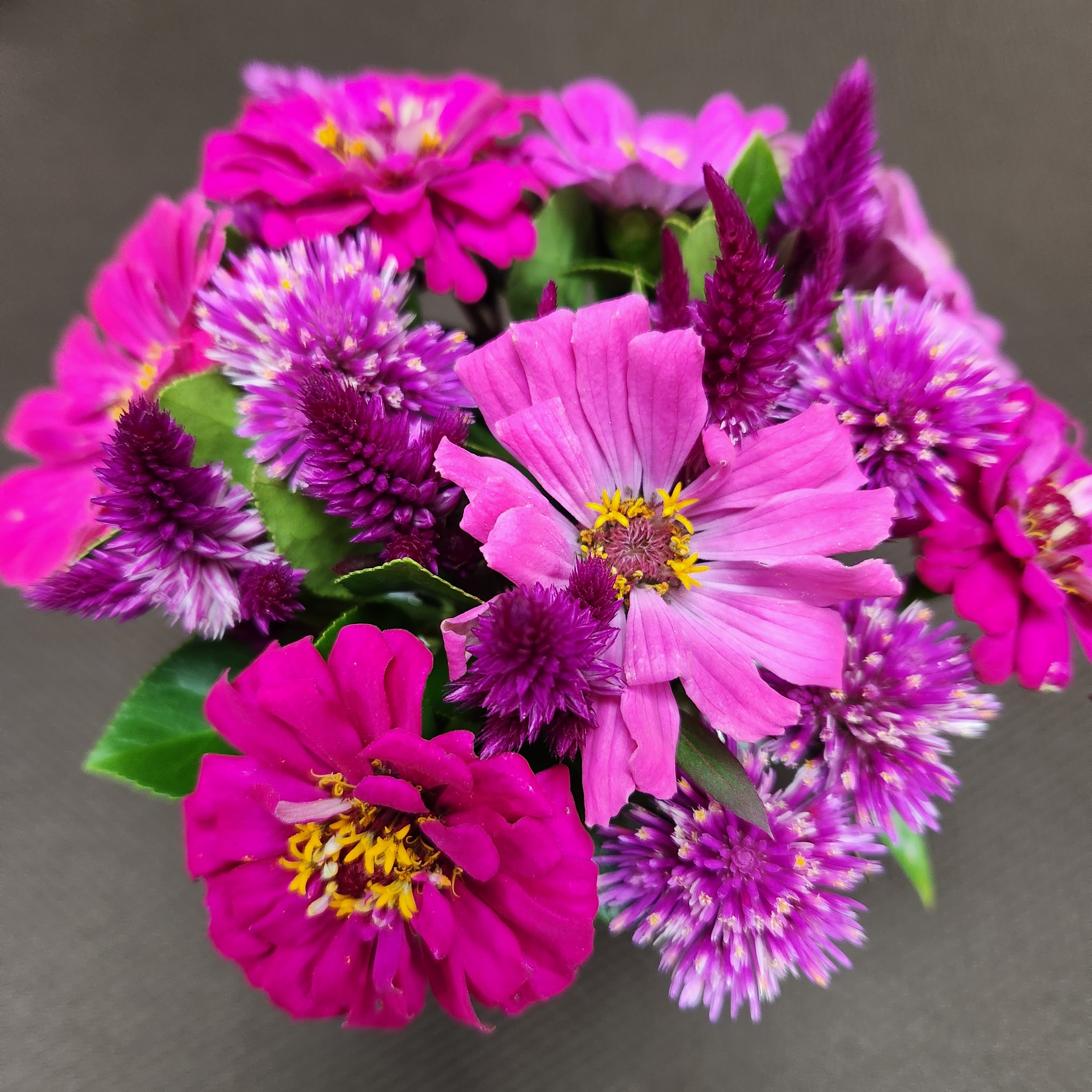
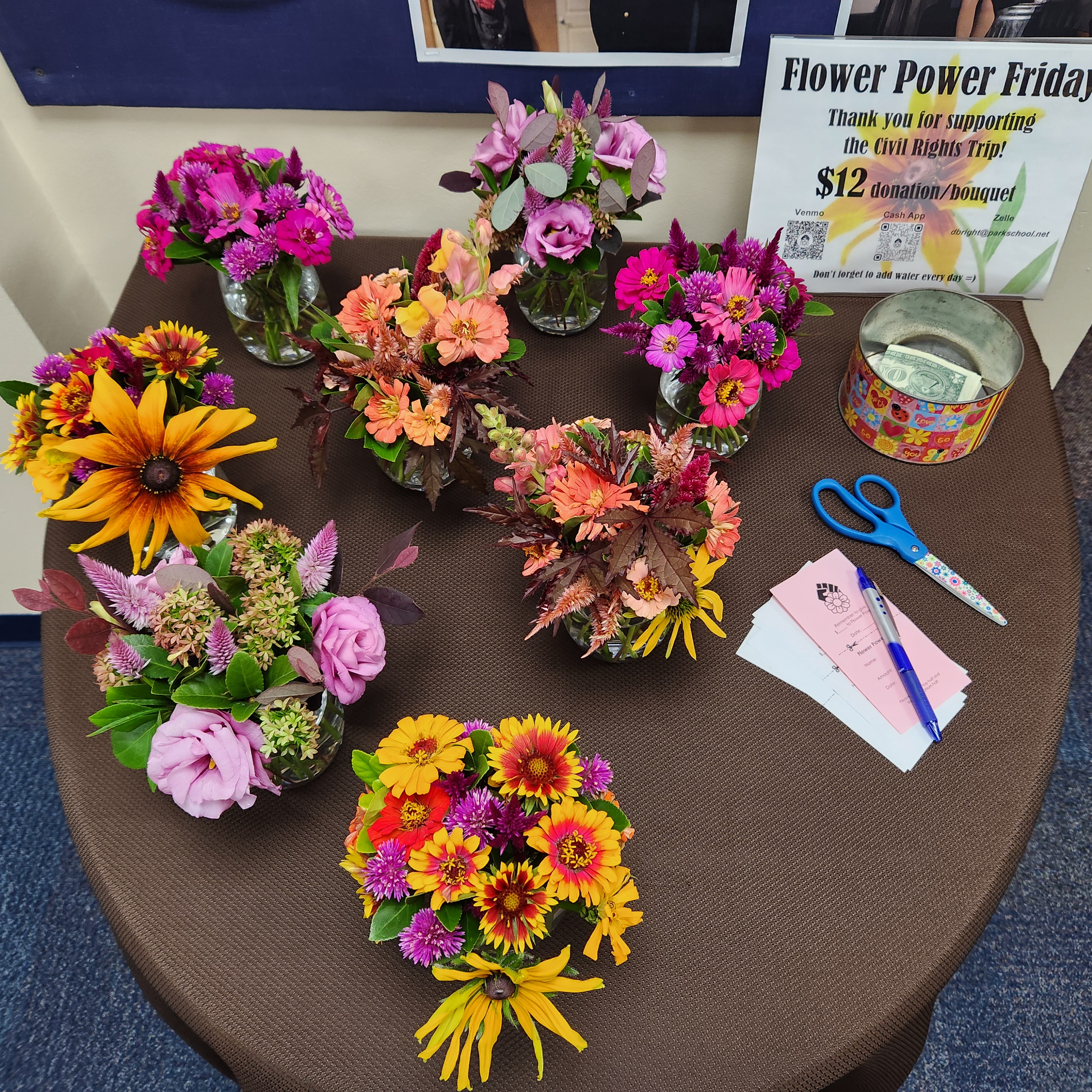
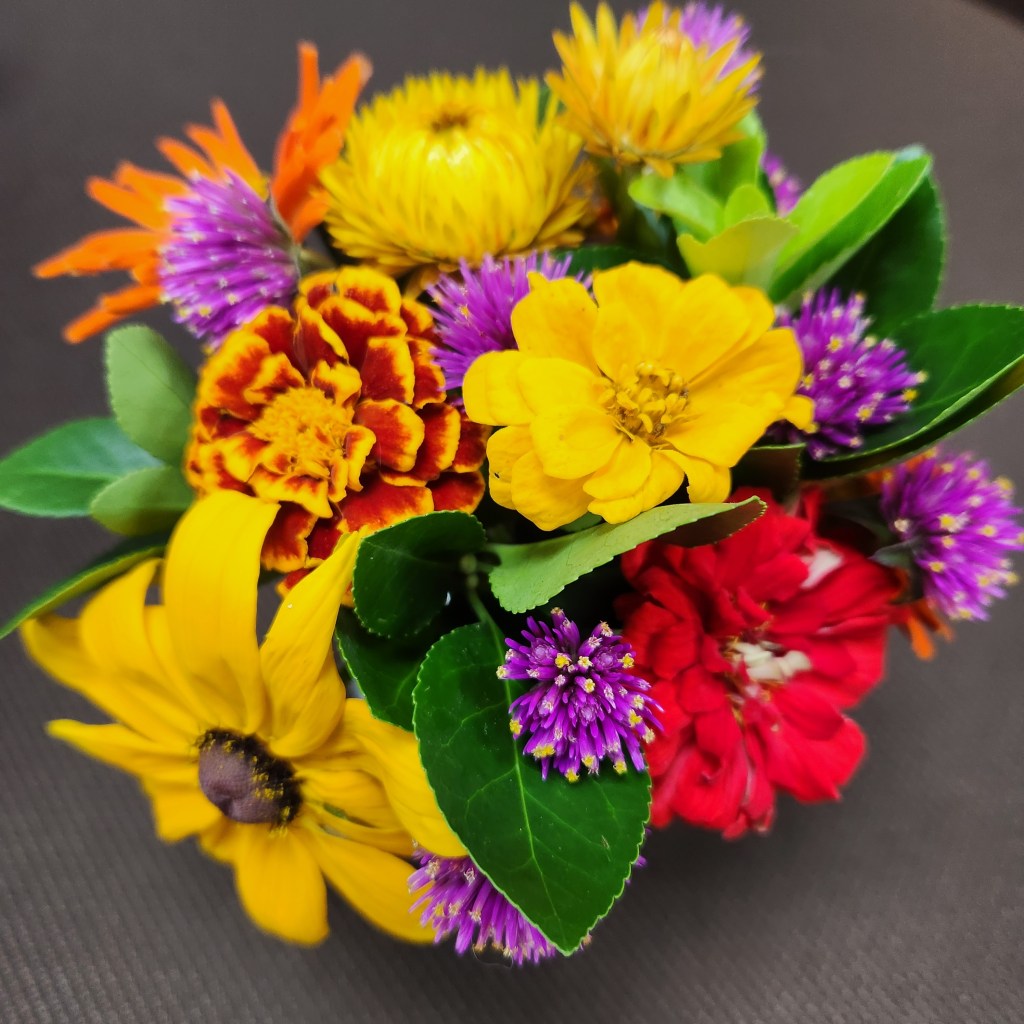


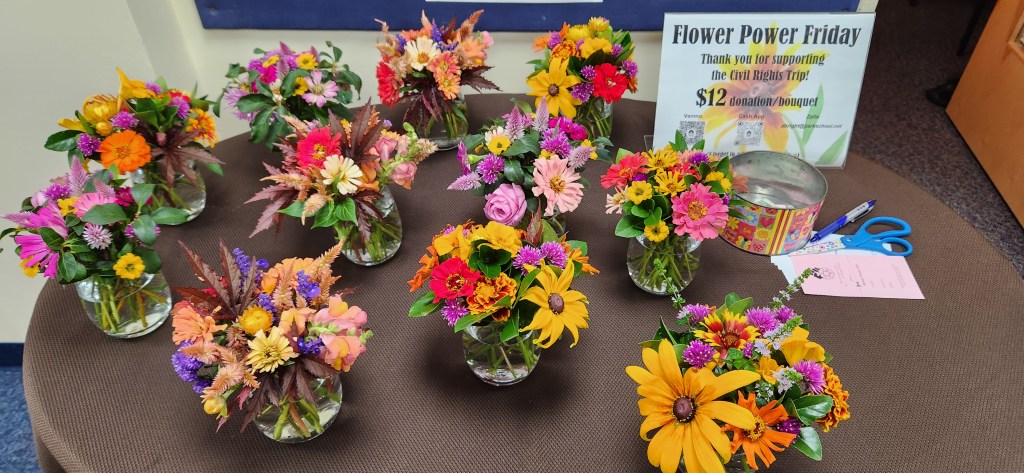
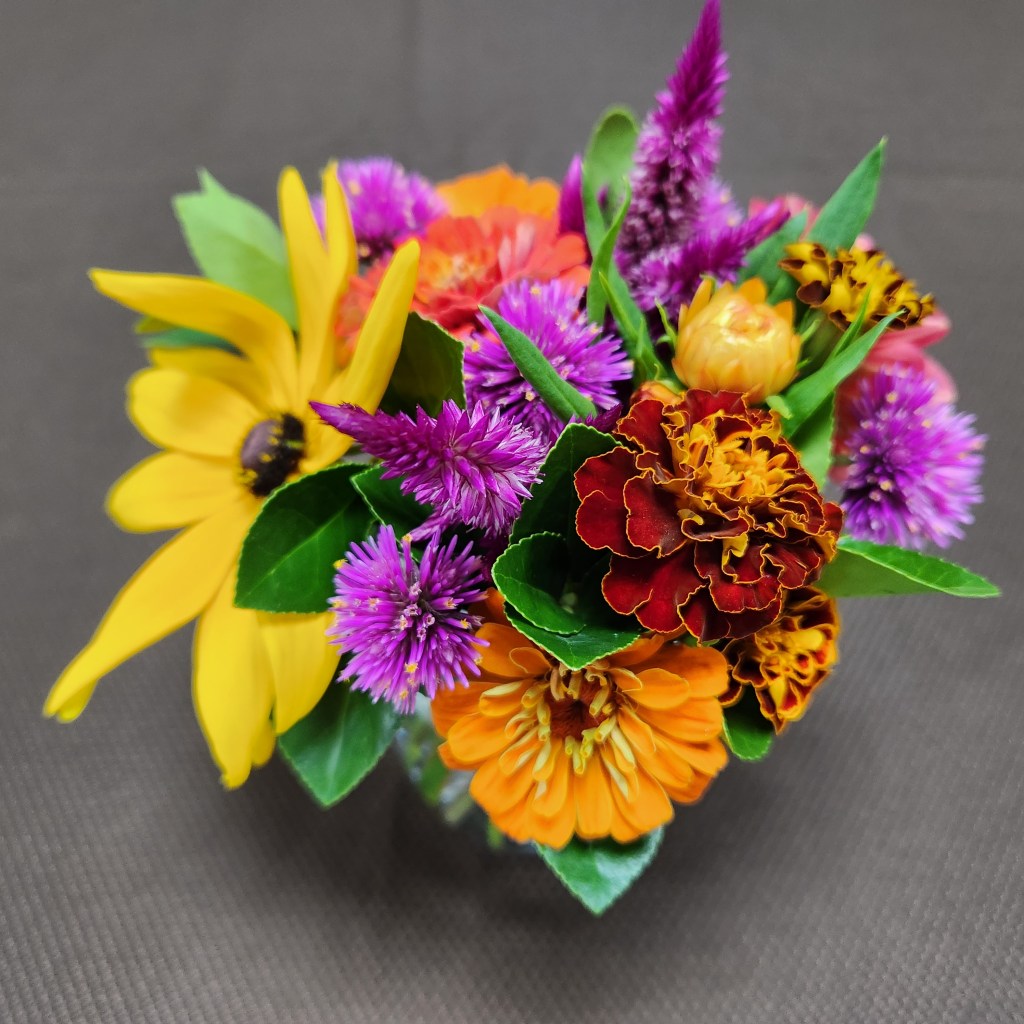
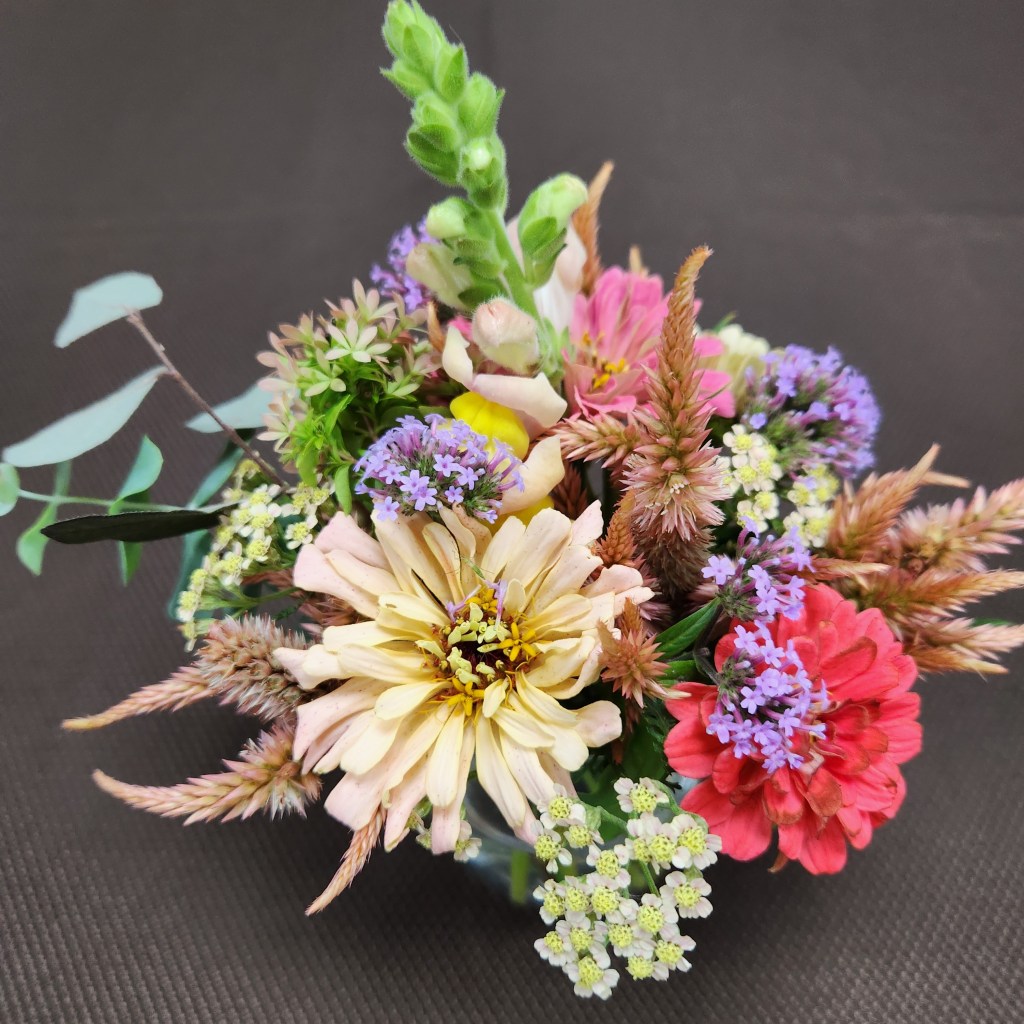
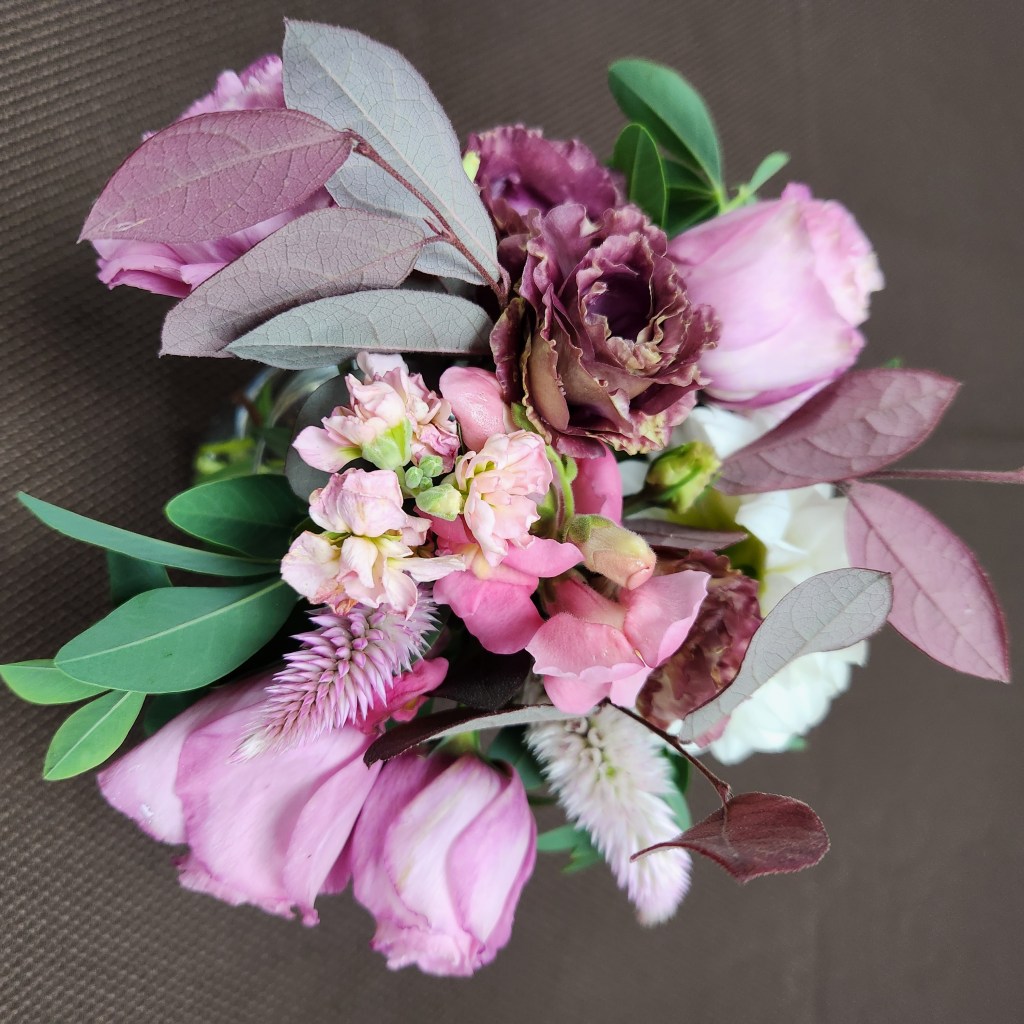
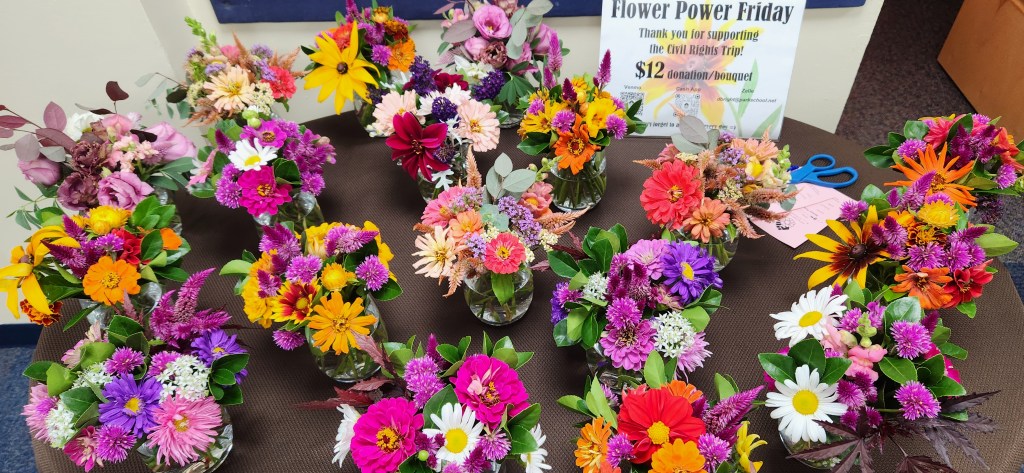
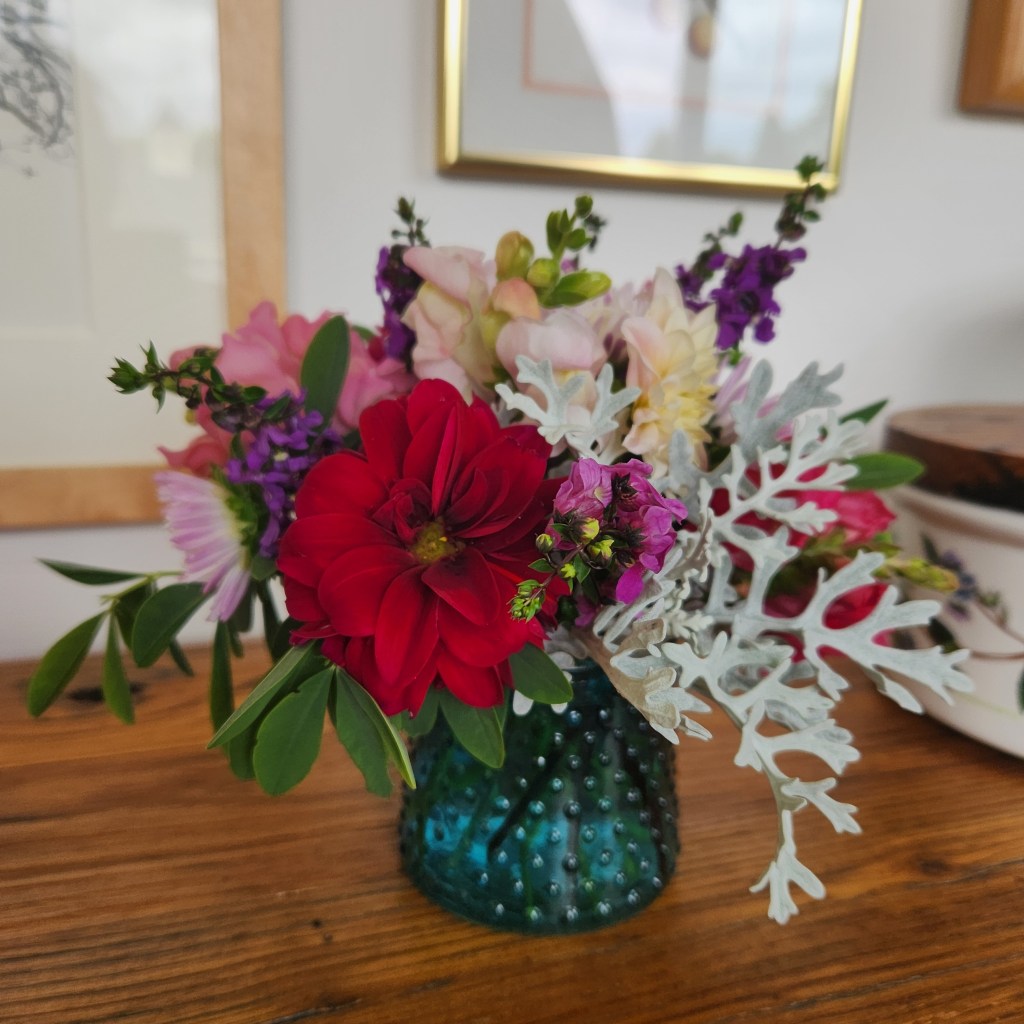
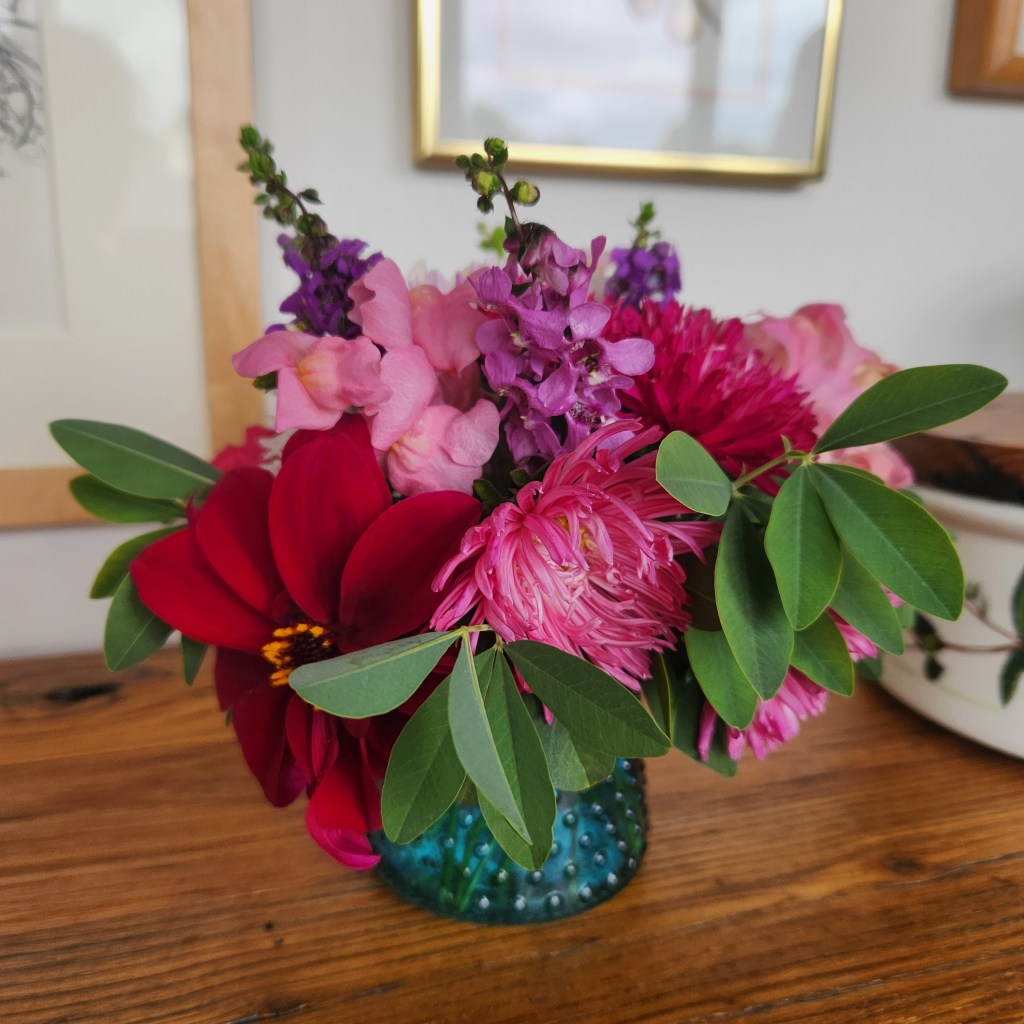

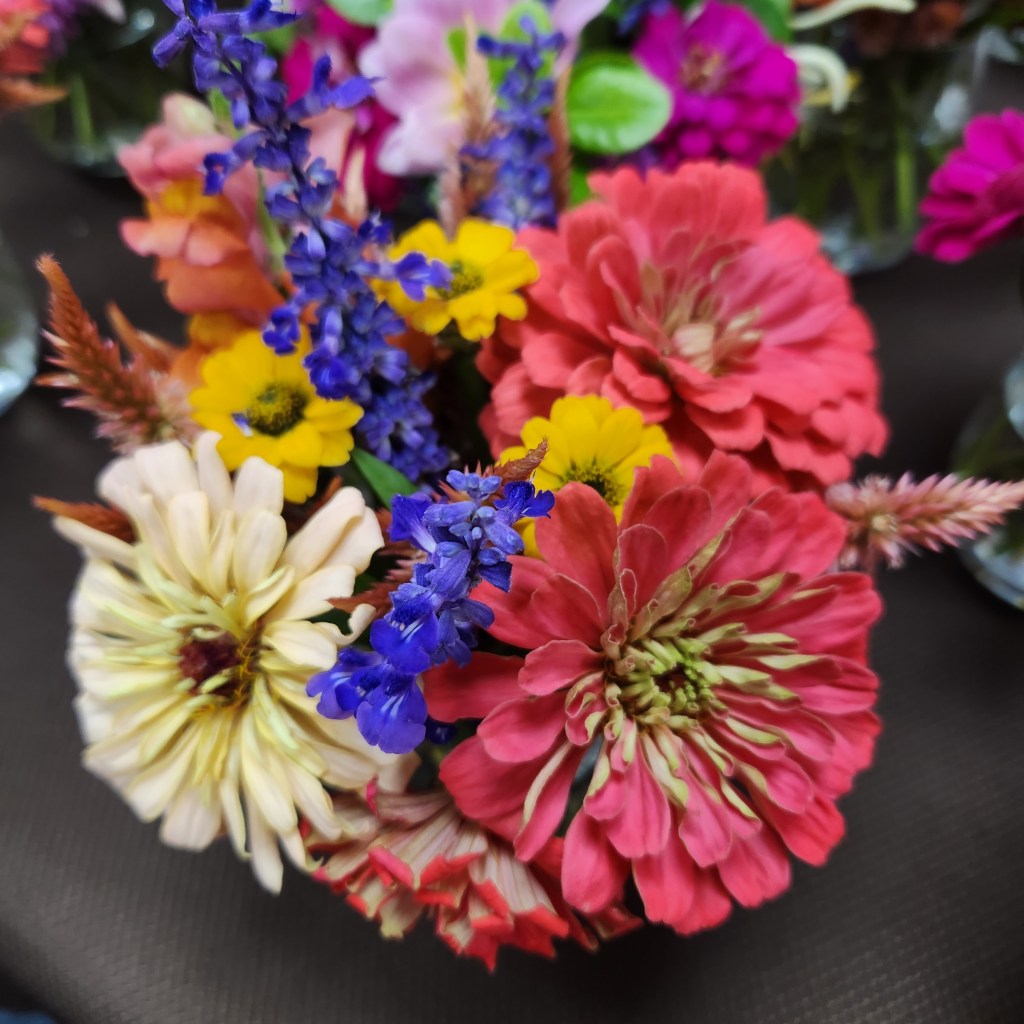
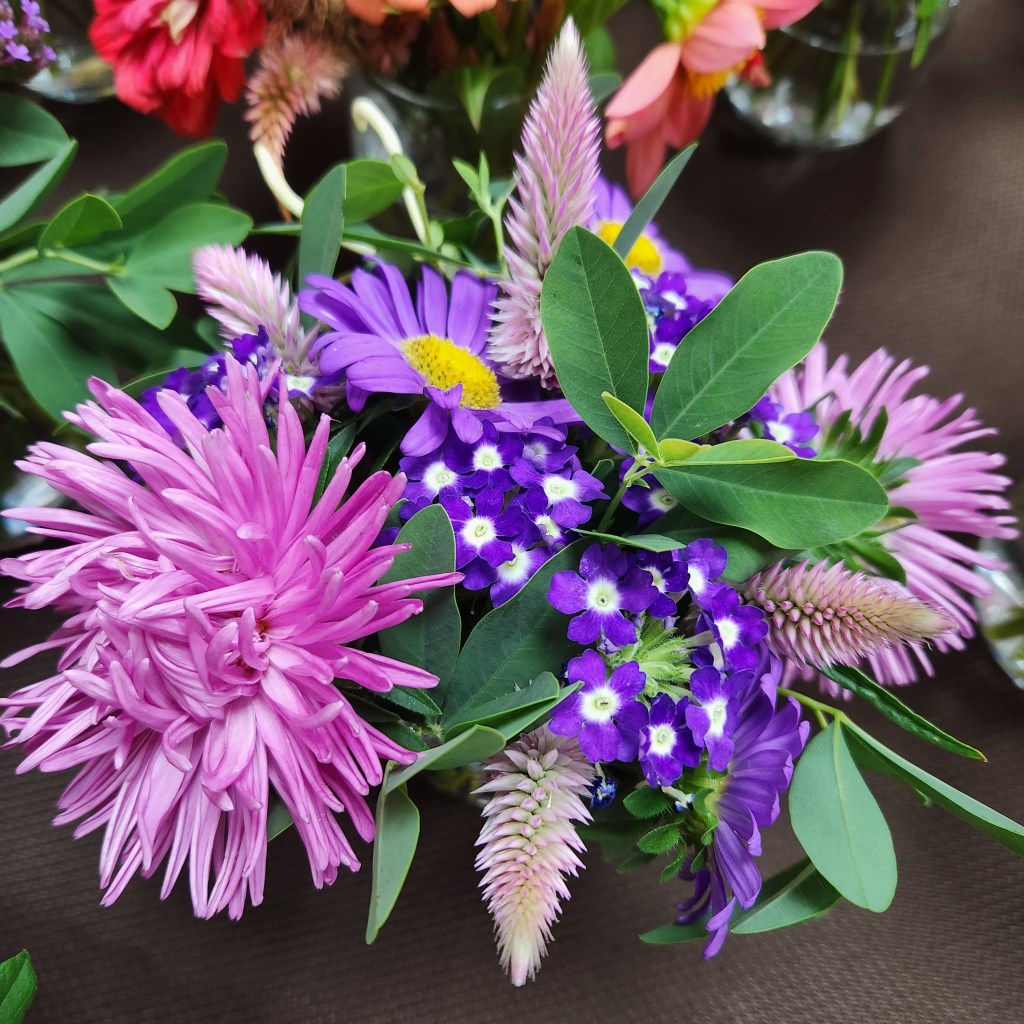
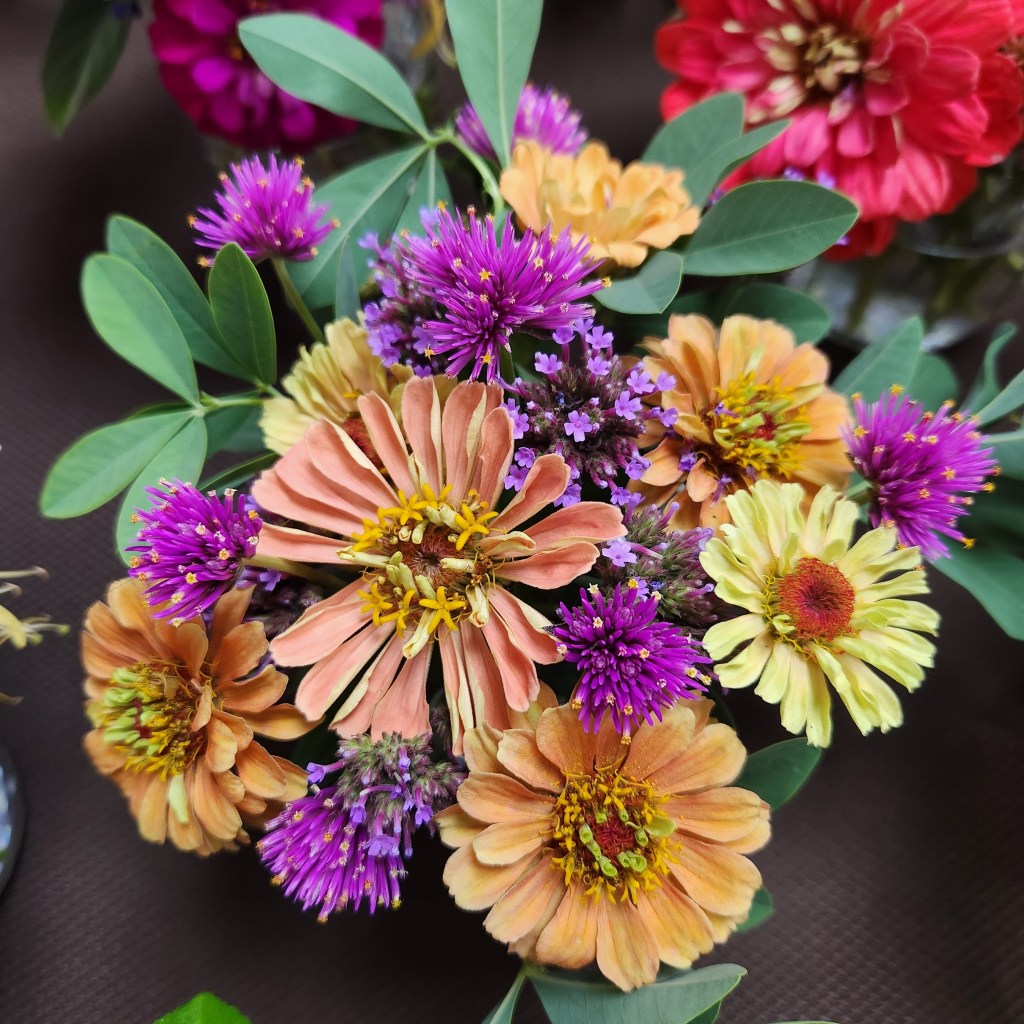
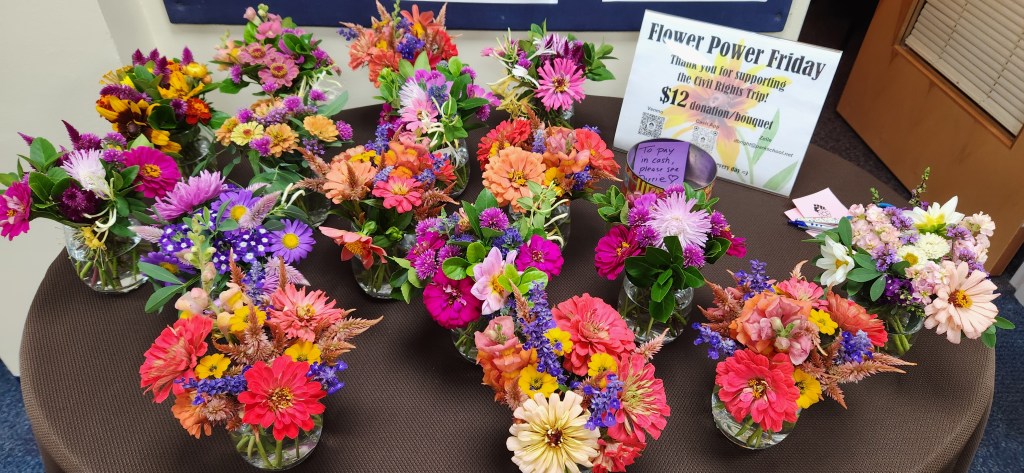
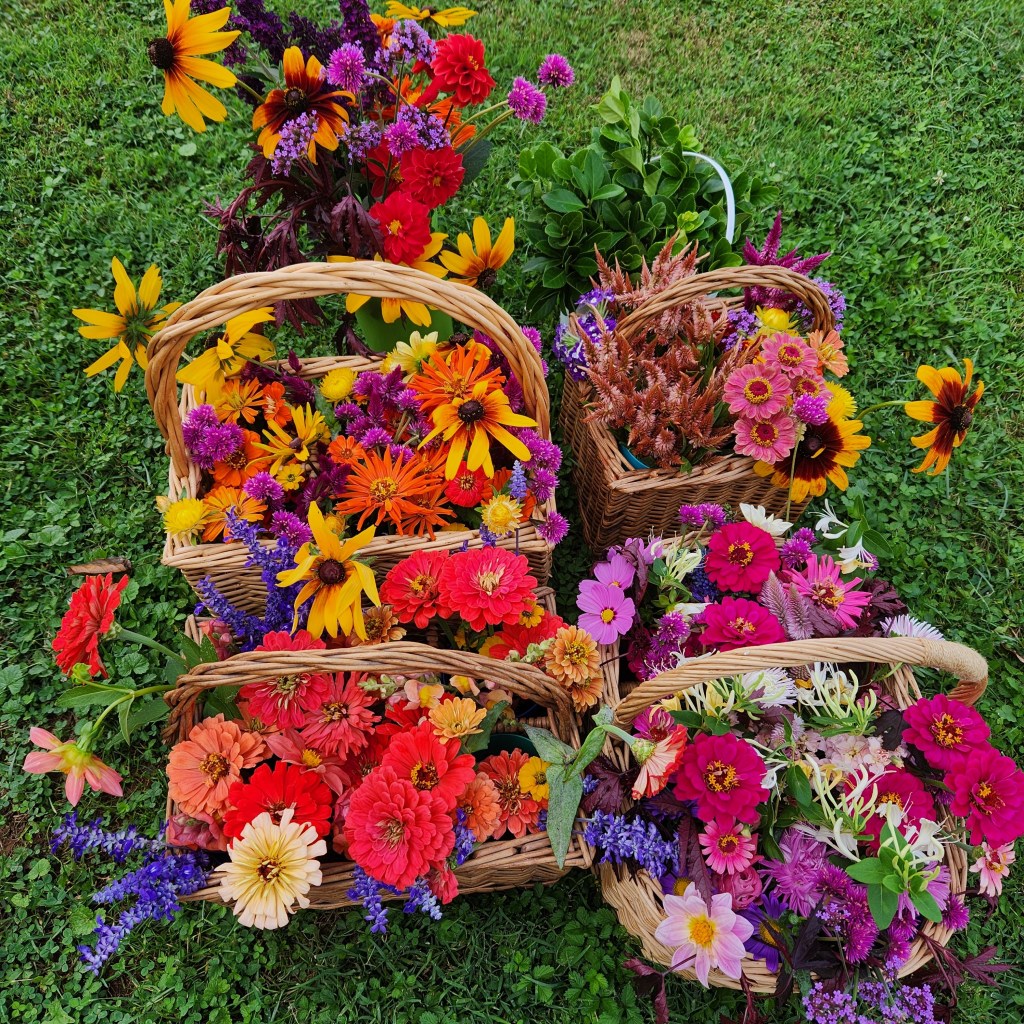
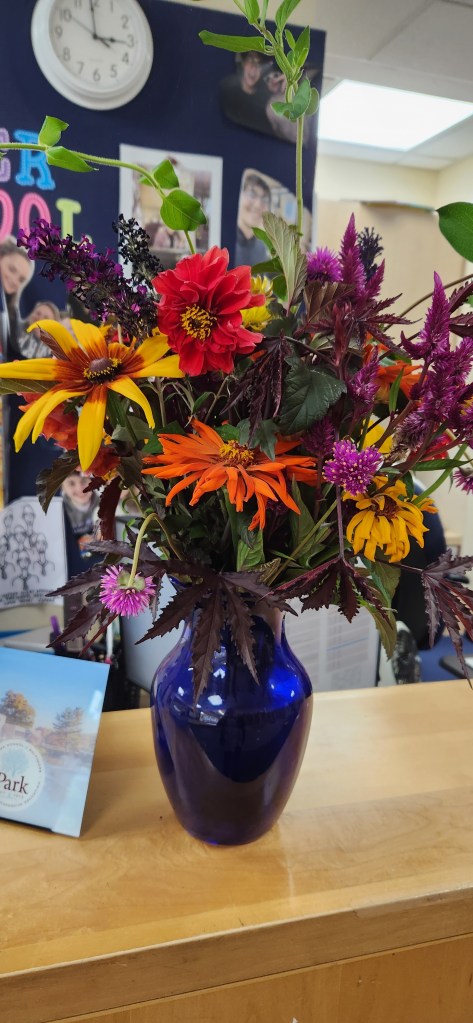

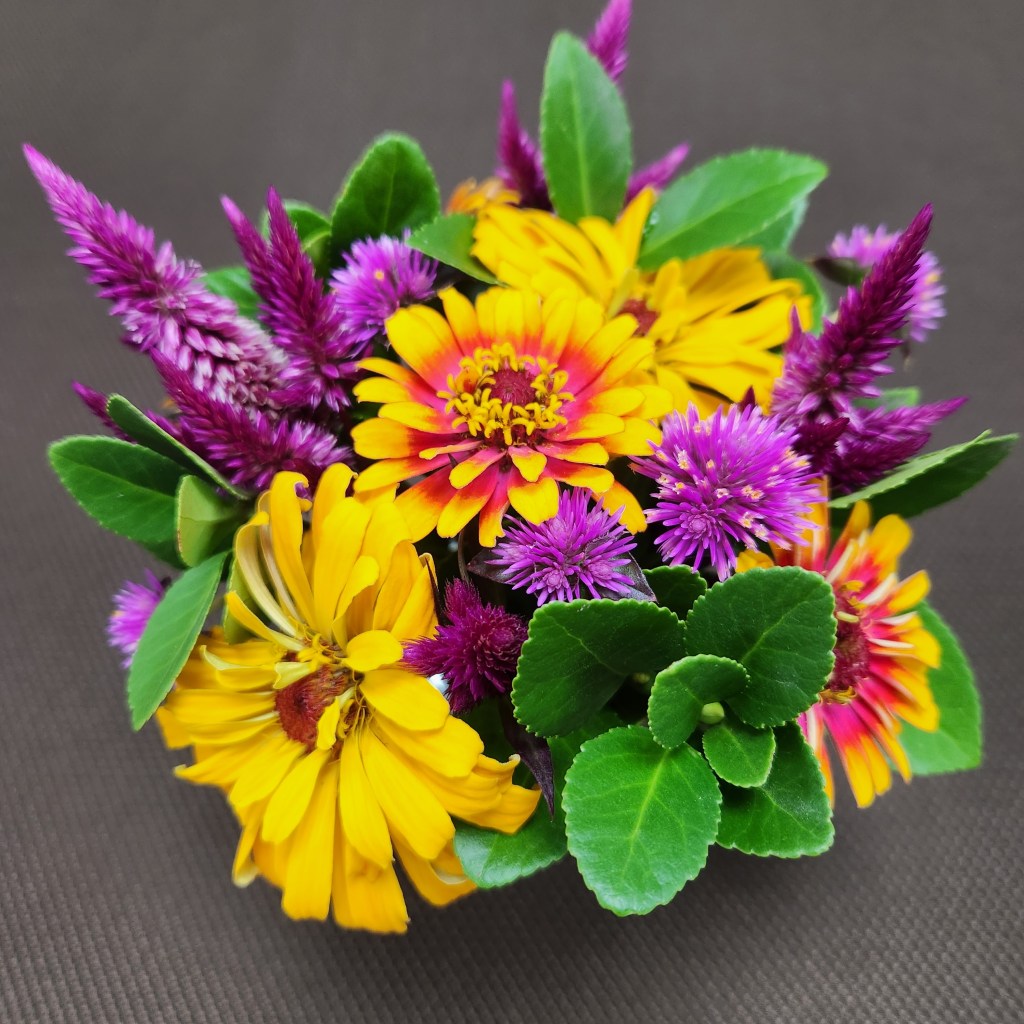

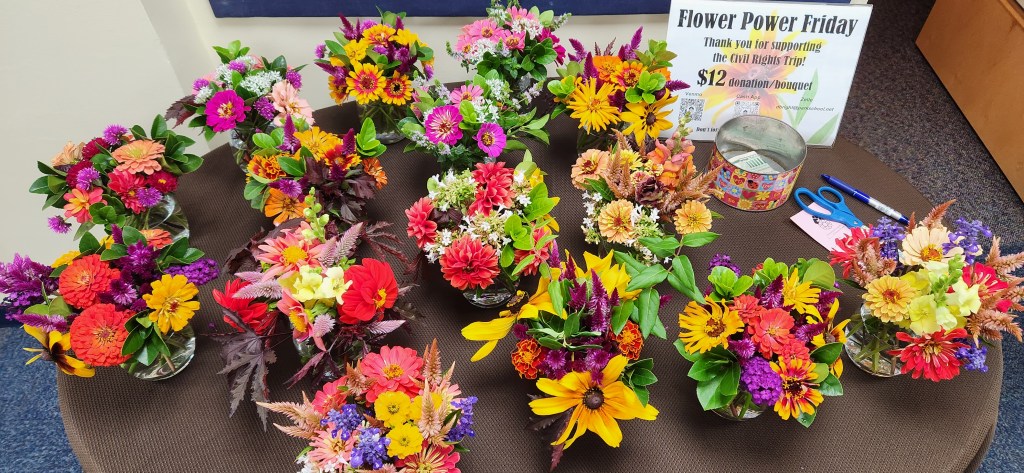
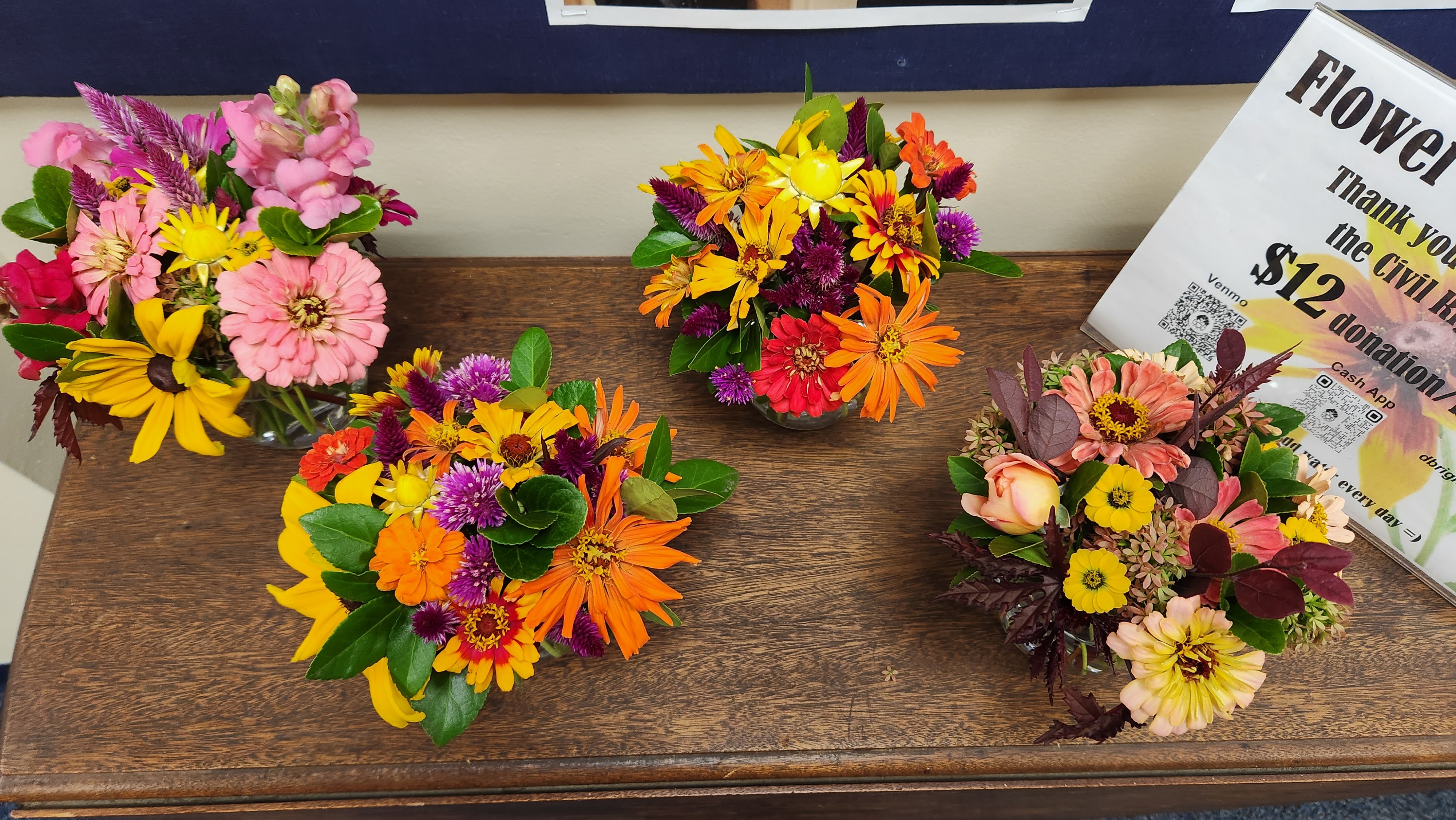
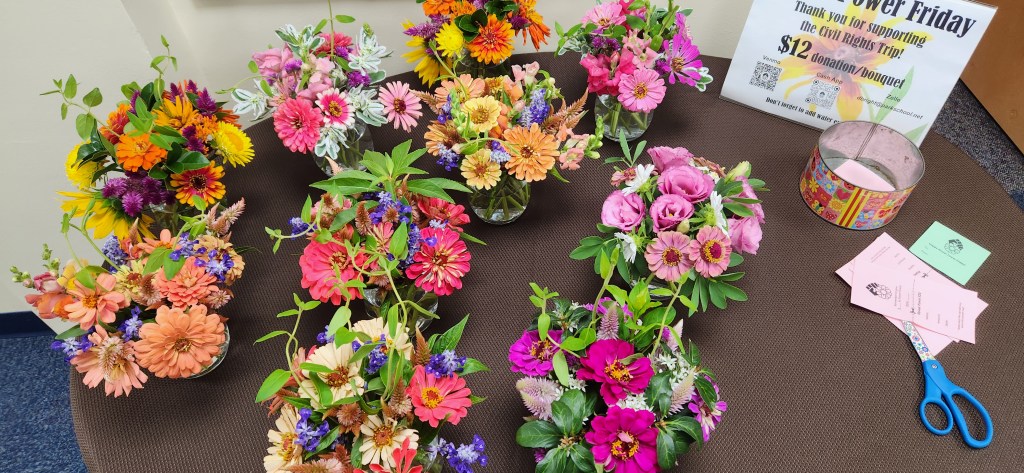
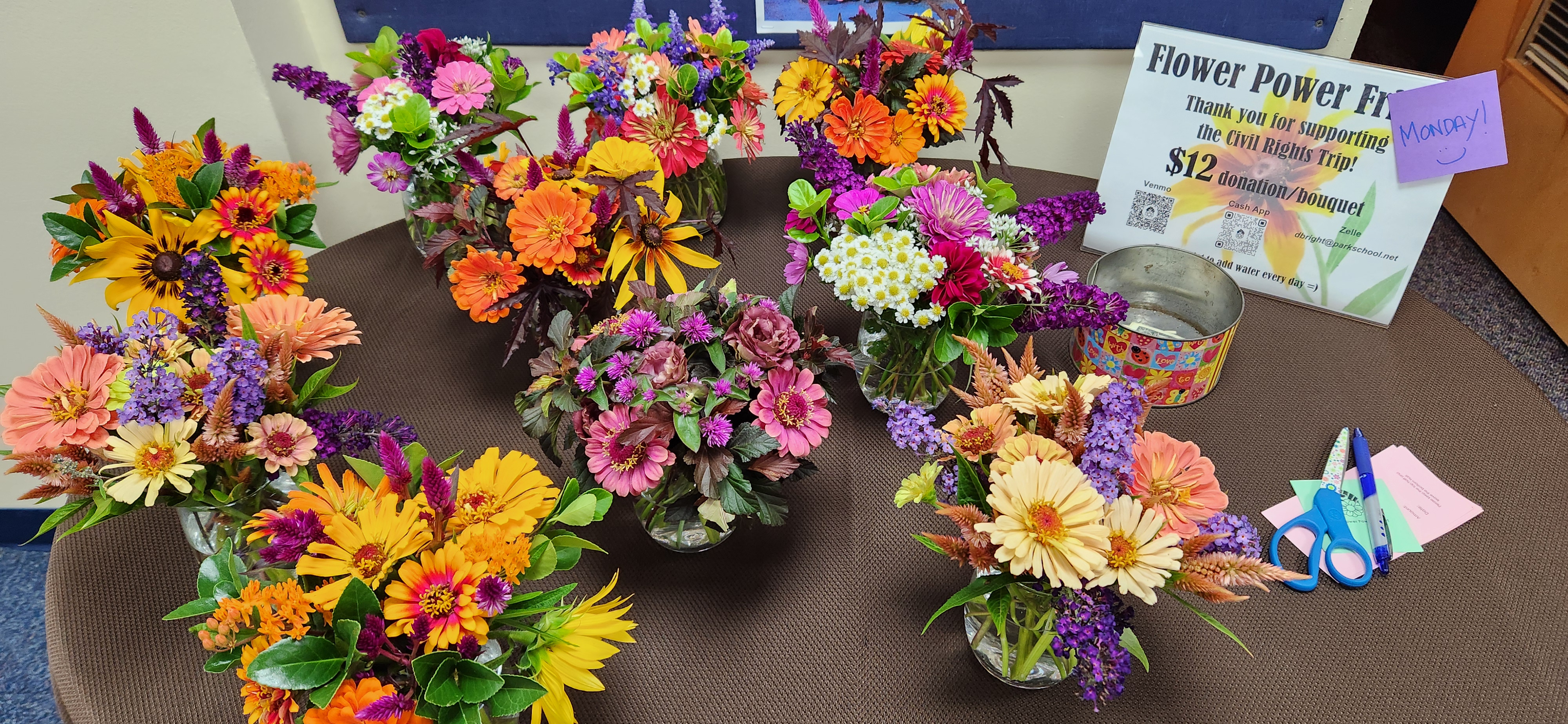
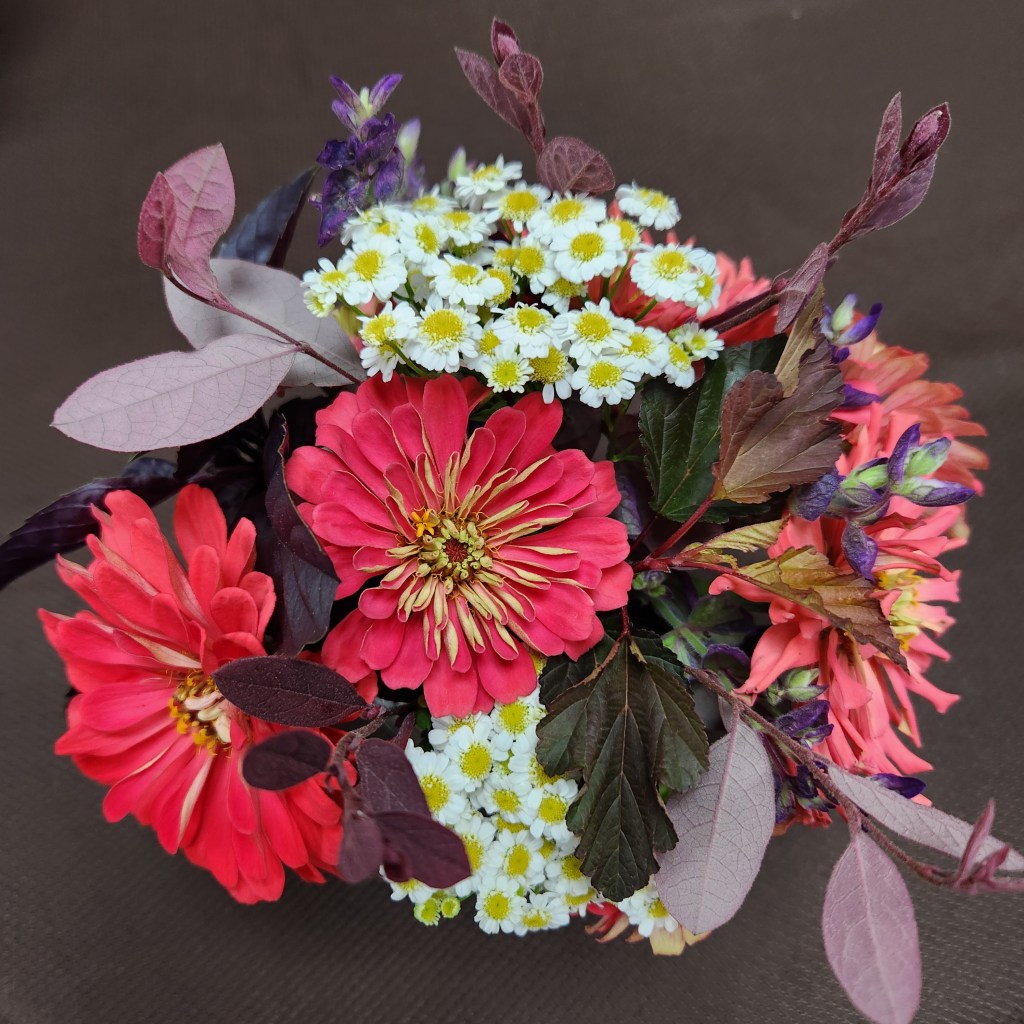
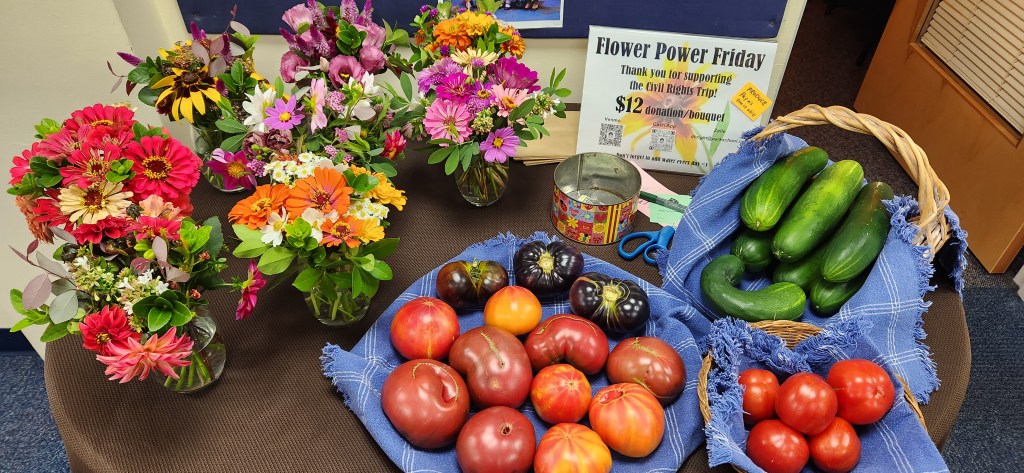
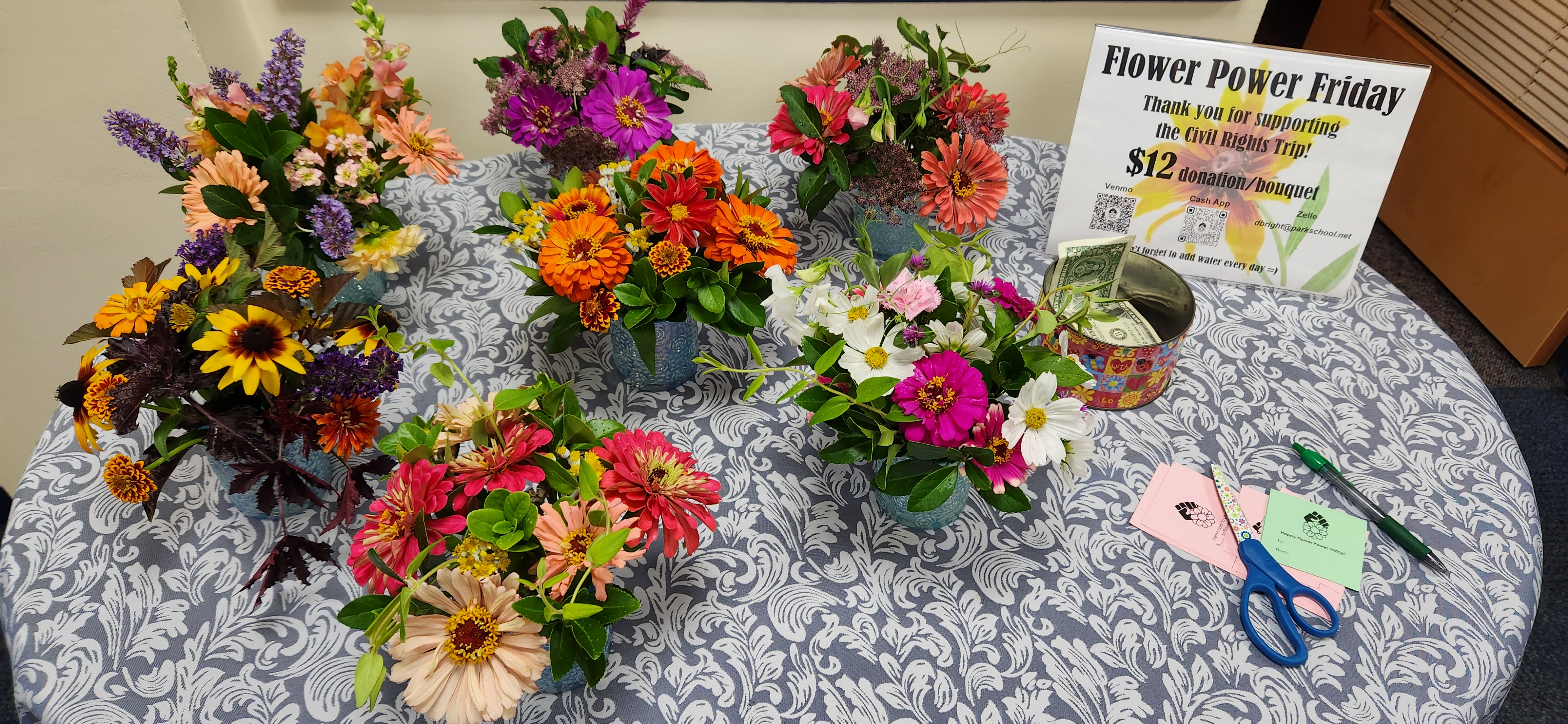
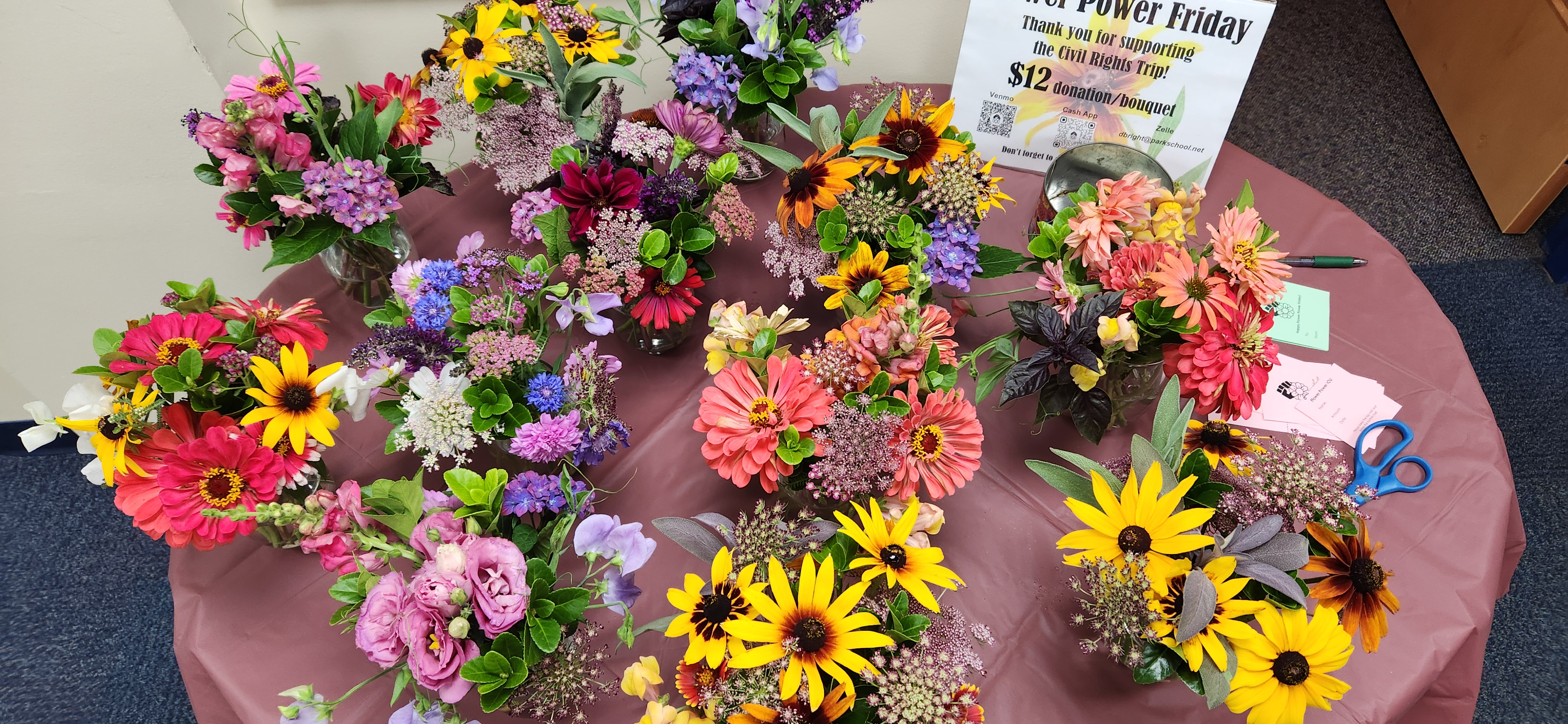
A whopping 20 bouquets today! (Yes, there are more in the wings, not pictured.)
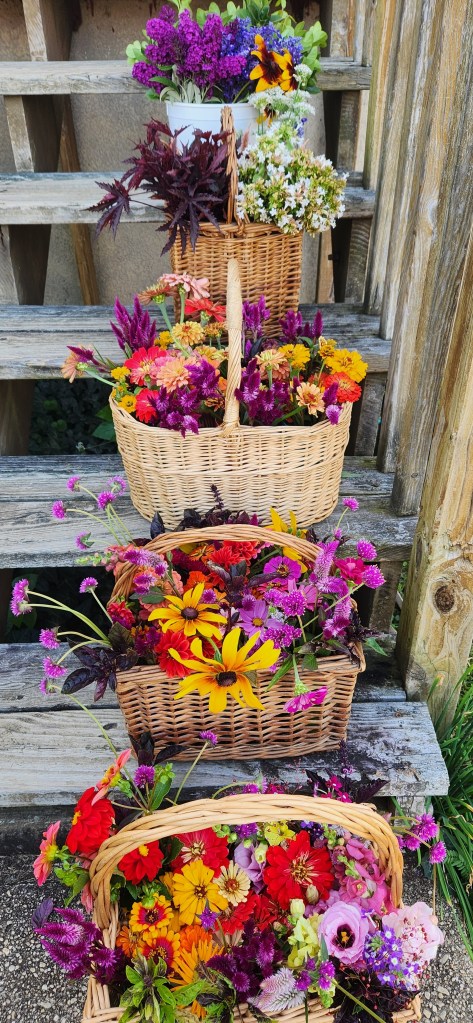
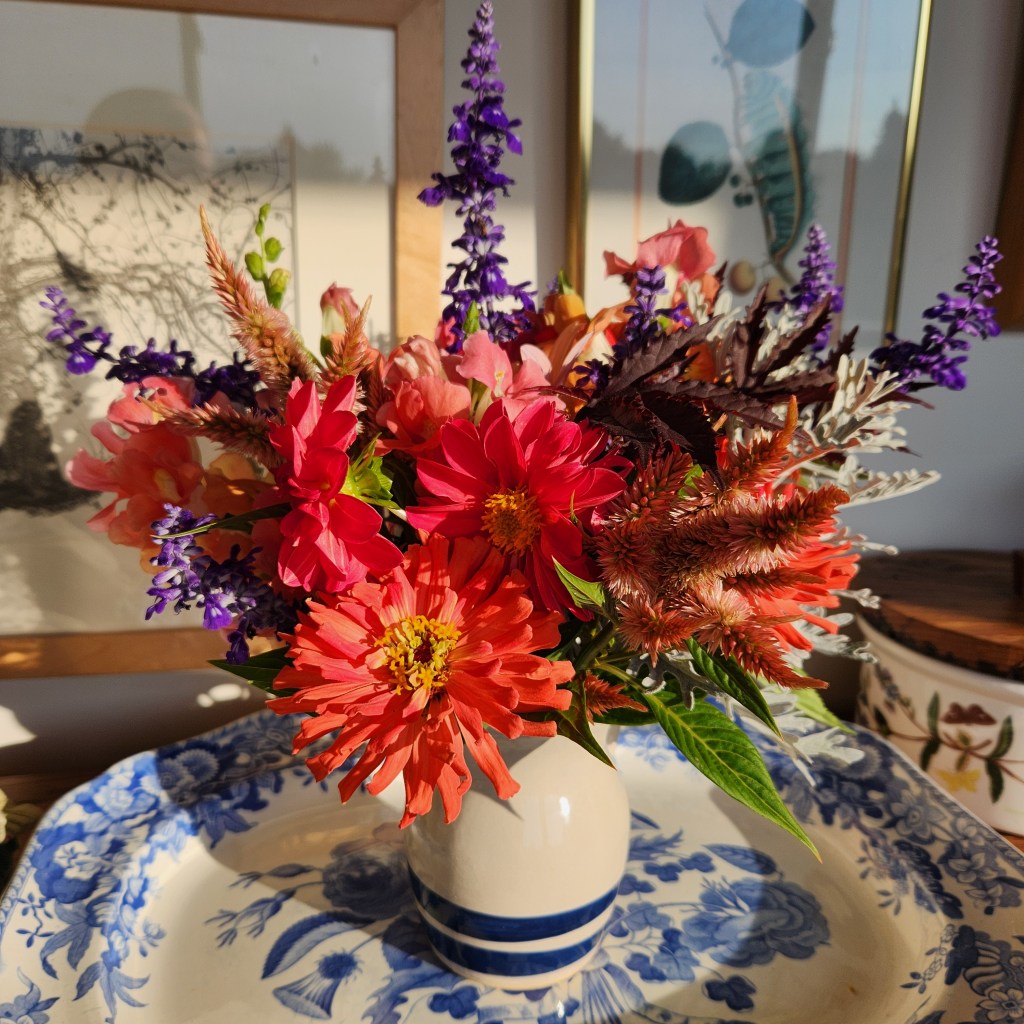


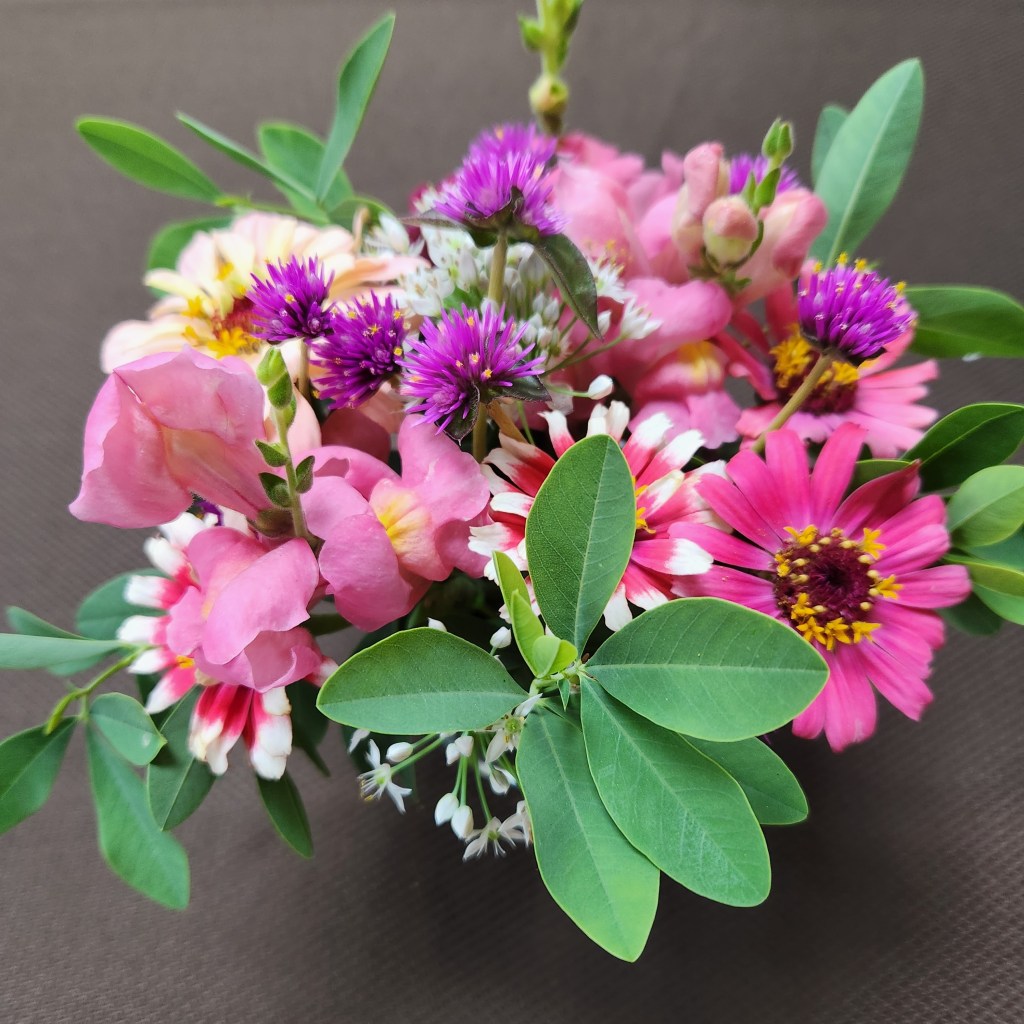
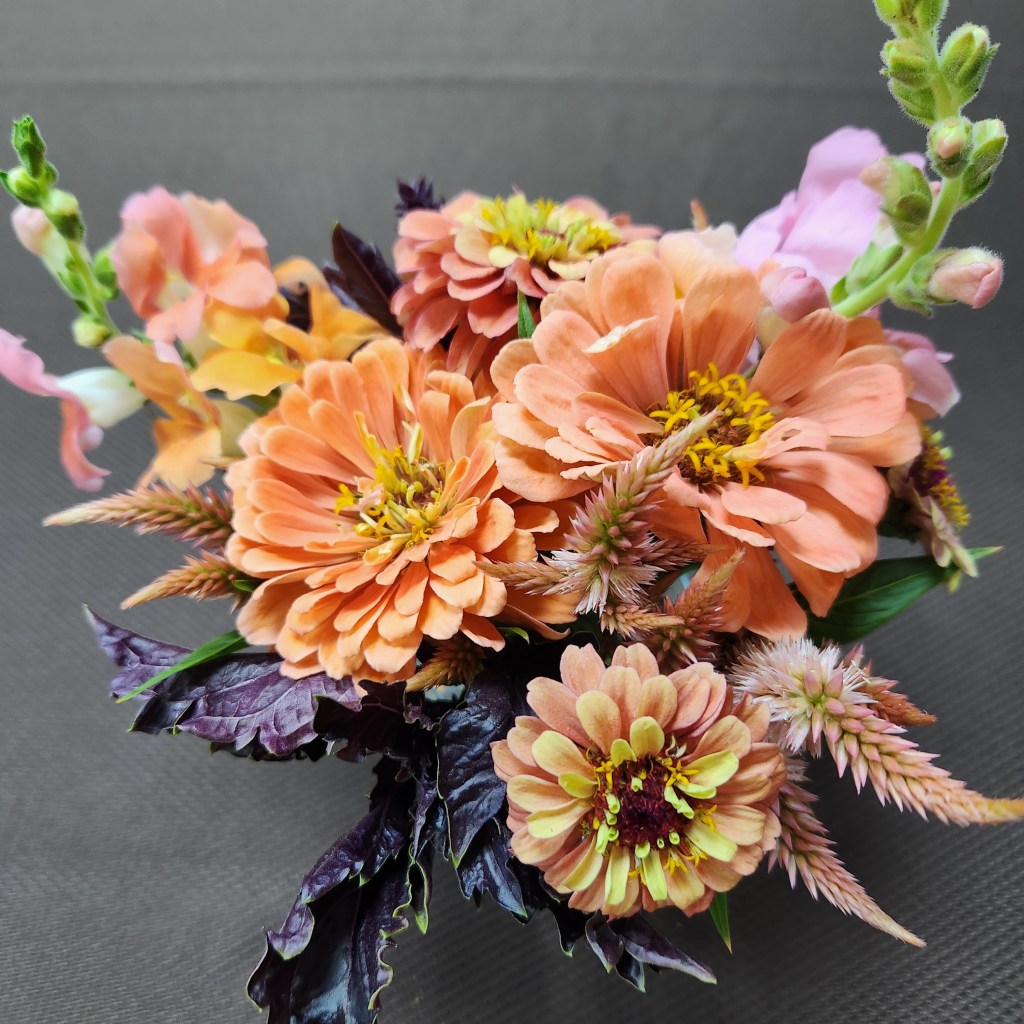
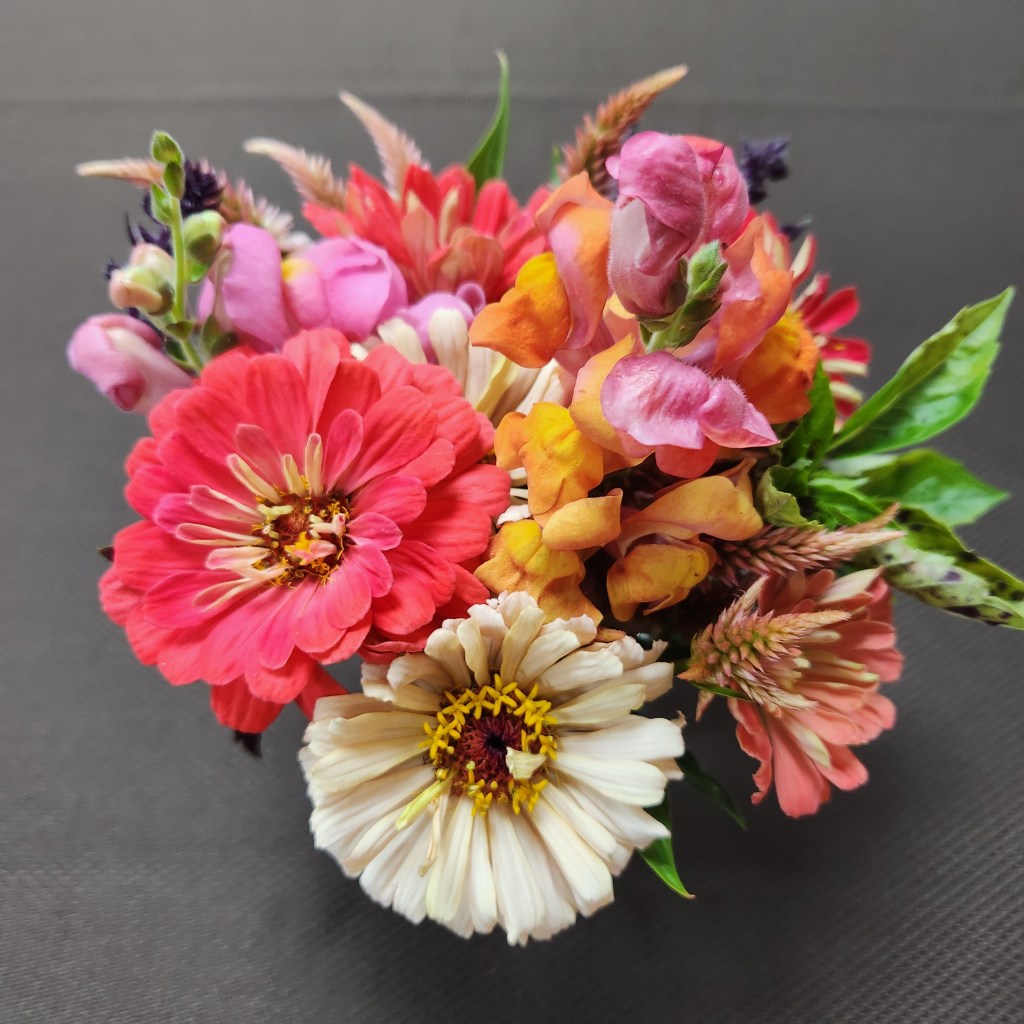
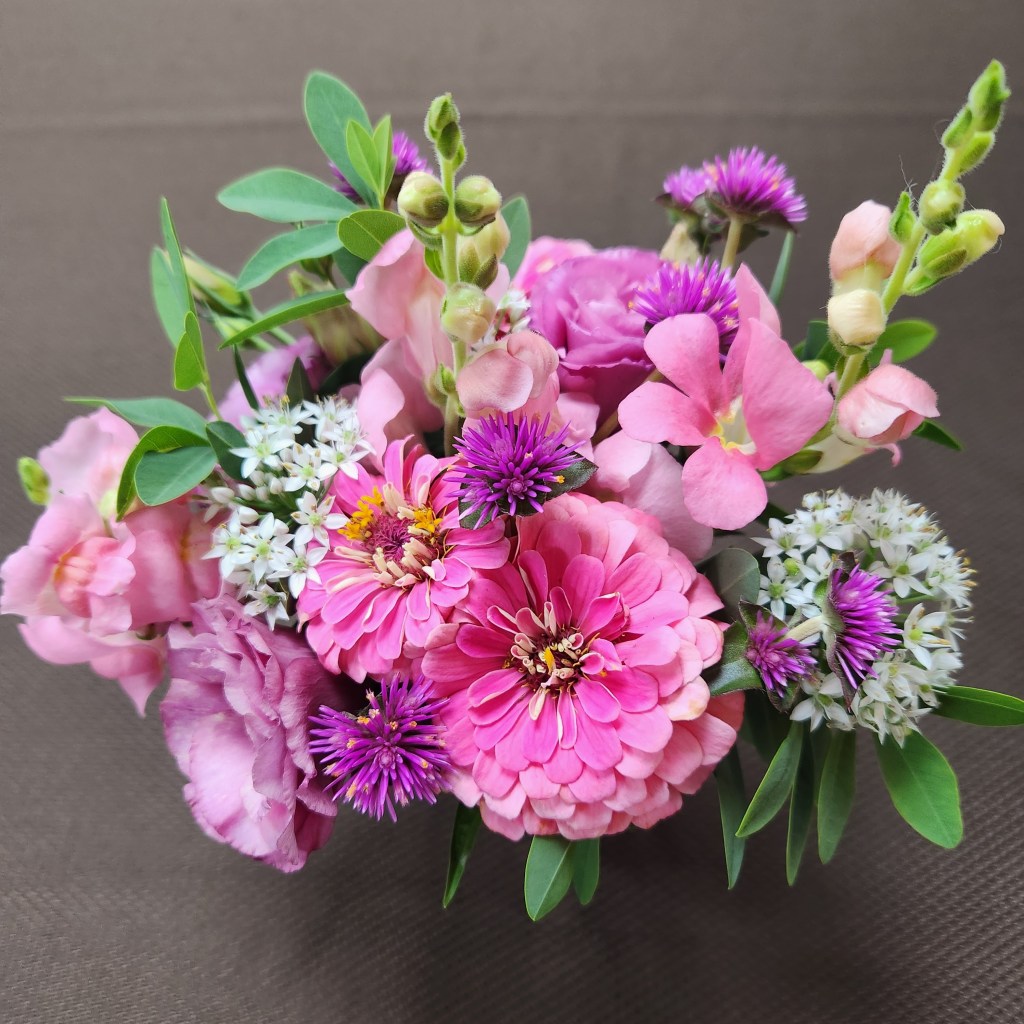
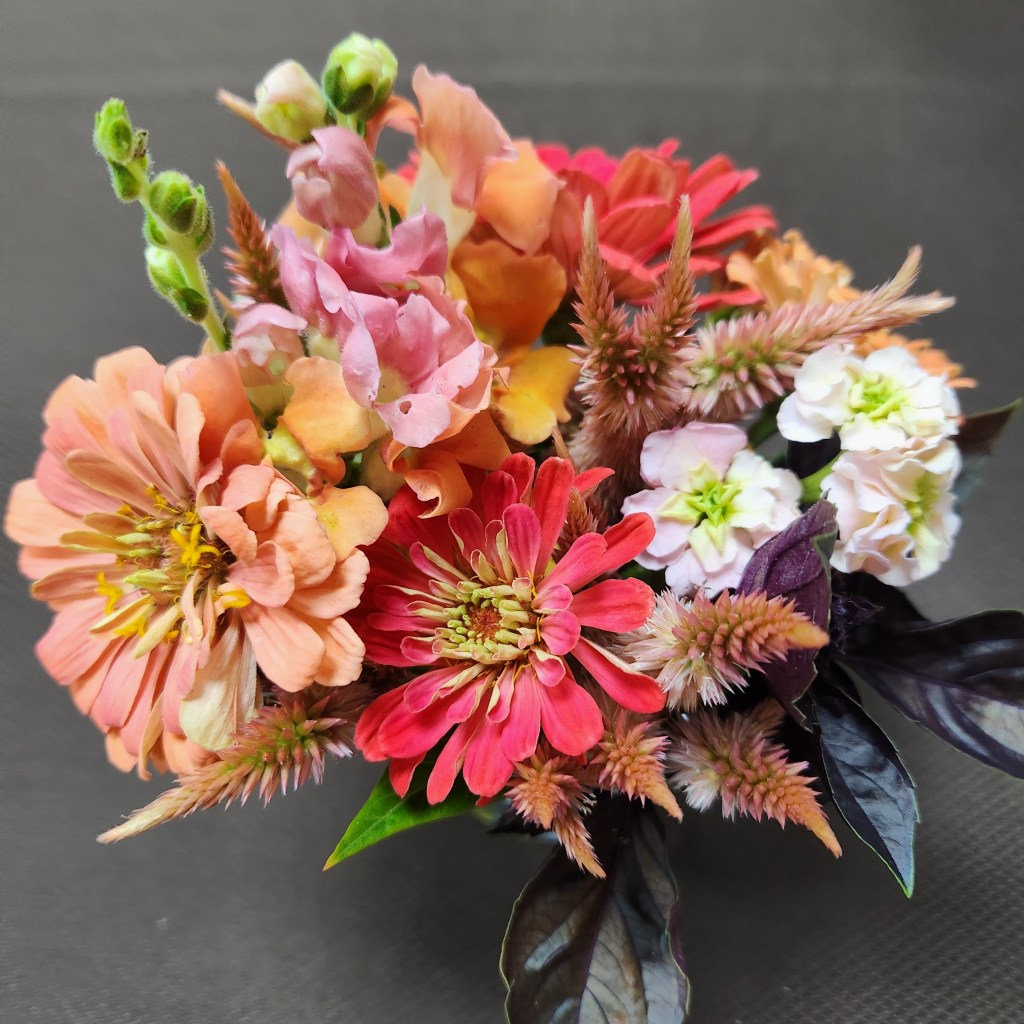
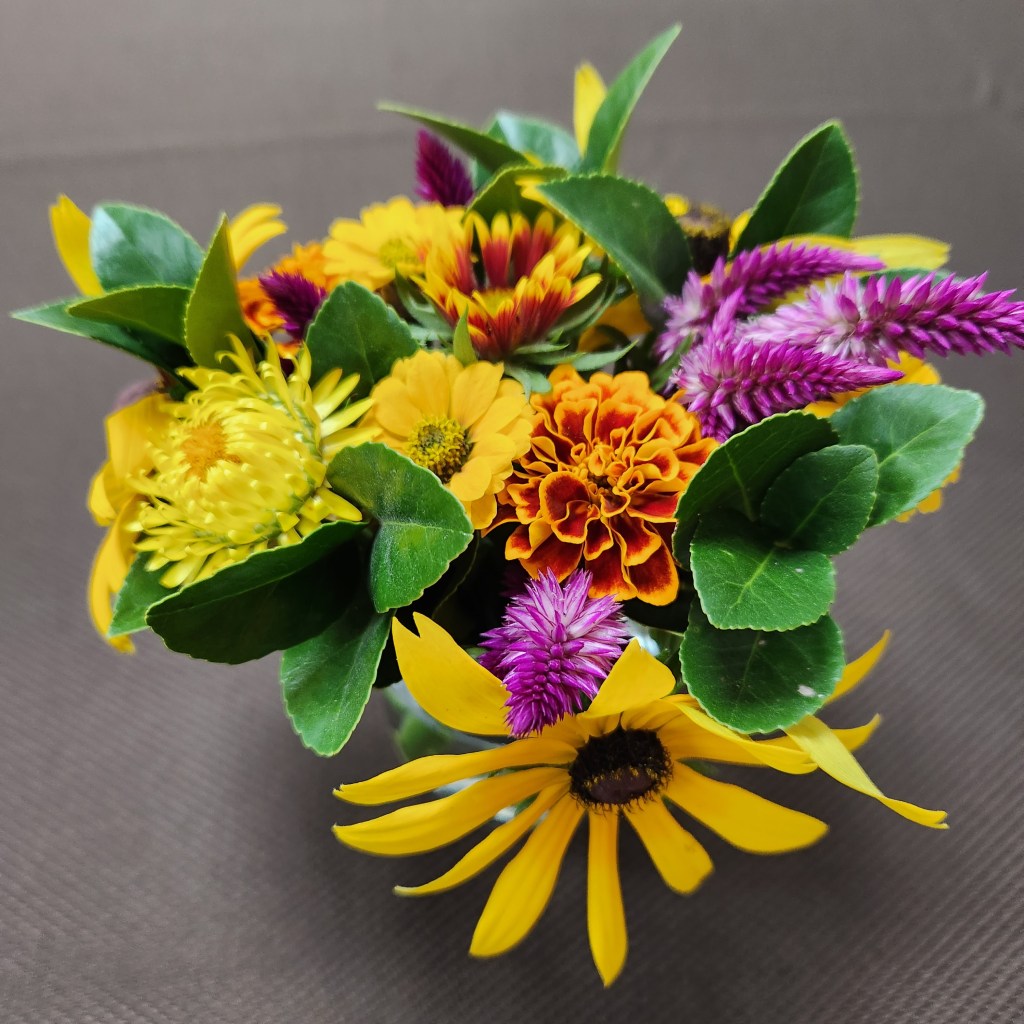
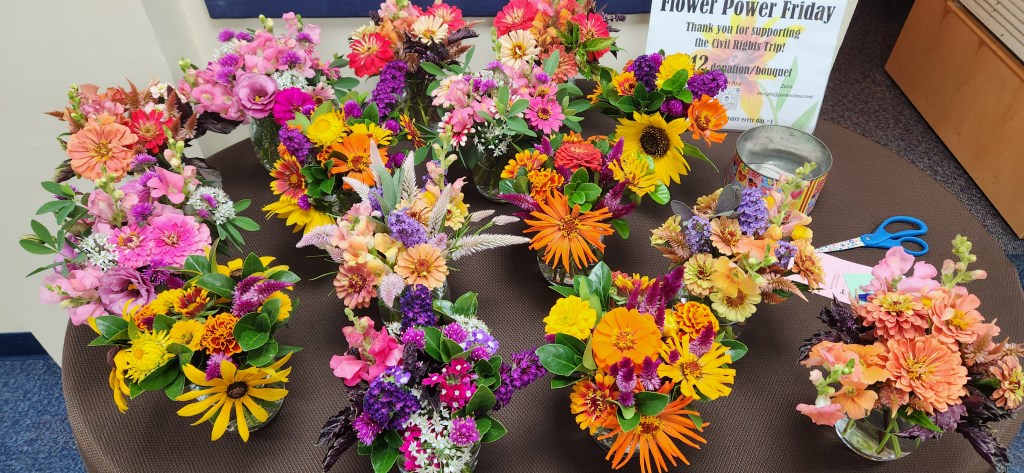
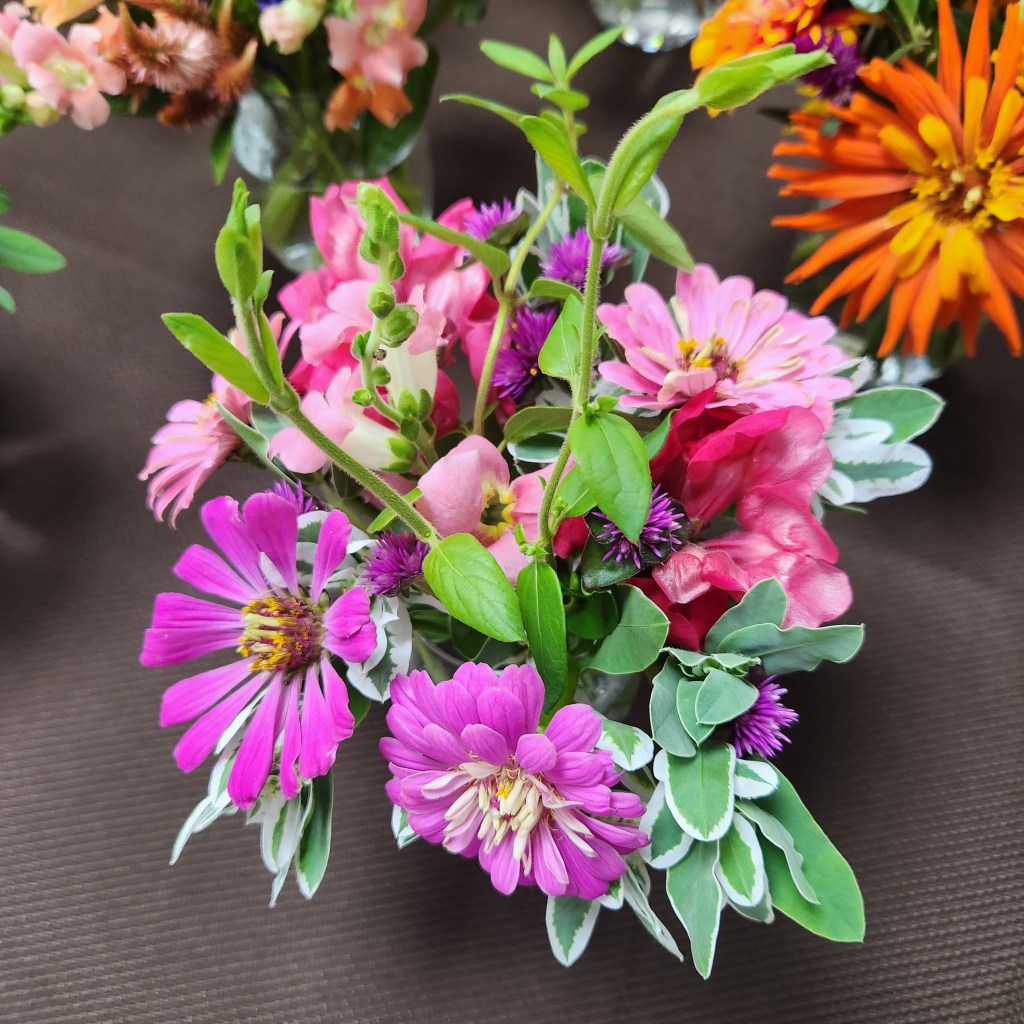
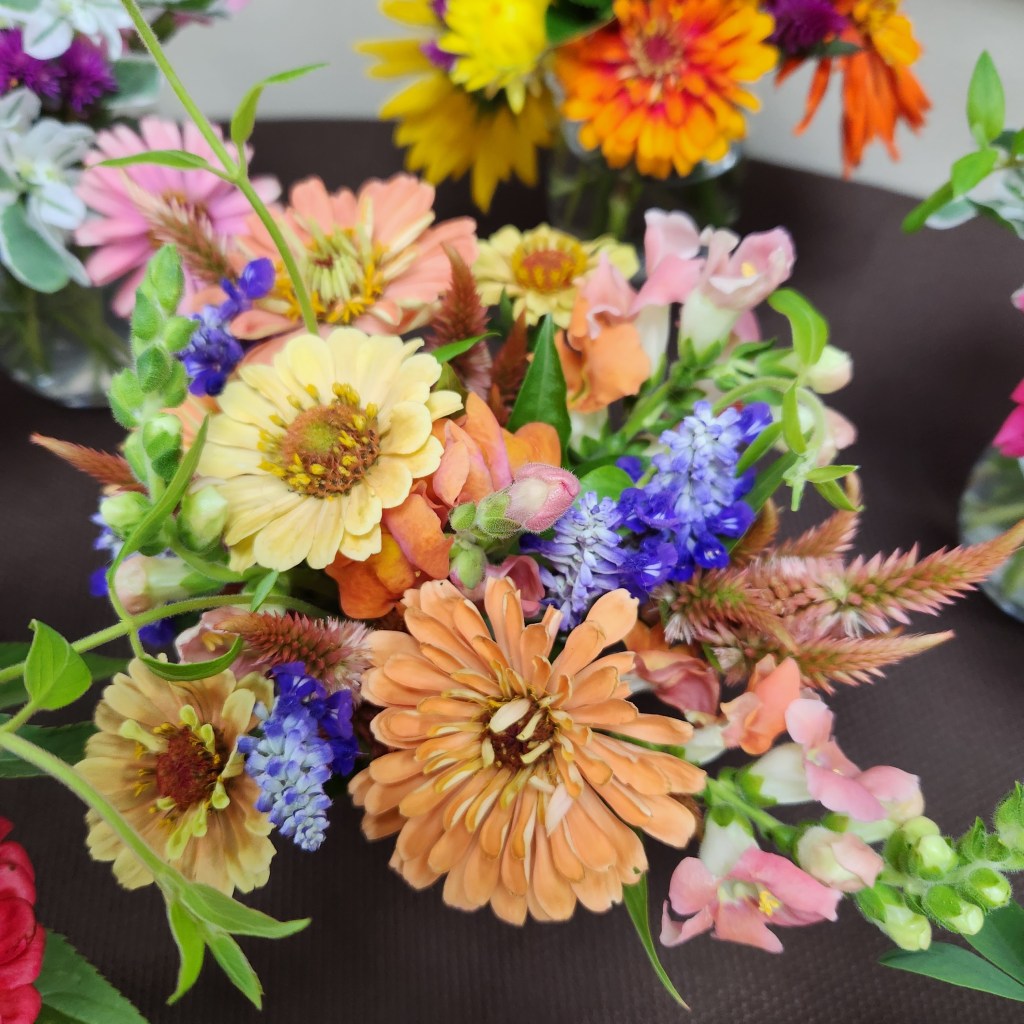
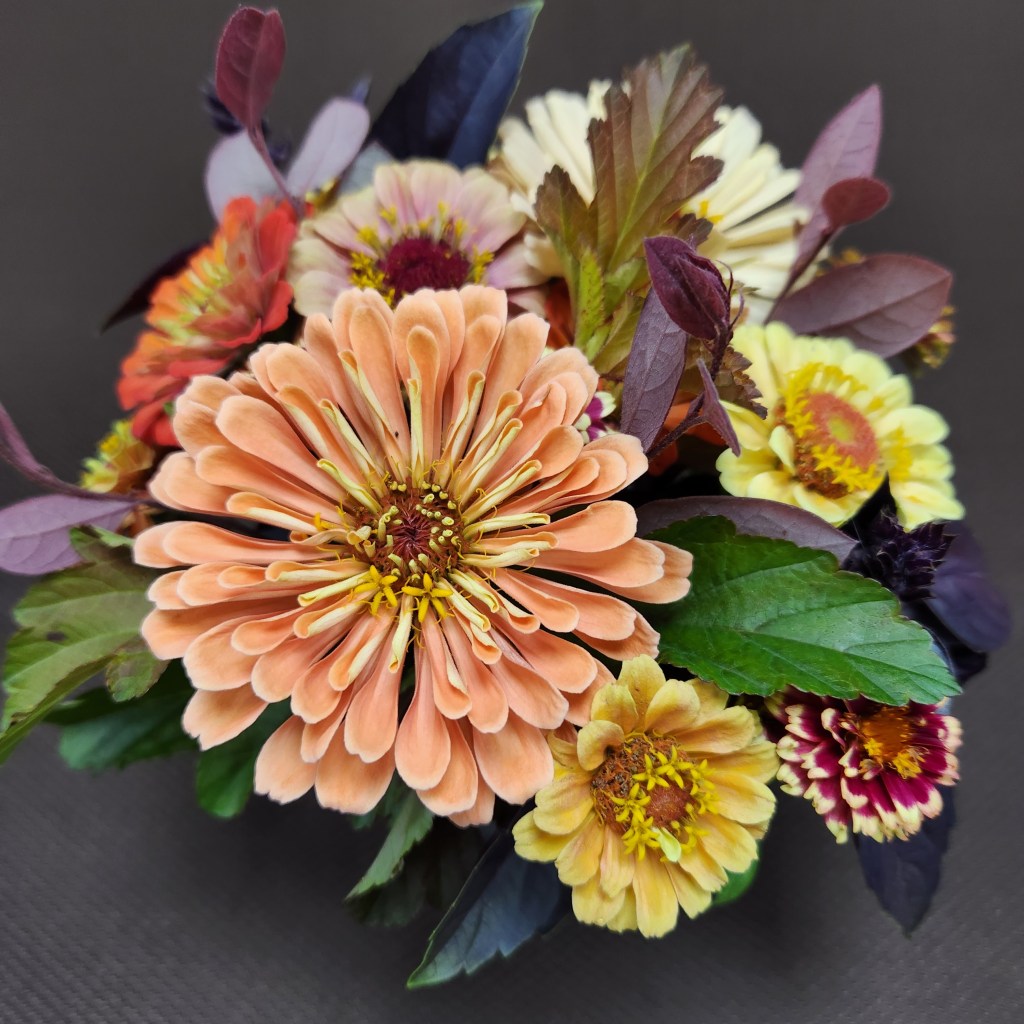
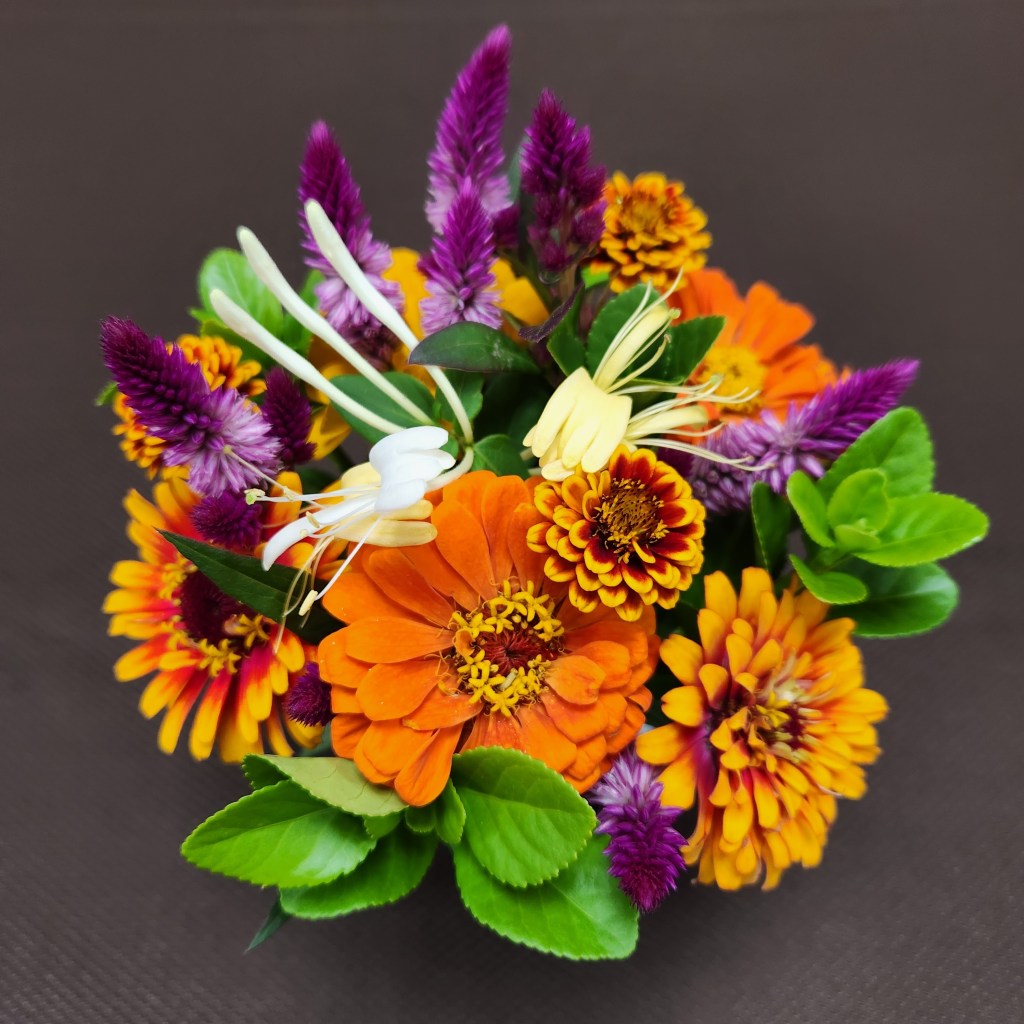
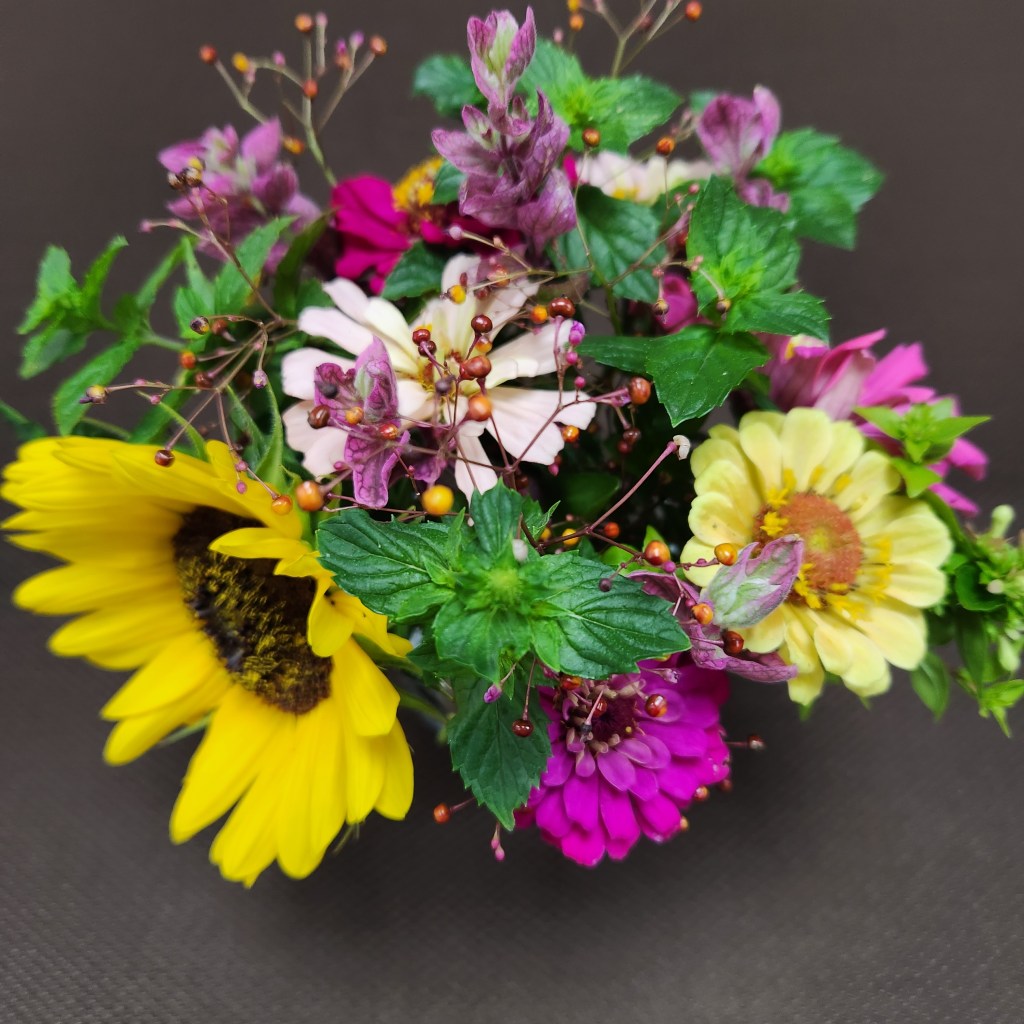
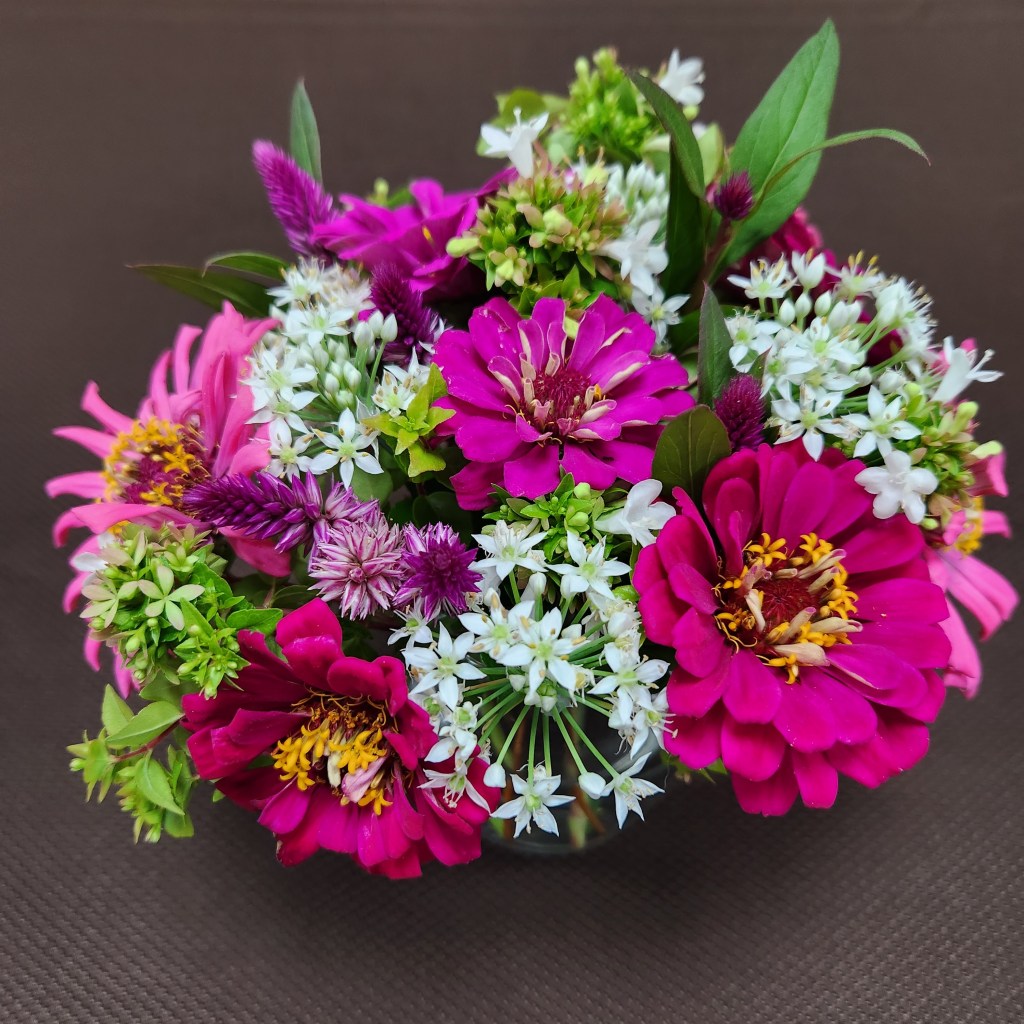
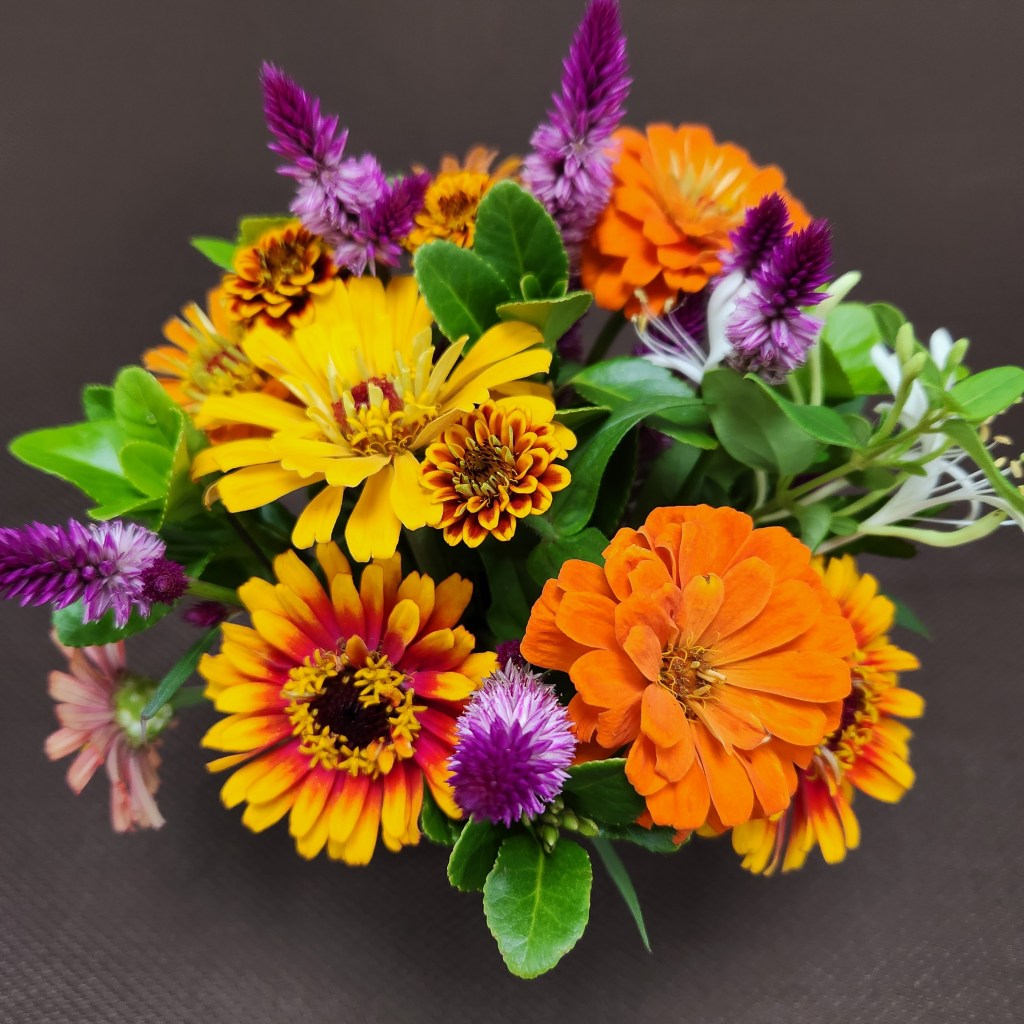
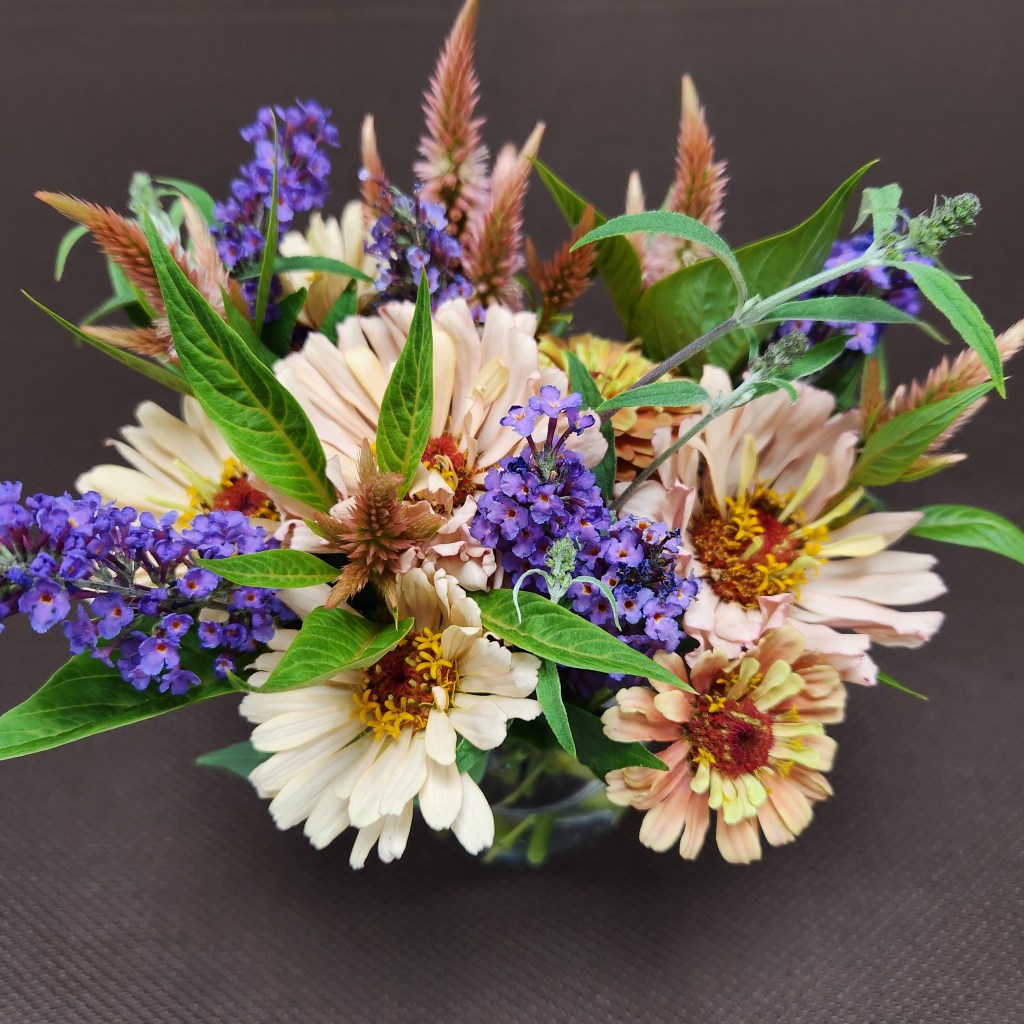
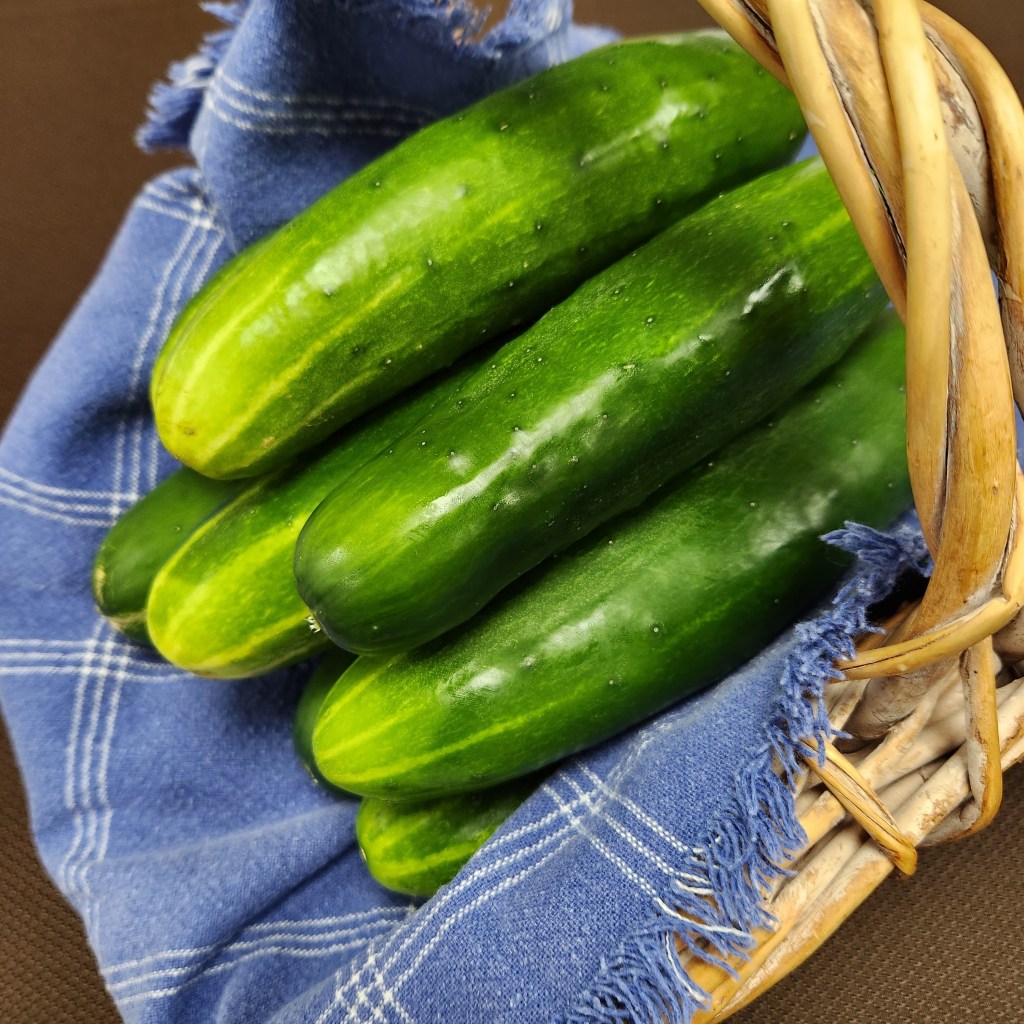
A free cucumber with every bouquet! 😉
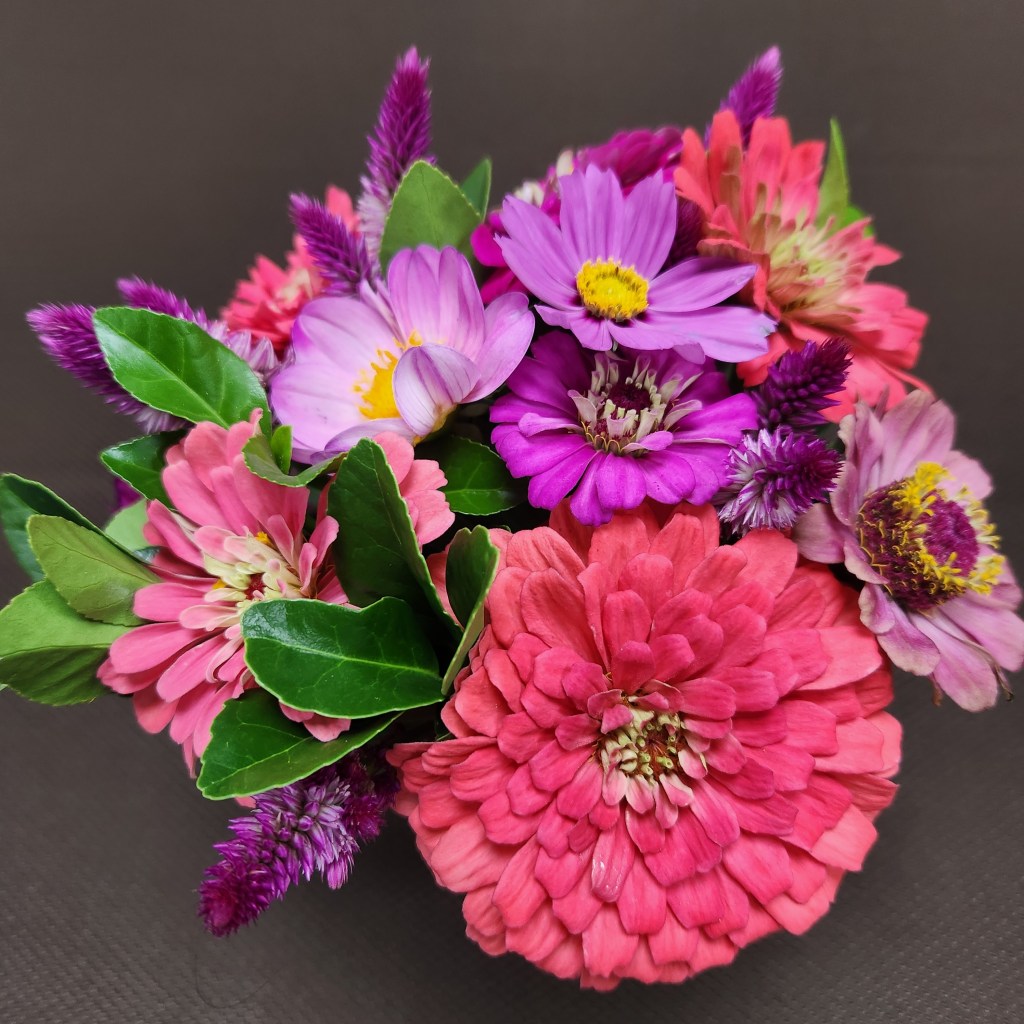


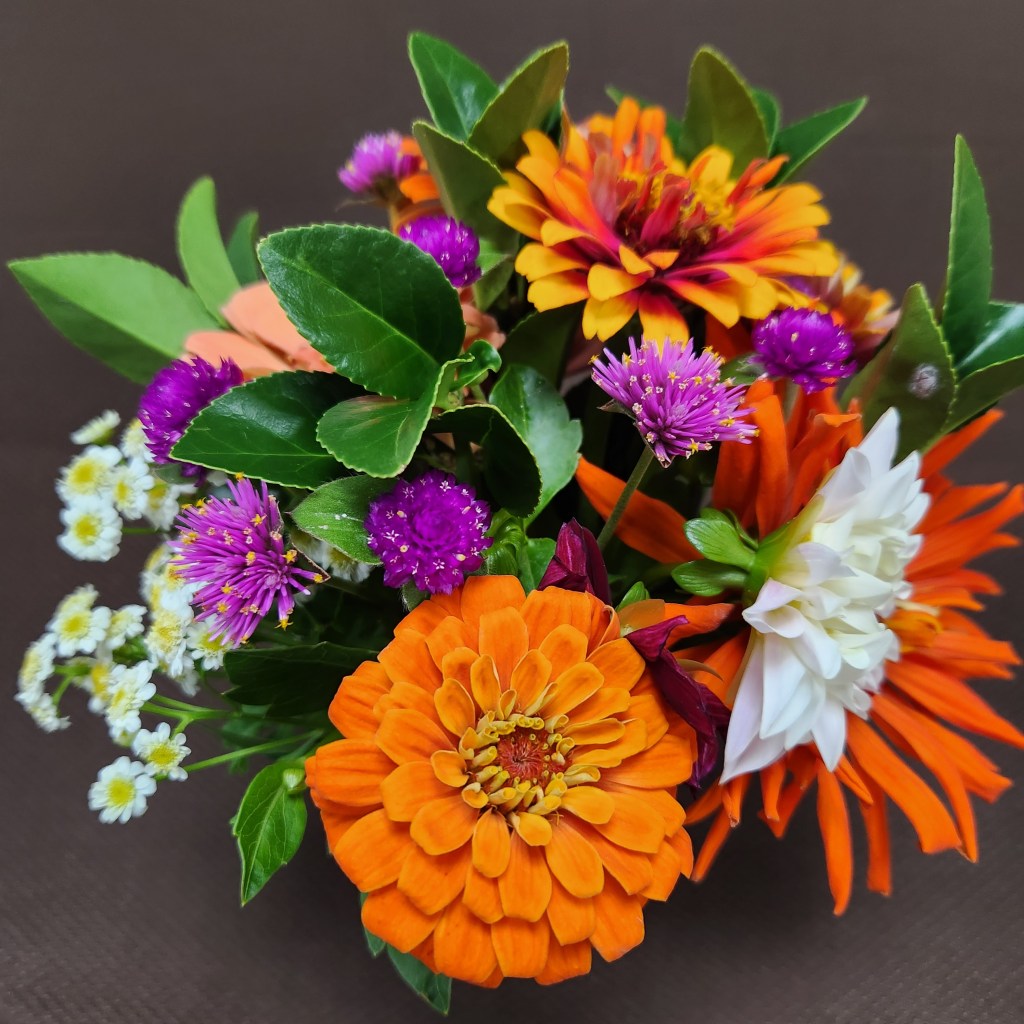

If only we could have some of that sweet corn… *sigh*
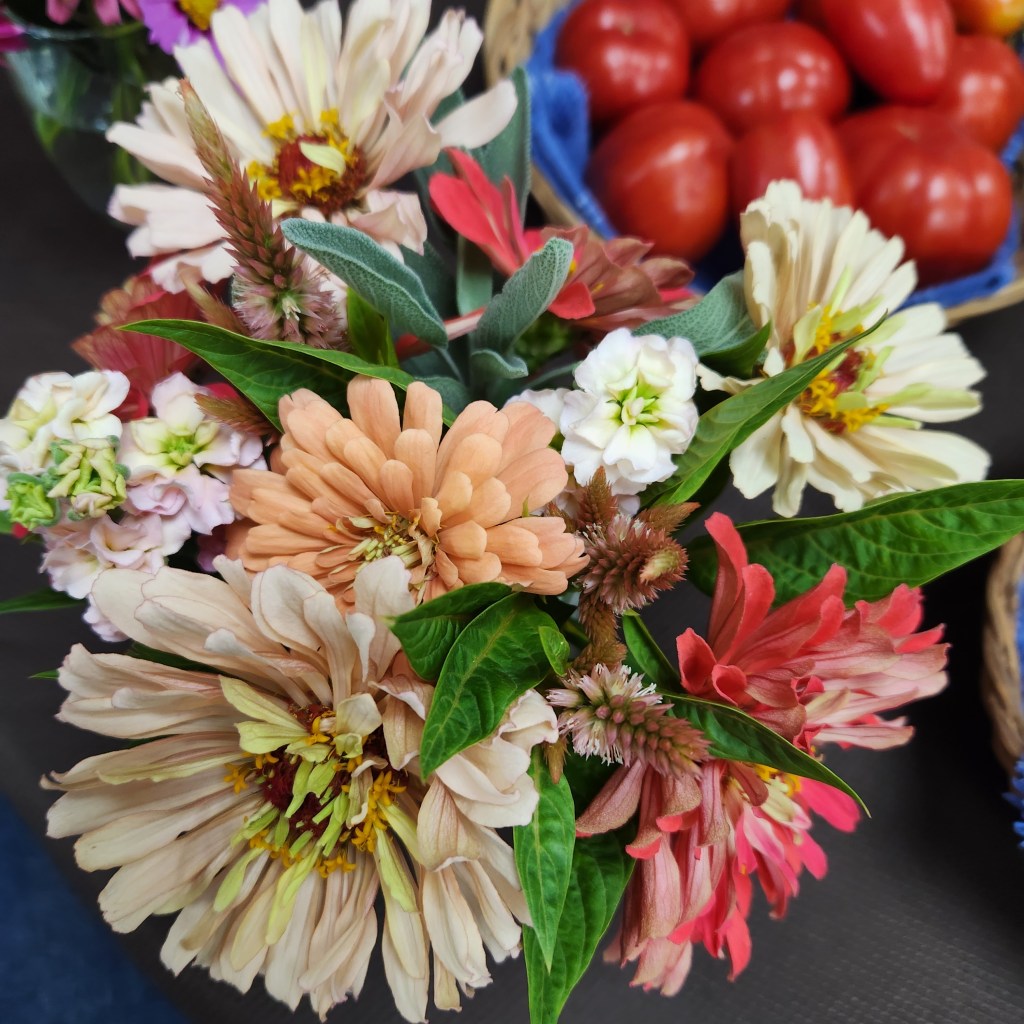
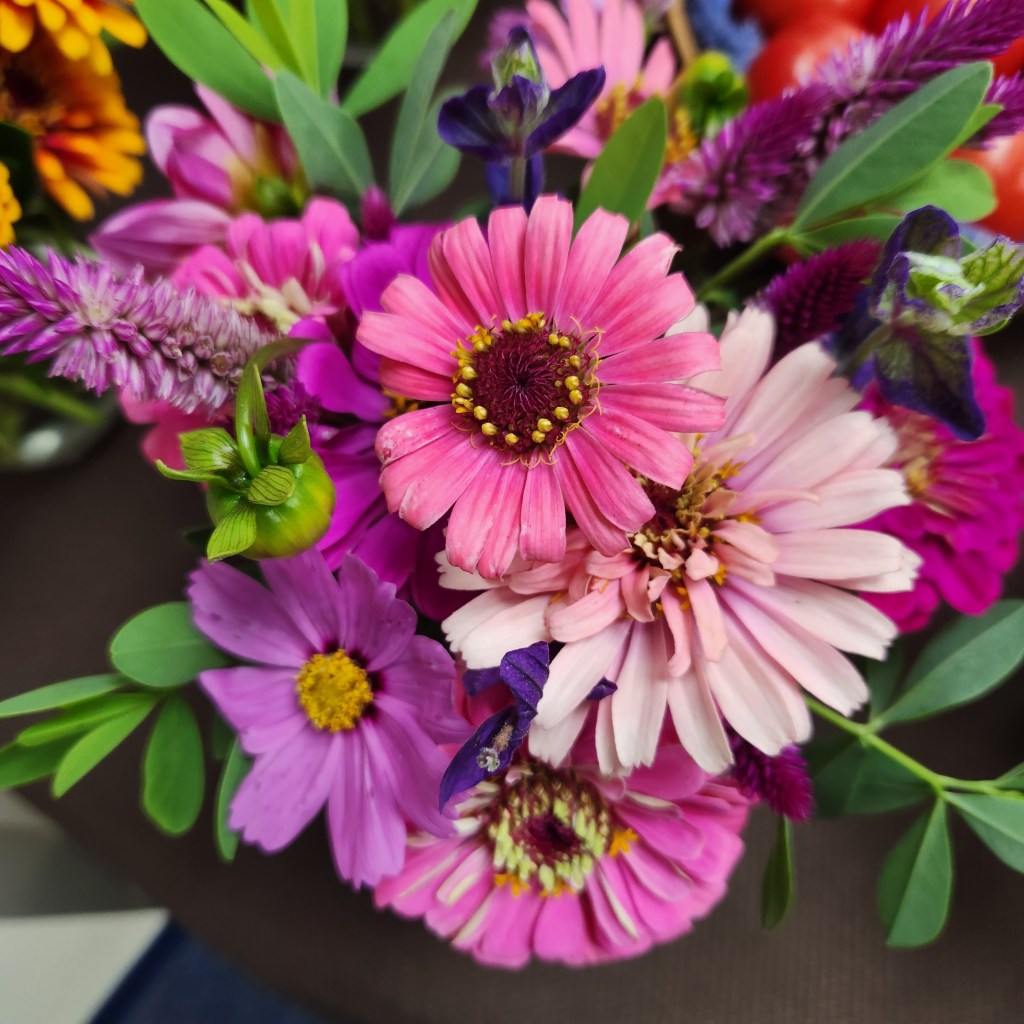
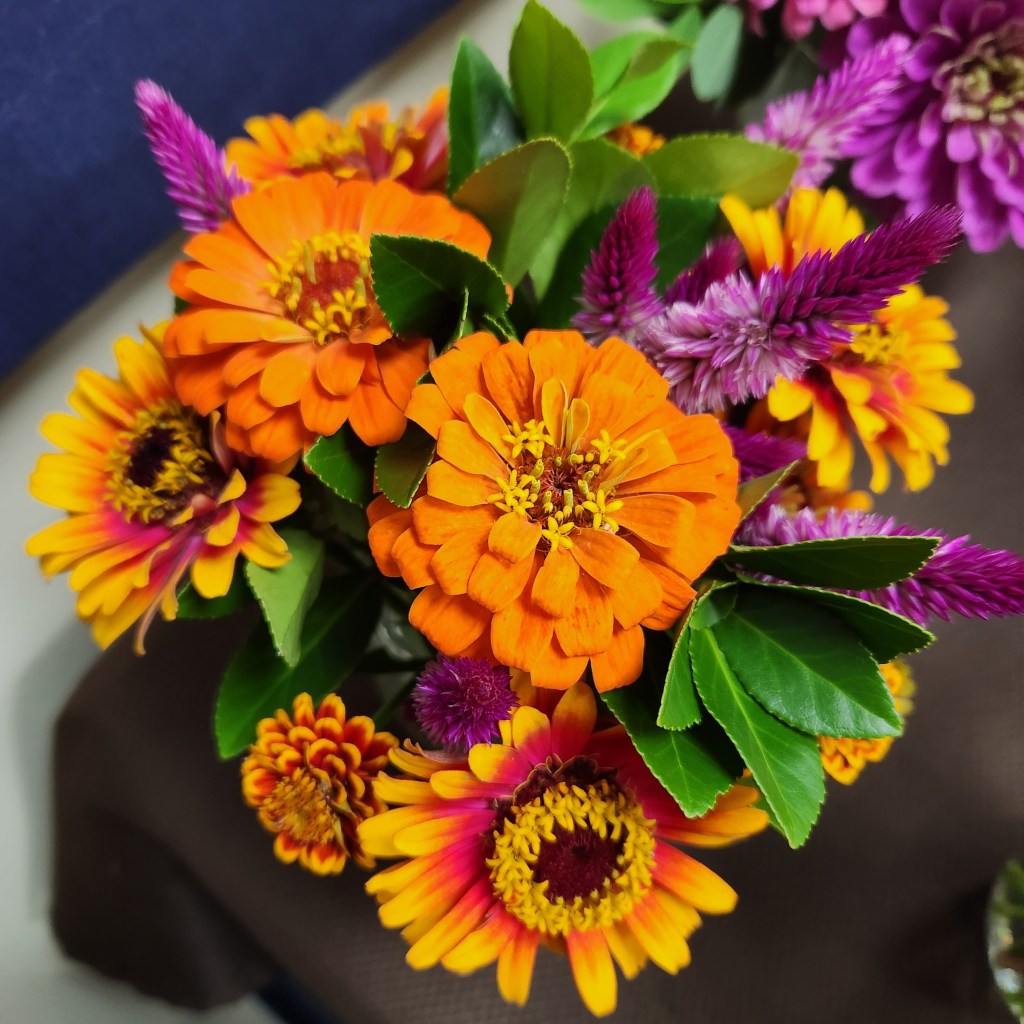
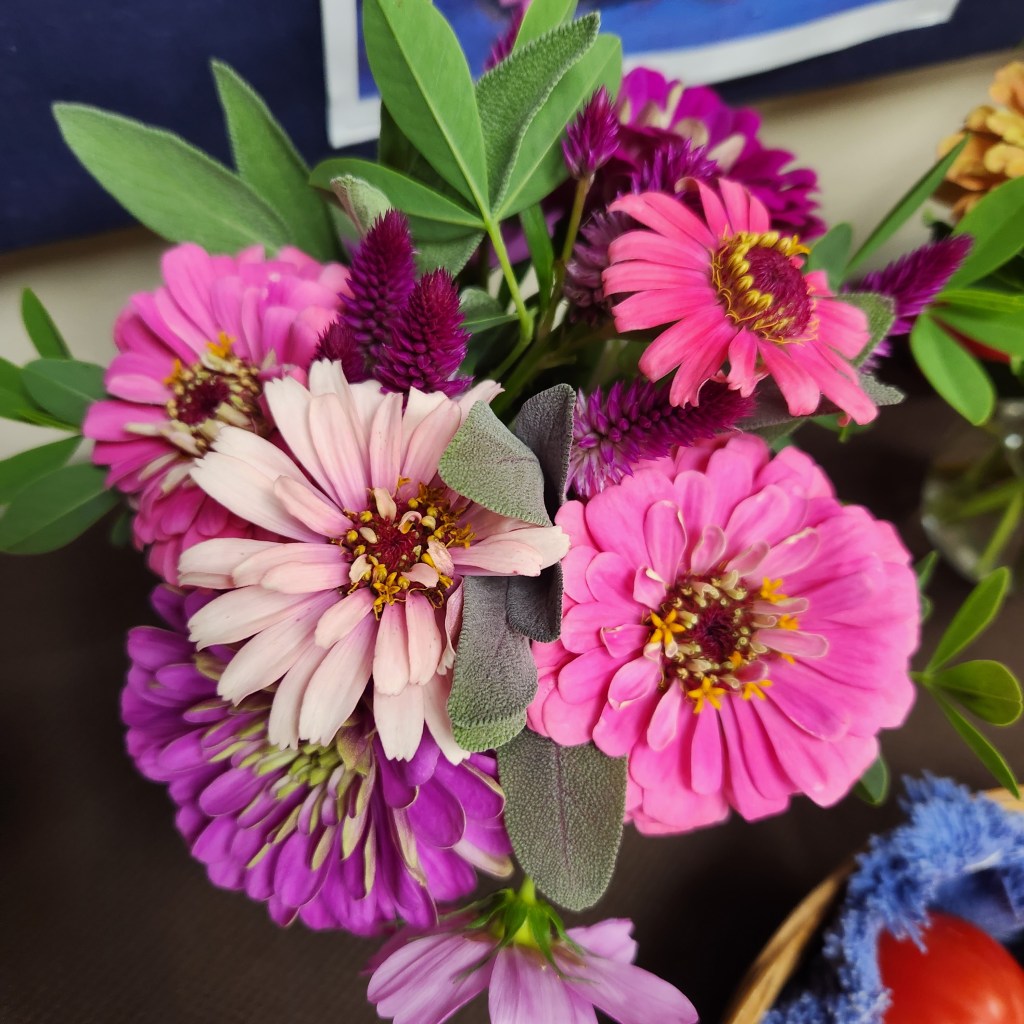
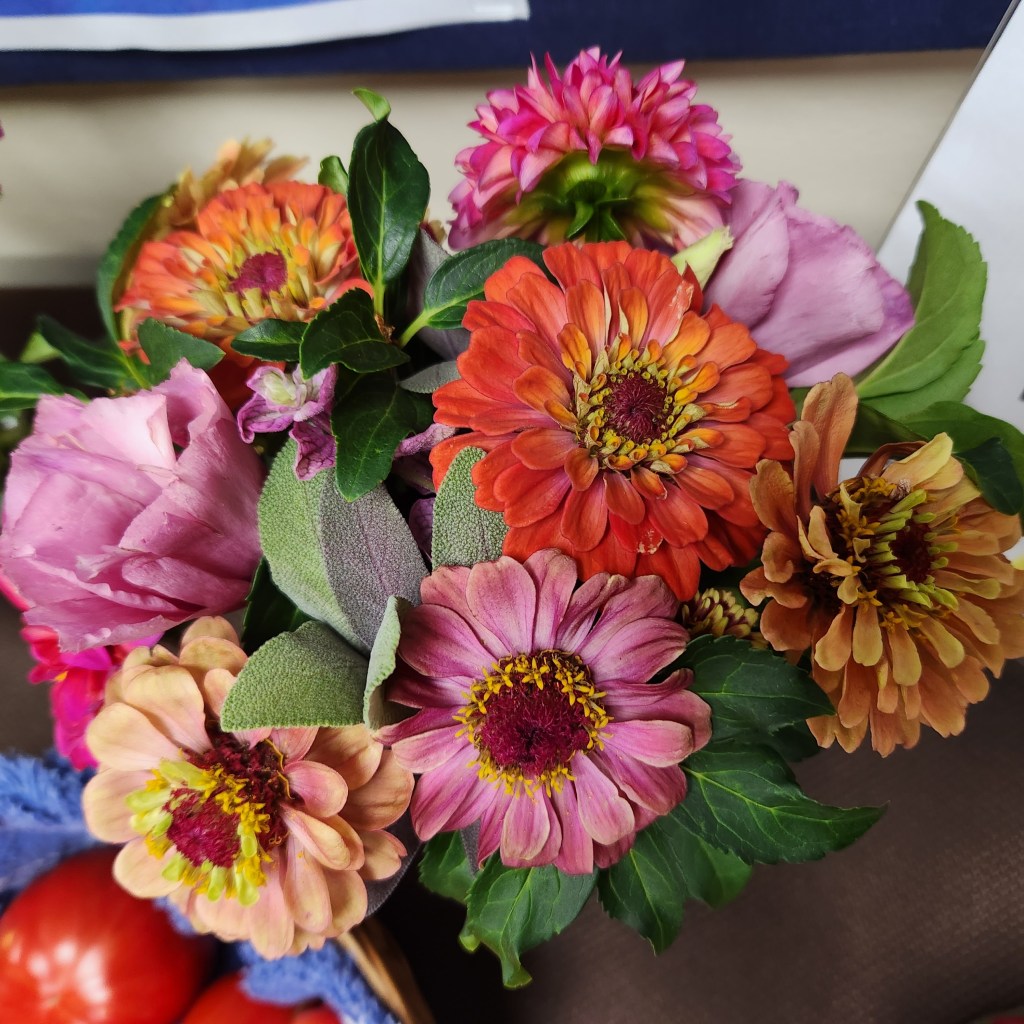
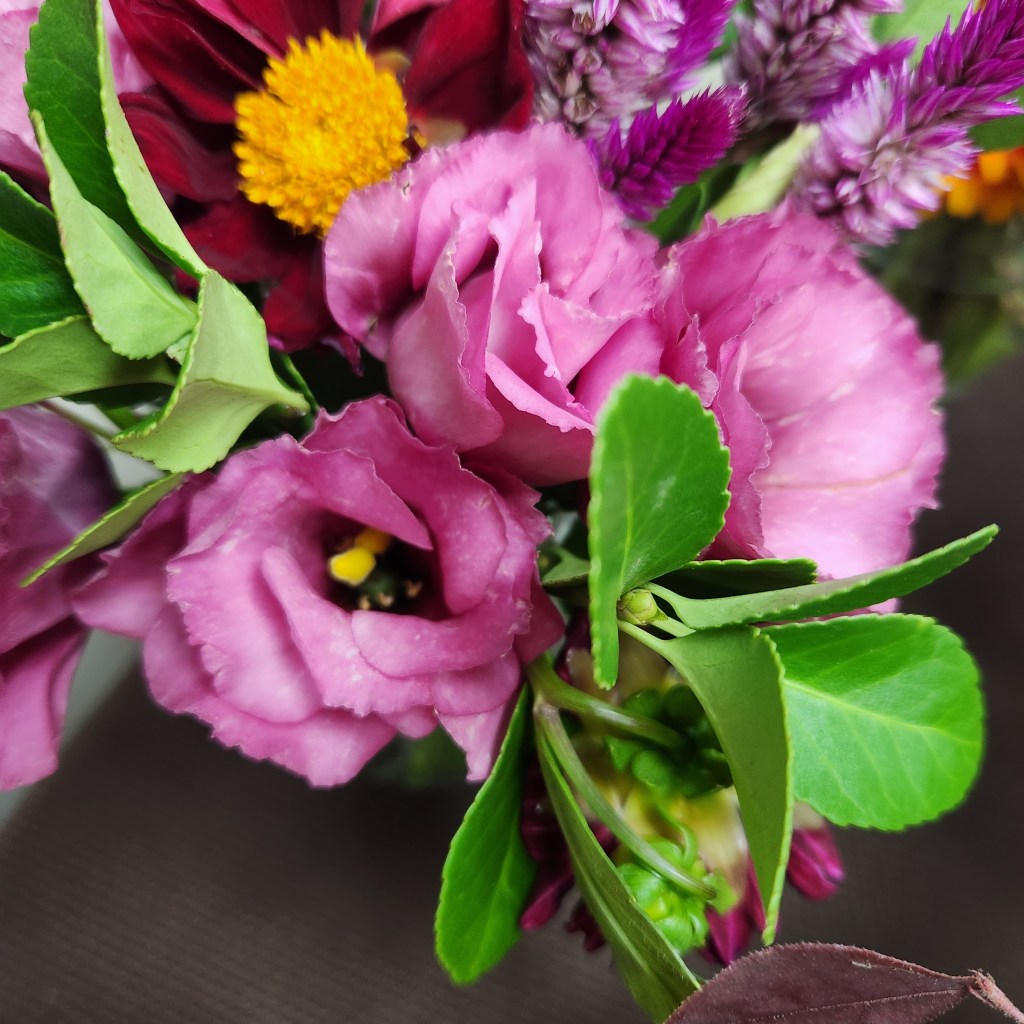
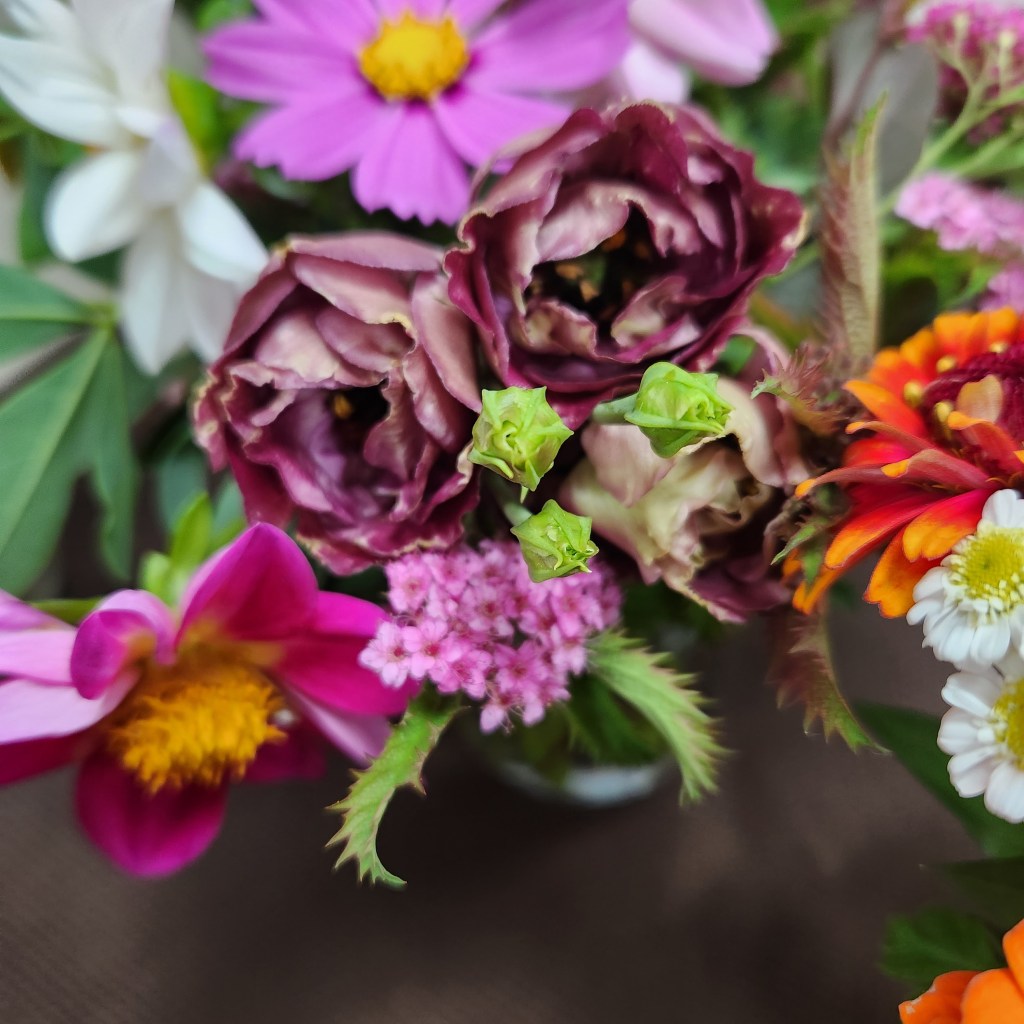
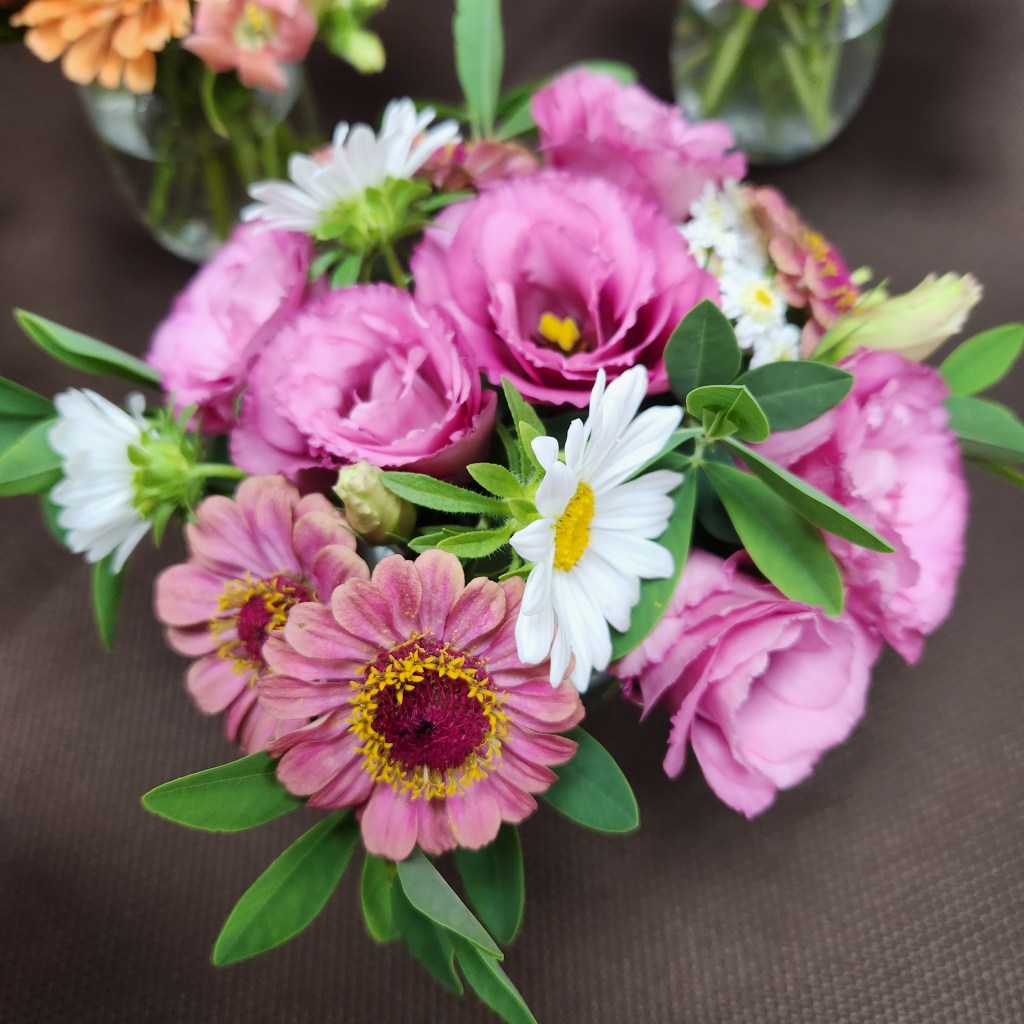
So happy to have some Lisianthus this year! I love the brown ones, even though everyone else seems to think they look dead. Brown is my favorite color. It’s the color of dirt, after all!
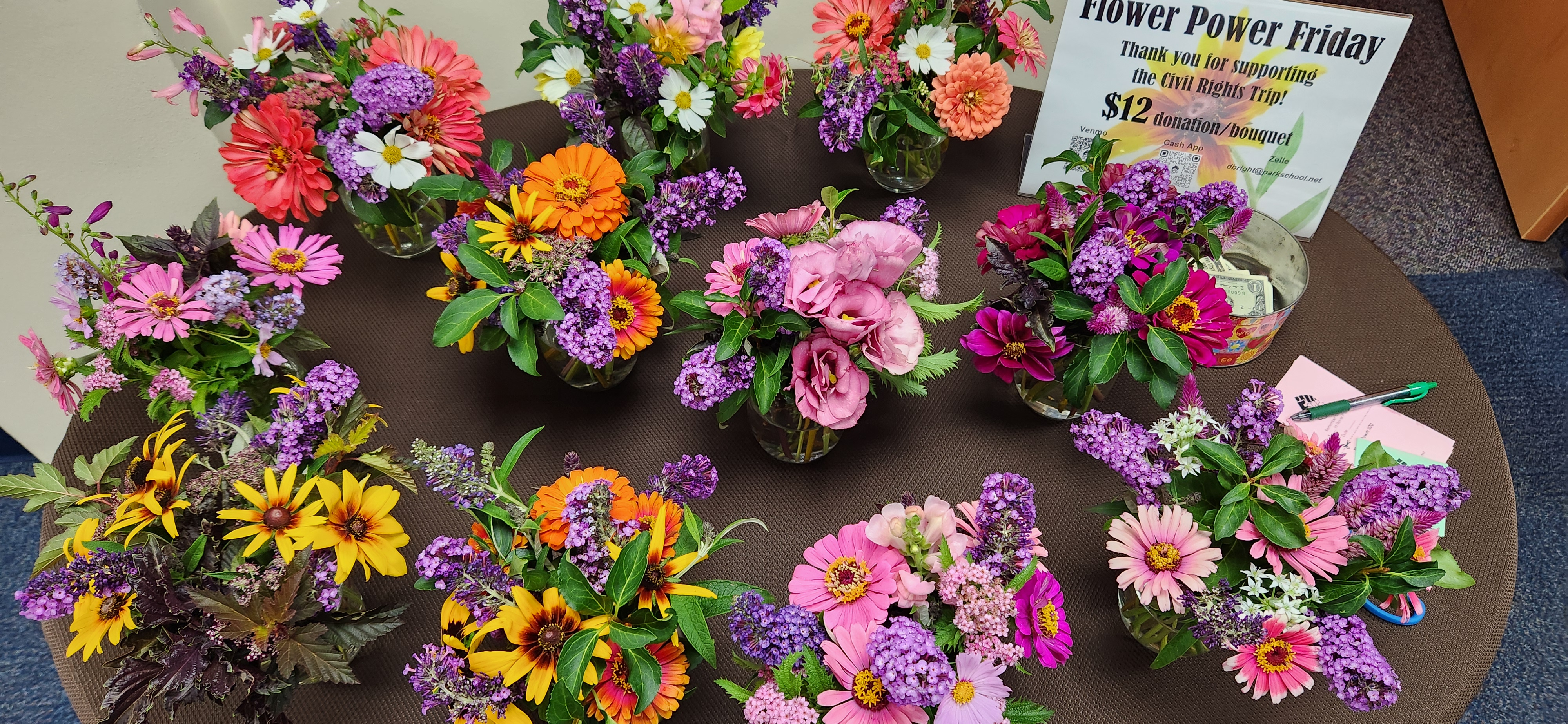
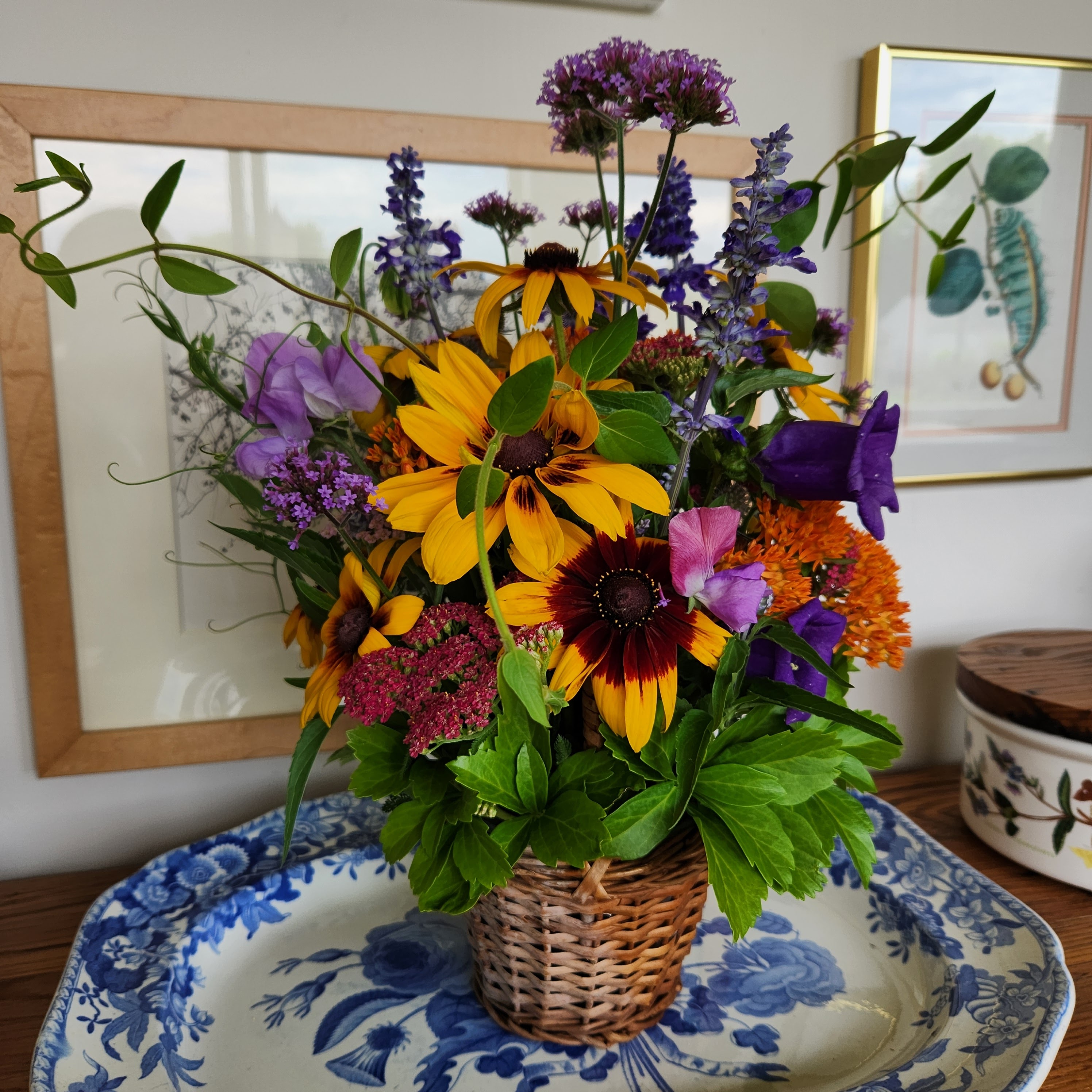

A jubilant bouquet for a jubilant human.

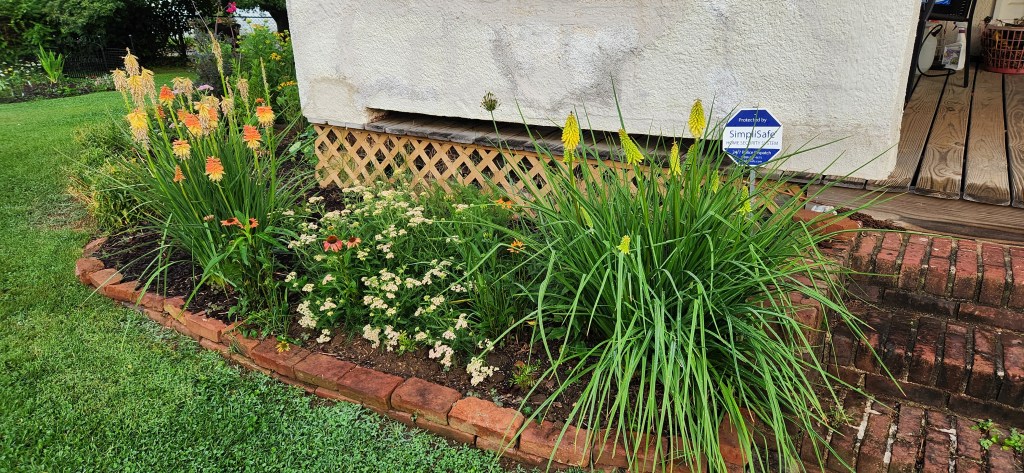
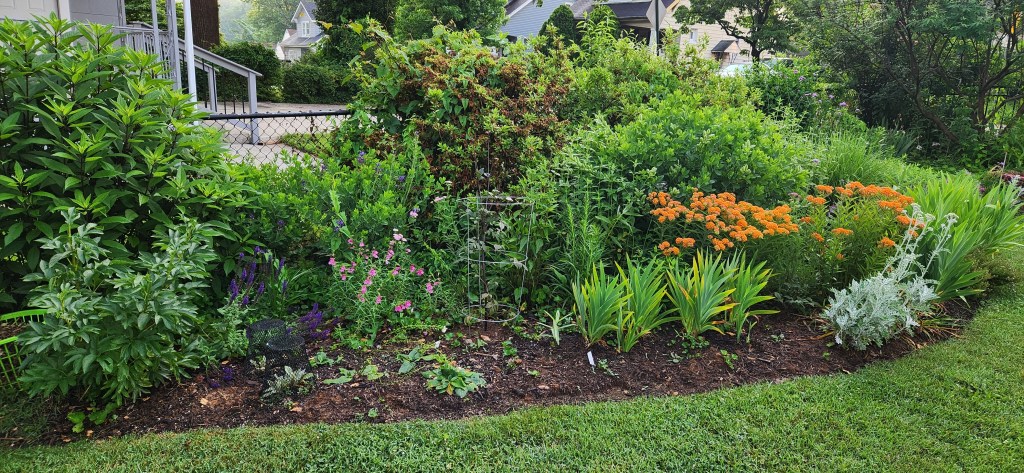
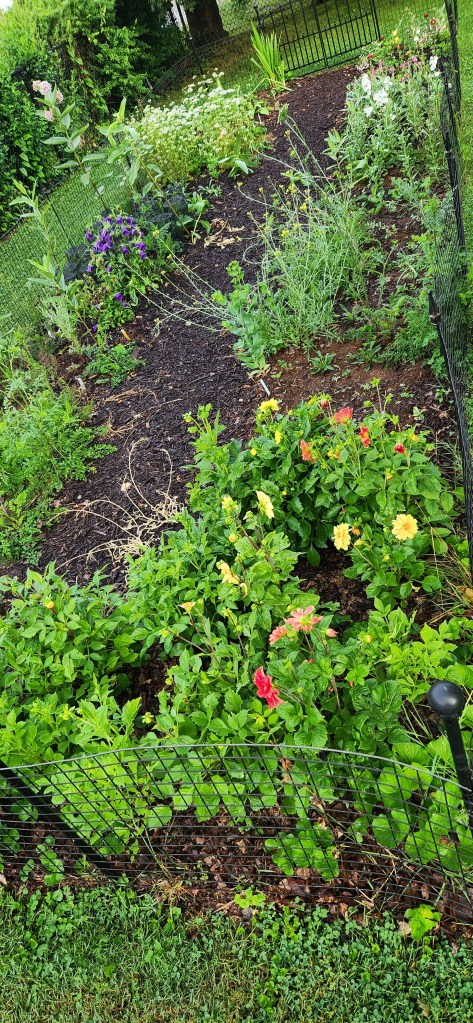
Today would be my father’s 99th birthday.

I love Canterbury Bells!
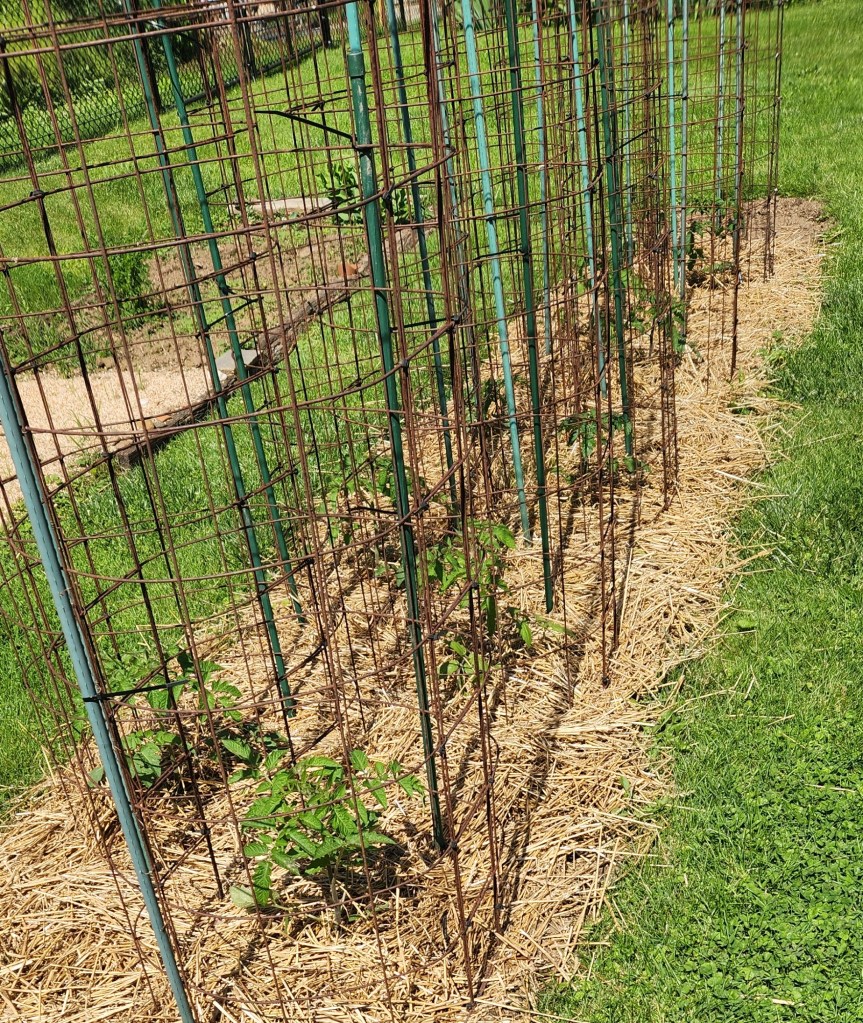
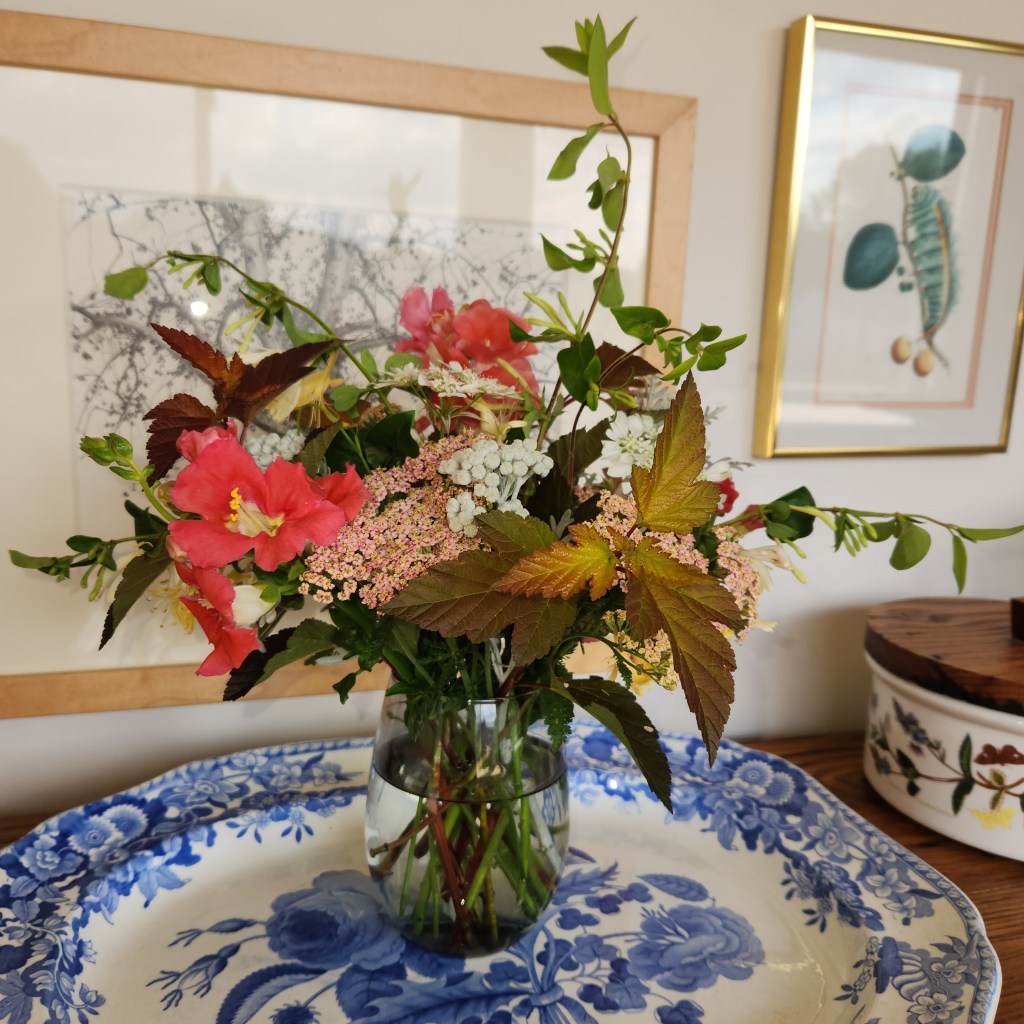
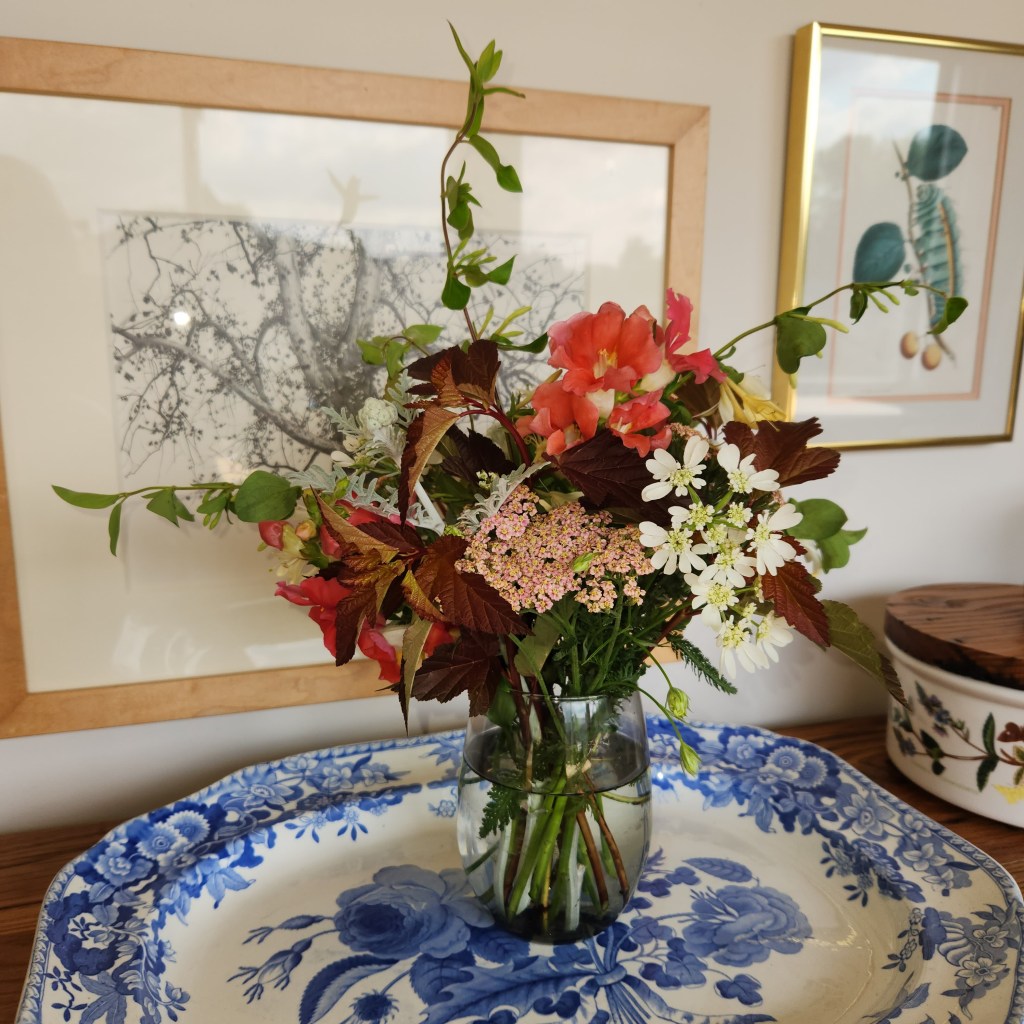
Snapdragons (Chantilly), Yarrow Colorado Blend, Orlaya grandiflora, Sage officinalis, Honeysuckle, and Ninebark (Physocarpus opulifloius)
I love love love all of the colors in the ninebark leaves in the spring.
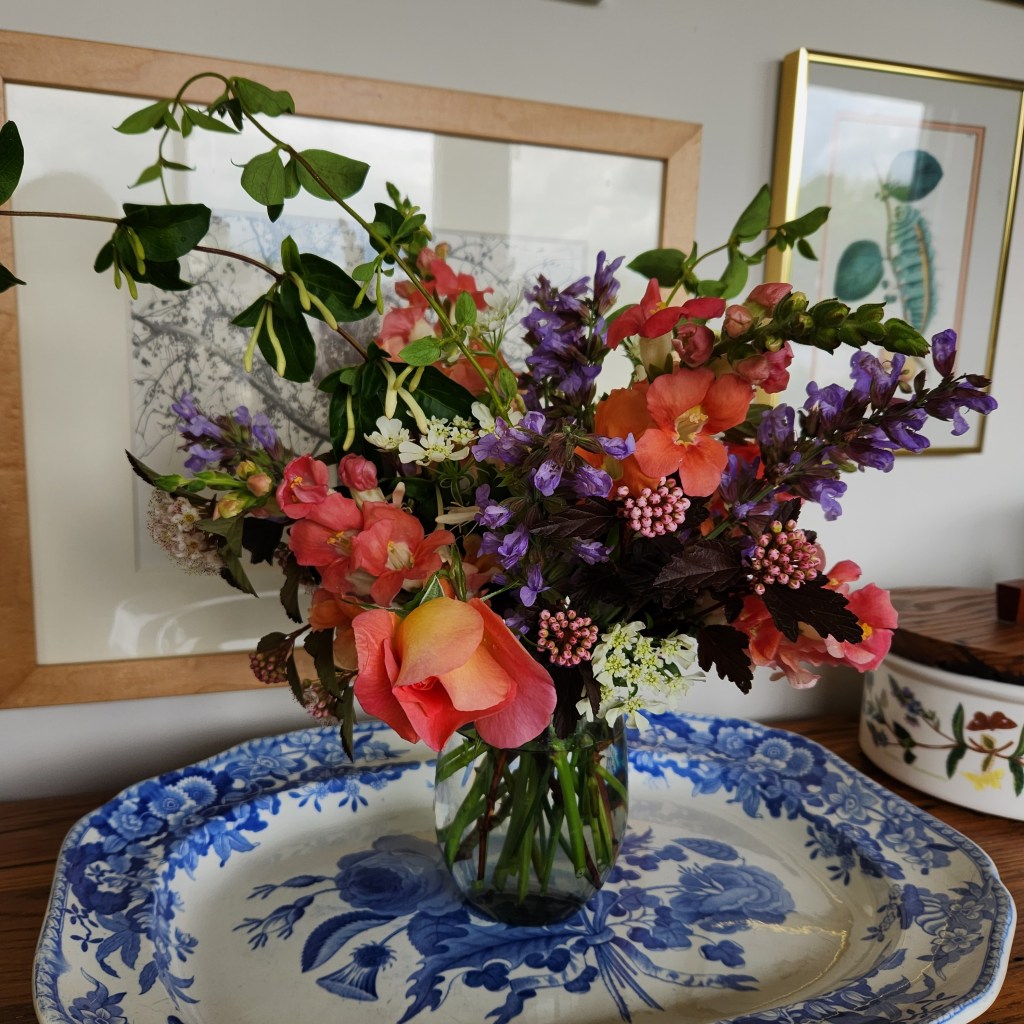
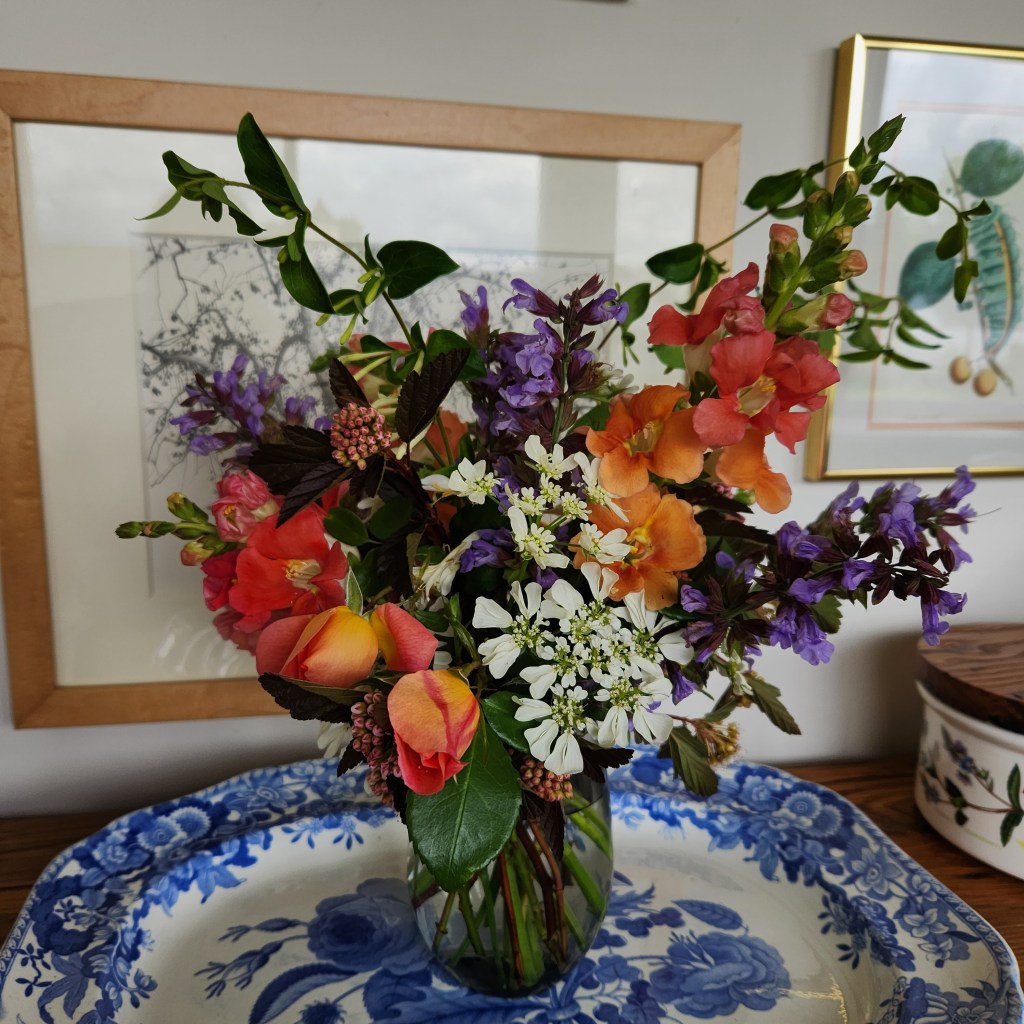
Roses, Snapdragons (Chantilly), Orlaya grandiflora, Sage officinalis, Honeysuckle (Lonicera japonica; I’ll use it until I can get rid of it), and Ninebark (Physocarpus opulifloius)
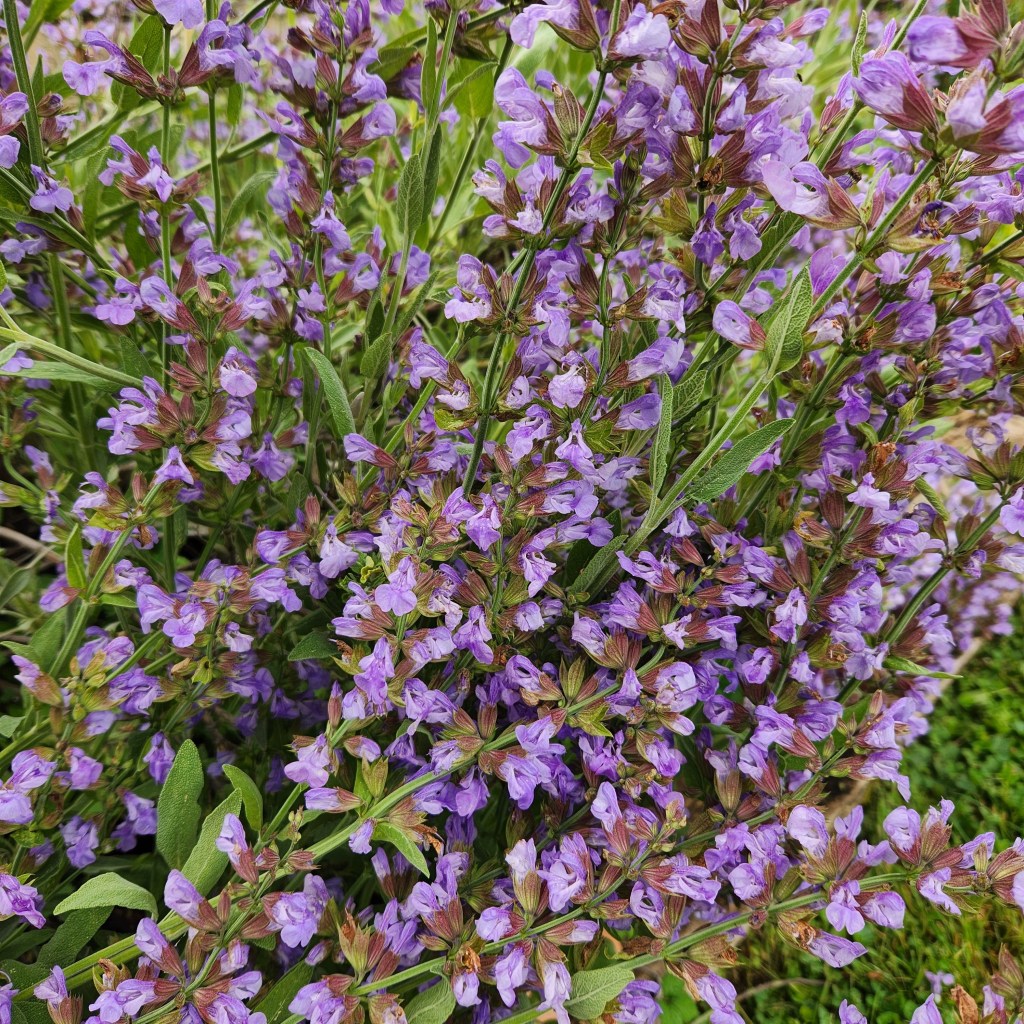
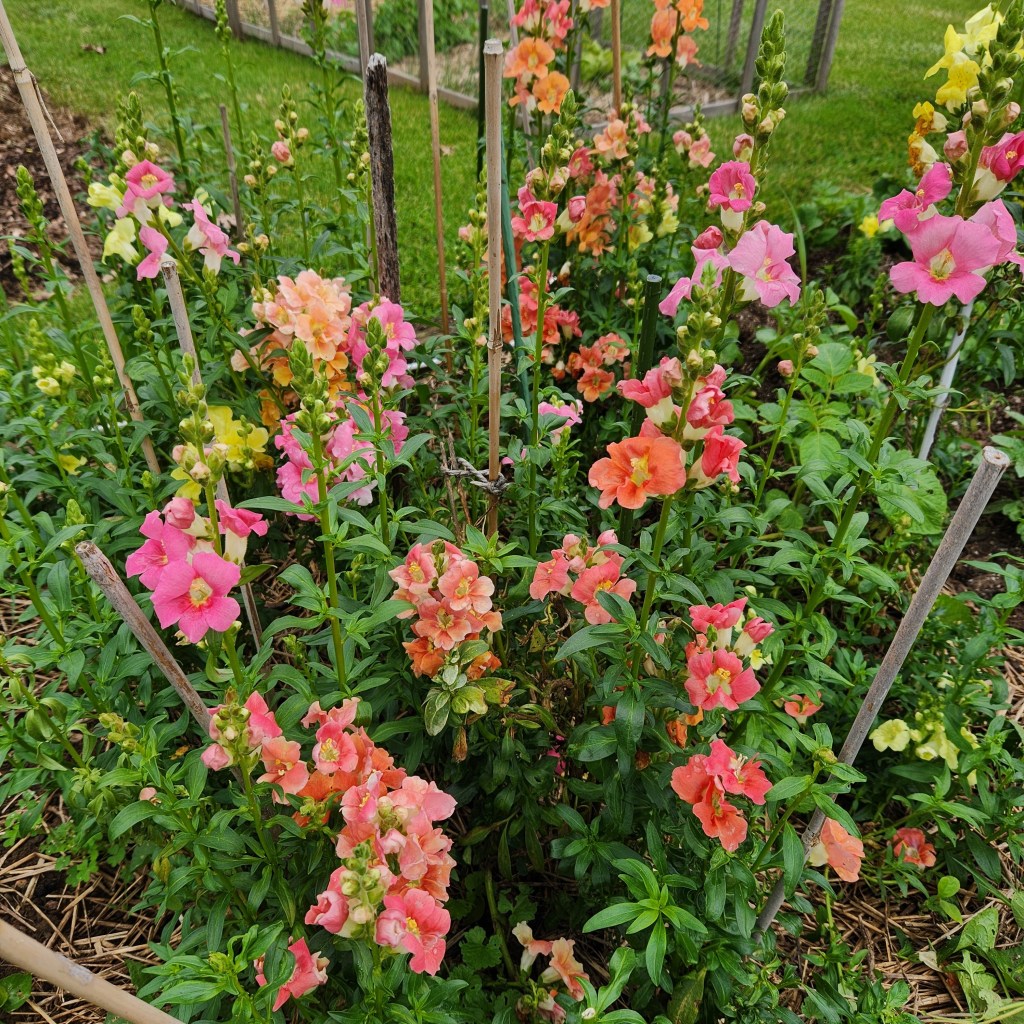
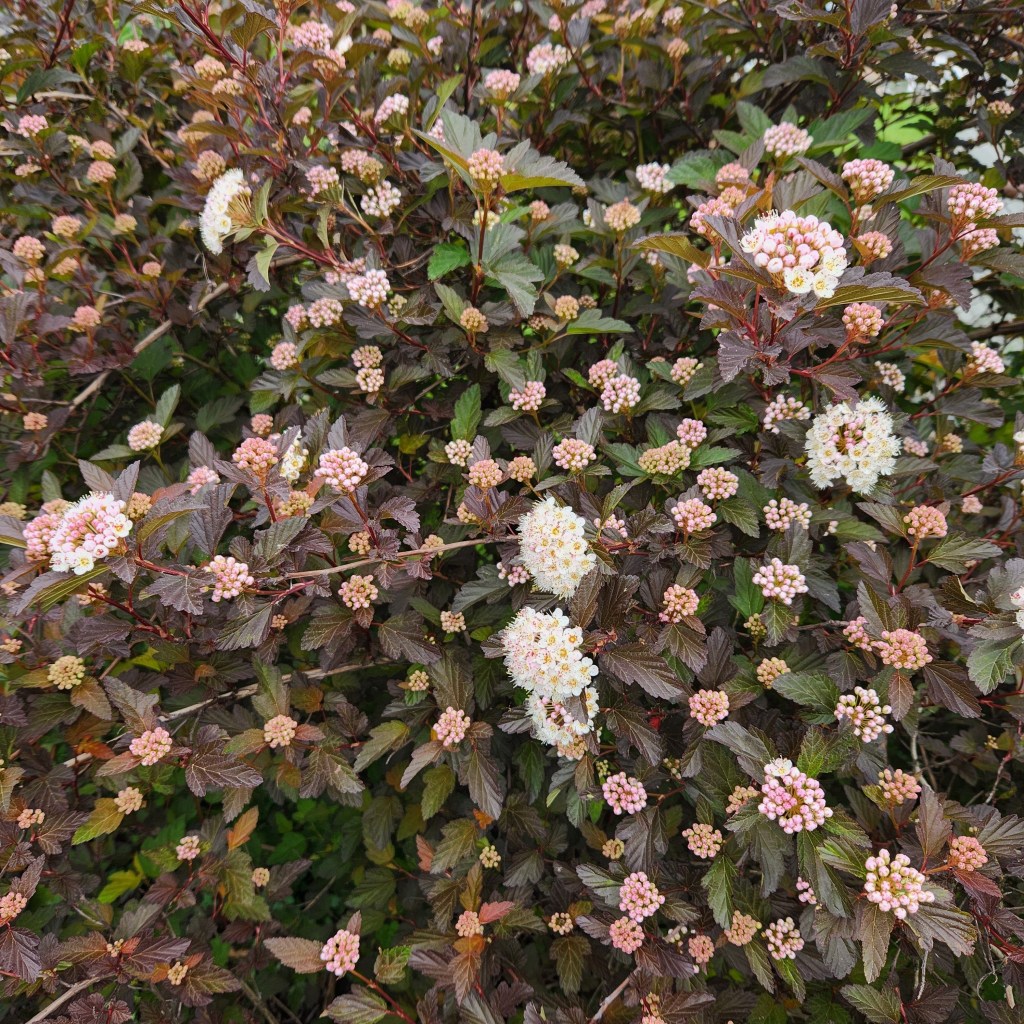
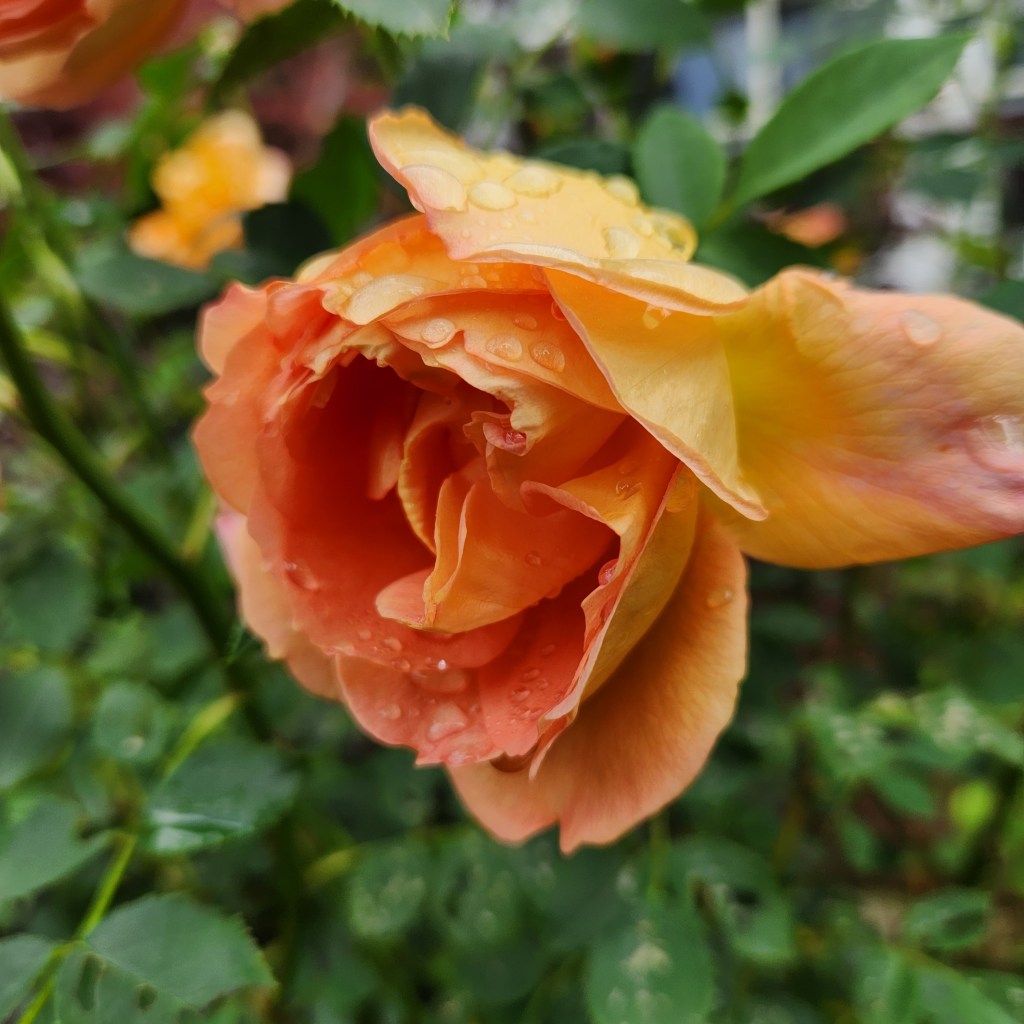
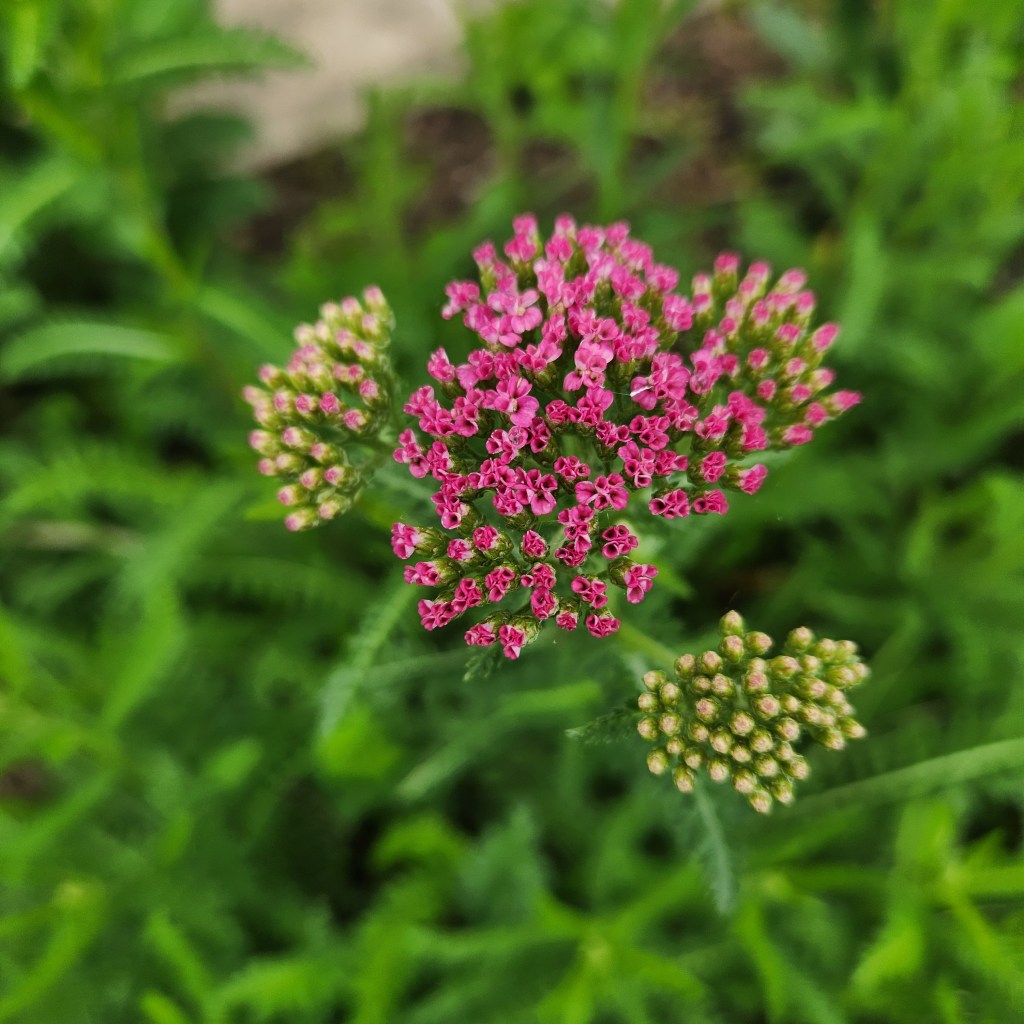
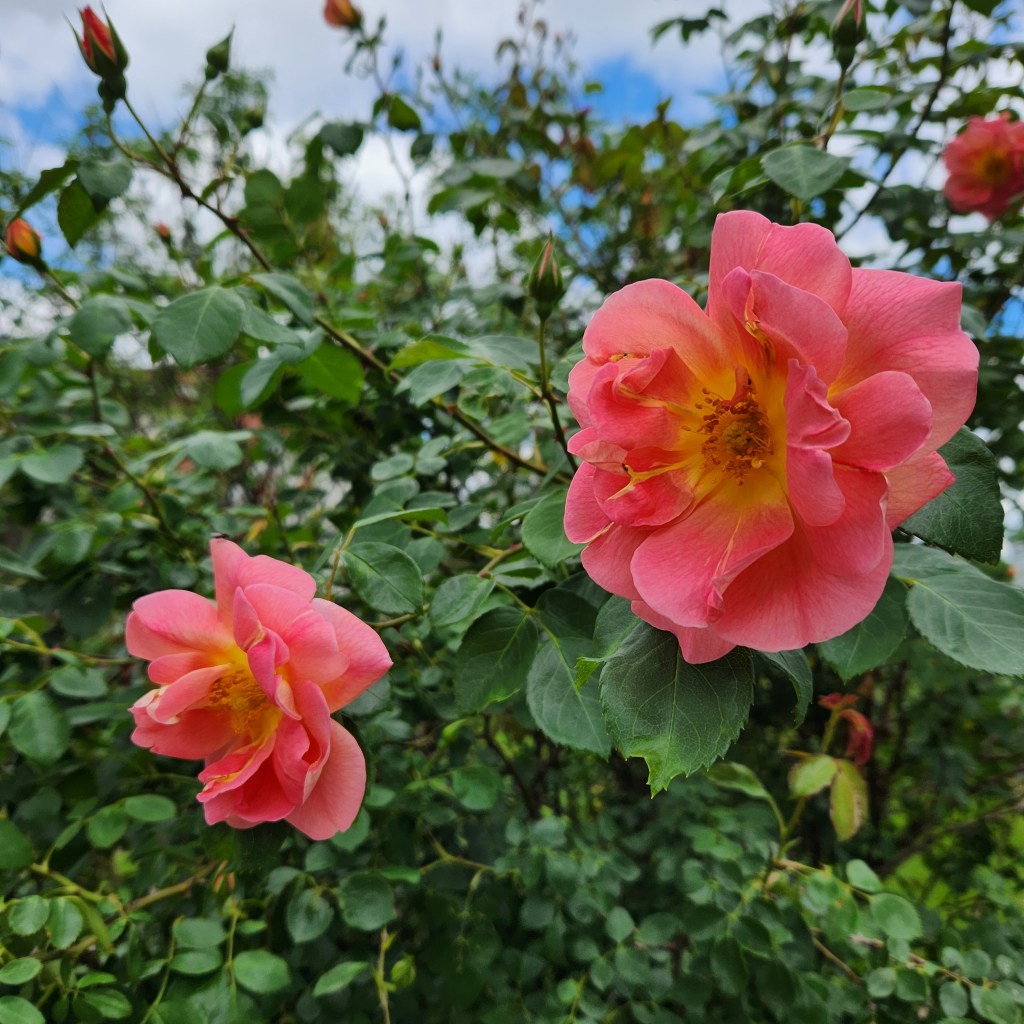

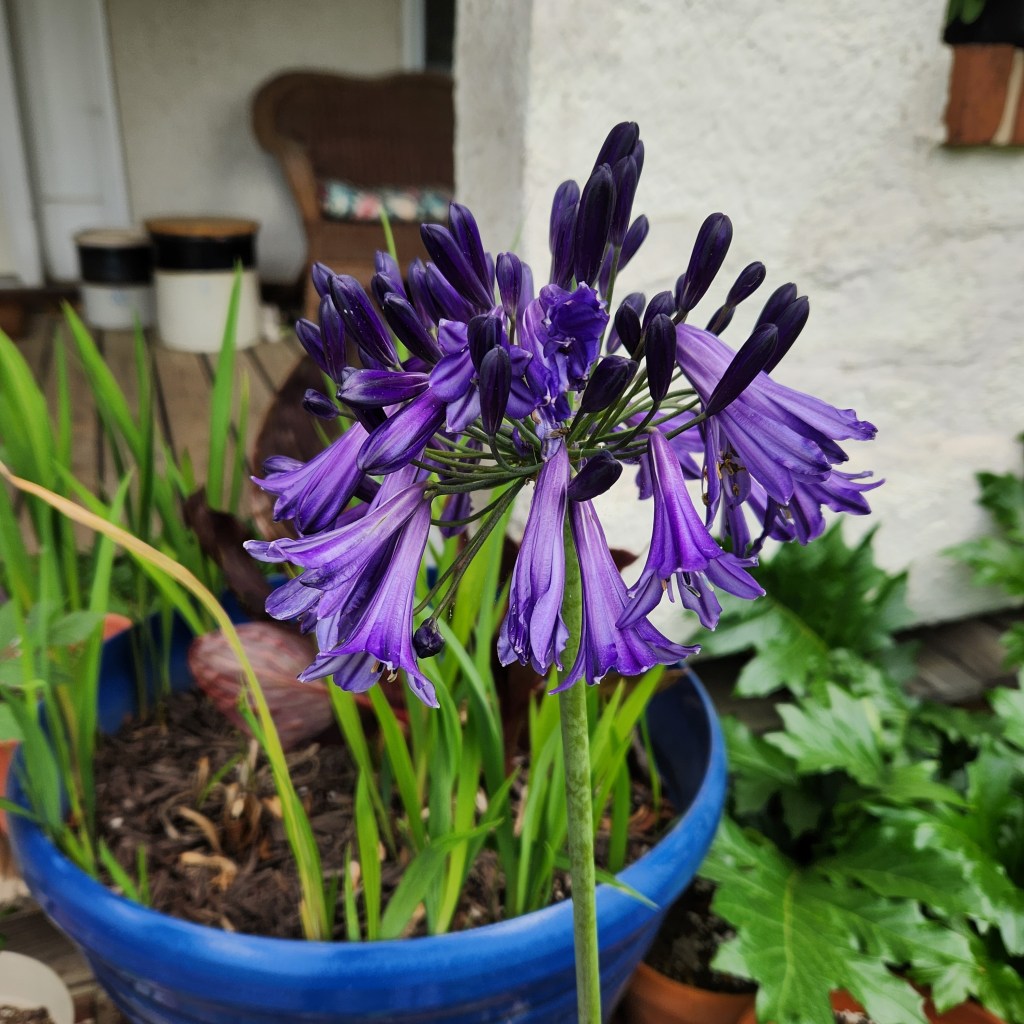
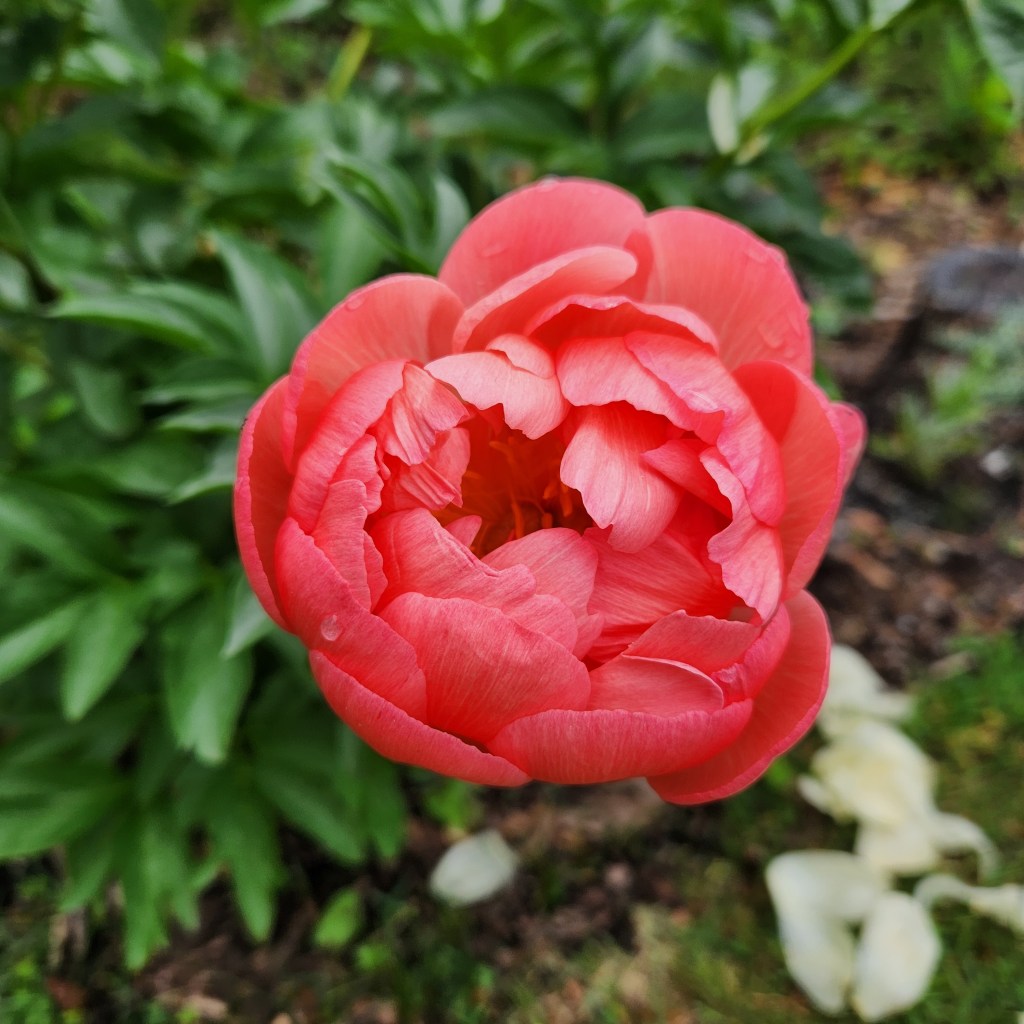
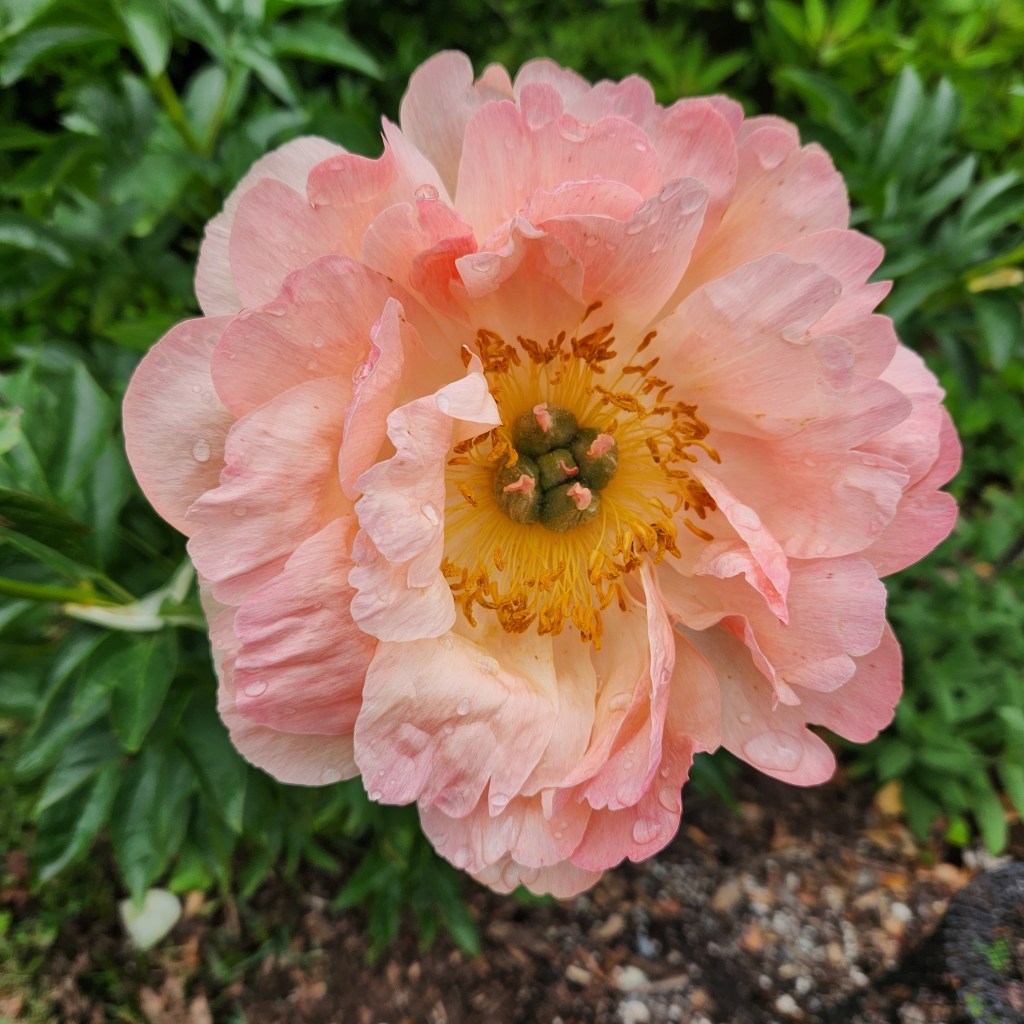
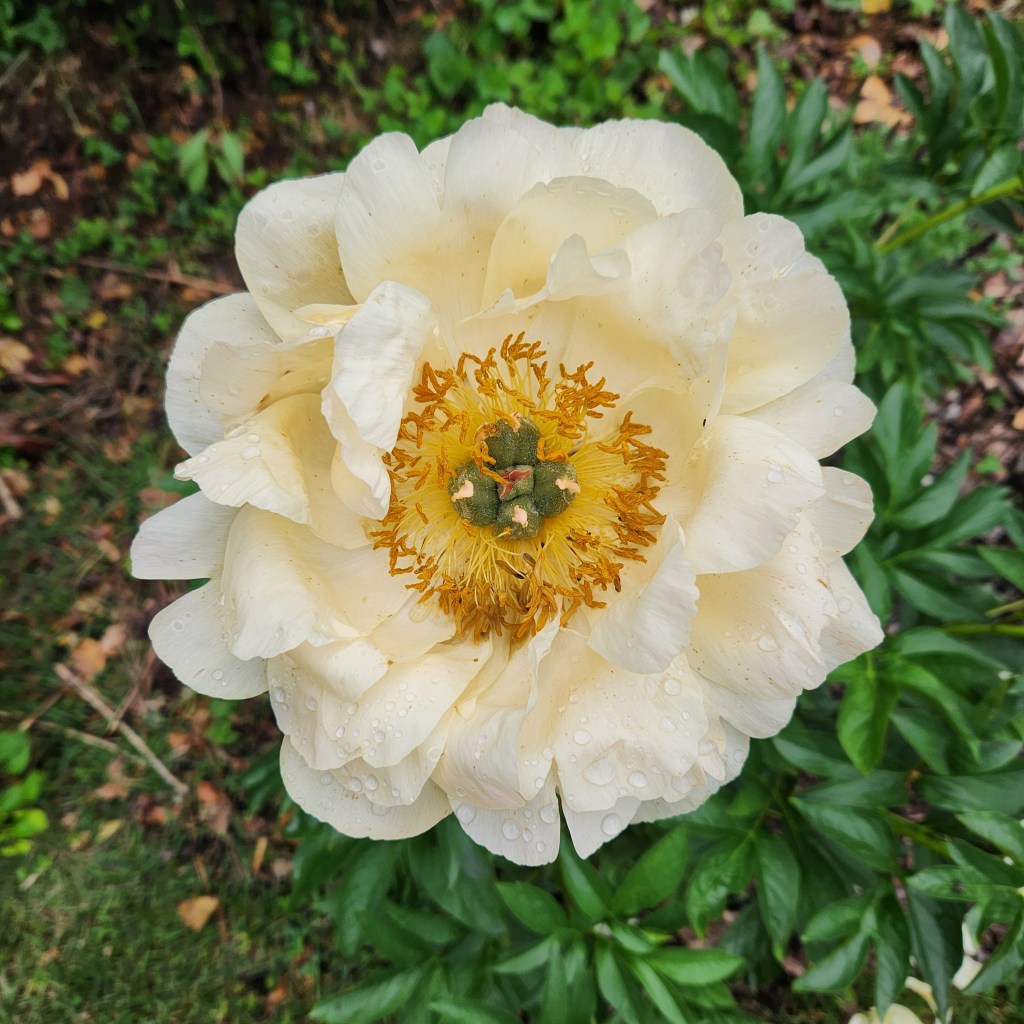

These pictures were all taken on the same day from the same plant.
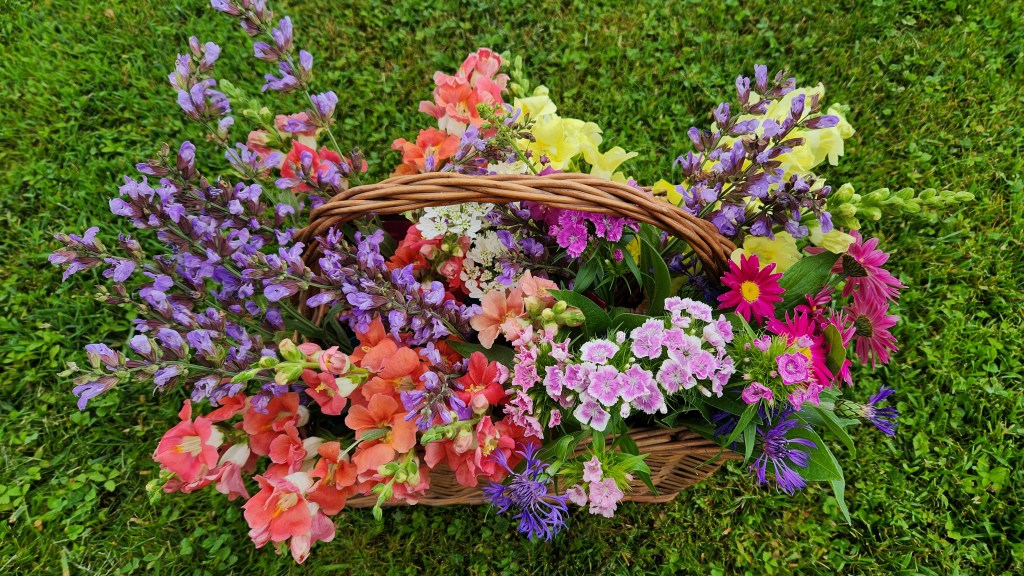
A lot of snapdragons overwintered this year. (It was a mild one.) What a delight to find so much color at this time of year.

I have a friend going into the hospital… and I was able to give her flowers, even after a 20° overnight low!
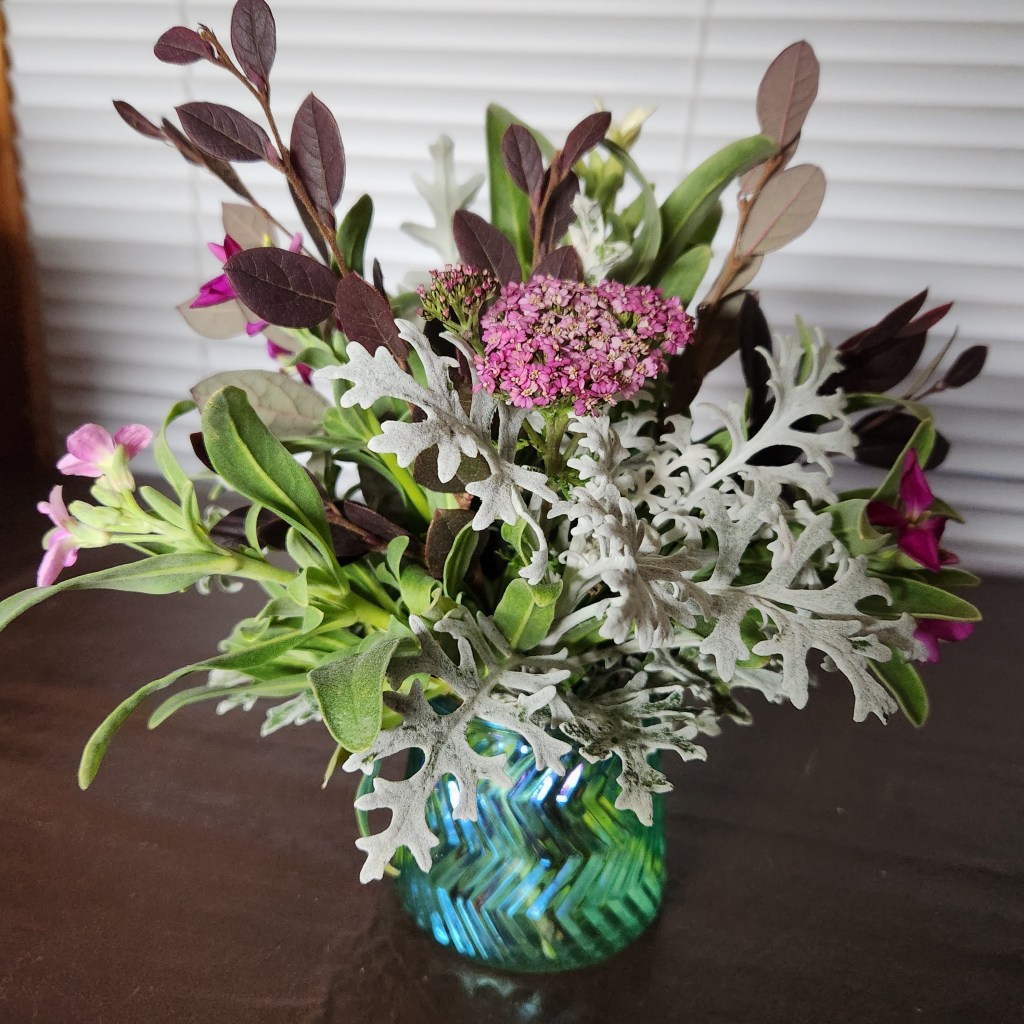
Stock, Yarrow, Dusty Miller, and Fringe Flower
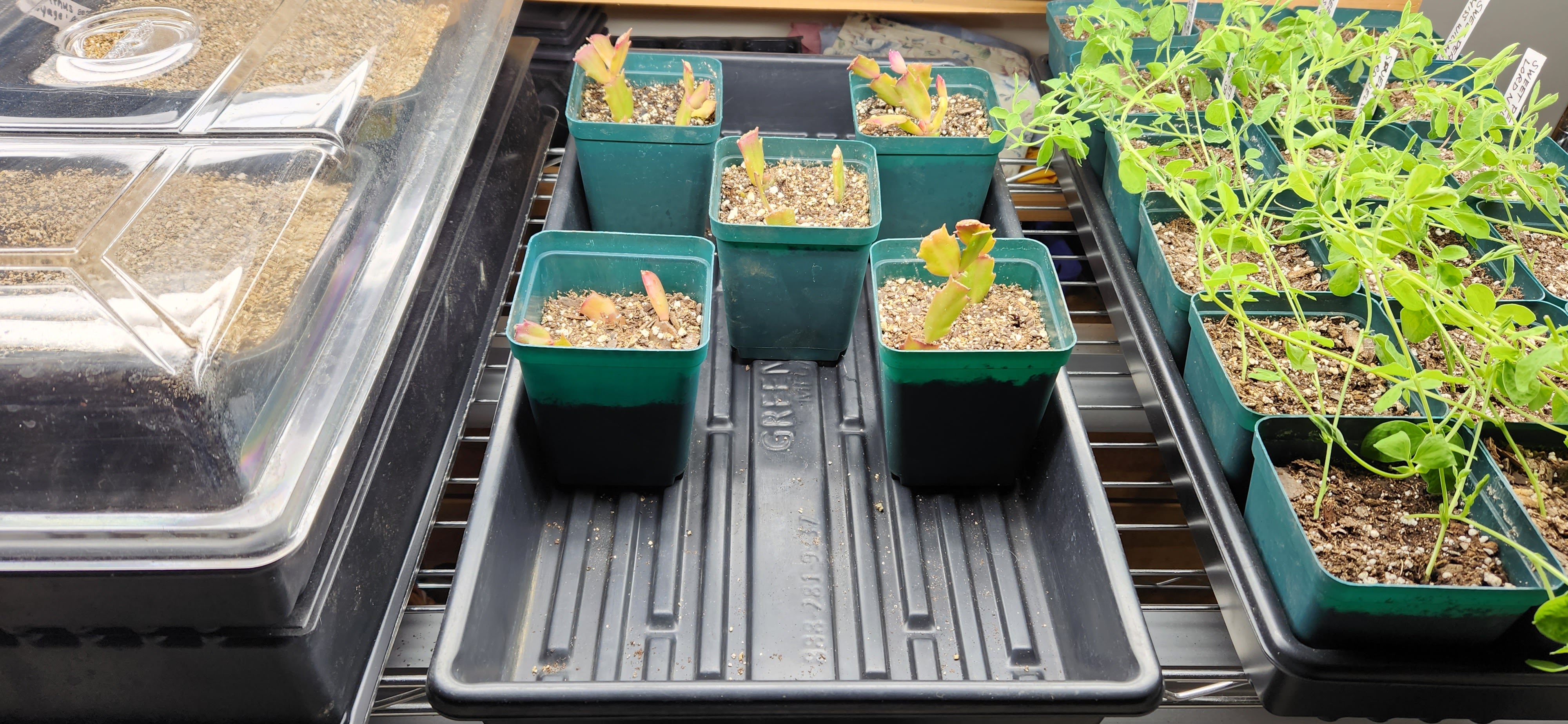
My first shelf is lit! Sweet peas growing on at the right, rescued broken bits from a Christmas Cactus rooting, and I started two flavors of Lisianthus today — Apricot and Chocolate-cherry!

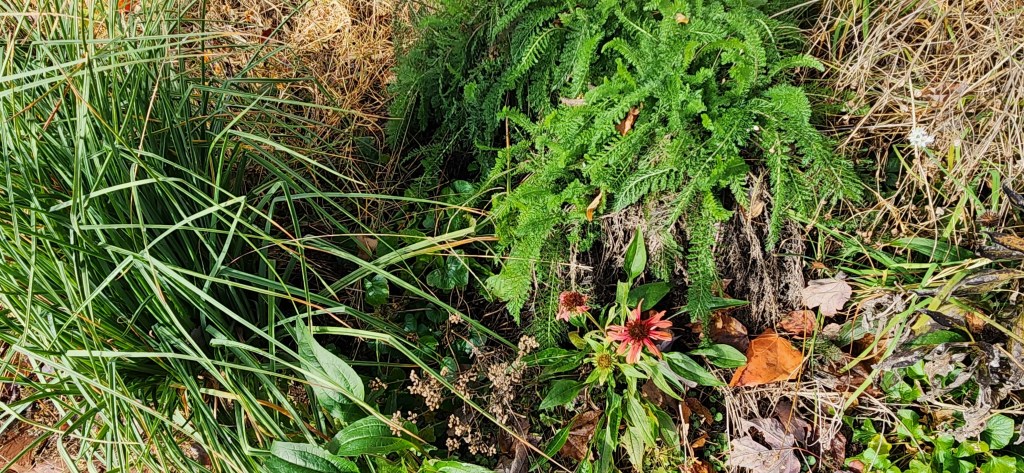
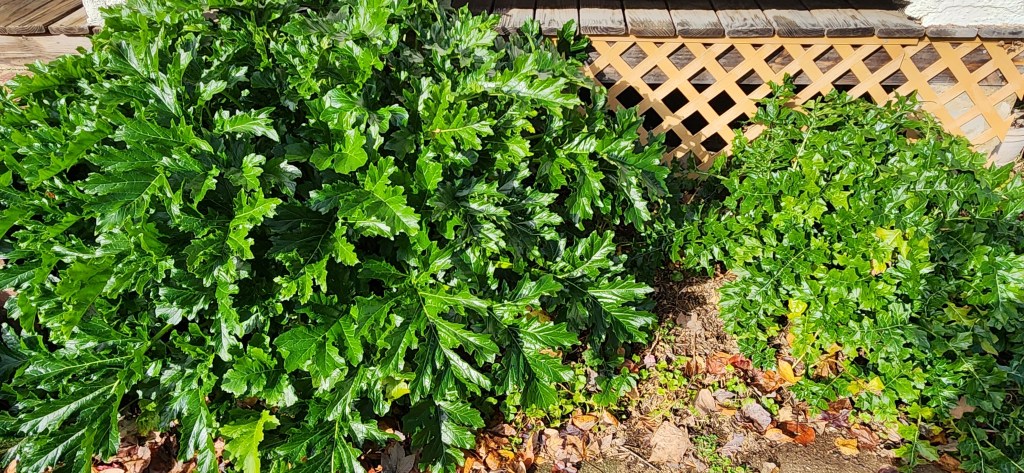
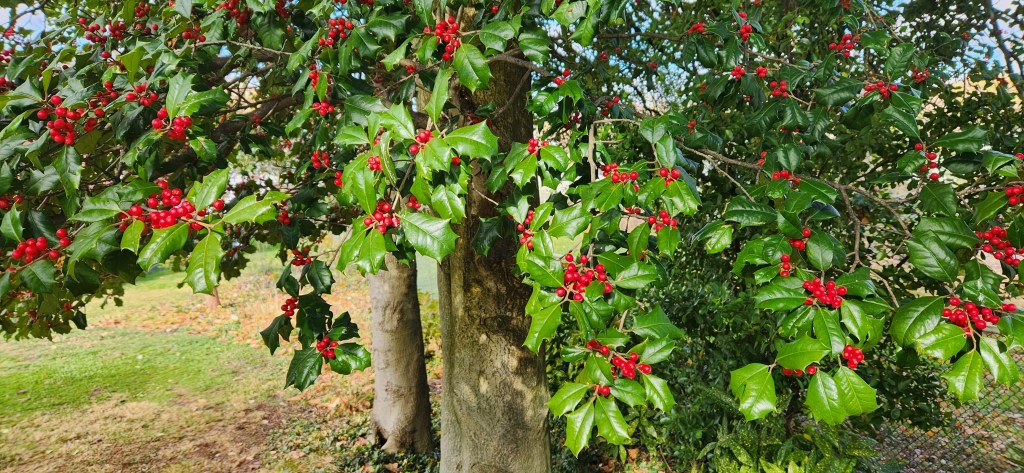
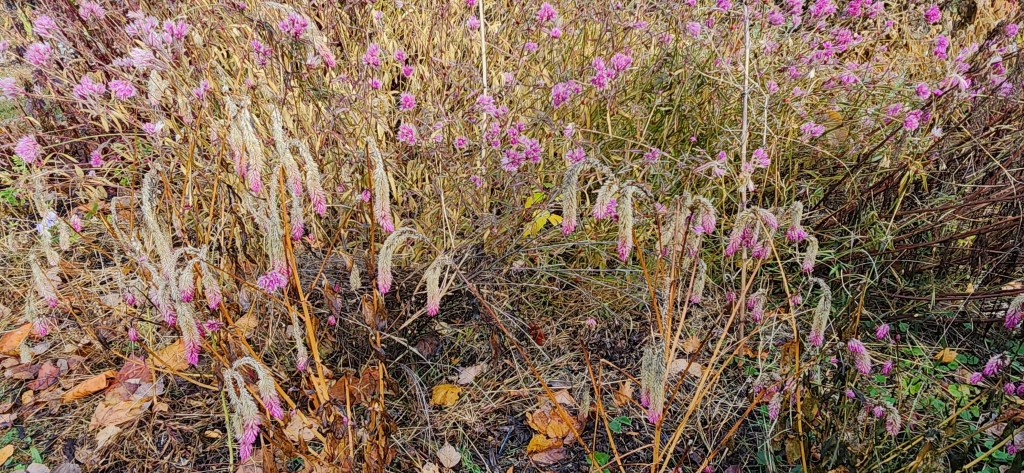
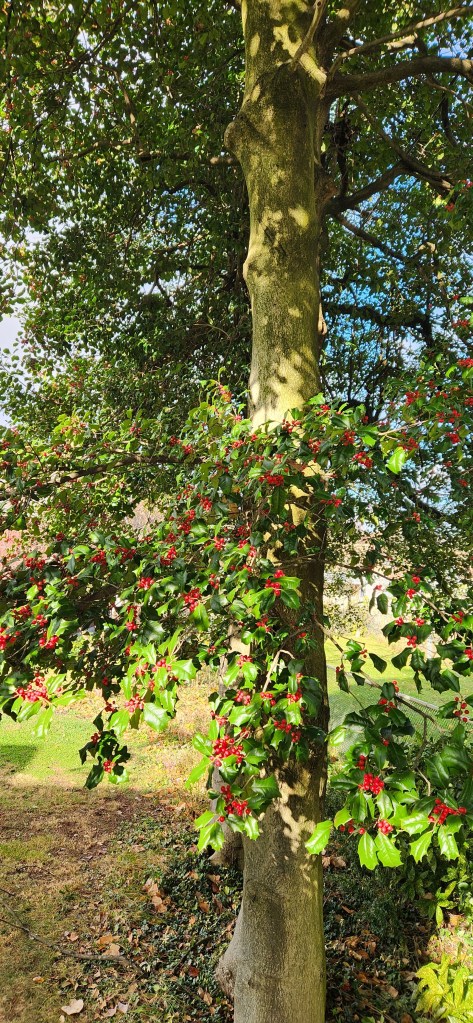
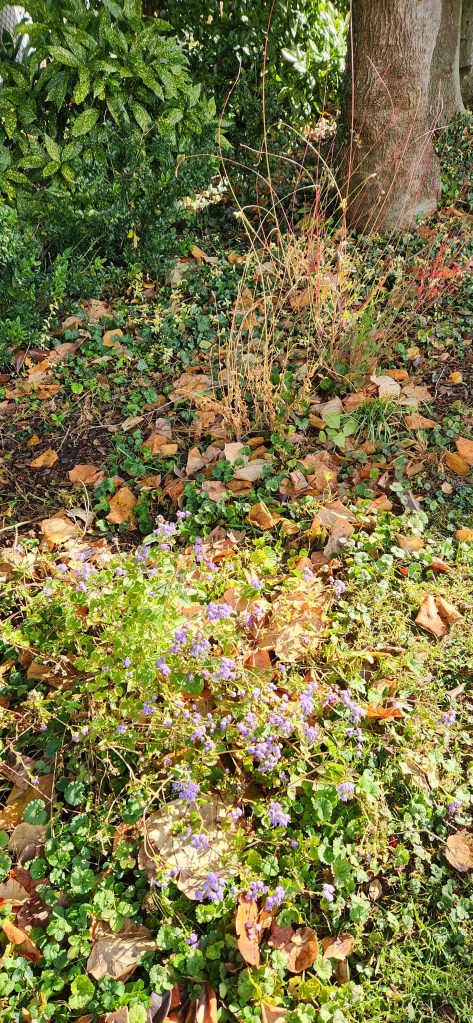
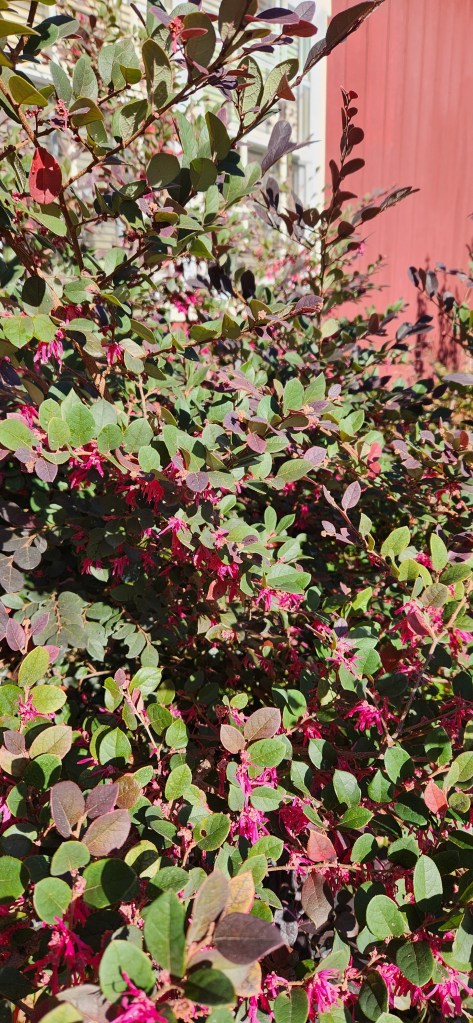
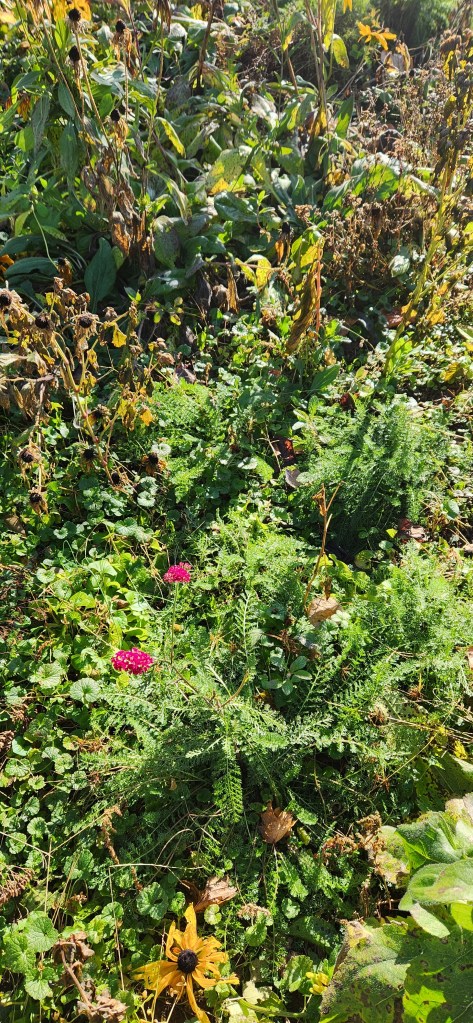
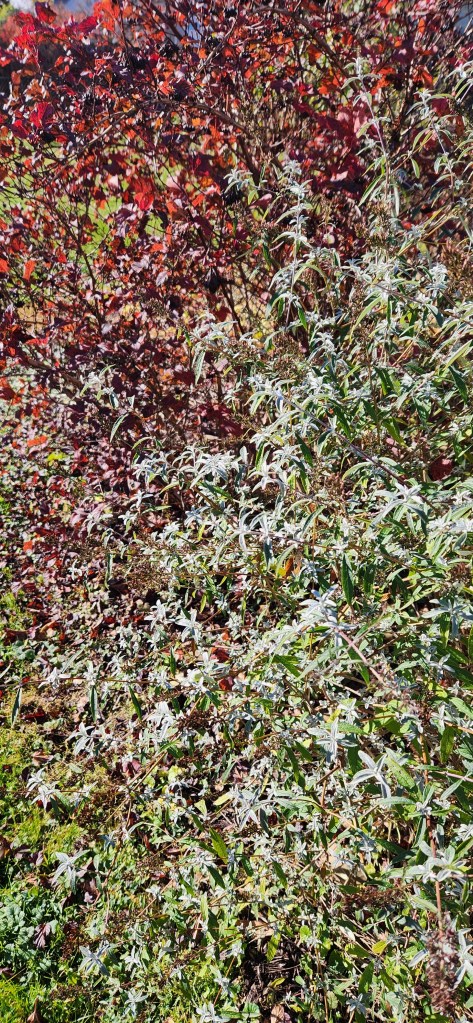
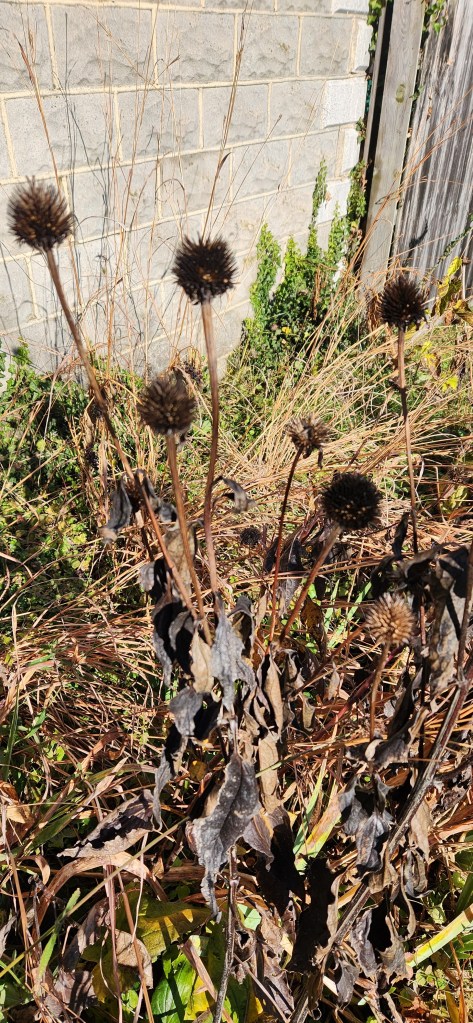
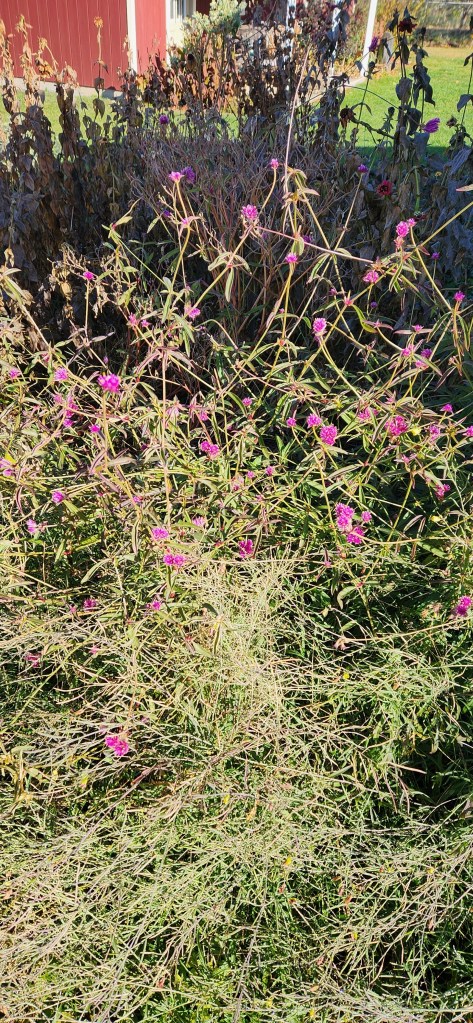

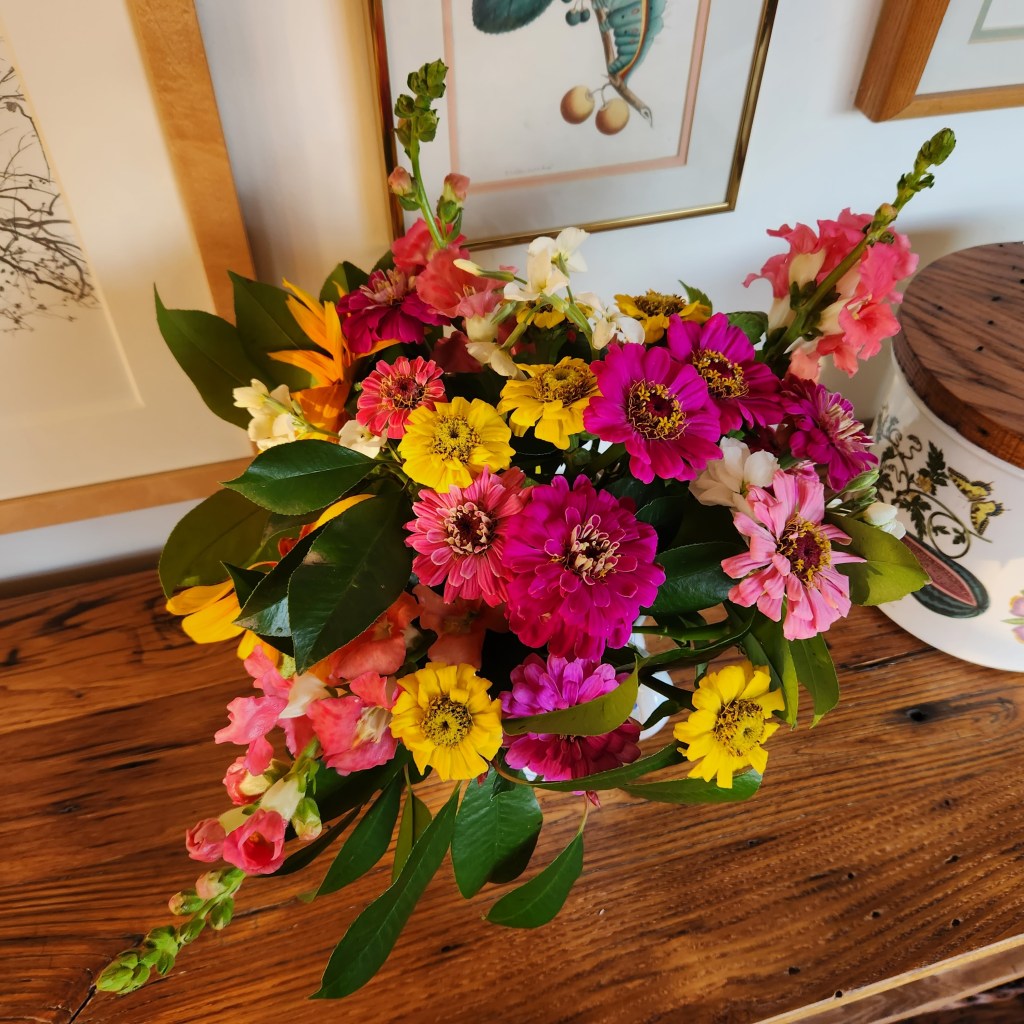
A hard frost came Sunday night, after I picked these last of the zinnias.
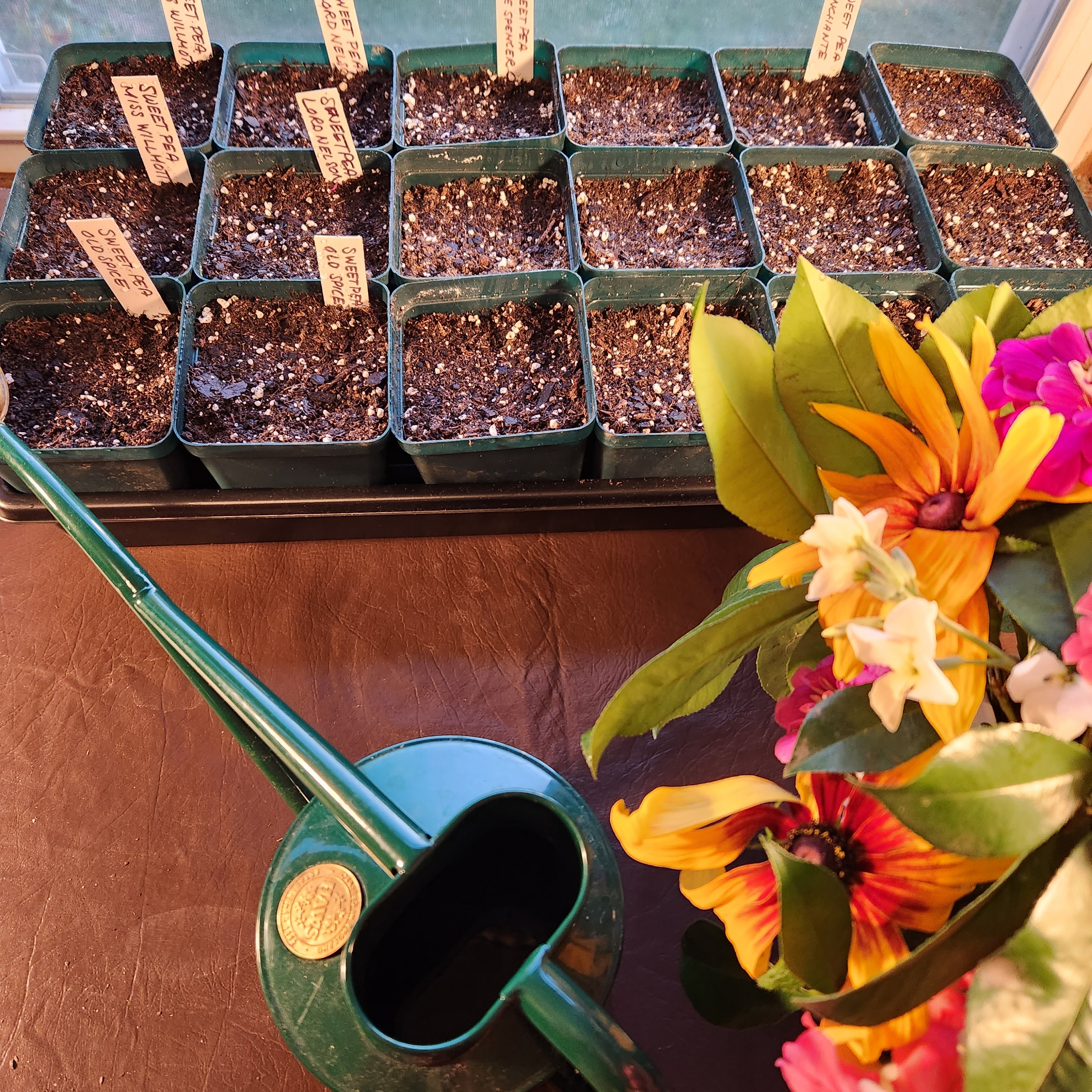
I started my sweet peas… because Monty Don told me to.
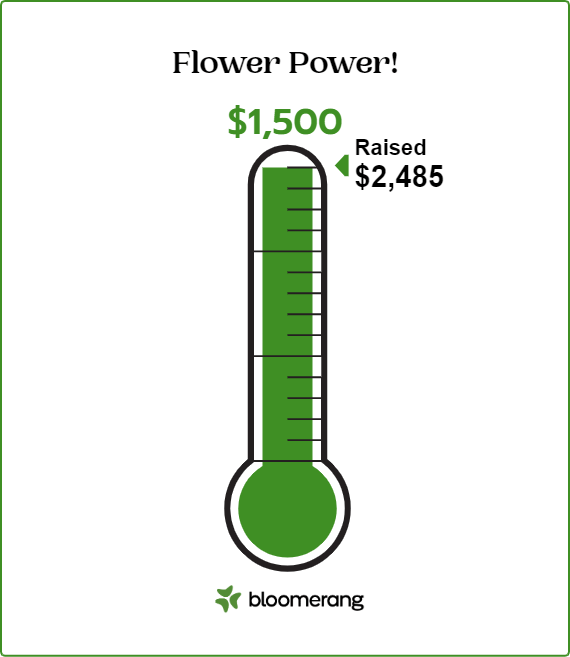
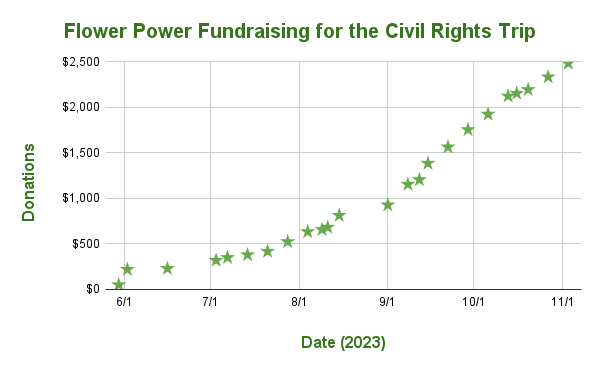
Latest update: 11/3/2023… (On 9/8, We raised our goal from $1000 to $1500!)
I put in more beds for more flowers this year, and it’s paying off. Last year, we had flowers through to the middle of November (!) and raised $1678. Finger crossed for a late frost and no damaging storms…
Past years:
2022: $1680
2021: $1150
2020: No sales due to COVID
2019: $800
2018: $400+

